



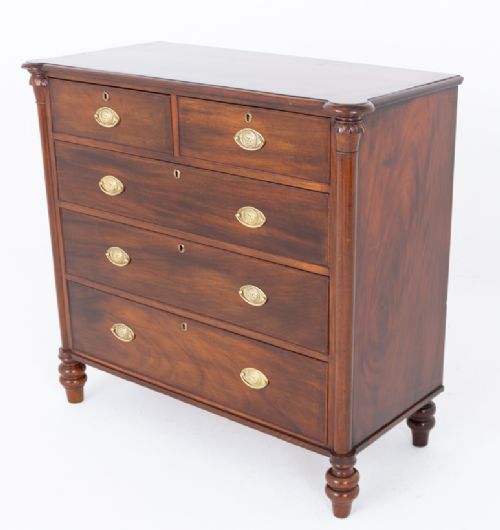

Dark Timber Storage Chest
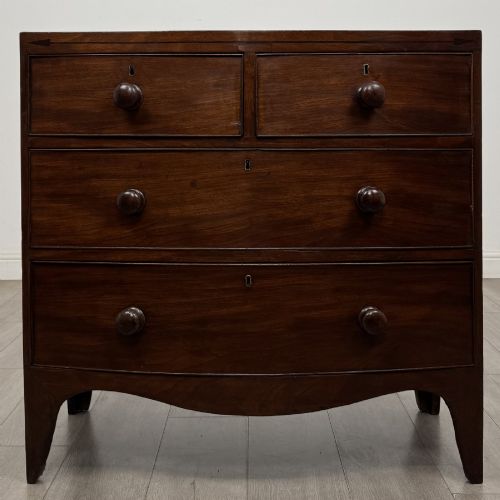
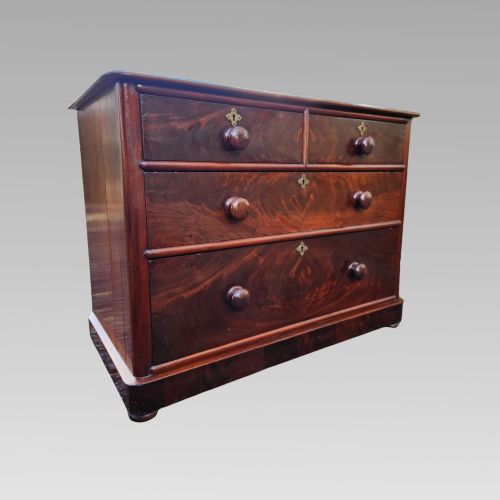
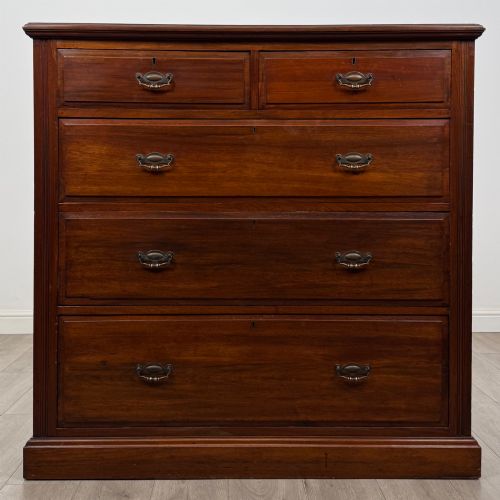
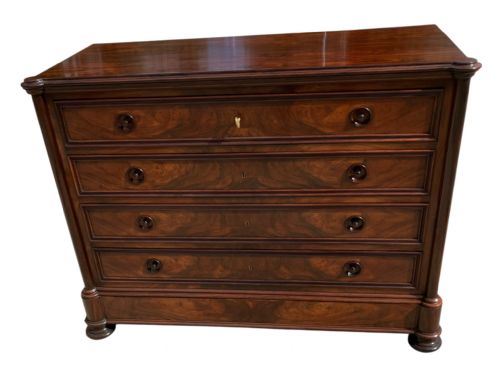
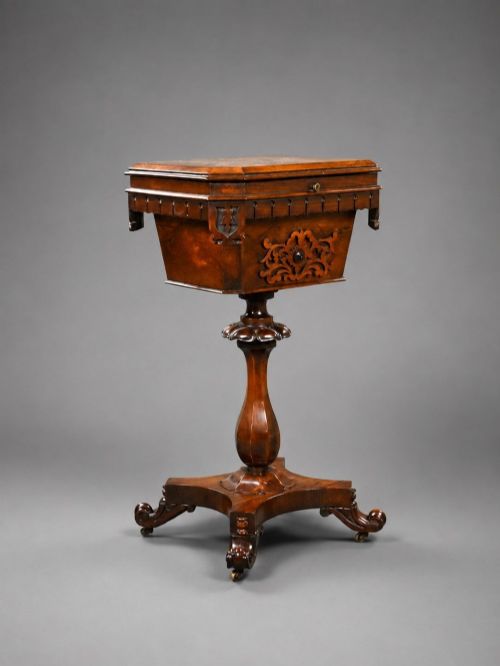
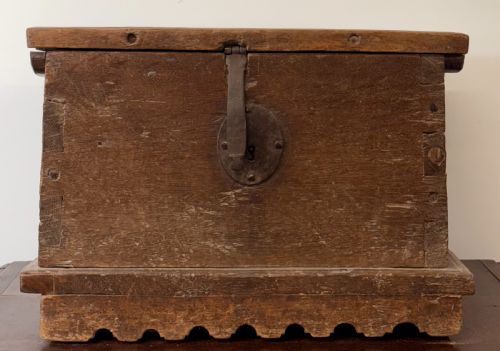
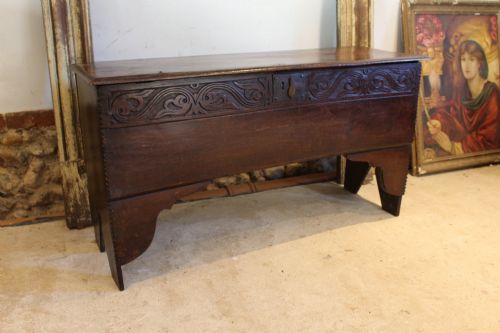
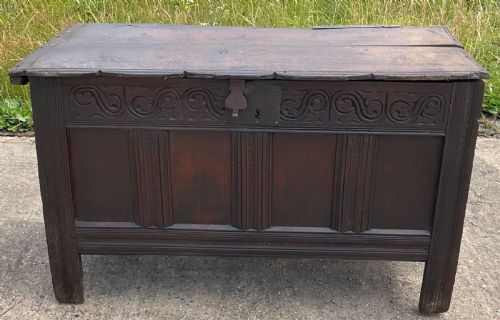
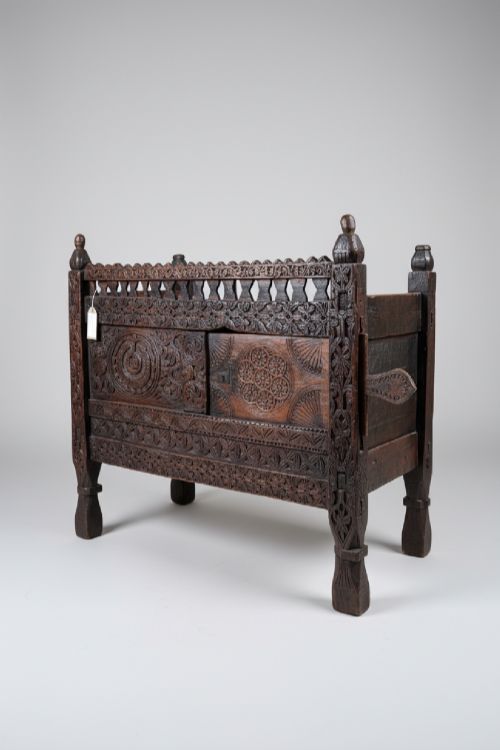
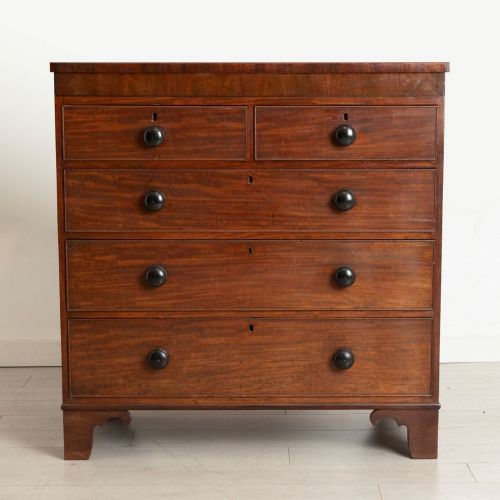
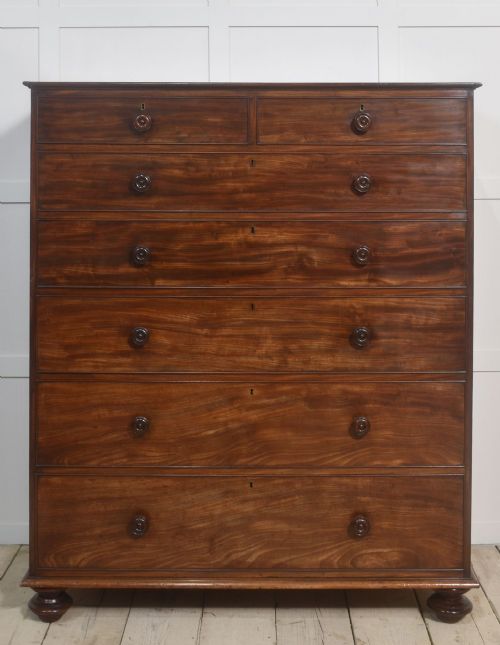
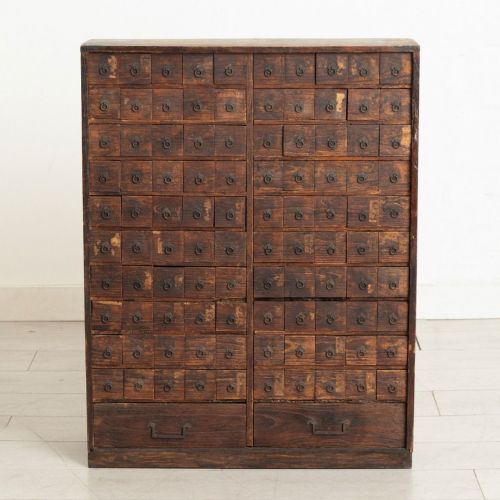
A dark timber storage chest provides robust utility and deep historical character, ranging from stark six-plank coffers to figured mahogany drawer units.
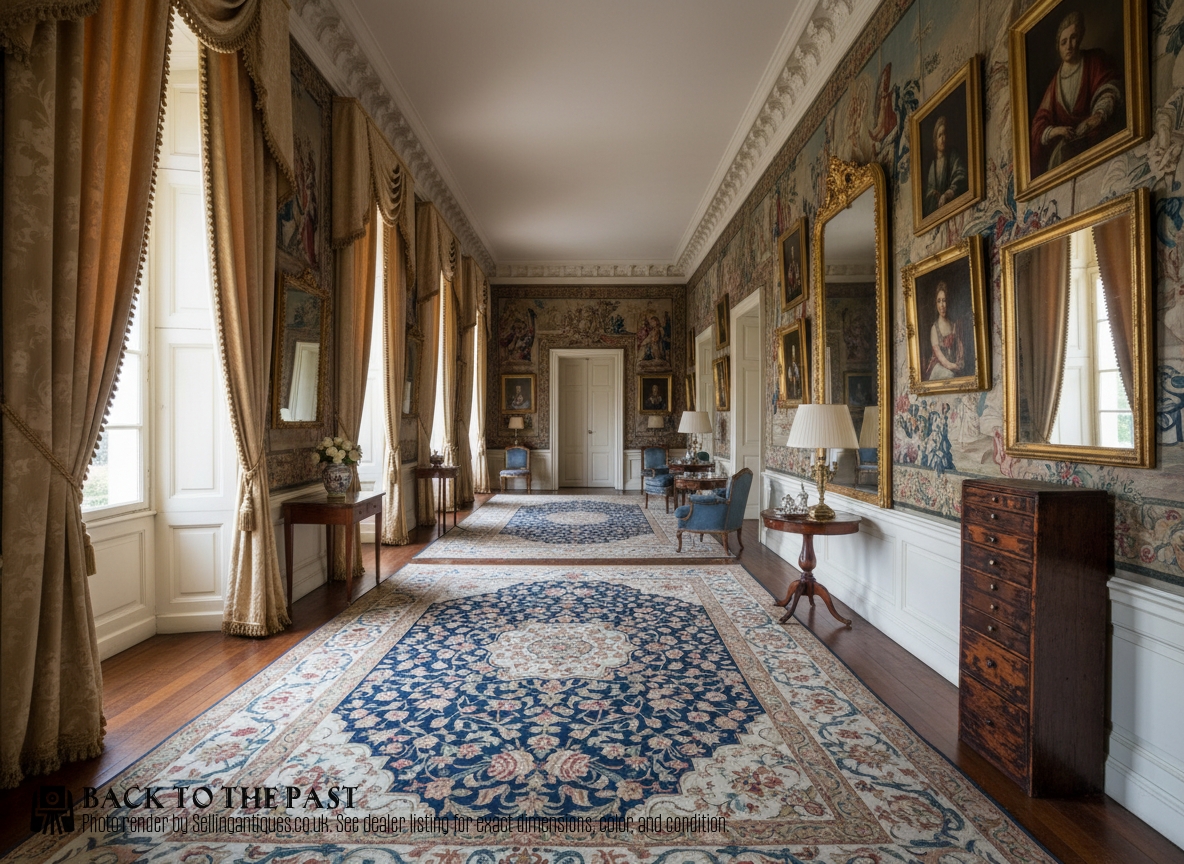
Dark Timber Storage Chest
A dark timber storage chest encompasses heavy utilitarian boxes, blanket coffers, and multi-drawer storage pieces spanning several centuries of cabinetmaking. Buyers encounter regional vernacular pieces alongside formal domestic furniture designed to hold garments, linens, or valuables.
Origins stretch from English and Welsh workshops to continental Europe, India, and East Asia, introducing diverse regional timbers and locking mechanisms. Buyers find everything from utilitarian pine and elm utility boxes to refined walnut and rosewood receptacles.
How they were made
Construction relies primarily on heavy domestic hardwoods like oak, elm, and walnut, joined by hand through pegged mortise and tenon frames or joined planks. Later nineteenth-century examples utilise dense tropical and imported timbers such as mahogany and rosewood over secondary pine carcases.
Metalwork played a critical functional role, incorporating hand-forged iron hinges, strapwork, and brass carrying handles or escutcheons to secure heavy lids and drawers. Surface finishes range from natural waxed grain to carved relief decoration and occasional painted treatments.
Dark Timber Storage Chest Retail Price Guide 2026
Typical asking prices for dark timber storage chest among the pieces listed under this phrase on Sellingantiques today, from the lower quarter to the upper quarter. They describe what is for sale here now, not the wider market.
One unexpected workshop tool box survived the First World War before finding its way to the antiques market.
What varies in quality
Quality rests on the integrity of the timber selection and the retention of original structural elements like bases, feet, and iron or brass hardware. Early pieces showing honest timber shrinkage and minimal structural replacement command greater respect than heavily restored examples.
The refinement of the joinery and carving separates utilitarian vernacular boxes from high-status commissions, whether seen in crisp thumb-molded lid edges or fluid hand-carved panels. Original surface patination accumulated through decades of handling remains a primary indicator of historical integrity.

C Hindley
The Dark Timber Storage Chest Glossary
- Coffer
- A heavy wooden box with a hinged lid used for domestic storage, often pre-dating the widespread use of chests of drawers. Early examples utilise simple board construction or joined frames.
- Six-plank
- A primitive form of chest constructed from six individual boards joined simply at the edges. This construction method appears frequently in early vernacular furniture.
- Mule chest
- A storage chest featuring one or more drawers built into the base beneath the main compartment. They combine the traditional lift-up lid of a coffer with drawer storage.
- Escutcheon
- A protective plate surrounding a keyhole, frequently fashioned from brass or iron. They serve both a decorative and a structural purpose on storage lids and drawers.
Dark Timber Storage Chest: Frequently Asked Questions
What is a six-plank coffer?
A six-plank coffer is a primitive form of storage chest constructed from just six individual boards joined at the edges. These pieces represent some of the earliest surviving domestic furniture.
Makers fastened the boards using simple butt joints reinforced with pegs or nails, creating a heavy and durable container for household valuables.
How do I date an oak chest?
Dating an oak chest relies on examining the construction marks, hinge types, and joinery methods. Hand-cut peg joints and adze marks point towards earlier centuries.
Later Victorian and Edwardian pieces often display machine-sawn timber and more standardised ironmongery compared to seventeenth-century joined work.
Where were blanket chests used?
Blanket chests sat primarily in bedrooms and great halls to store heavy woolen textiles, linens, and personal garments away from damp air. Their sturdy lids also allowed them to double as occasional seating.
In grander households, they held valuable fabrics and dowry items, reflecting the wealth of the family.
Are these chests suitable for modern homes?
These dark timber pieces adapt well to modern living by providing functional storage for blankets, shoes, or media equipment while adding historical texture to a room. Their robust build ensures they withstand daily domestic use.
Placed in hallways or living spaces, they serve as focal points that conceal clutter effectively.