




Dark Red Wool Rug
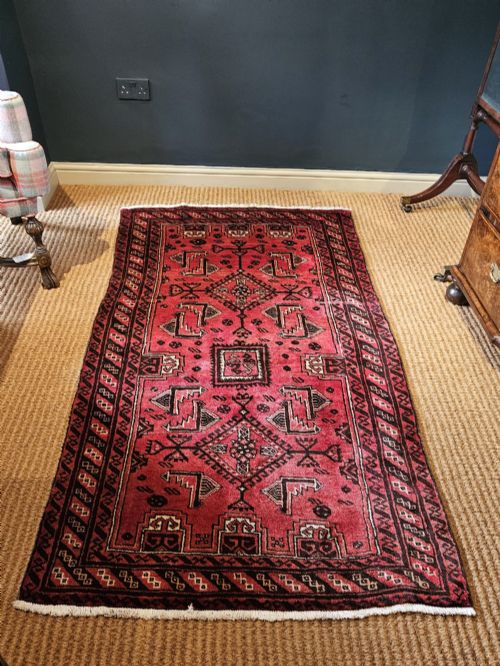
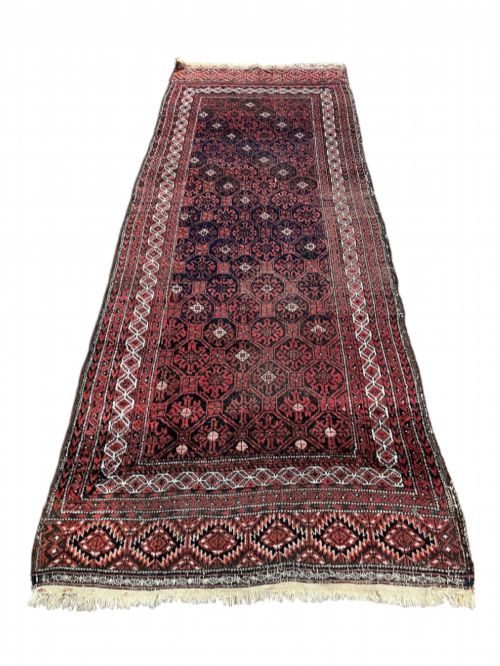
A dark red wool rug brings rich, earthy warmth and historic tribal artistry straight to your floor.

Dark Red Wool Rug
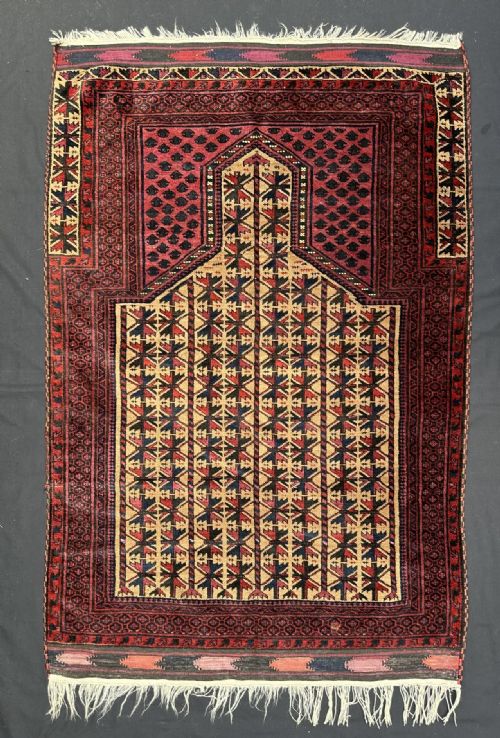
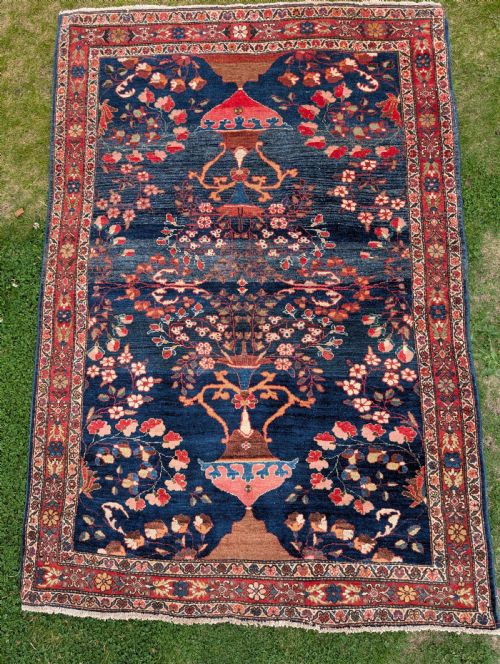
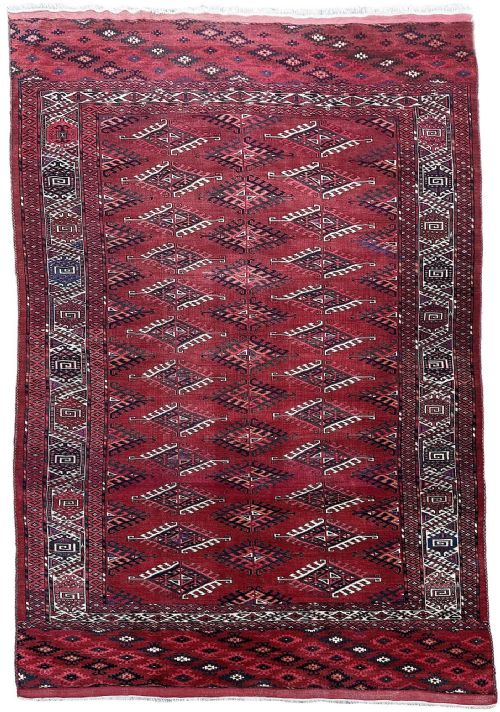
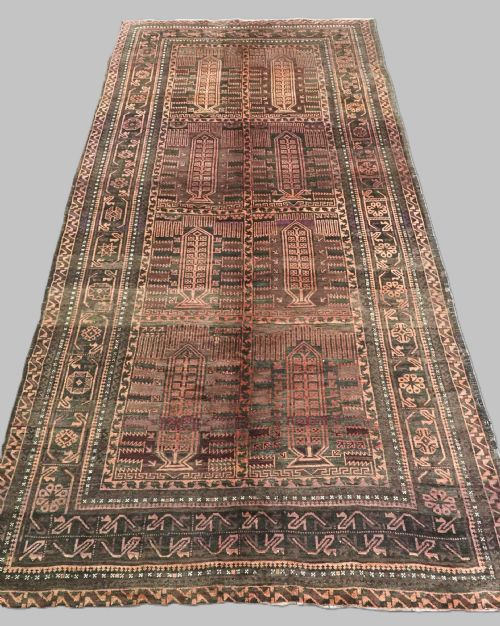
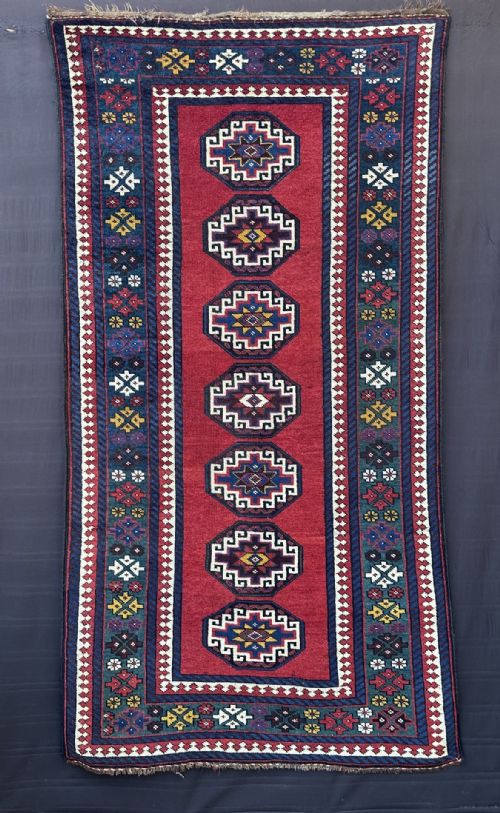
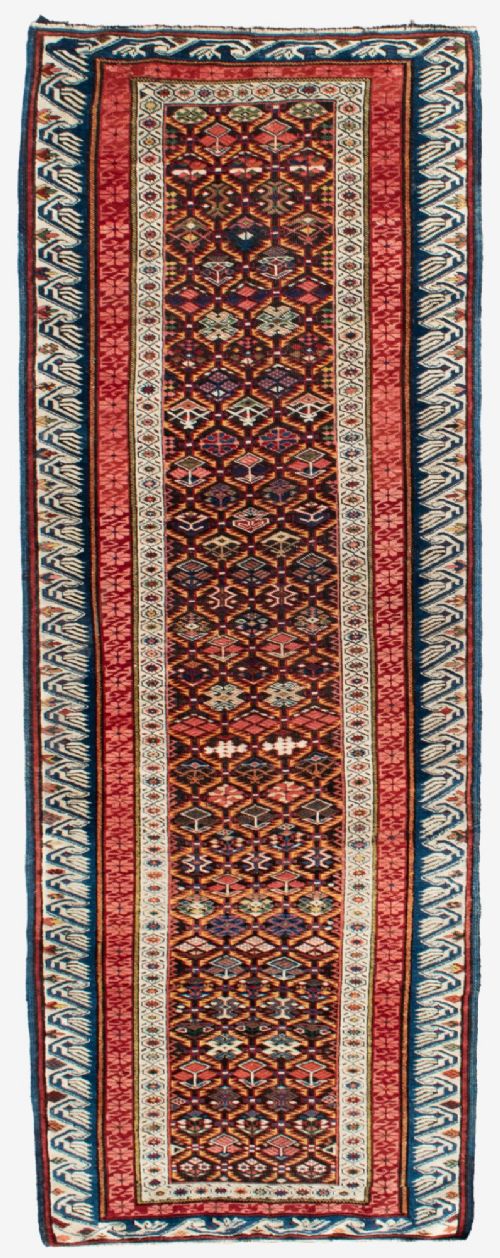
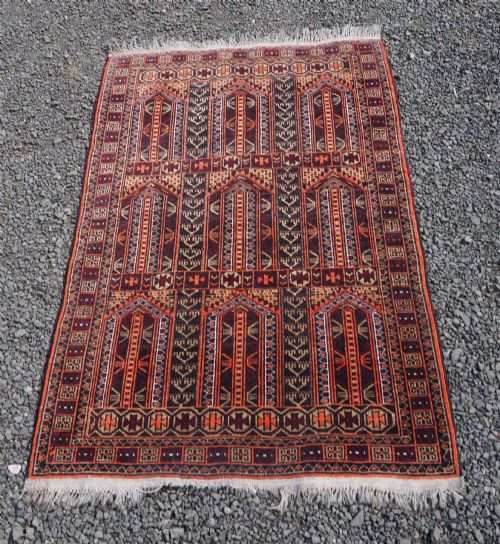
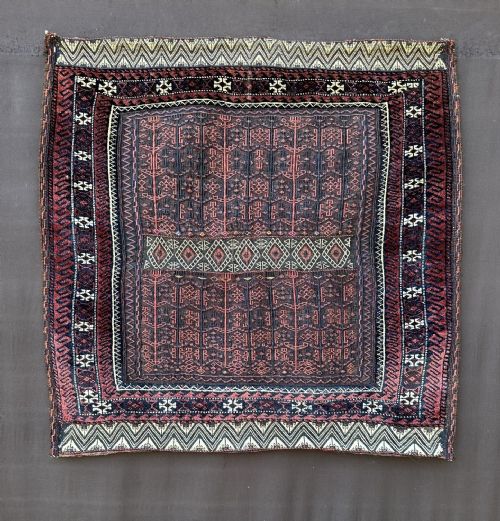
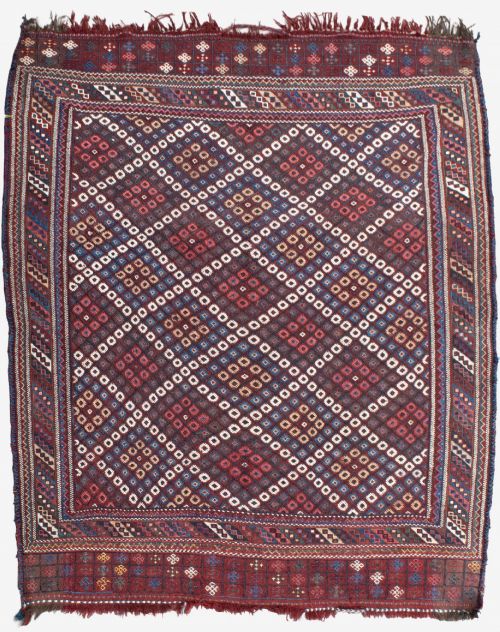
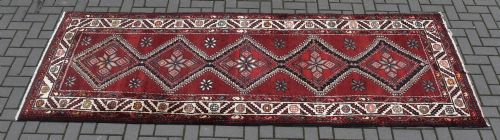
A dark red wool rug encompasses handwoven carpets, runners, prayer rugs, and nomadic tribal pieces originating from Persia, Afghanistan, and Central Asia. These textiles date from the nineteenth and early twentieth centuries, spanning periods such as 1880, 1900, and 1920.
The most common versions met on this page are Baluch tribal rugs and Turkmen pieces like Yomut, Tekke, and Ersari torbas or carpets. Alongside standard floor rugs, buyers will encounter specialised items including bread sofrehs, vanity bags, and cushions.
Makers include various tribal groups such as the Timuri, Salar Khani, and Qashqai, working within established regional traditions. Each piece reflects specific cultural motifs, from double mihrabs to classic pencil box designs.
Materials and construction
These textiles rely predominantly on wool and hand-spun wool, often paired with cotton foundations and occasionally incorporating goat hair for added durability. Natural dyes provide the characteristic deep red and secondary palette hues found across the tribal weaving repertoire.
Weaving techniques involve traditional handweaving methods passed down through nomadic and village communities. Fine knotting and flatweave structures, such as those seen in sofrehs and storage bags, ensure structural integrity alongside decorative depth.
Dark Red Wool Rug Retail Price Guide 2026
Typical asking prices for dark red wool rug among the pieces listed under this phrase on Sellingantiques today, from the lower quarter to the upper quarter. They describe what is for sale here now, not the wider market.
Object forms span area rugs and runners alongside functional ethnographic items including storage bags, cushions, and bread sofrehs.
Assessing quality in antique tribal rugs
Quality rests upon the fineness of the weave, the handling of natural dyes, and the clarity of the tribal design. Pieces featuring exceptionally tight knots, such as specific Tekke torbas, demonstrate superior craftsmanship.
The integrity of the wool, consistency of hand-spinning, and preservation of original edges or hanging loops further distinguish finer examples. Tribal authenticity and regional design complexity elevate individual pieces above standard utility grade.
The Dark Red Wool Rug Glossary
- Sofreh
- A flatwoven spread or cloth used for dining, kneading bread, or serving food. These textiles often feature geometric tribal patterns.
- Torba
- A small tribal storage bag produced by Turkmen and other Central Asian groups. They were traditionally hung inside a tent to hold household possessions.
- Mihrab
- An architectural niche design representing the direction of prayer, frequently seen in rugs intended for devotional use. Double mihrabs feature two such arches.
- Gul
- A medallion or repeating octagonal motif used extensively in Turkmen carpet design. Each tribal group utilised distinct variations of this pattern.
- Kelleh
- A large format long rug traditionally produced in Persian and Kurdish weaving centres. These pieces offer extended proportions suited for substantial floor spaces.
Dark Red Wool Rug: Frequently Asked Questions
How were these rugs used originally?
Nomadic and village communities utilised these textiles for daily floor coverings, bedding storage, and ritual prayer. Specialised pieces served specific domestic functions such as holding bread or transporting personal belongings.
Many items functioned as portable furnishings that could be packed up easily during seasonal migrations. Their construction balanced decorative tribal identity with hard-wearing practicality for harsh environments.
Where do these tribal designs come from?
The designs originate from specific tribal confederations and borderlands across Persia, Afghanistan, and Central Asia. Groups like the Baluch, Yomut, Tekke, and Qashqai each developed distinct geometric and floral repertoires.
Weavers relied on generational knowledge rather than written patterns, passing down specific border arrangements and colour combinations. Regional geography and local flora directly influenced the dyes and wool characteristics available to each tribe.
How do I care for an antique wool rug?
Maintain the textile through gentle vacuuming without the beater bar to protect the hand-spun wool pile and edges. Professional cleaning tailored to antique natural-dyed wools ensures the longevity of the fibres.
Keep the rug away from prolonged direct sunlight to prevent natural dye fading. Using a breathable underlay provides stability and prevents slipping on hard floors.