
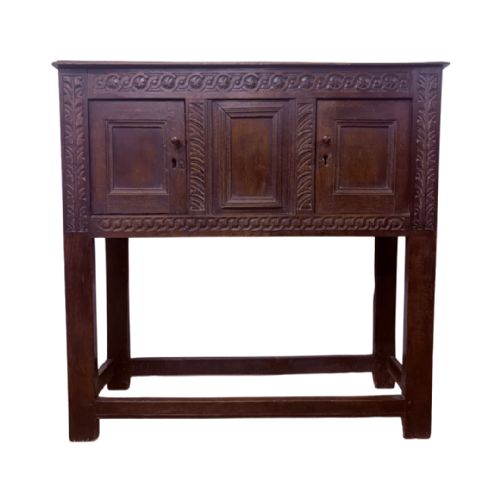
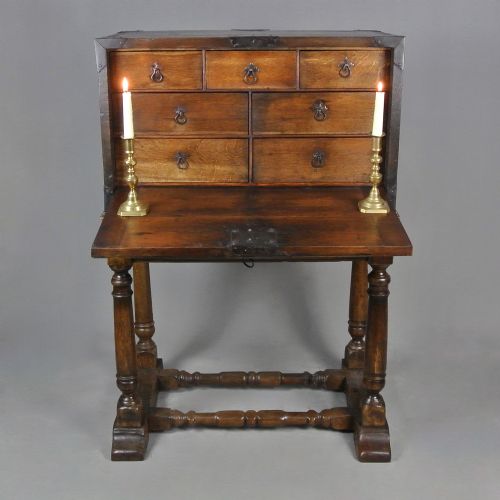
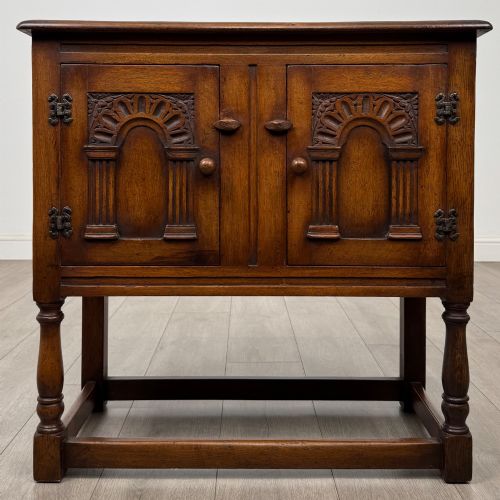

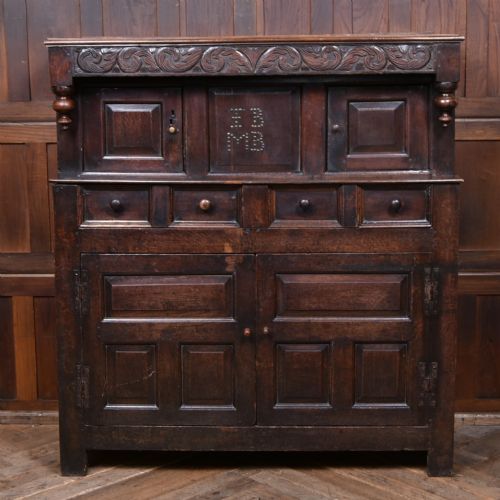

Dark Oak Standing Cupboard
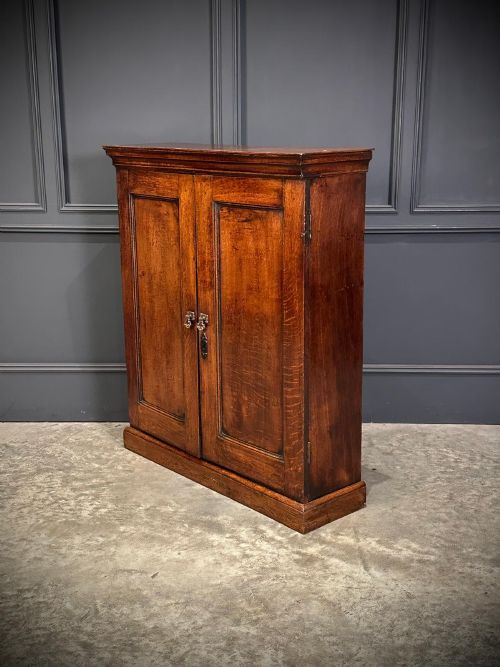
A dark oak standing cupboard brings solid timber storage and deep historical character straight into a room.

Dark Oak Standing Cupboard
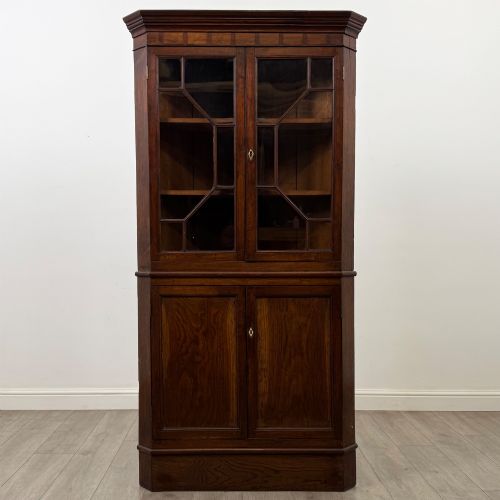
When you search for a dark oak standing cupboard, you encounter substantial timber furniture built to store provisions, linens or books. The evidence spans centuries of cabinet-making, running from seventeeth-century joined pieces and court cupboards through Georgian corner cabinets to later revivals.
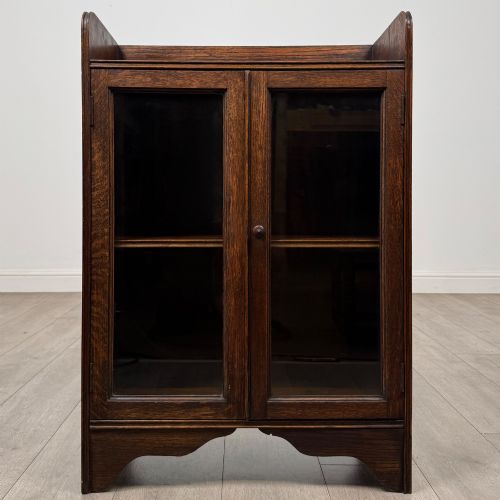
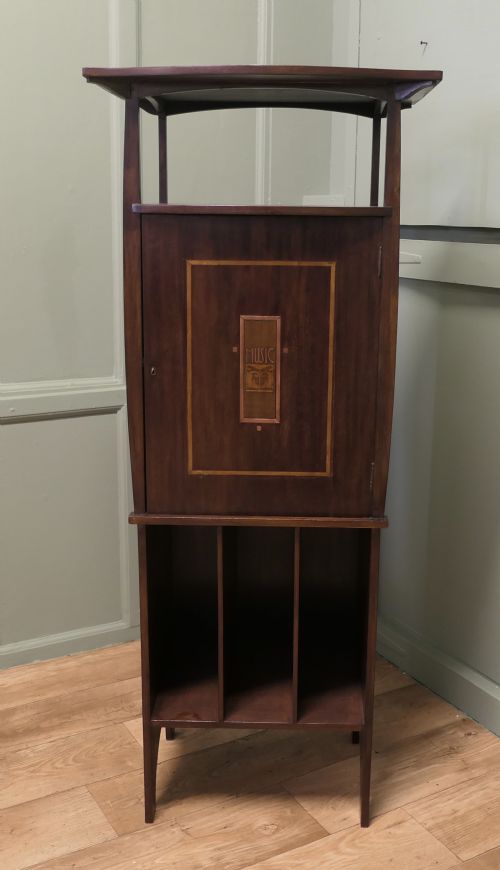
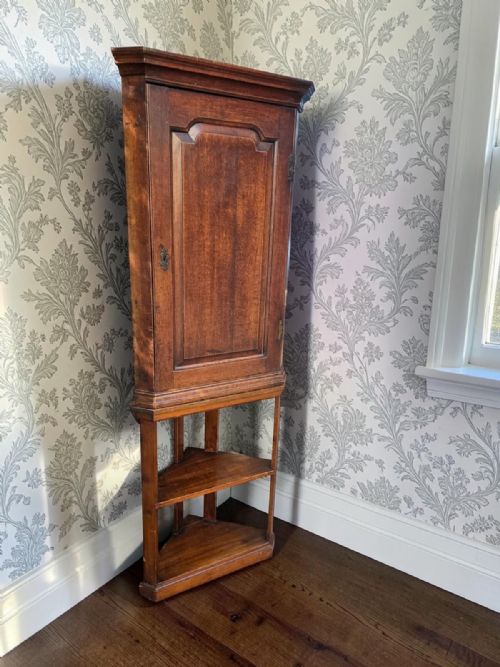
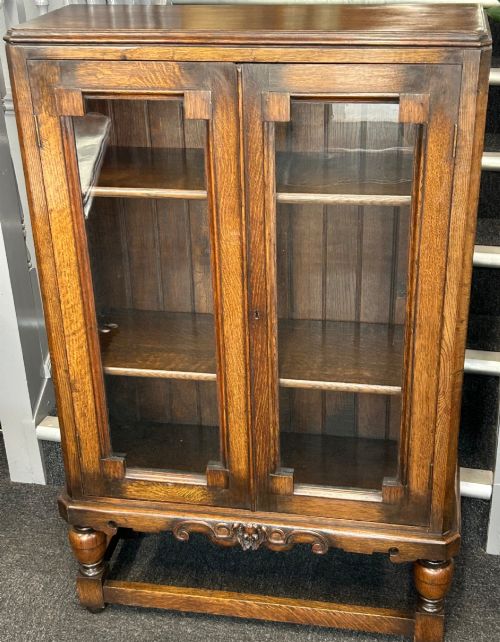
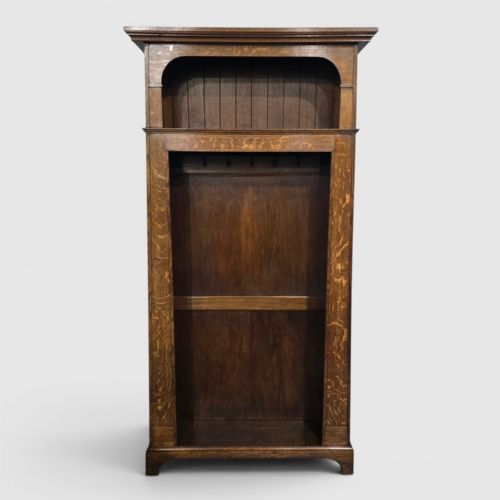
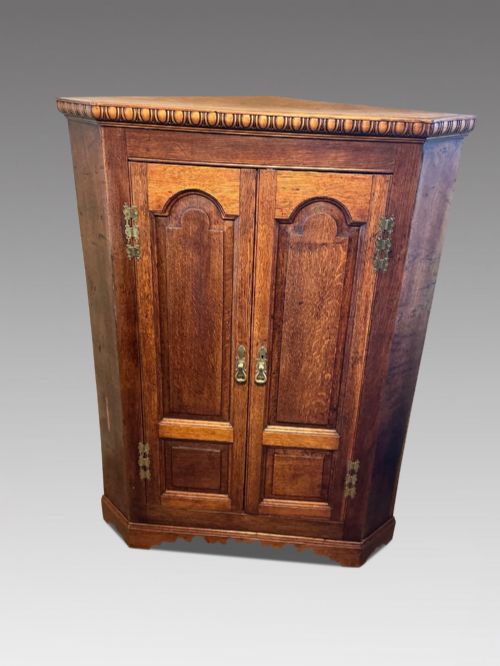
Floor-standing examples dominate the selections, taking the form of corner cabinets, livery cupboards, side cabinets and tall bookcases. English oak and foreign varieties supply the timber, often paired with brass, iron or glass fittings.
How they were made
Timbers of oak form the structural backbone of these cabinets, frequently shaped through traditional joinery and panel construction. Blacksmith-forged iron hinges and locks appear on primitive pieces, whilst later items incorporate brass hardware and glazed doors.
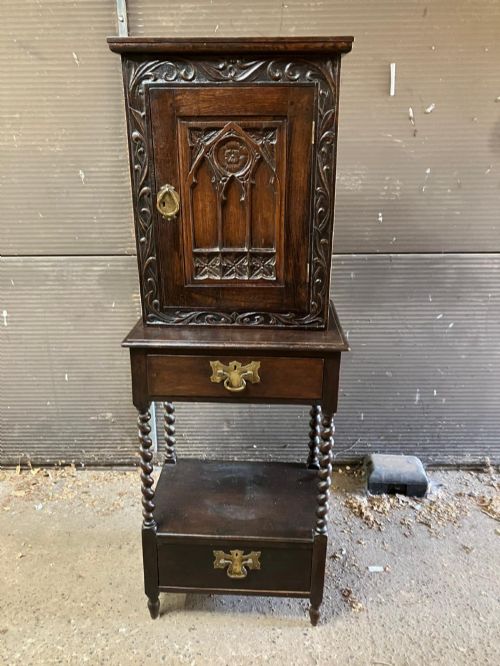
Carving and wood inlay decorate specific styles, particularly within Jacobean revivals, Gothic pieces and Georgian designs. Workshops utilise these traditional techniques to build sturdy storage that stands firmly on the floor.
Listings span eight distinct periods, running from the seventeenth century through Georgian and Victorian eras into twentieth-century revival styles.
What varies in quality
The refinement of the carving and the selection of the timber dictate the standing of a piece within its period. Earlier seventeenth-century joined work relies on rigid structural framing, whereas later Georgian and revival items depend on balanced proportions and panel grain.
Hardware integrity separates standard items from superior ones, with hand-forged blacksmith locks and original brass fittings elevating a cabinet. The handling of the wood, from plain boards to elaborate panelled fronts, marks the shift between provincial utility and high craftsmanship.
GM Elwood·JS Henry
The Dark Oak Standing Cupboard Glossary
- Court cupboard
- A heavy seventeenth-century storage piece featuring stacked tiers or enclosed upper sections used for displaying plate. These items often display carved decoration and sturdy oak framing.
- Livery cupboard
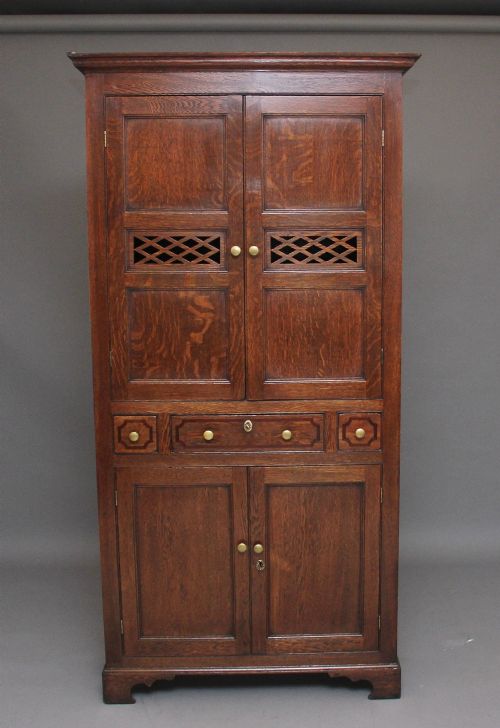
- A traditional standing cupboard designed for storing food or rations in a hall. These pieces frequently feature ventilated doors or pierced panels.
- Corner cabinet
- A standing storage unit built with an angled footprint to fit neatly into room corners. Versions appear in both wall-hanging and floor-standing formats.
- Joined oak
- Furniture constructed using mortise and tenon joints secured with wooden pegs before the widespread adoption of nails. This method defines seventeenth-century cabinet work.
- Book press
- A heavy timber device used for flattening paper or binding books, often incorporated into a standing cabinet base. These examples date from the Victorian period.
Dark Oak Standing Cupboard: Frequently Asked Questions
What is a dark oak standing cupboard?
A dark oak standing cupboard is a floor-resting storage item made from solid timber, appearing across periods from the seventeenth century to the twentieth.
These pieces include corner units, livery cupboards and side cabinets designed to hold household goods.
How do I identify seventeenth-century oak?
Seventeenth-century oak pieces display heavy joined construction, often using wooden pegs and hand-carved panels rather than modern mechanical fasteners.
Blacksmith locks and hinges frequently accompany these early primitive and court cupboard designs.
Where should I place a standing corner cupboard?
A standing corner cupboard fits directly into the internal angle of a room, making efficient use of otherwise empty floor space.
These taller units anchor a corner whilst offering visible display space or enclosed shelving.