


Rustic Oak Display Cabinet
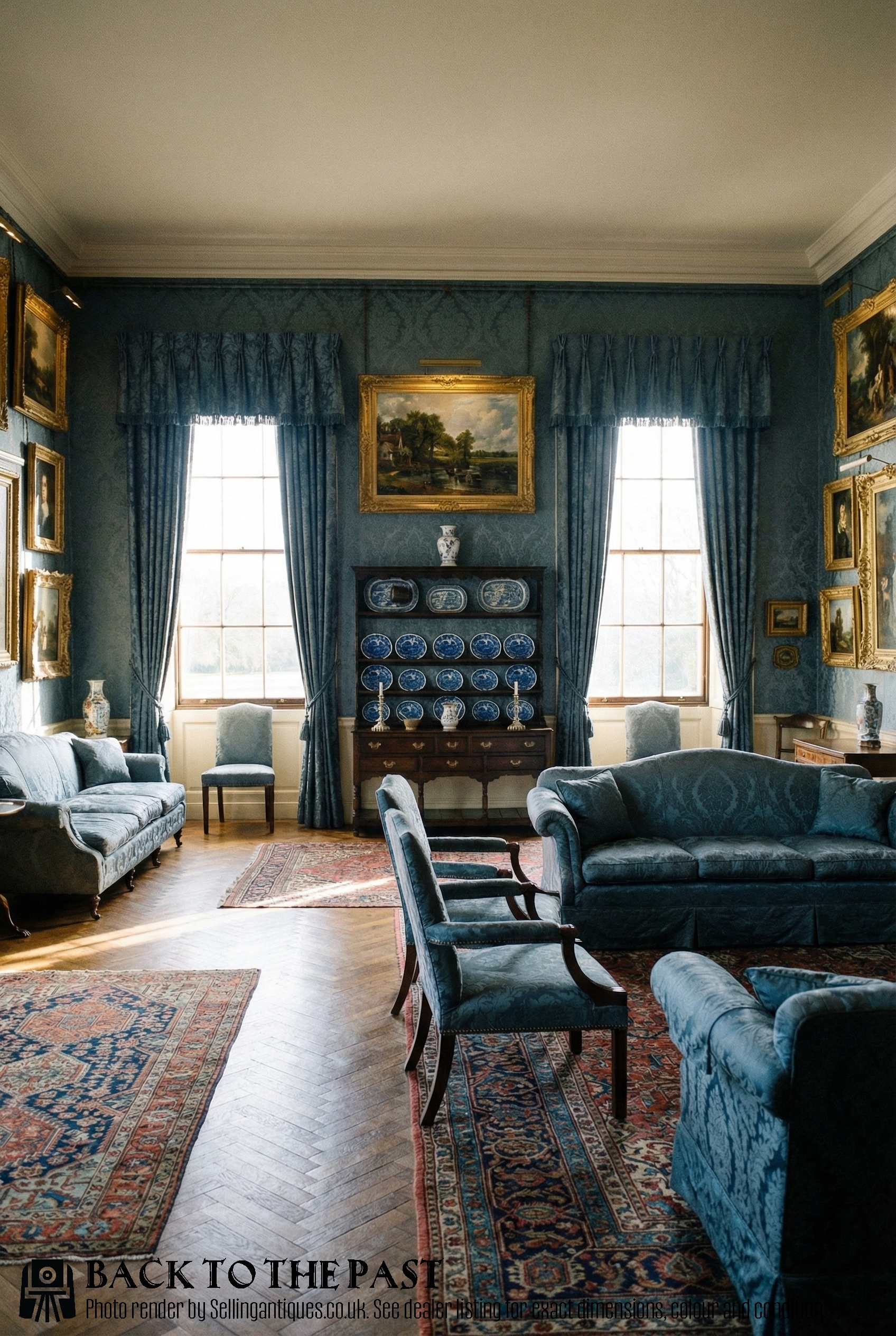
A rustic oak display cabinet brings provincial warmth and practical storage to a room, holding tableware or books behind glazed or panelled doors.
Rustic Oak Display Cabinet
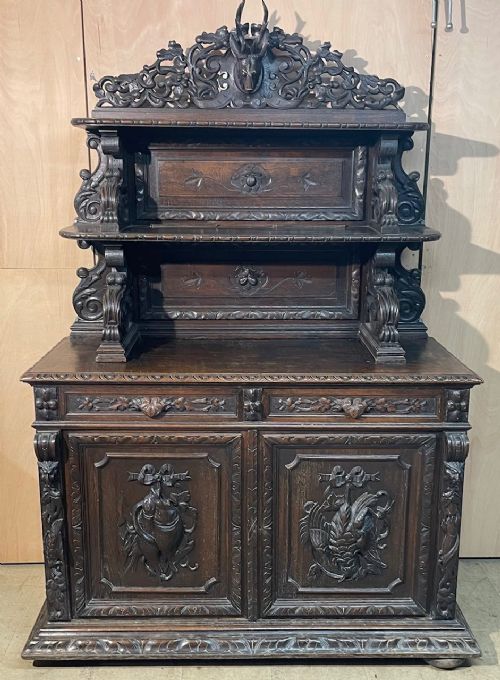
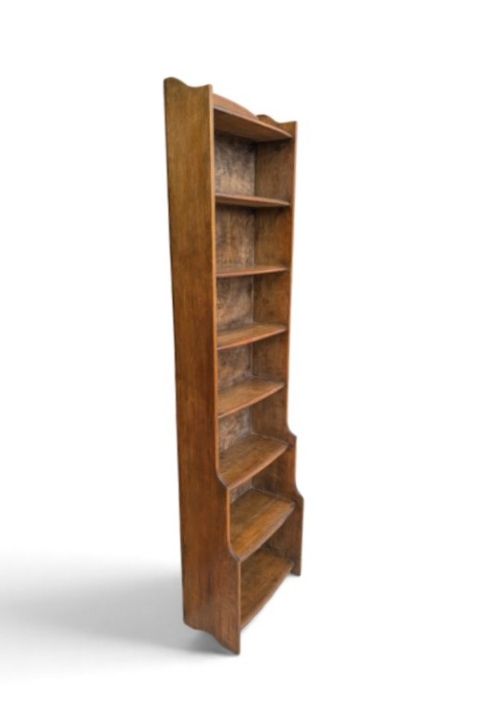
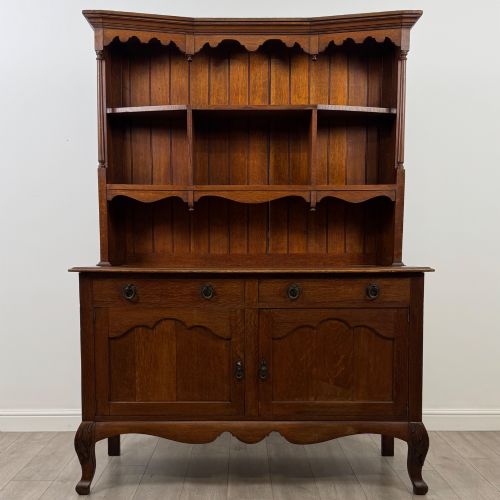
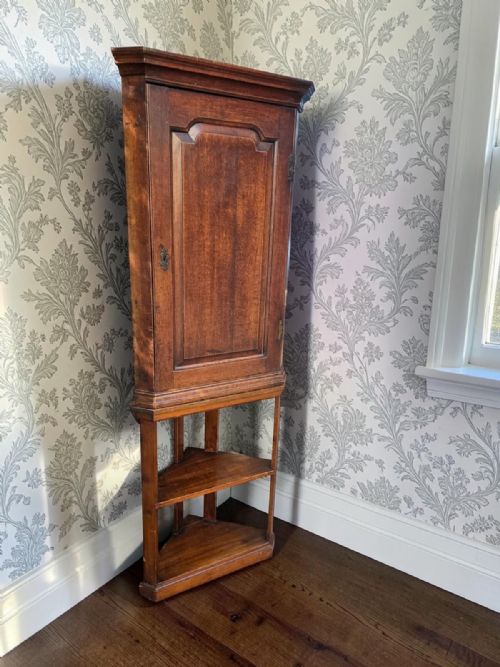
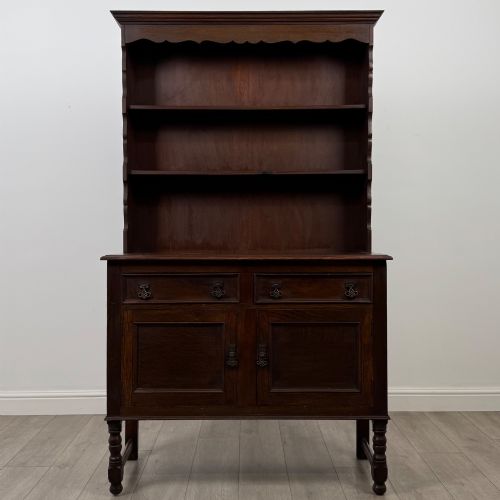
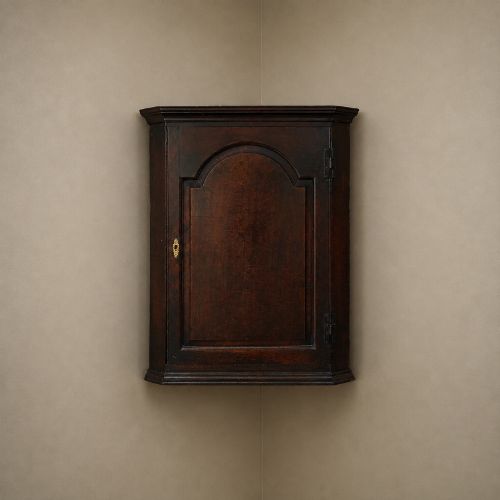
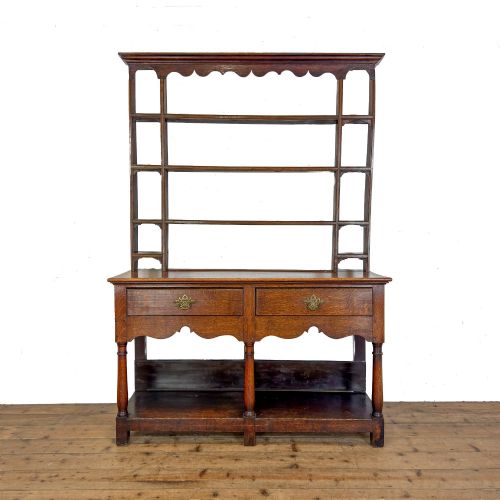
A rustic oak display cabinet spans sturdy corner cupboards, provincial dressers with plate racks, and two-piece commodes originating from the eighteenth and nineteenth centuries. These pieces reflect English country, Georgian, and French provincial styles, built for utilitarian storage in farmhouses and cottages.
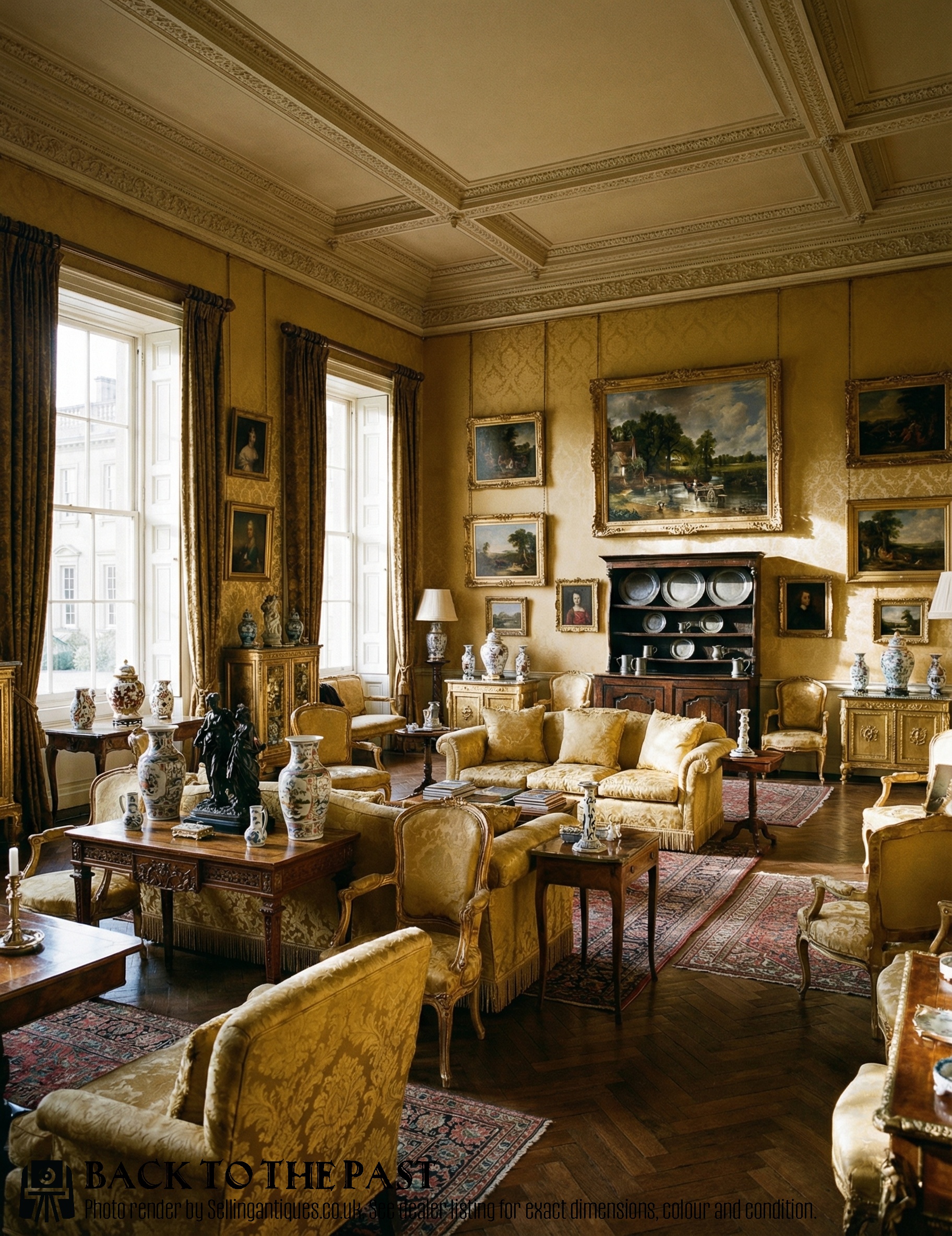
The most frequent examples encountered on this page are Welsh dressers and corner cabinets made from solid oak, dating from the Georgian and Victorian eras, often featuring panelled doors or open upper shelving.
Makers and regional craftsmen constructed these items using heavy timbers, occasionally combining oak with mahogany or pine, yielding functional furniture that displays domestic objects while concealing lower storage.

Factors determining quality
Quality rests on the integrity of the timber selection, the crispness of hand-carved panels, and whether original brass or iron hardware remains intact. Pieces retaining their early glass panes and unblemished board backs sit at the upper end of the scale.
Proportion and regional vernacular detailing distinguish superior country pieces from simpler utility items, with well-balanced cornices and harmonious two-part construction indicating superior workshop execution.
Rustic Oak Display Cabinet Retail Price Guide 2026
Typical asking prices for rustic oak display cabinet among the pieces listed under this phrase on Sellingantiques today, from the lower quarter to the upper quarter. They describe what is for sale here now, not the wider market.
Fishermen may have stored their gear nearby, but these sturdy oak cabinets were built to hold hearty portions of Welsh cheese and heavy pottery.
The Rustic Oak Display Cabinet Glossary
- Welsh dresser
- A traditional kitchen or dining piece featuring lower cupboards or drawers surmounted by open plate racks for display. These items form a significant portion of country oak furniture.
- Corner cabinet
- A triangular form designed to fit neatly into the corner of a room, made either as a wall-hanging unit or standing on its own base. They maximise floor space while offering display shelving behind panelled or glazed doors.
- Breakfront
- A piece of furniture where the central section projects forward from the flanking wings. This architectural arrangement adds depth and visual interest to larger dressers and sideboards.
- Vitrine
- A glass-fronted cabinet utilised for displaying ceramics, glassware, or curiosities. French examples often combine this upper display space with a solid commode base.
- Panelled
- A method of construction where flat sections of wood fit within a grooved frame, allowing the timber to expand and contract with humidity changes. This technique prevents warping in heavy oak furniture.
Rustic Oak Display Cabinet: Frequently Asked Questions
How do I date an oak cabinet?
Dating relies on examining construction marks, such as hand-cut dovetails, pegged joints, and the type of hinges utilised on the doors. Tool marks left by pit saws and adzes also indicate earlier eighteenth-century manufacture compared to later nineteenth-century methods.
Secondary woods and the style of the cornice or brass hardware provide further clues to the decade of origin.
What is the difference between a dresser and a sideboard?
A dresser traditionally includes an upper plate rack or shelving unit mounted above a base of drawers and cupboards, designed for both storage and display. A sideboard lacks the upper superstructure, focusing entirely on lower surface space and cabinet storage.
Both forms appear frequently in provincial oak variations throughout the Georgian and Victorian periods.
Are these cabinets suitable for modern homes?
These practical items adapt easily to contemporary dining rooms, kitchens, or hallways for storing tableware, books, or linens. Their neutral oak tones blend with various interior schemes while providing robust, everyday storage.
Measuring available wall space and corner angles ensures a proper fit for larger two-part dressers or corner cupboards.
How should I care for antique oak?
Maintaining antique oak involves applying occasional quality beeswax to nourish the timber and protect the surface from drying out. Avoiding direct sunlight and sudden temperature shifts prevents the wood from splitting.
Dusting regularly with a soft, dry cloth preserves the natural patina built up over centuries of use.