

Dark Oak Farmhouse Table
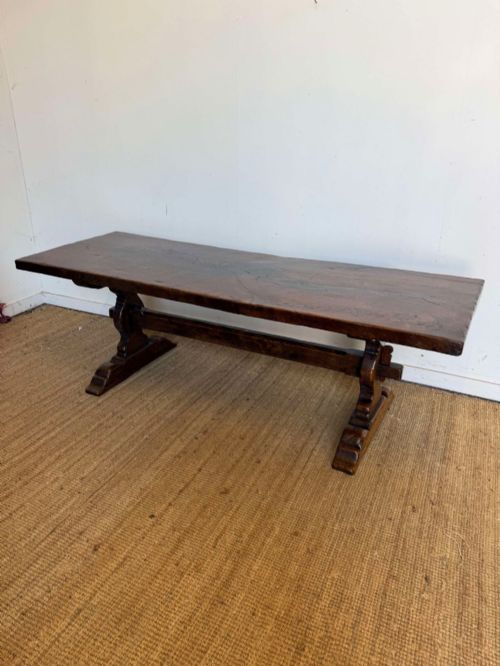
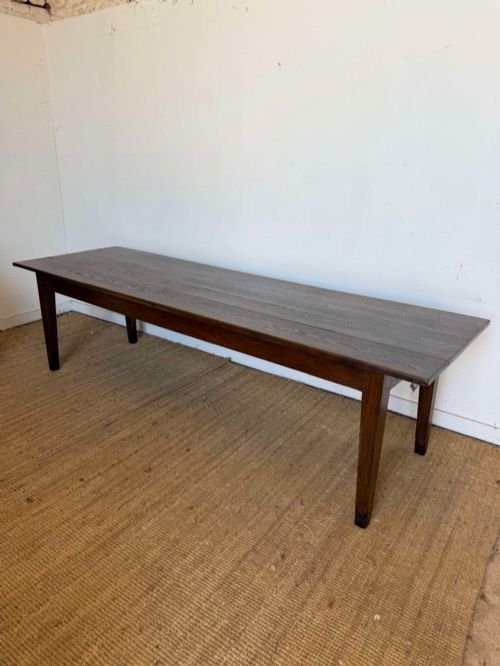
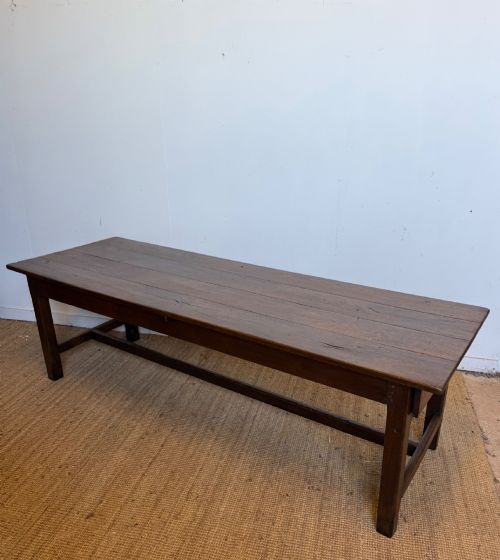
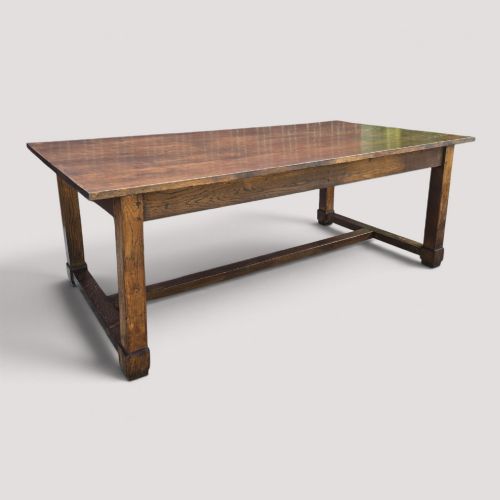
A dark oak farmhouse table grounds a room with heavy timbers and deep colour, offering a sturdy surface designed for daily communal dining.
Dark Oak Farmhouse Table
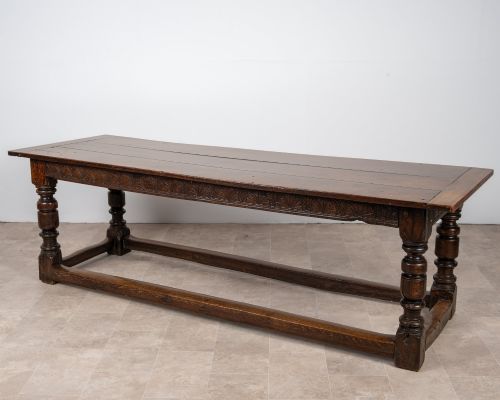
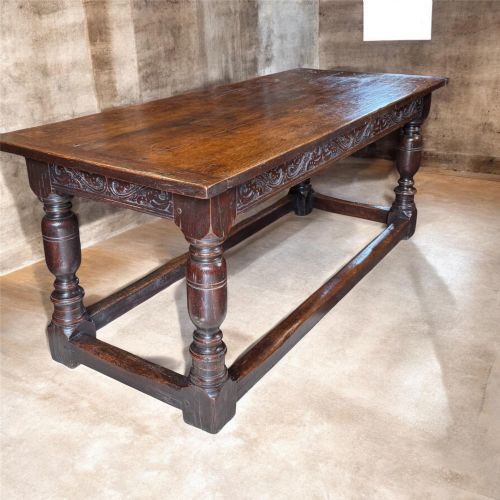
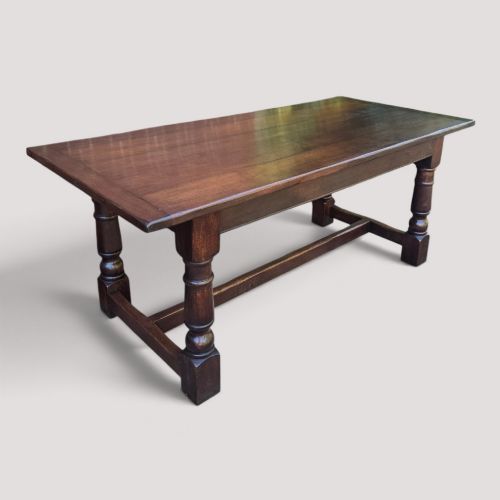
When you search for a dark oak farmhouse table, you encounter large, robust timber surfaces built for heavy daily use. These pieces span centuries of rural and domestic life, featuring substantial proportions designed to seat multiple people.
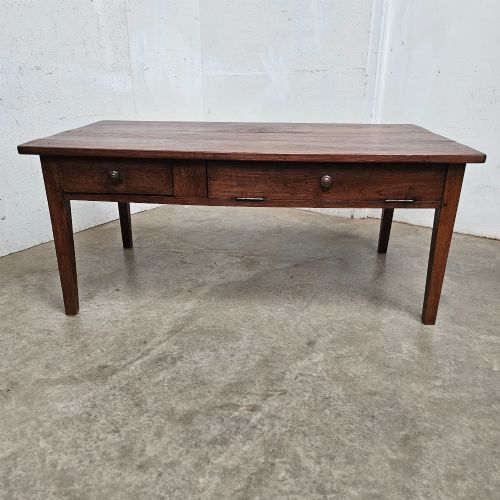
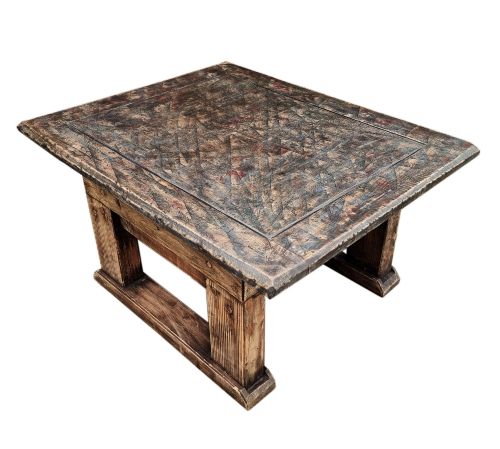
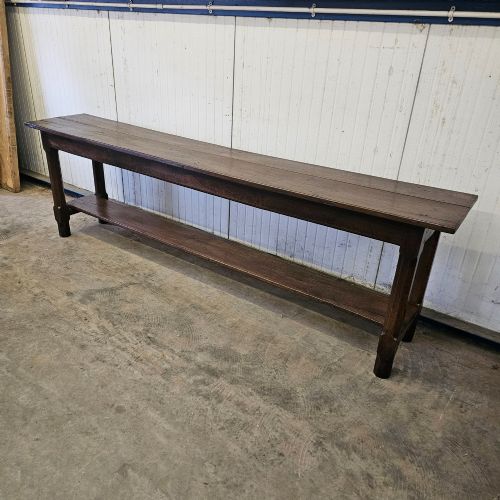
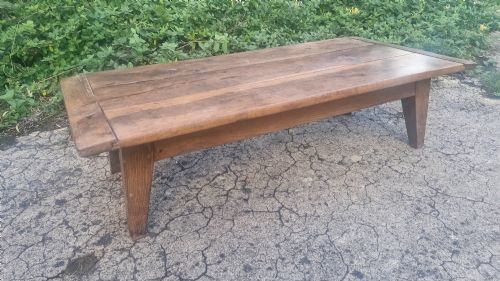
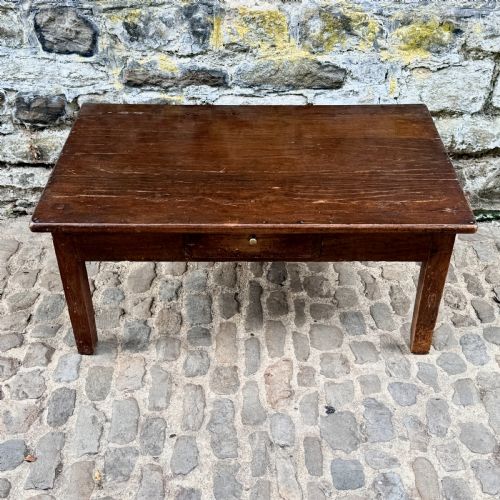
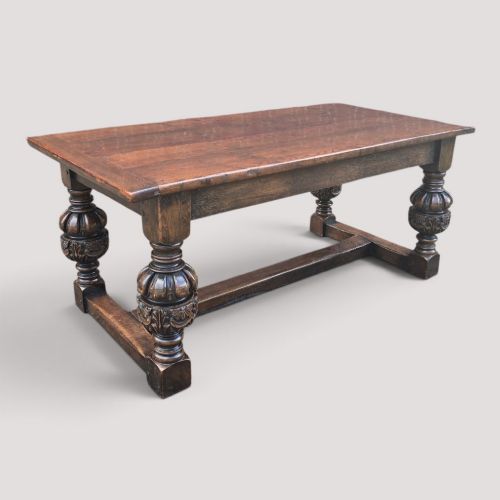
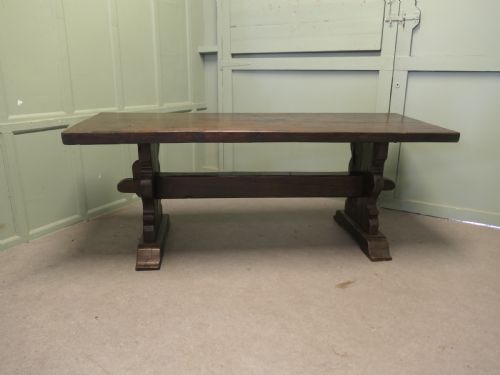
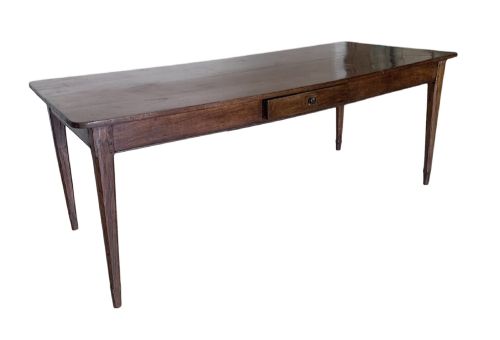
The selections here most frequently include dining tables and refectory formats originating from the seventeenth, eighteenth, and nineteenth centuries. Alongside standard dining variants, you will find kitchen tables, prep tables, and coffee tables constructed from deep-toned timber.
Geographic origins vary across these listings, showing English, Welsh, and French traditions. Many examples carry regional characteristics such as plank tops, stretchers, or built-in drawers.
What varies in quality
Quality rests primarily on the integrity of the timber and the depth of the patination built up over generations of use. Desirable pieces display thick, well-seasoned oak boards that have aged evenly without excessive structural compromise.
Proportion and authenticity of the period timber set finer examples apart from later revivals. Original construction details, such as pegged joints and substantial plank thickness, indicate higher craftsmanship.
Dark Oak Farmhouse Table Retail Price Guide 2026
Typical asking prices for dark oak farmhouse table among the pieces listed under this phrase on Sellingantiques today, from the lower quarter to the upper quarter. They describe what is for sale here now, not the wider market.
Listings feature oak alongside elm, pine, and chestnut, spanning eras from the seventeenth century through the 1930s.
The Dark Oak Farmhouse Table Glossary
- Refectory table
- A long, narrow dining table traditionally used in monasteries and large halls, built with substantial legs and a connecting stretcher. These forms form the backbone of early dining furniture.
- Plank top
- A table surface constructed from multiple side-by-side boards rather than a single sheet of wood. This traditional method allows wide timber surfaces to move naturally with humidity.
- H-stretcher
- A horizontal wooden brace shaped like the letter H that connects the legs of a table for extra stability. It provides a solid footrest while reinforcing the main frame.
- Patina
- The surface sheen and colour developed on wood through age, handling, and waxing over decades. This rich finish distinguishes old timber from modern staining.
- Cheese press table
- A specialised utilitarian table historically utilised in dairy production. These sturdy forms often feature mechanical elements or thick timber tops suited for heavy pressing tasks.
Dark Oak Farmhouse Table: Frequently Asked Questions
How do I clean a dark oak table?
Maintain the wood by wiping surfaces with a slightly damp cloth followed by a dry polish. Avoid harsh chemical cleaners that strip the historic finish.
Apply a traditional beeswax occasionally to nourish the timber and protect the grain from moisture. Regular buffing helps preserve the deep colour built up over generations.
Can I use a prep table for dining?
Prep tables and pastry tables function well for casual dining or kitchen seating. Their sturdy builds handle daily activity easily.
Check the clearance underneath to ensure comfortable leg room, as some utility tables feature lower drawers or structural stretchers that alter seating heights.
How do I date an oak table?
Examine the construction methods, tool marks, and hardware visible beneath the top and along the frame. Hand-cut peg joints and irregular board widths generally point to earlier centuries.
Compare the style and proportions against known periods like George III or Jacobean revivals. Wood shrinkage and wear patterns around the edges also offer clues to age.
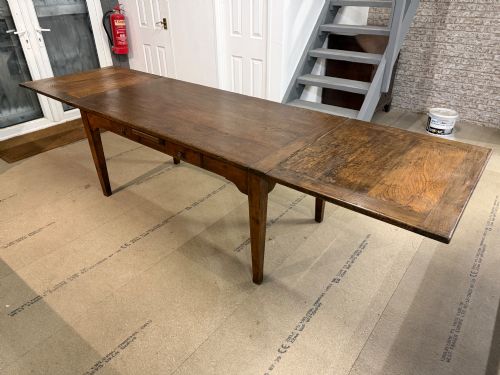
Are extending farmhouse tables common?
Extending mechanisms appear on several listings, ranging from traditional draw-leaves to modern mechanical pull-outs. These systems provide flexibility for accommodating larger gatherings.
Inspect the runners and slides to ensure smooth operation when expanding the timber leaves. Older extending versions rely on clever wooden tracks rather than metal rails.