
Dark Mahogany Storage Cabinet
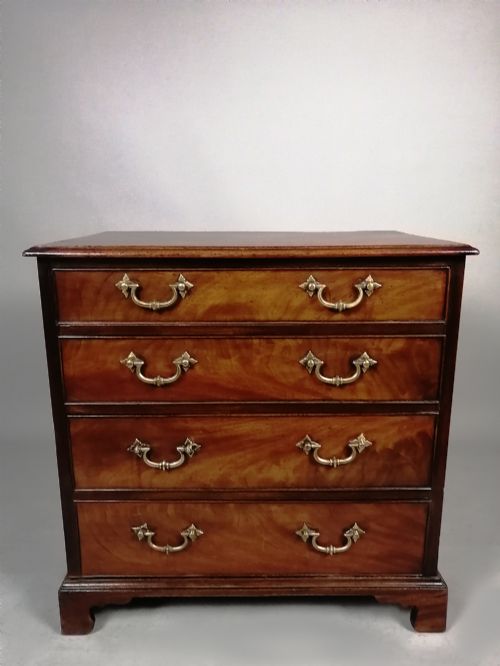
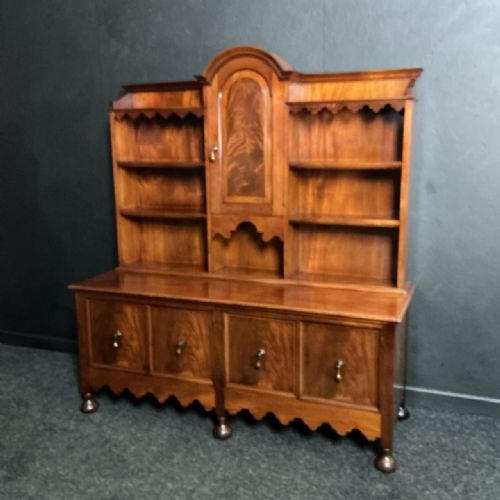
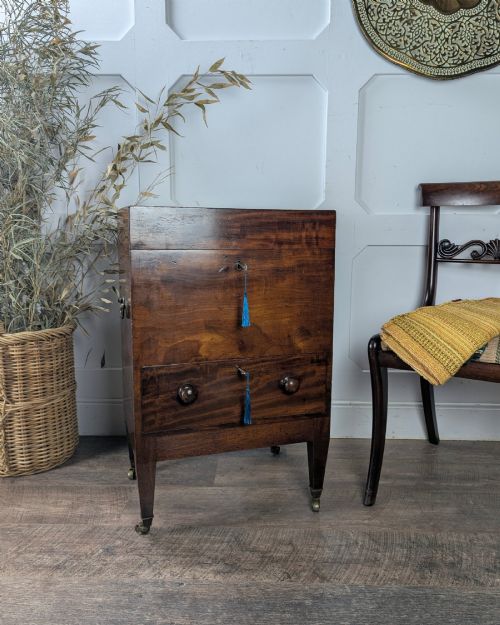
When you want a dark mahogany storage cabinet, you are looking at substantial timber pieces built to hold everything from linen to wine.
Dark Mahogany Storage Cabinet
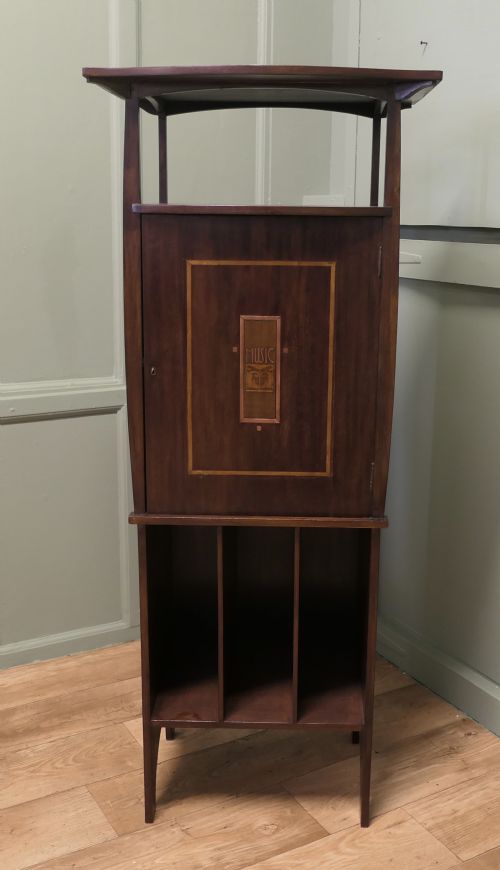
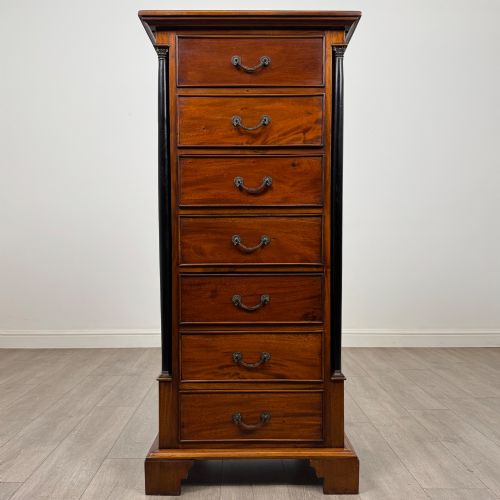
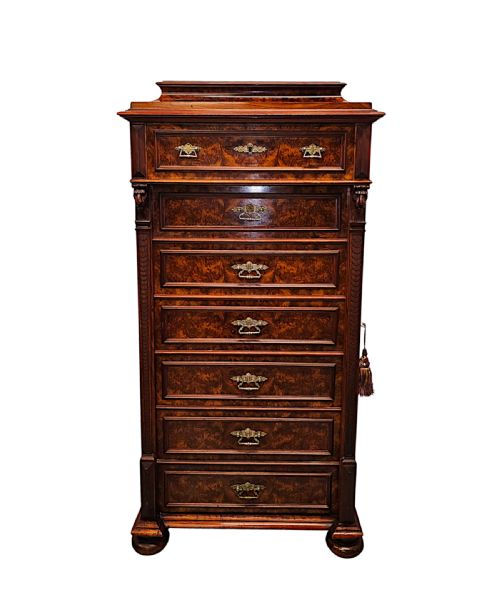
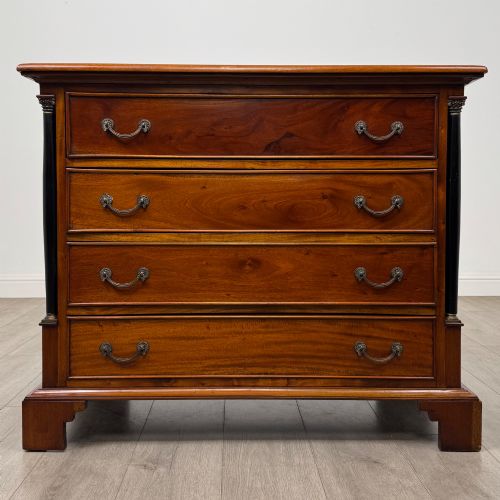
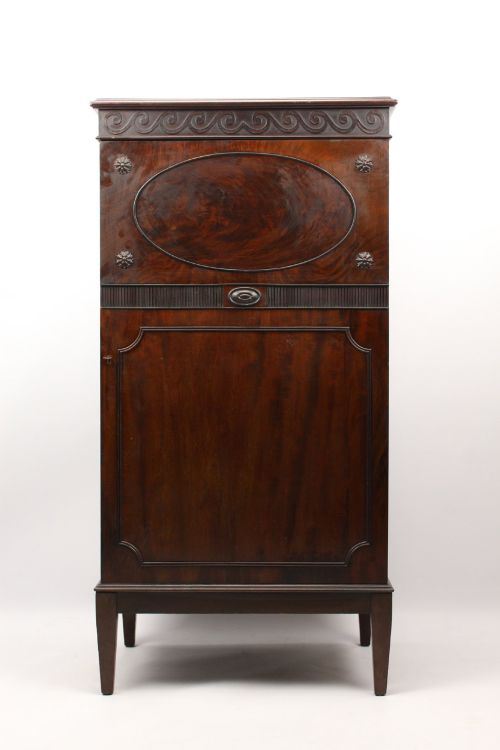
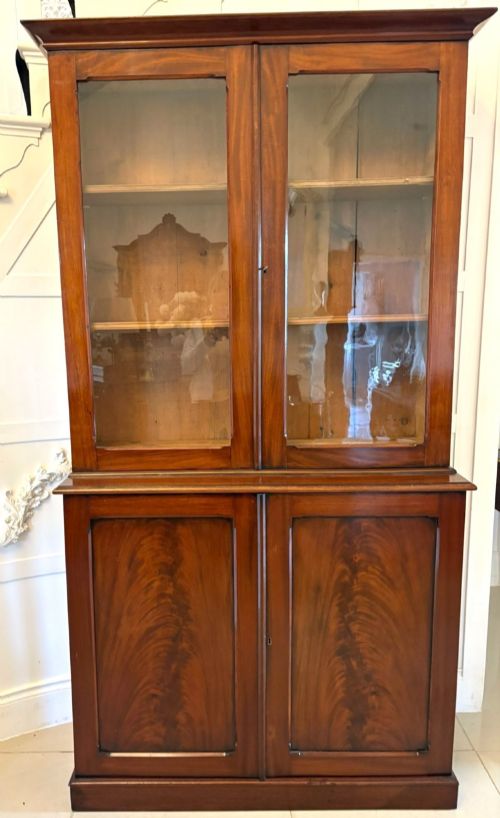
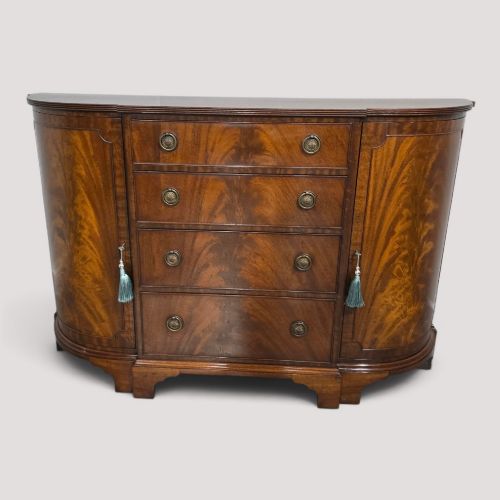
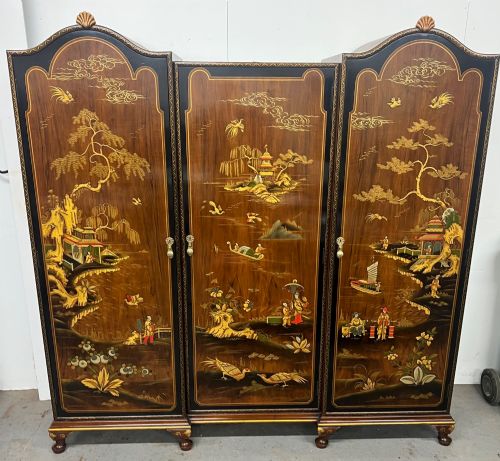
A dark mahogany storage cabinet encompasses a variety of utilitarian and display forms spanning from the Georgian and Regency eras through to the Edwardian period and the early twentieth century. Buyers encounter forms ranging from chests of drawers, linen presses and sideboards to music cabinets, bookcases and pedestal cupboards.
How they were made
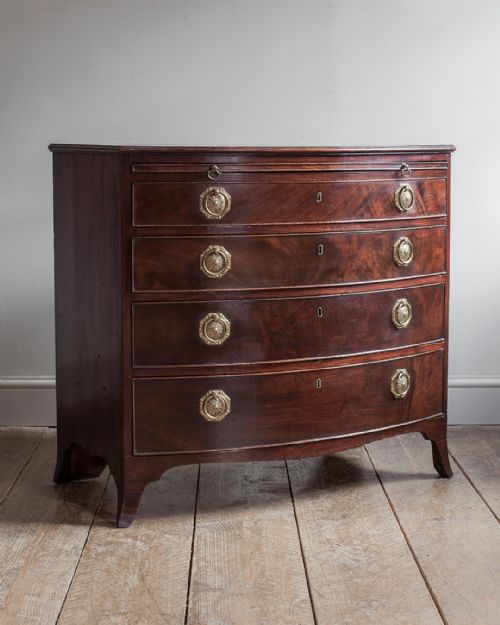
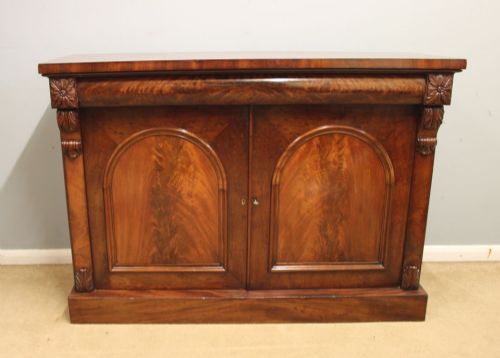
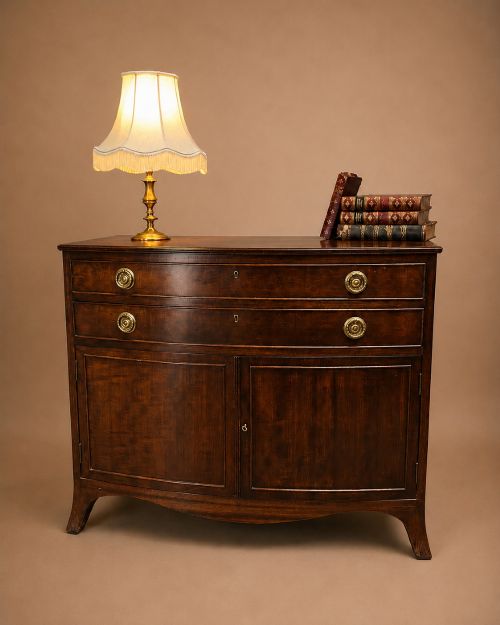
Cabinet makers utilised solid mahogany and flame mahogany veneers over secondary timbers like pine, shaping surfaces into bowfronts, serpentine profiles and straight elevations. Brass hardware, including original pulls and label holders, frequently complemented the dark timber construction.
Structural embellishments involved detailed craftsmanship such as blind fretwork cornices, glass door panels, inlaid lines and ebonised wood accents. Surfaces were finished to highlight the deep grain and rich colour inherent in the mahogany.
Listings feature mahogany, pine, brass, glass, and fabric across nineteenth-century and Edwardian forms.
What varies in quality
Quality rests in the selection of timber figures, particularly the depth and movement within flame mahogany veneers, alongside the crispness of carved details such as fretwork cornices. Superior examples display thoughtful proportions and harmonious integration of brass handles or glass panels.
Construction integrity also dictates standard, separating standard production items from pieces bearing maker attributions or specialised internal fittings like original shell pulls and label holders. The preservation of original surface finishes and secondary timbers further distinguishes finer cabinet work.
GM Elwood for JS Henry·Denby & Spinks·Maples & Co.
The Dark Mahogany Storage Cabinet Glossary
- Flame mahogany veneer
- A thin slice of mahogany timber cut from the point where branches join the trunk, displaying a distinctive flamed or feathered pattern. Makers applied this to drawer fronts and cabinet doors for decorative effect.
- Linen press
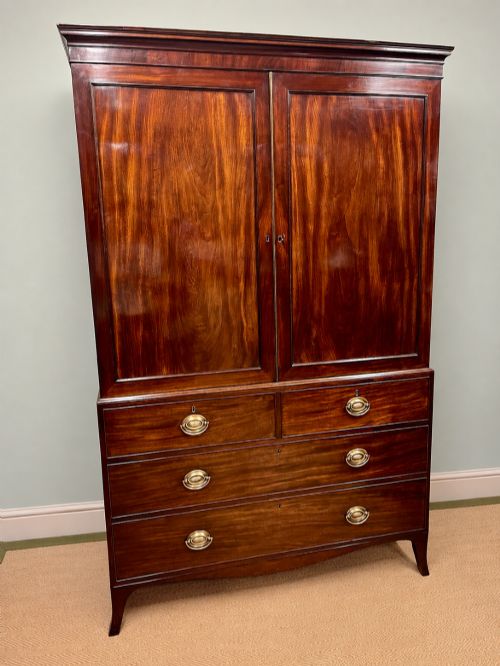
- A tall storage piece comprising upper cupboard doors enclosing sliding trays for textiles, positioned above a base of multiple drawers. These were essential items in period bedrooms.
- Bowfront
- A convex, curved front elevation popular on chests of drawers and sideboards during the Georgian and Regency periods. This shape softens the room and catches the light across the dark timber.
- Cellarette
- A fitted cabinet or box designed to hold wine bottles securely, often lined or partitioned internally. They sat on the floor, frequently beneath sideboards in dining rooms.
- Chiffonier
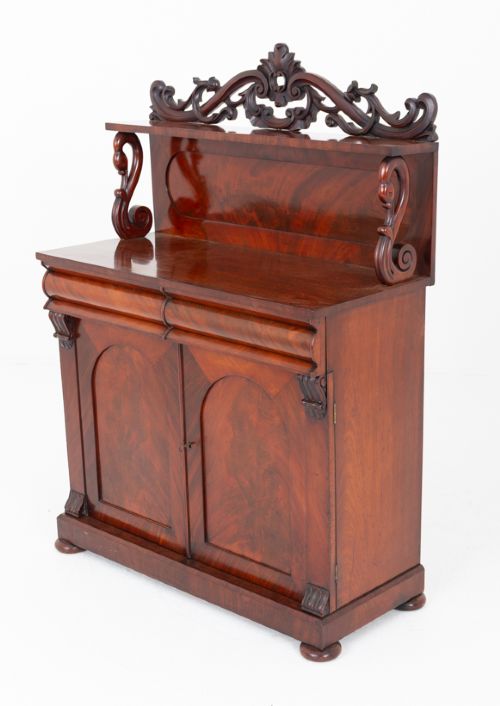
- A compact sideboard introduced in the Regency and Victorian eras, typically featuring a low cupboard base surmounted by a shelf or small superstructure. They provided convenient storage in sitting rooms and dining parlours.
Dark Mahogany Storage Cabinet: Frequently Asked Questions
What rooms suit a dark mahogany storage cabinet?
These cabinets suit dining rooms, libraries and hallways where dark timber anchors the interior scheme. Their internal configurations handle books, tableware and linens with ease.
Larger pieces like linen presses or sideboards require adequate wall space to sit comfortably without dominating the room. Smaller pedestal cupboards and music cabinets fit neatly into tighter corners or beside seating.
How do I identify a Georgian mahogany cabinet?
Georgian pieces display restrained classical proportions, solid mahogany construction, and often feature subtle architectural details like bracket feet or simple cornice mouldings. The timber tends to have a rich, deep patina developed over centuries.
Unlike later Victorian or Edwardian iterations, Georgian pieces rarely employ heavy machine-cut veneers, relying instead on hand-cut joinery and understated brass hardware.
How do I care for mahogany furniture?
Maintain mahogany surfaces by dusting regularly with a soft, dry cloth and avoiding direct sunlight that fades dark timber tones. Keep pieces away from direct heat sources to prevent the wood or veneer from splitting.
Occasional application of appropriate wax feeds the timber and preserves the natural lustre of the polished surface without building up greasy residue.
What is the difference between a chiffonier and a sideboard?
A chiffonier is typically smaller than a sideboard and often incorporates a raised shelf or mirrored back above an enclosed cupboard base. They originated as versatile serving pieces for smaller Victorian and Regency parlours.
Sideboards are generally larger, longer dining room pieces designed with a combination of central drawers and flanking cupboards for extensive tableware storage.