
Warm Brown Mahogany Cupboard
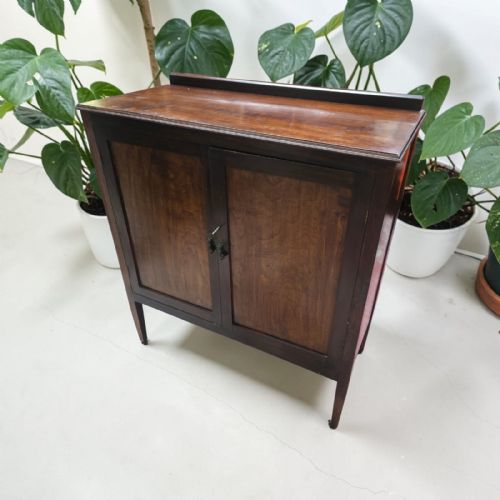
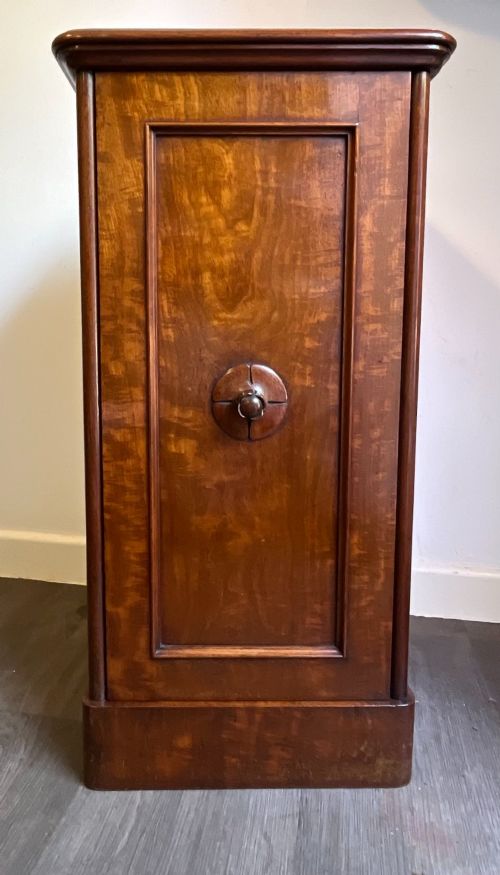
A warm brown mahogany cupboard brings deep timber tones and practical storage to a room, ranging from compact bedside units to large Victorian and Georgian storage forms.
Warm Brown Mahogany Cupboard
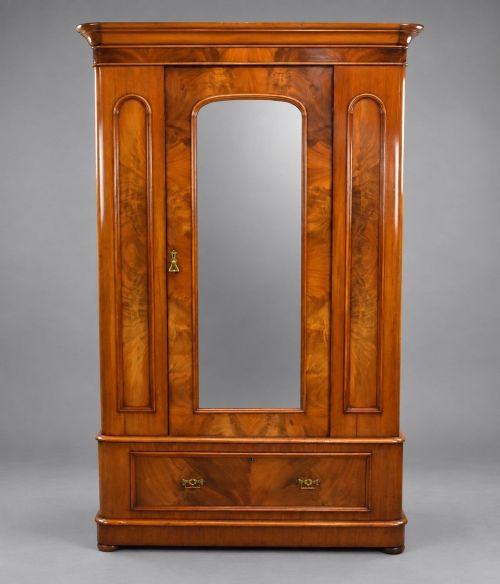
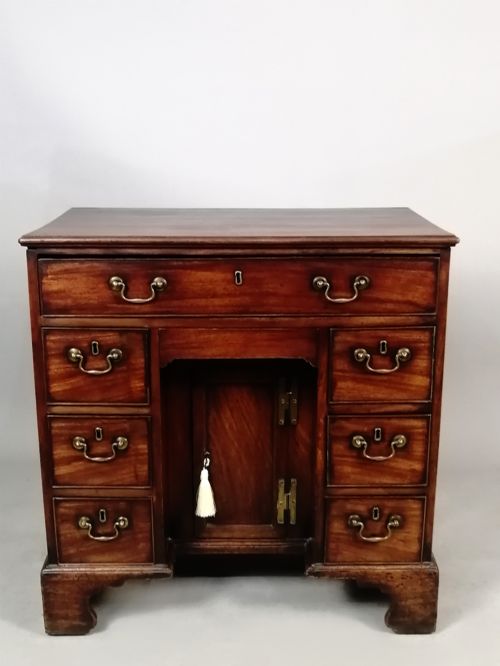
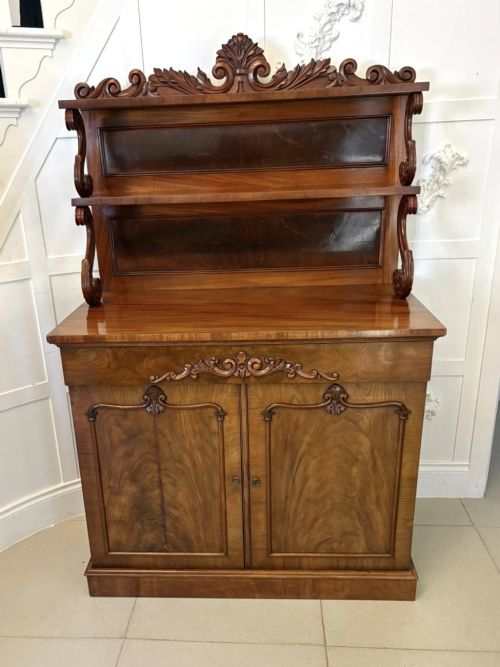
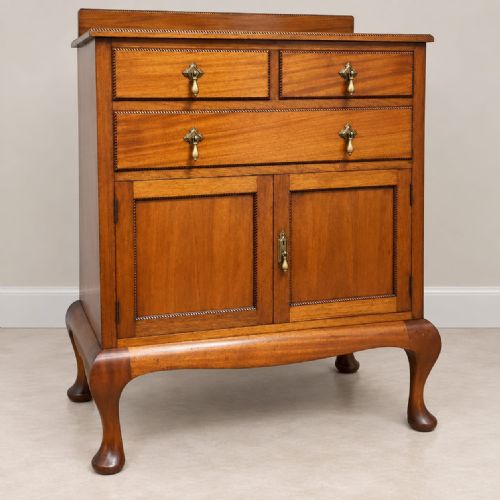
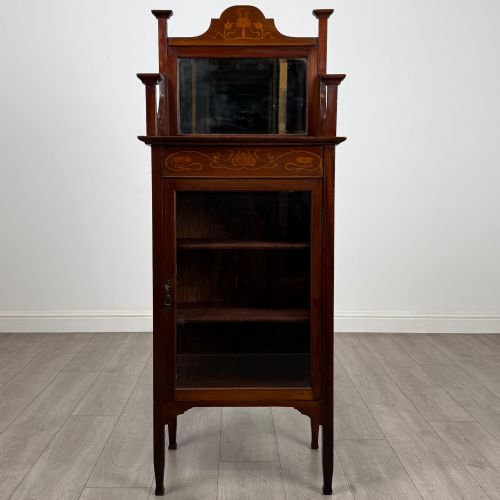
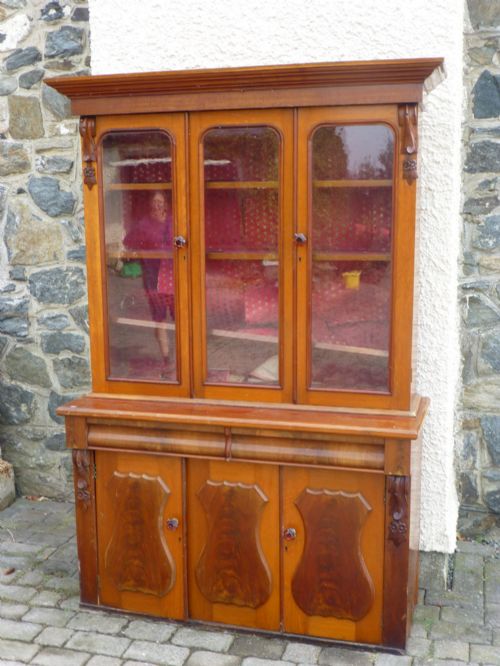
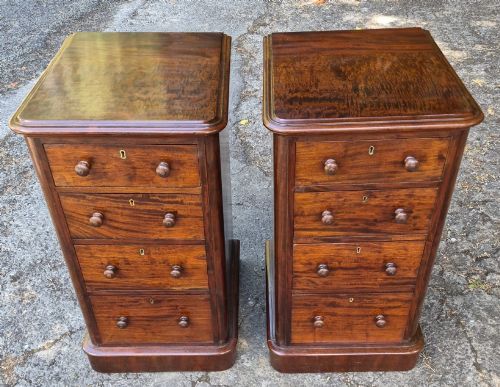
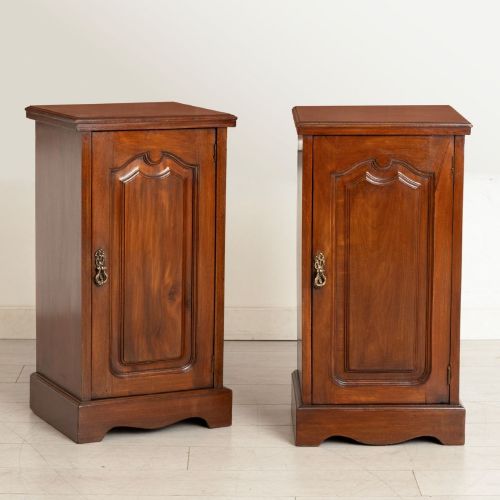
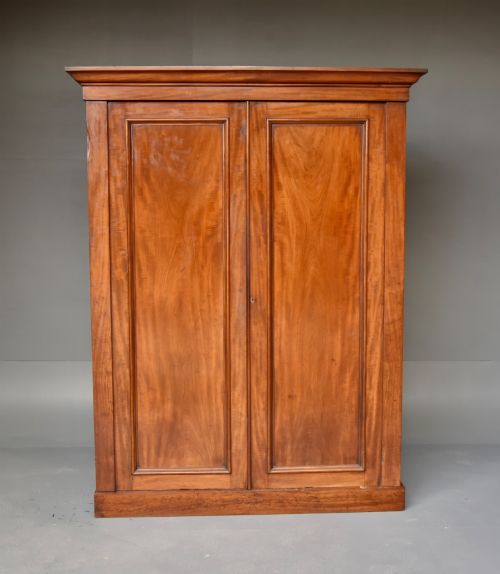
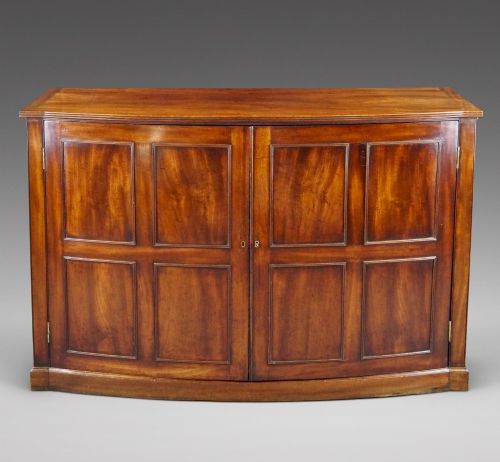
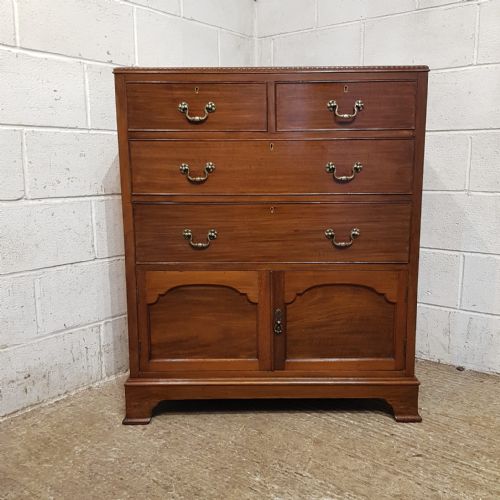
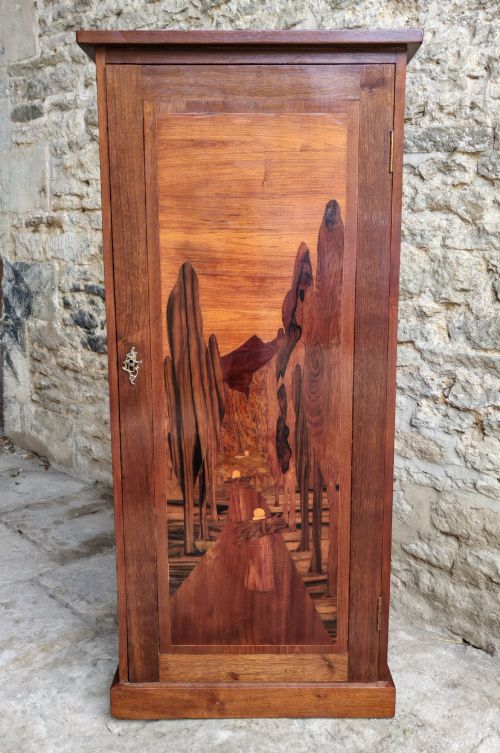
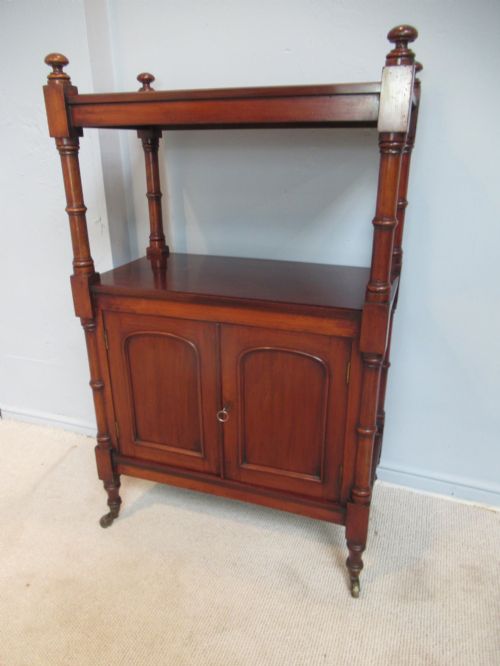
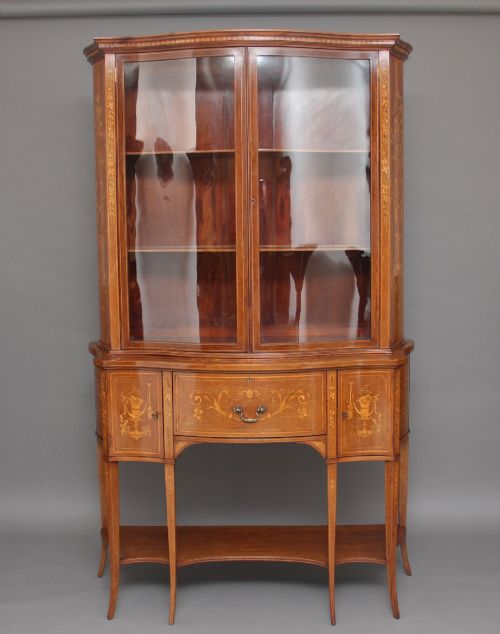
When you search for a warm brown mahogany cupboard, you encounter a wide selection of storage furniture built primarily in mahogany across the Georgian, Victorian, and Edwardian eras. These pieces span versatile forms including bedside cabinets, tallboys, linen presses, display cabinets, and sideboards.
The versions you meet most frequently on this page date from the Victorian and Edwardian periods, alongside earlier Georgian examples. They range from utilitarian bedside chests and corner cabinets to grand bookcases and compactum wardrobes.
Makers utilised rich timber grains, occasionally enhanced with satinwood inlay, brass hardware, and glass panels. The selection accommodates both formal reception rooms and intimate bedroom settings.
How They Were Made
Cabinet makers built these pieces using solid mahogany and flame mahogany veneers applied to secondary woods, often accentuating surfaces with contrasting satinwood stringing and inlay. Construction relied on traditional joinery techniques suited to each period, from Georgian cabinet-making standards to Edwardian production methods.
Fitted interiors frequently incorporated adjustable shelving, hanging spaces, or small drawers, paired with brass handles, hinges, and occasional glass doors or mirror plates. The application of French polish or wax finishes brought out the deep, warm tones characteristic of the timber.
Miniature apprentice pieces let master craftsmen practice complex joinery on a tiny scale.
What Varies in Quality
The standard of a warm brown mahogany cupboard depends heavily on the selection of timber figures, such as the richness of flame mahogany veneers and the crispness of any satinwood inlay. Superior pieces display thoughtful grain matching across drawer fronts and doors, whereas simpler examples rely on plain timber planks.
Construction details also separate workshop outputs, seen in the neatness of dovetail joints, the weight and quality of original brass mounts, and the integrity of internal fittings. Untouched drawer linings and well-hung doors indicate careful original manufacture.
Maple and Co·Epstein
The Warm Brown Mahogany Cupboard Glossary
- Flame mahogany
- A veneer cut from the fork of the mahogany tree where the branch meets the trunk, producing a distinctive flickering flame-like grain pattern. Cabinet makers reserved this striking timber for primary drawer fronts and door panels.
- Tallboy
- A tall chest of drawers standing upon another chest or a low stand, maximising vertical storage capacity. These pieces gained popularity during the Georgian and Edwardian periods.
- Compactum wardrobe
- A fitted multi-section wardrobe combining hanging space, shelving, and internal drawers within a single unified case. They provide comprehensive bedroom storage.
- Chiffonier
- A low sideboard fitted with enclosed cupboards below and often a raised tier or shelf above. These Victorian storage pieces suited smaller dining and reception rooms.
- Satinwood
- A pale, lustrous exotic timber used extensively for contrasting stringing and inlay work on later mahogany furniture. It creates sharp visual borders around darker door panels.
Warm Brown Mahogany Cupboard: Frequently Asked Questions
How were these cupboards used historically?
They served diverse domestic functions, ranging from bedside storage and linen organisation to displaying books and precious porcelain collections. Larger wardrobe and chiffonier forms anchored the bedroom and dining room.
Specialist pieces like linen presses and compactum wardrobes managed specific household textiles and garments before modern fitted closets became standard.
How do I care for mahogany furniture?
Maintain the timber by keeping the cupboard away from direct heat sources and strong sunlight, which can dry out the wood and fade the polish. Regular dusting with a soft, dry cloth preserves the surface.
Applying a traditional beeswax polish periodically helps nourish the mahogany and maintains the deep lustre of the warm brown finish.
How can I tell a Georgian piece from a Victorian one?
Georgian cupboards typically exhibit restrained architectural proportions, solid timber construction, and understated bracket feet or straight legs. Their joinery reflects eighteenth-century workshop traditions.
Victorian and Edwardian examples often feature heavier carcases, machine-sawn veneers, elaborate flame mahogany patterns, or contrasting satinwood inlay work.