




Dark Green Bronze Statue
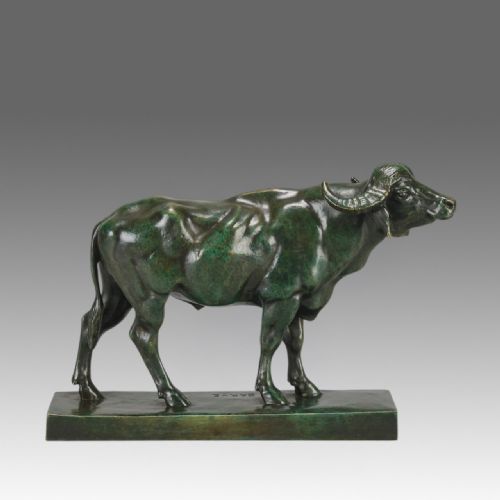
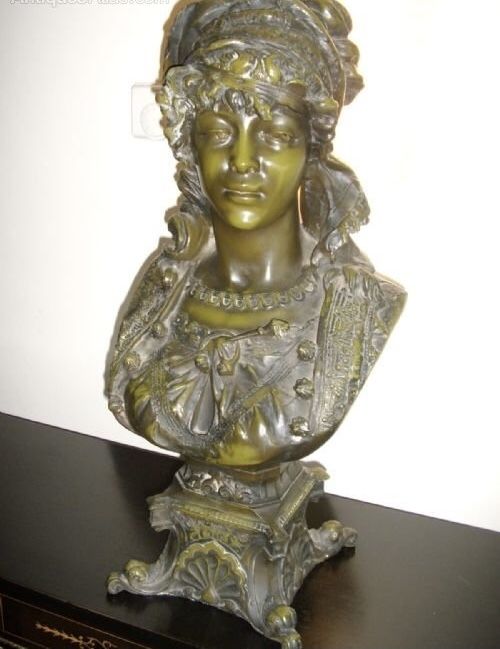
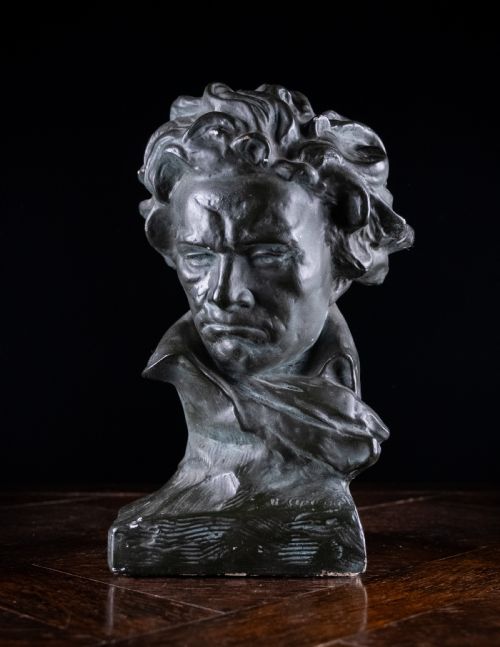
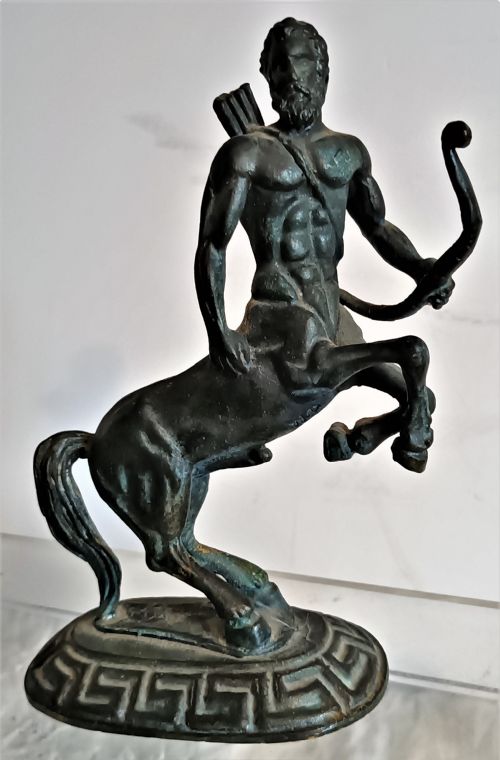
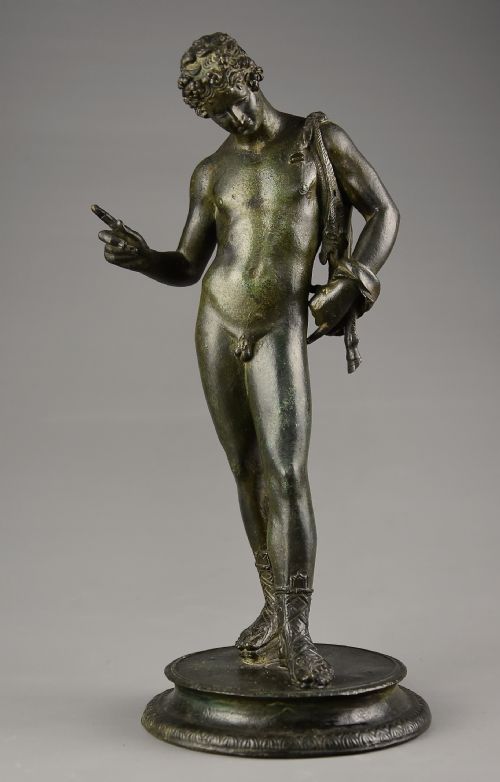
A dark green bronze statue brings the weight and depth of classical patination into a room, capturing movement and form in cast metal.
Dark Green Bronze Statue
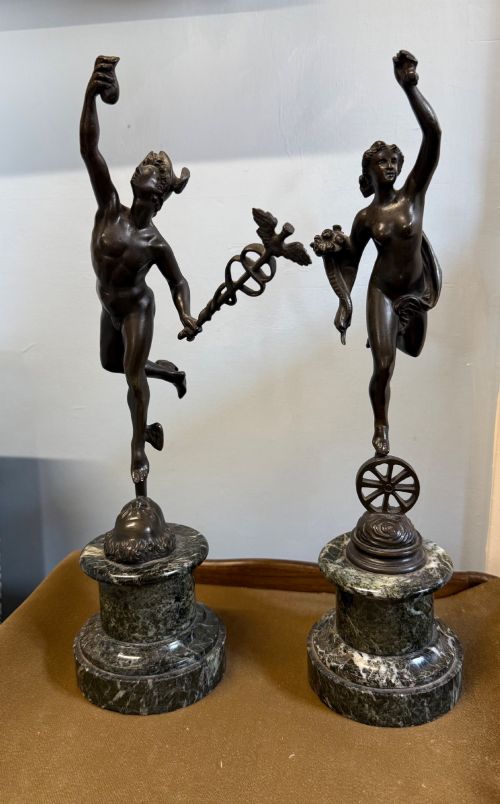
When you search for a dark green bronze statue, you encounter classical figures, animal studies, and mythological subjects cast during the nineteenth and early twentieth centuries. These works range from Grand Tour souvenirs of antique sculptures to French Animalier bronzes and Art Deco studies.
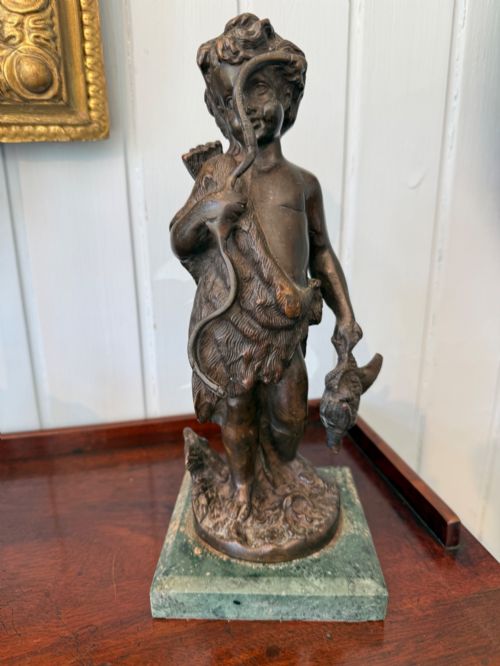
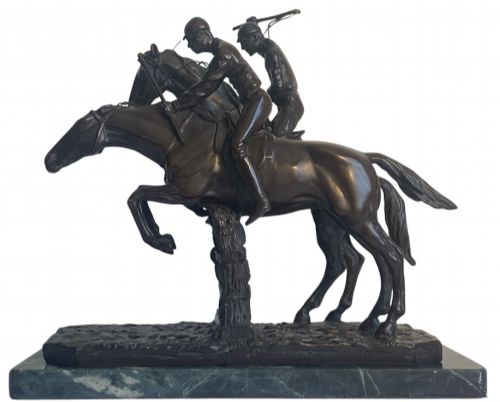
The pieces often sit upon marble or onyx bases, elevating the metalwork and providing a stable foundation. You will find figures varying in scale from cabinet ornaments to substantial tabletop sculptures.
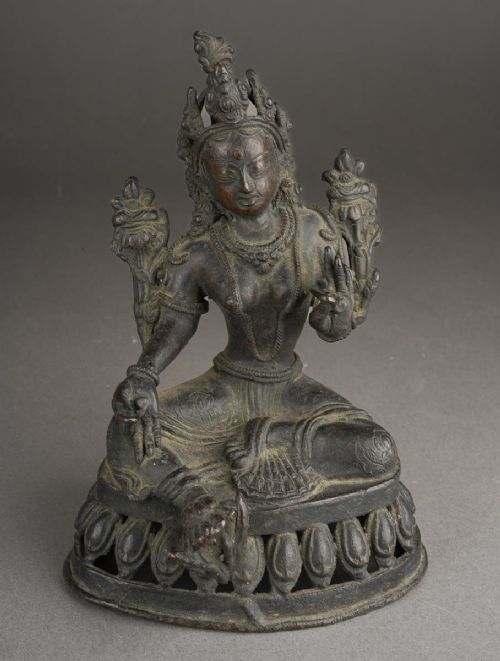
Origins stretch from European foundries in France and Italy to Japanese garden okimono and Himalayan shrine pieces. The common thread is the cast metal medium finished with dark green patination or tones that echo age.
Materials and casting techniques
Foundries utilised the lost-wax casting method or sand casting to achieve intricate detail in the metal. The resulting bronze forms were then hand-finished, chased, and treated with chemical patination to produce deep green and brown surfaces.
Many sculptures incorporate complementary mineral elements such as green marble, white marble, or onyx pedestals. Cold-painted variants add pigments directly onto the metal surface for added colour and realism.
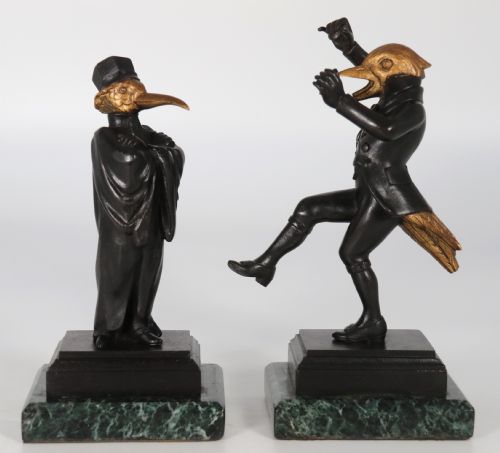
Among the figures cast in metal, theatrical birds and an Oni demon stand ready to surprise the visitor.
Factors of distinction
The crispness of the chase work and the subtlety of the green patination determine the visual power of a casting. Superior pieces retain sharp muscle definition, fine drapery folds, and textures that do not look smoothed over by subsequent polishing.
The quality of the mount matters greatly, particularly how cleanly the bronze anchors to its marble or onyx base. Signatures of known founders or modellers add documentary weight to the physical execution.
Antoine L Barye·Franz Bergman·Bruno Zach·Mario Korbel
The Dark Green Bronze Statue Glossary
- Patination
- The chemical coloration or natural oxidation on the surface of the metal. It deepens the visual texture of a bronze.
- Animalier
- A nineteenth-century artistic movement focused on the realistic portrayal of animals. These sculptures capture beasts in motion or repose.
- Grand Tour
- Souvenirs purchased by travellers in Italy during the eighteenth and nineteenth centuries. They reproduce classical antiquities in miniature bronze.
- Okimono
- A Japanese decorative statue designed for display on a shelf or altar. These figures often depict historical or mythological subjects.
- Cold-painted
- A technique where paint is applied to an unheated bronze object. It creates vibrant surface decoration that requires careful handling.
Dark Green Bronze Statue: Frequently Asked Questions
What is a dark green bronze statue?
A dark green bronze statue is a metal sculpture treated with a chemical patina to create deep green surface tones. These pieces span classical, animalier, and decorative subjects from the nineteenth and early twentieth centuries.
They serve as decorative centerpieces or cabinet ornaments, often mounted on stone bases to showcase the cast metal form.
How do I clean patinated bronze?
Dust the surface gently with a dry, soft cloth to prevent particulate buildup. Avoid water, harsh solvents, or abrasive cleaners which strip the original patina.
Applying a light microcrystalline wax can protect the metal finish from moisture in the air.
What periods do these sculptures date from?
The pieces on this page primarily date from the nineteenth and early twentieth centuries. This timeframe includes Victorian output, Grand Tour revivals, and Art Deco creations.
Earlier examples from the sixteenth and seventeenth centuries also appear, representing Asian temple art and Buddhist traditions.
Why are some mounted on marble?
Foundries paired bronze figures with marble or onyx bases to add architectural weight and visual contrast. The stone provides a solid, level footing for the sculpture.
This presentation was particularly common for Grand Tour souvenirs and French salon bronzes.