


Dark Brown Writing Table
A dark brown writing table offers a sturdy surface for correspondence, appearing in periods from the seventeenth century through the twentieth.

Dark Brown Writing Table
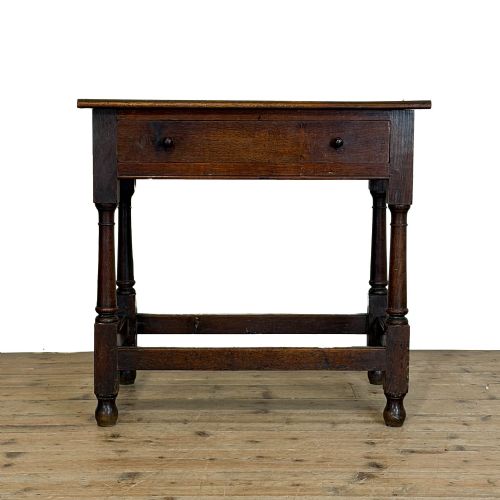
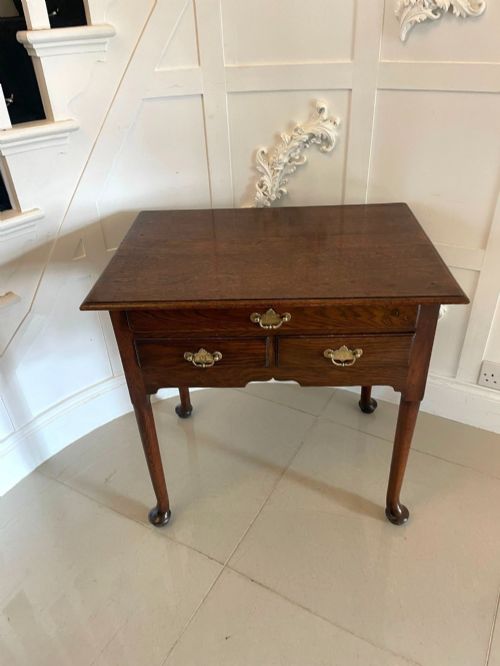
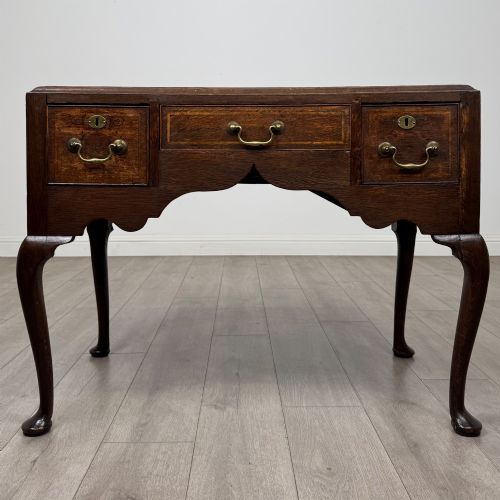
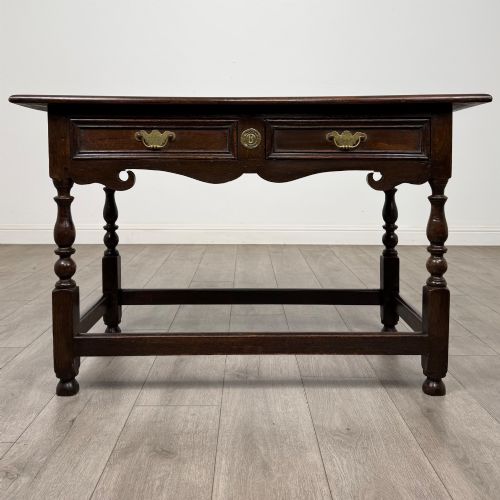
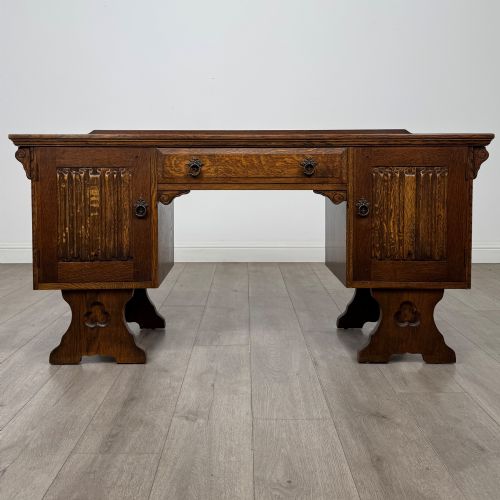
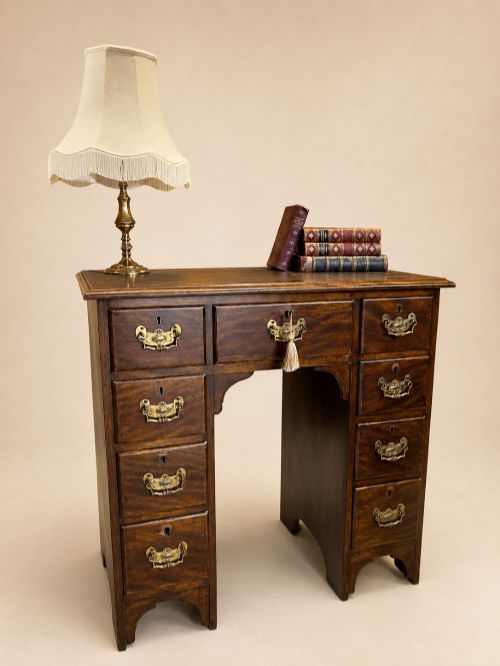
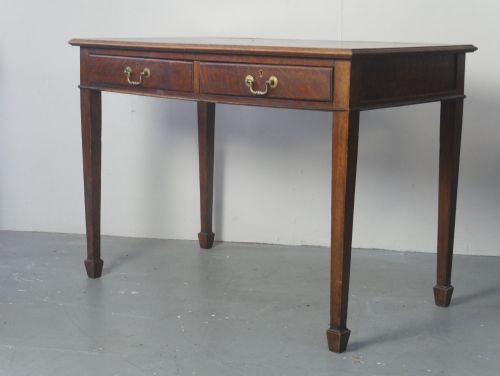
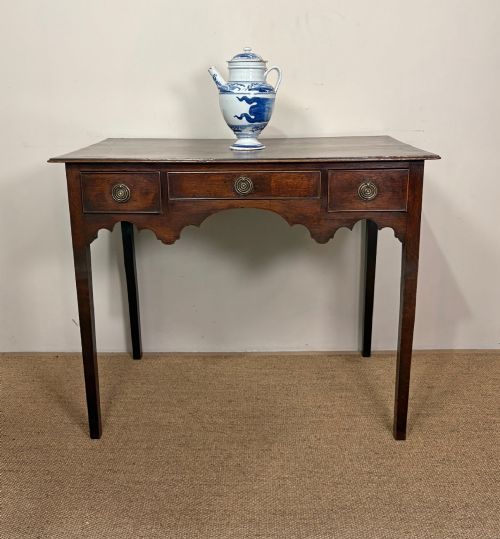
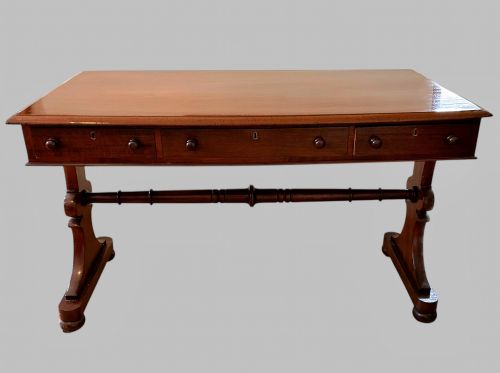
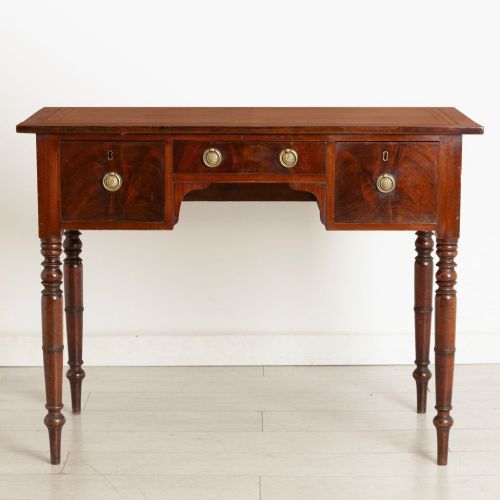
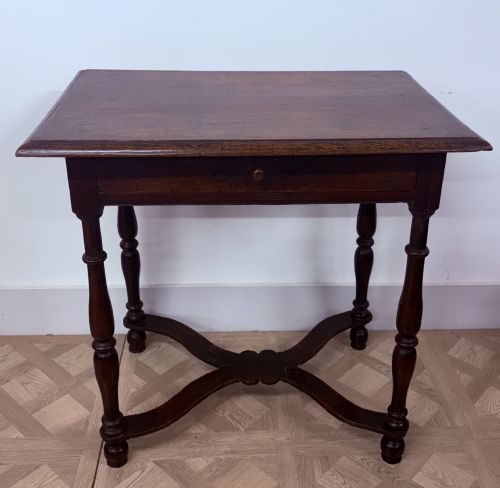
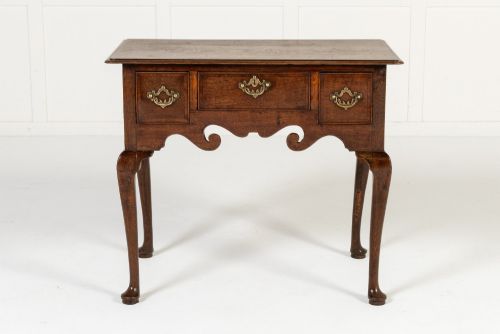
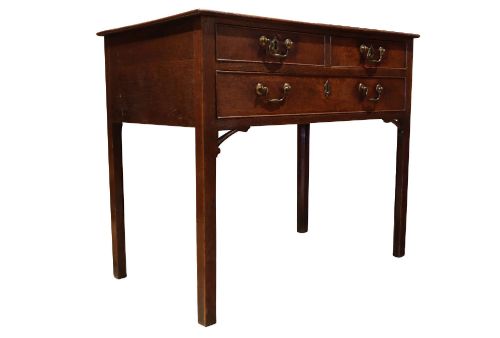
When searching for a dark brown writing table, buyers encounter a variety of forms including lowboys, pedestal desks, kneehole desks, and side tables. These pieces span multiple eras, notably the Georgian, Victorian, and Edwardian periods, constructed in rich, dark timbers.
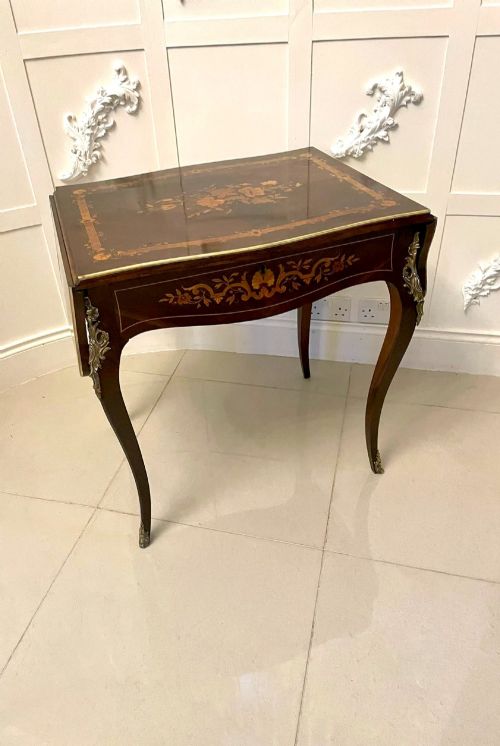
The selection ranges from simple eighteenth century oak lowboys to elaborate nineteenth century mahogany library tables and French rosewood freestanding pieces. Each variation serves the fundamental purpose of providing a dedicated writing surface while displaying the distinctive grain of its chosen wood.
Materials and construction methods
Cabinet makers utilised dense hardwoods such as oak, mahogany, walnut, and rosewood to construct these tables, occasionally employing pine and fruitwood for secondary components. Brass hardware, including handles and key escutcheons, frequently complements the timber framework.
Surfaces often feature inset leather writing panels, while decorative touches like marquetry inlay appear on French examples. Joinery techniques vary from early hand-cut dovetails in drawer construction to carved linenfold panelling on later Edwardian iterations.
A Swedish painted table with box stretchers waits quietly among the dark timbers, bringing a breath of northern light to the room.
Assessing craftsmanship and condition
The hierarchy of quality rests upon the selection of timber and the precision of the cabinet maker's joinery. Superior examples display carefully matched wood veneers or solid planks with rich, unblemished natural patination.
Original furniture fittings, such as period brass handles and intact leather inserts, elevate a piece above those altered or restored with modern replacements. Structural integrity in the drawers and legs separates utilitarian workshop pieces from finer regional or metropolitan commissions.
Trollope and sons·Hobbs and Co
The Dark Brown Writing Table Glossary
- Lowboy
- A small table with drawers, typically raised on four legs, originating in the late seventeenth century and frequently utilised as a dressing or writing surface.
- Kneehole desk
- A freestanding desk featuring a central recess for the user's legs, flanked by pedestals containing multiple small drawers.
- Marquetry
- Decorative inlay work using various coloured wood veneers to create geometric or pictorial patterns on the surface of a table.
- Draw leaf table
- A table equipped with pull-out leaves stored beneath the main top, allowing the surface area to expand when required.
- Partners desk
- A large pedestal desk designed with drawers and cupboards on both sides, allowing two people to work opposite one another.
Dark Brown Writing Table: Frequently Asked Questions
What is a lowboy table used for?
A lowboy serves as a compact table equipped with drawers, historically placed in bedchambers or parlours for personal correspondence and grooming.
Its modest proportions allow it to function effectively as a small writing desk in modern interior spaces.
How do I date an antique wooden desk?
Dating relies on observing construction methods, timber choices, and hardware styles characteristic of periods like the Georgian or Victorian eras.
Hand-cut dovetails, native oak or mahogany usage, and secondary woods provide physical clues to the approximate decade of manufacture.
Are leather writing surfaces original?
Many nineteenth and twentieth century desks retain their original leather inserts, often edged with decorative gold tooling.
Replacement leather is common due to centuries of wear, though well-preserved examples maintain their historic patination.
What distinguishes a library table from a desk?
Library tables were traditionally designed as freestanding pieces intended for the centre of a room rather than pushed against a wall.
They frequently feature finished backs and larger proportions suitable for spreading out volumes and manuscripts.