

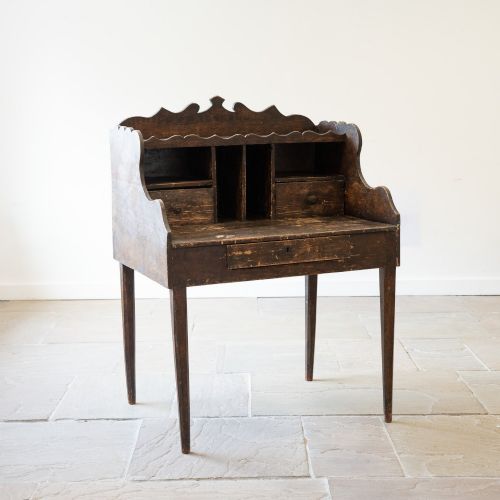
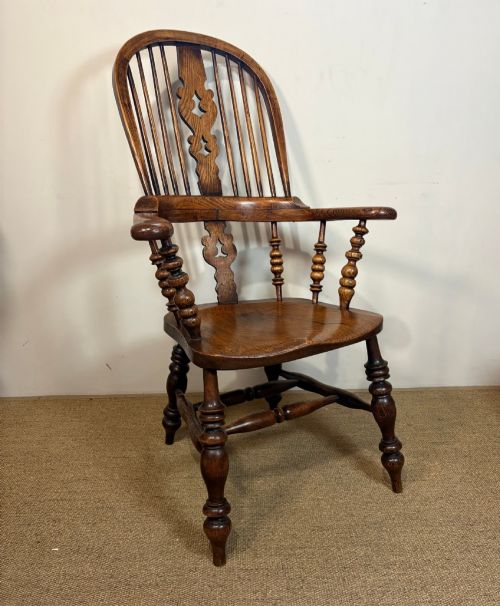
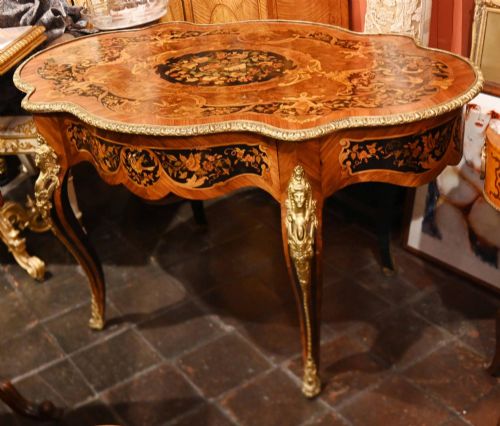
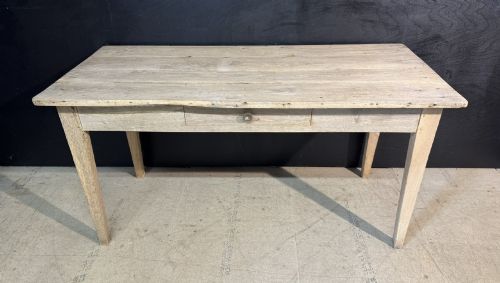
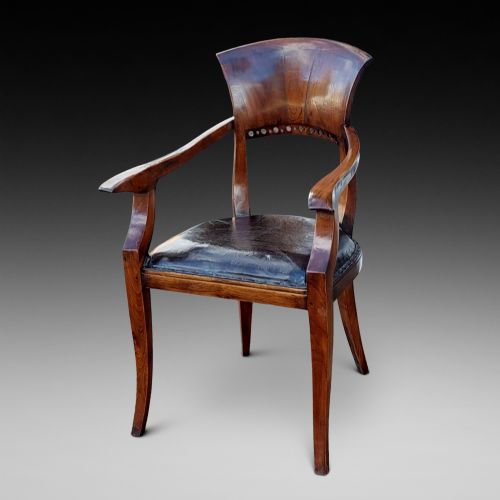
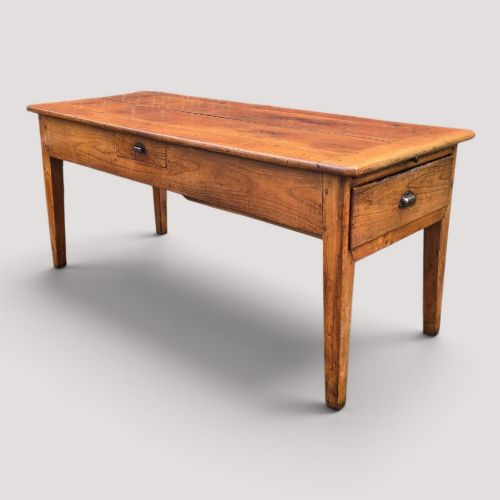
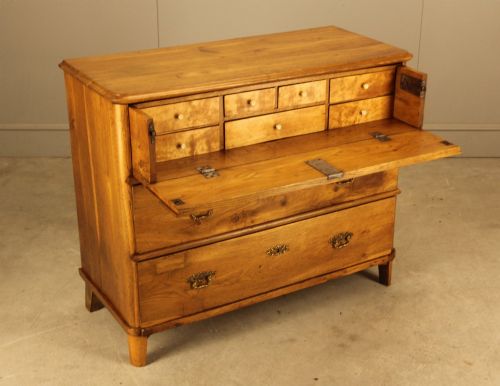
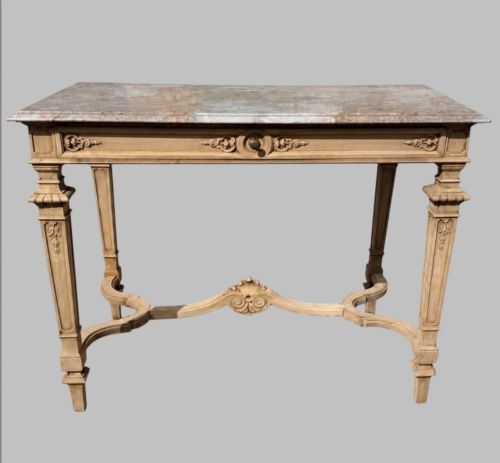
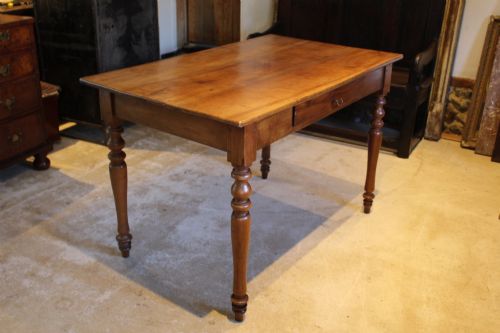
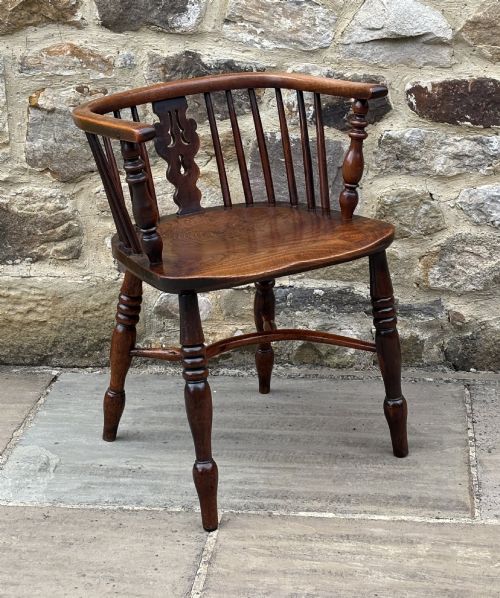
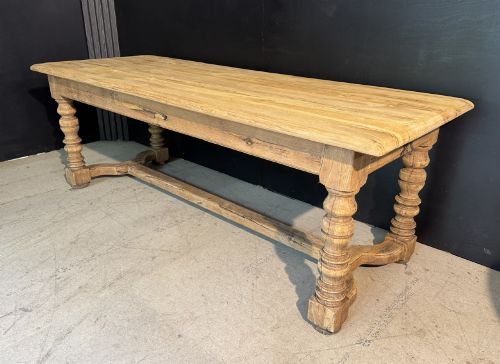
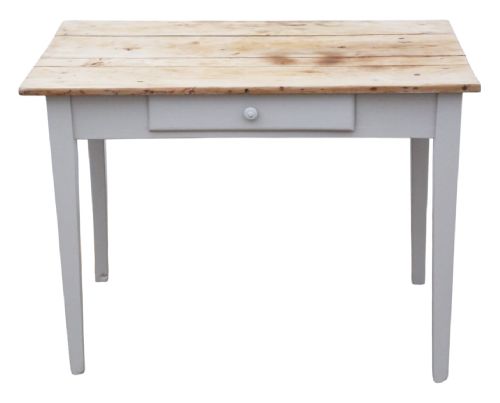


19th Century Provincial Desk
A 19th century provincial desk brings rustic utility and regional character into a modern interior.
19th Century Provincial Desk
When you search for a 19th century provincial desk, you encounter pieces originating from regional workshops rather than metropolitan centres. These working surfaces display the practical requirements of provincial life, often taking forms such as writing desks, secretaires, or specialised workshop tables.
The pieces on this page lean heavily towards French, English, and Swedish country origins, reflecting local tastes of the period. Alongside dedicated writing furniture, you will find occasional writing desks, watch makers tables, and drapers tables adapted for domestic study use.
Construction spans various decades of the nineteenth century, utilising regional timbers that were readily available to local cabinet makers. The aesthetic prioritises straightforward utility over excessive ornamentation, though certain examples incorporate marquetry inlay or ormolu mounts.
Materials and construction methods
Makers relied on locally sourced hardwoods and softwoods, predominantly employing cherry wood, oak, fruitwood, elm, and pine. These timbers were selected for their durability and grain, often finished simply to highlight the natural appearance of the wood.
Joinery techniques matched the provincial origin, prioritizing functional strength over intricate cabinet-making displays. Drawer construction, trestle supports, and pegged joints demonstrate traditional workshop practices suited to daily use in country houses and rural properties.
19th Century Provincial Desk Retail Price Guide 2026
Typical asking prices for 19th century provincial desk among the pieces listed under this phrase on Sellingantiques today, from the lower quarter to the upper quarter. They describe what is for sale here now, not the wider market.
Periods represented span from the early nineteenth century through to the 1920s, encompassing French, Swedish, and English origins.
Judgements of quality in regional furniture
Quality rests upon the selection of timber and the integrity of the original construction rather than elaborate decoration. Superior examples display dense, well-figured fruitwood or oak with minimal replacement timber, while lesser pieces rely on softer woods or extensive later repairs.
Proportion and the handling of regional details separate standard utility tables from finer bespoke commissions. The crispness of carved elements, the retention of original brass hardware, and the harmony of the timber's patina dictate the standing of an individual piece.
The 19th Century Provincial Desk Glossary
- Provincial
- Originating from regional areas outside the capital city, typically displaying local styles and native timbers. These pieces reflect the distinct domestic traditions of specific countryside locations.
- Secretaire
- A cabinet or desk featuring a fold-down writing flap that conceals a collection of small drawers and pigeonholes. It provides a concealed workspace for correspondence and record keeping.
- Marquetry
- The art of applying decorative pieces of veneer to a structure to form intricate patterns or pictures. This technique appears on select refined writing tables from the period.
- Ormolu
- Gilded bronze mounts applied to furniture for decorative effect. They are found on more polished revival styles rather than basic utilitarian pieces.
- Trestle table
- A table consisting of horizontal beams supported by two pairs of sloping legs. This sturdy form underpins many regional work and dining surfaces.
19th Century Provincial Desk: Frequently Asked Questions
What defines a provincial desk?
A provincial desk is a working surface made outside major metropolitan centres during the nineteenth century. These items use regional timbers and prioritize practical utility over formal court styles.
They offer insight into local cabinet-making traditions across different European regions. Each piece reflects the specific domestic needs of its original provincial setting.
Which woods were used?
Makers utilised whatever regional timbers were accessible in their immediate locality. Common choices include cherry wood, oak, fruitwood, elm, and pine.
Softer woods like pine often received a painted finish, while hardwoods were polished to display the natural grain. This reliance on local materials gives each piece its distinctive regional appearance.
How do I use one today?
These desks integrate easily into modern studies, living rooms, or bedrooms as dedicated writing stations. Their modest scale and honest construction complement both contemporary and traditional interiors.
Ensure the working height suits your seating arrangements for comfortable daily use. Using a protective pad preserves the historical surface from ink or moisture marks.
How do I spot a secretaire?
A secretaire incorporates a hinged writing flap that drops down to reveal internal compartments and small drawers. This design allows correspondence materials to be hidden away when not in use.
Closed, the piece resembles a standard cabinet or chest of drawers. Open, it transforms into a fully functional writing desk with fitted stationary storage.