

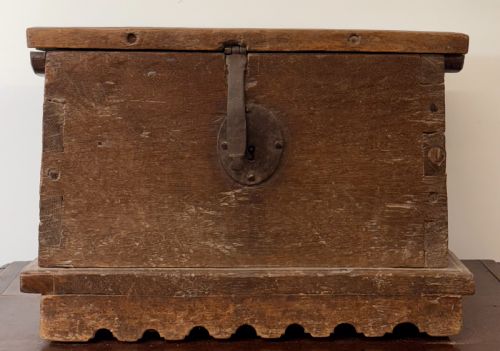
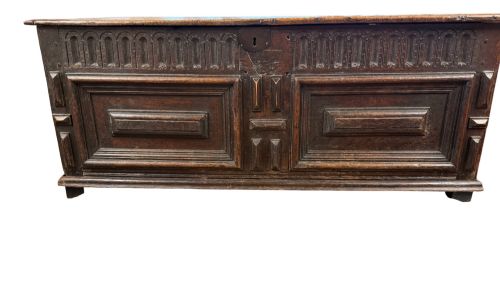
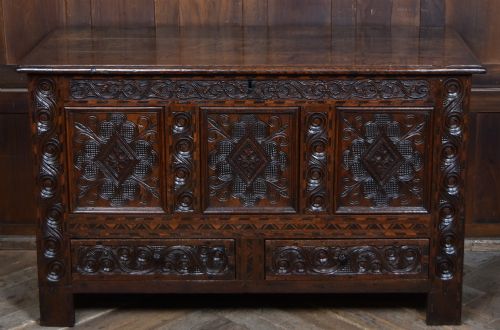
Dark Brown Wooden Coffer
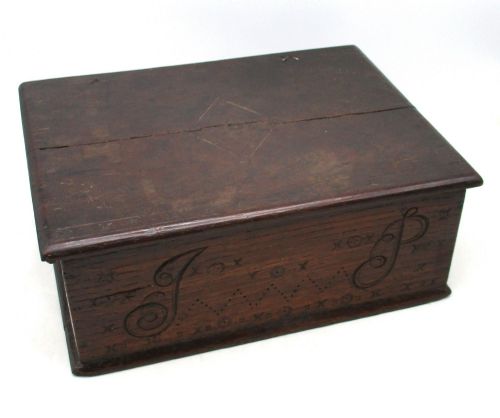
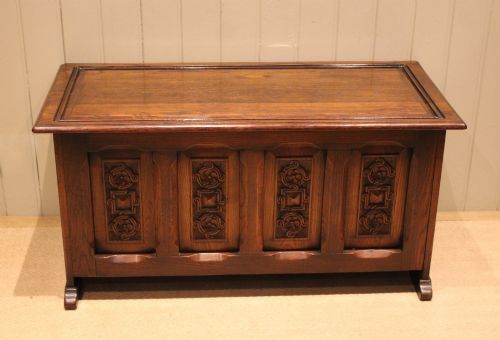
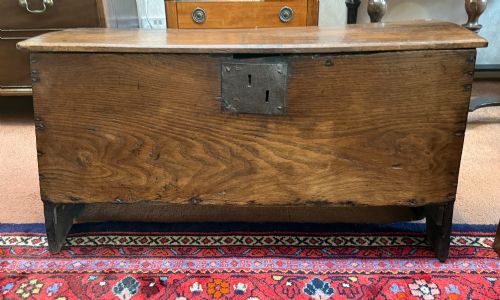
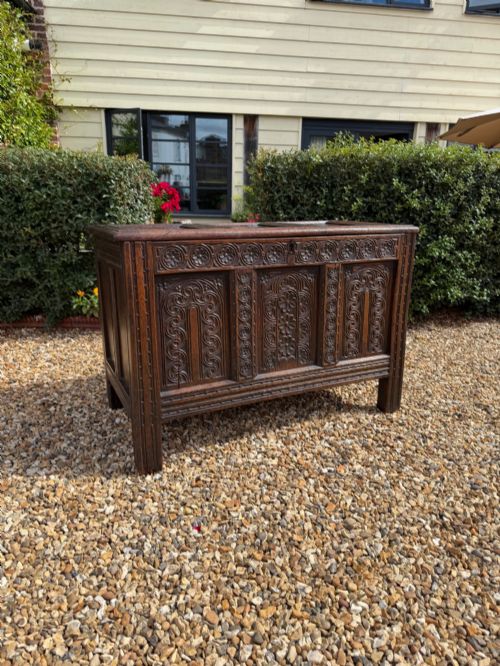
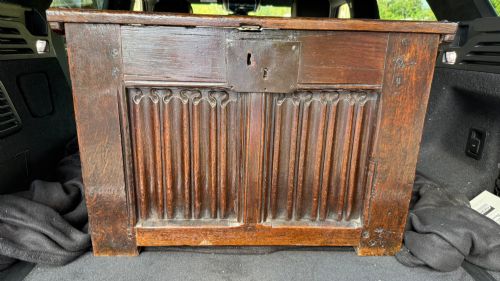
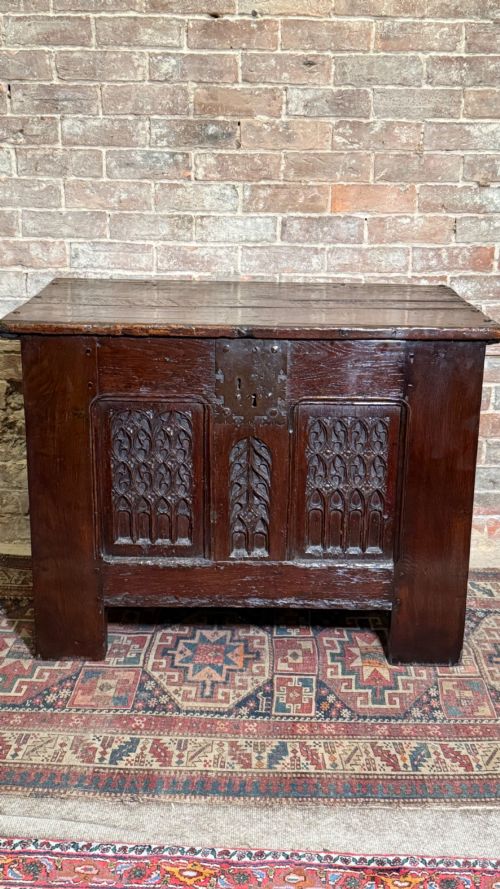
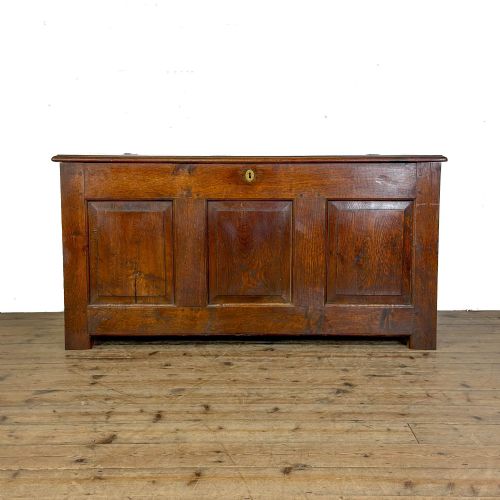
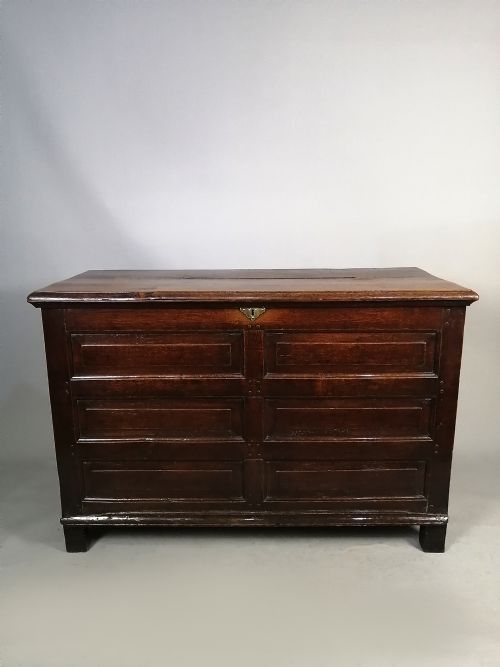
A dark brown wooden coffer holds generations of utility, appearing mostly in sturdy oak across sixteenth to nineteenth century periods.
Dark Brown Wooden Coffer
When you search for a dark brown wooden coffer, you examine heavy storage chests, document boxes, and board settles built for domestic security. These pieces span the sixteenth, seventeenth, eighteenth, and nineteenth centuries, reflecting domestic life through changing vernacular designs.
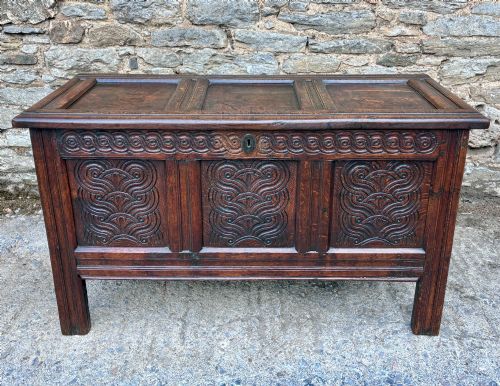
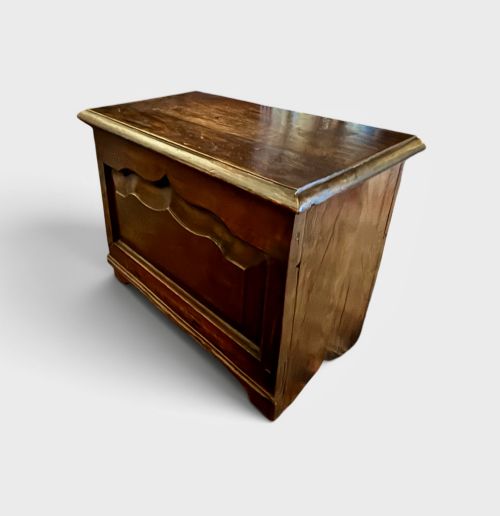
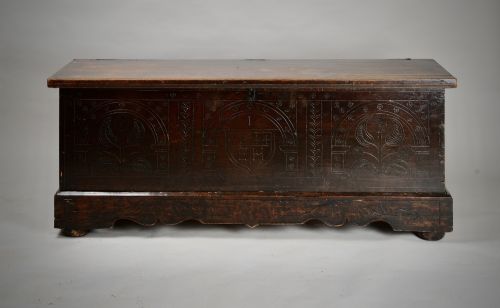
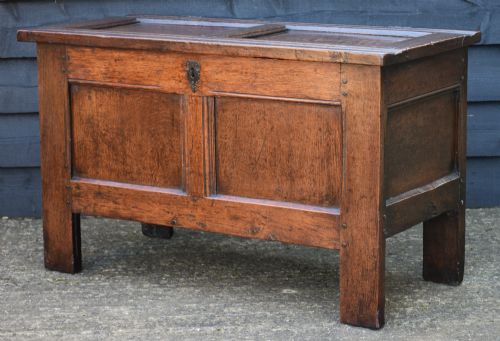
The version you meet most often on this page is the seventeenth or eighteenth century oak coffer, sometimes showing carved panels or boarded six-plank construction. Regional examples appear from English counties, Wales, and continental workshops, ranging from small document boxes to large blanket chests.
How they were made
Carpenters built these dark brown wooden coffer examples predominantly from solid oak, supplemented by elm and ash in regional pieces. Boards joined through pegged mortise and tenon framing or simple edge joints in boarded chests.
Makers utilised iron and brass for hinges, locks, and brackets to secure lids and corners. Surfaces developed deep patination over centuries through wax application and natural oxidation of the timber.
Primary timbers recorded include oak, elm, ash, and ebonised wood, accented with iron and brass hardware.
What varies in quality
The standard of a dark brown wooden coffer rests in the integrity of its timber construction and the depth of its original surface. Pieces retaining their primary board thicknesses, original ironwork, and untouched patination stand apart from heavily restored examples.
Carving execution defines the upper tier of these pieces, where spirited gouge work or panel moulding displays regional carpentry skill. Proportion and scale also dictate quality, with smaller proportions and document boxes holding distinct utility.
The Dark Brown Wooden Coffer Glossary
- Boarded construction
- A method where planks join directly at the edges using nails, dowels, or dovetails without a secondary frame. Six-plank coffers rely entirely on this technique.
- Panelling
- Framework constructed with stiles and rails enclosing a thinner central board. This method accommodated wood shrinkage in larger pieces.
- Patina
- The surface sheen and colour developed by wood through age, handling, and polishing. It marks genuine historic timber.
- Settle
- A wooden bench with a high solid back and enclosed lower storage, often combining the form of a coffer with seating.
Dark Brown Wooden Coffer: Frequently Asked Questions
How were coffers used originally?
These chests served primarily for securing valuable textiles, church plate, charters, and money before fitted closets existed in homes. Their heavy construction and iron locks protected contents from theft and damp conditions.
Over time, households utilised them as seating benches, tables, and general storage units in hallways, bedchambers, and living spaces.
How do I date an oak coffer?
Carpentry methods offer the clearest indication of age, such as hand-split boards, pegged joints, and wrought iron hardware rather than machine-cut screws. Tool marks and the style of carved panels align with specific periods like the Elizabethan or Jacobean eras.
Wear patterns around handles, feet, and lid edges accumulate over centuries and help distinguish seventeenth-century pieces from later revivals.
Are these chests suitable for modern living?
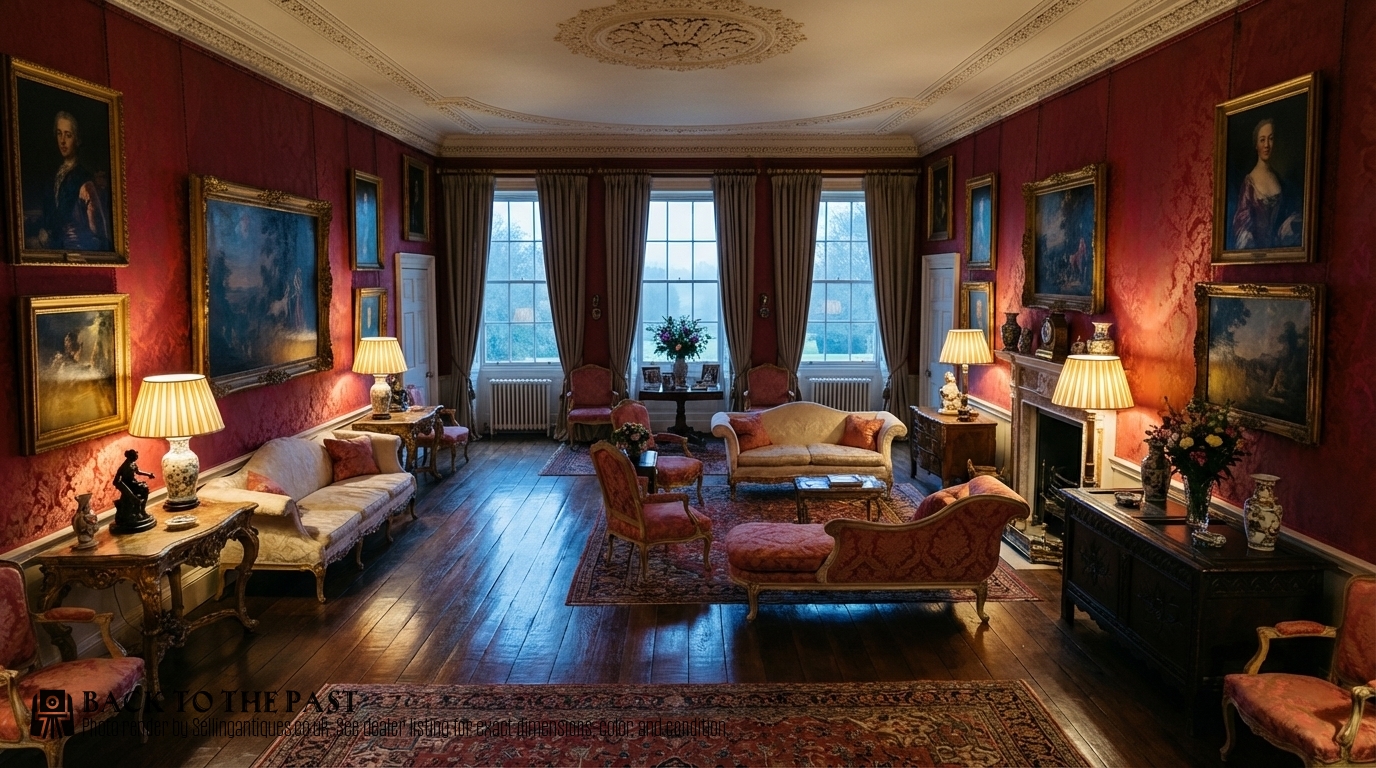
Their sturdy construction and flat lids allow them to function effectively as coffee tables, window seats, or blanket storage at the foot of a bed. They integrate well into contemporary rooms by providing hidden storage while adding historical warmth.
Placing them away from direct heat sources and maintaining stable room humidity protects the dry historic timber from splitting.
What is the difference between a coffer and a chest?
The terms often overlap, but a coffer traditionally implies a piece with a more secure or finished construction intended for valuables, sometimes featuring an internal till. Chests can cover a broader category of simple lidded storage boxes.
In historical listings, both terms describe heavy wooden receptacles used across domestic and ecclesiastical settings.