

Dark Brown Side Cabinet
A dark brown side cabinet brings warmth and useful storage to a room, ranging from compact bedside pieces to large cupboards in oak and mahogany.
Dark Brown Side Cabinet
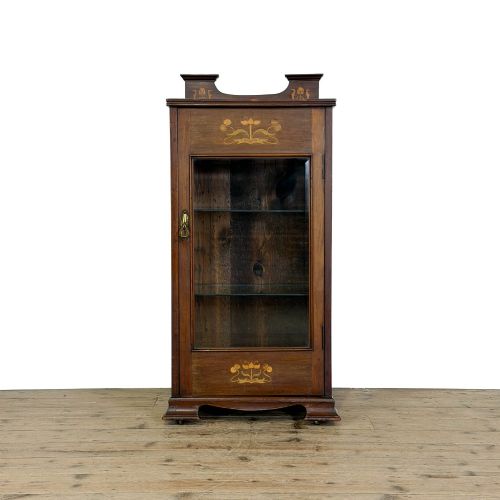
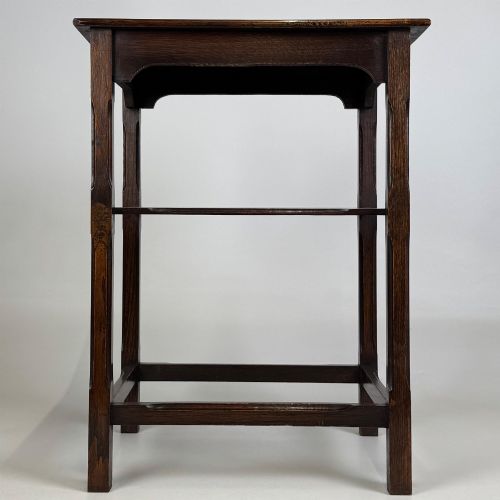
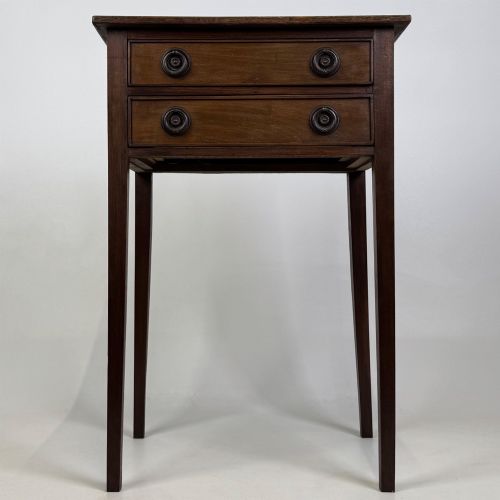
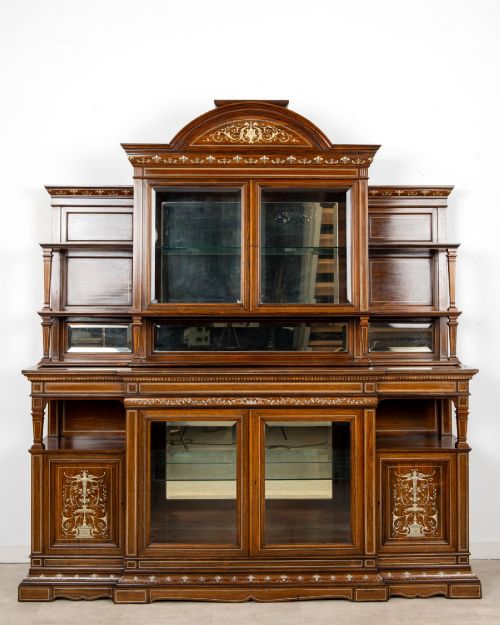
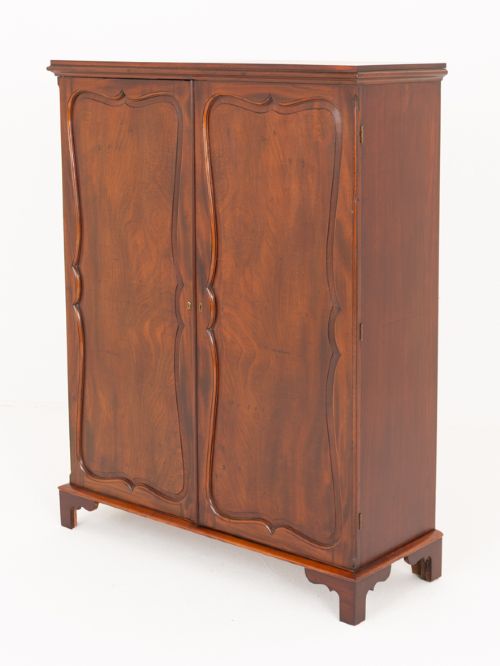
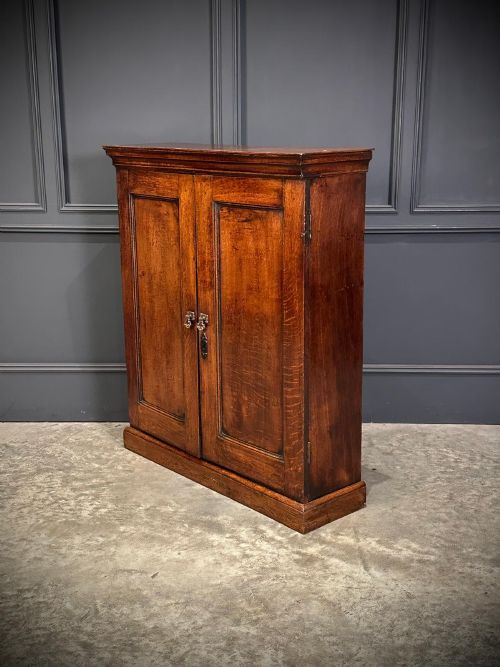
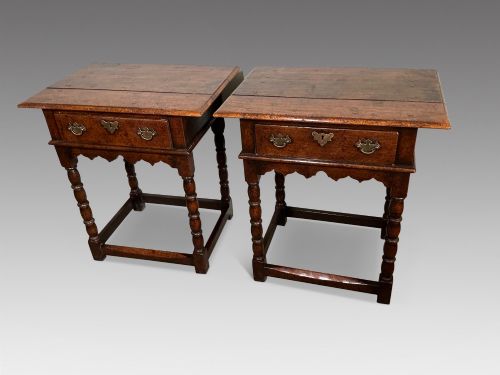
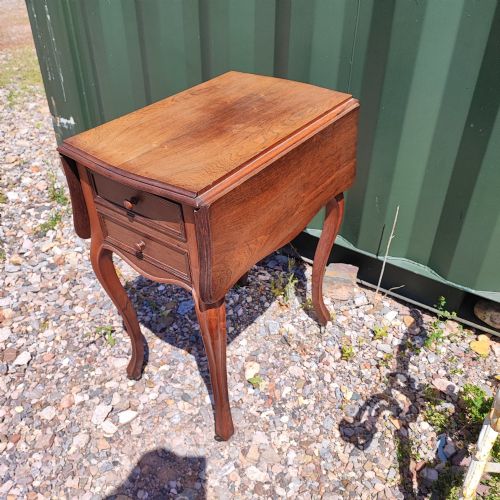
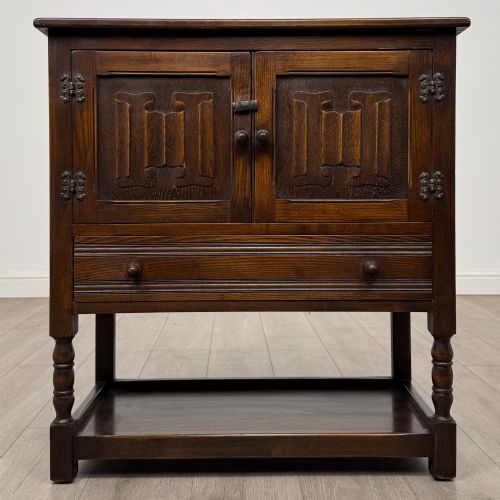
A dark brown side cabinet encompasses a wide variety of storage furniture designed to sit against a wall in hallways, sitting rooms and bedrooms. When you search for a dark brown side cabinet, you encounter forms ranging from Georgian and Victorian mahogany pieces to earlier oak cupboards and Edwardian tables.
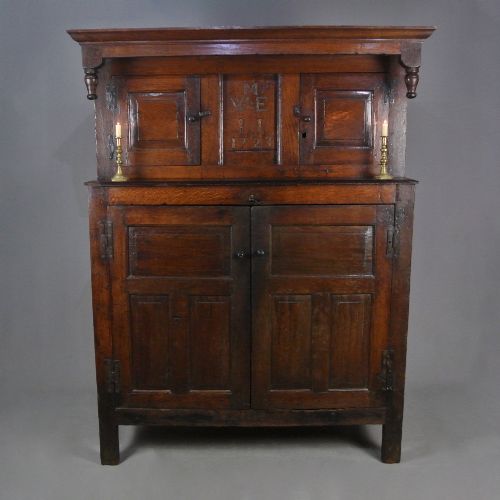
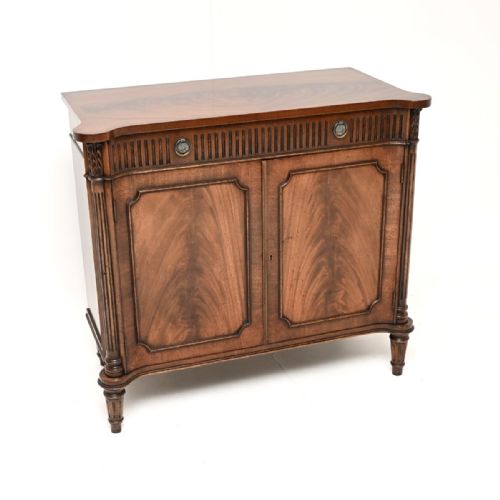
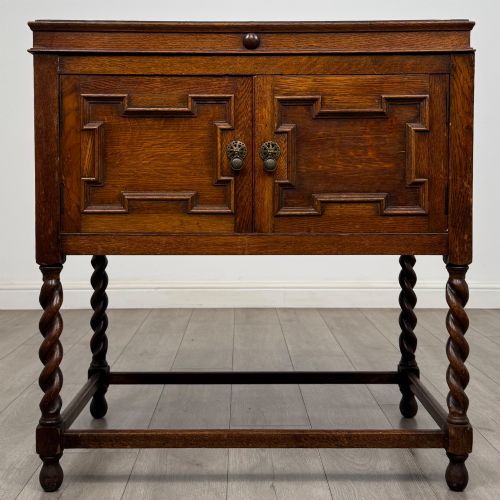
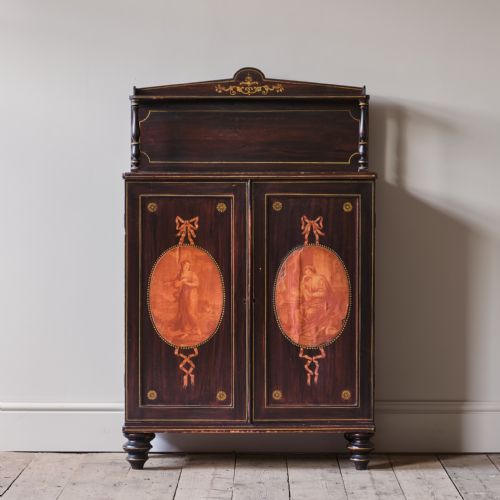
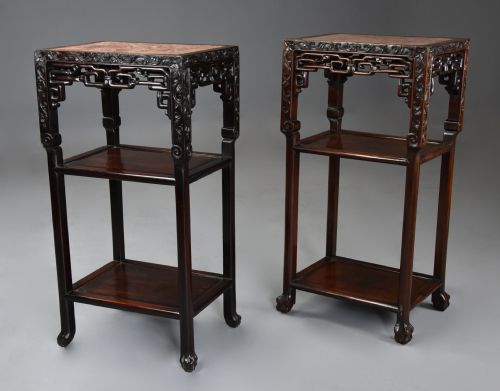
The selection on this page relies heavily on timbers displaying deep natural tones, with walnut, rosewood and oak appearing alongside mahogany. Pieces span multiple centuries, including Regency chiffoniers, Edwardian oak cupboards, and earlier seventeenth and eighteenth-century examples.
Makers and workshops across different eras shaped these items into specific regional variants, such as French cupboards, Anglo-Indian cabinets, and English country pieces. Buyers find functional bedside tables, display cabinets, and larger sideboards suited to diverse domestic settings.
Distinctions in Quality
Quality rests upon the selection of timber and the precision of the joinery, where finely figured grains and tight joints separate standard utility items from exceptional works. The depth of the hand-carved ornamentation and the integrity of original brass or glass components dictate the overall standard.
Proportion and execution define the hierarchy among these pieces, as demonstrated in the crispness of architectural mouldings and the balance of secondary woods. Attribution to known workshops or distinctive regional styles further elevates a piece beyond basic domestic furniture.
Some nineteenth-century cupboards come equipped with secret drawers for hiding love letters from wandering eyes.
Collinson & Lock
The Dark Brown Side Cabinet Glossary
- Chiffonier
- A low sideboard or cabinet, popular in the Regency and Victorian periods, often featuring doors enclosing shelves or a small superstructure on top.
- Court Cupboard
- An antique open-shelved or enclosed cupboard dating from earlier centuries, traditionally fashioned from solid oak with heavy panels.
- Pedestal Side Cabinet
- A free-standing storage unit built with a column or pedestal base, commonly found in Georgian and nineteenth-century designs.
- Panetiere
- A traditional wooden bread safe or food cupboard, frequently pierced with spindles for ventilation.
- Goncalo Alves
- A dense exotic hardwood prized for its striking contrasting grain, utilised in high-end Regency furniture.
Dark Brown Side Cabinet: Frequently Asked Questions
What rooms suit a side cabinet?
These cabinets fit well in hallways, living rooms, and bedrooms where surface space and enclosed storage are both required. Their varied dimensions allow them to act as bedside tables or prominent dining room sideboards.
Selecting the right size depends on the depth of the room and the intended utility, as smaller bedside versions hold lamps and books while larger cupboards store tableware or linens.
How do I date an oak cupboard?
Dating relies on observing construction marks, hardware, and the style of the carving. Earlier pieces from the seventeenth and eighteenth centuries often display pegged joints and hand-riven panels.
Later revival pieces from the Victorian and Edwardian eras incorporate machine-cut elements and distinct stylistic revivals such as Jacobean or Gothic motifs.
Are rosewood and mahogany finishes durable?
Hardwoods like mahogany and rosewood possess natural resilience that withstands everyday domestic use over generations. Regular polishing maintains the moisture and sheen of the dark brown timber.
Avoiding direct sunlight and excessive humidity preserves the veneers and prevents the wood from drying out or splitting.
What is the difference between a chiffonier and a side cabinet?
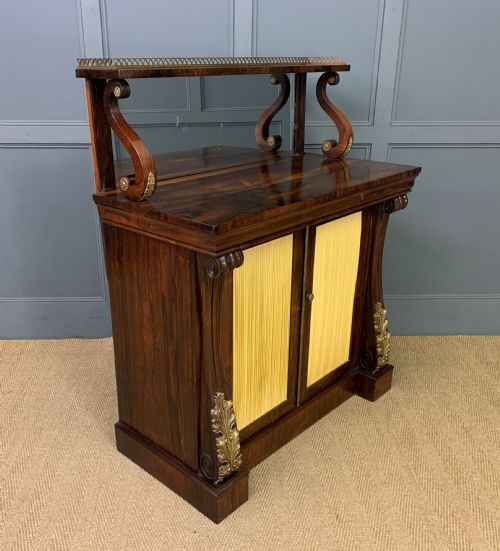
A chiffonier generally includes a raised shelf or gallery back above a low enclosed cabinet, originating strongly in the Regency and Victorian eras. Standard side cabinets focus on a flat top surface over doors or drawers.
Both serve similar functional roles for storage and display, but the chiffonier carries specific architectural hallmarks from the nineteenth century.