
Dark Brown Oak Bench
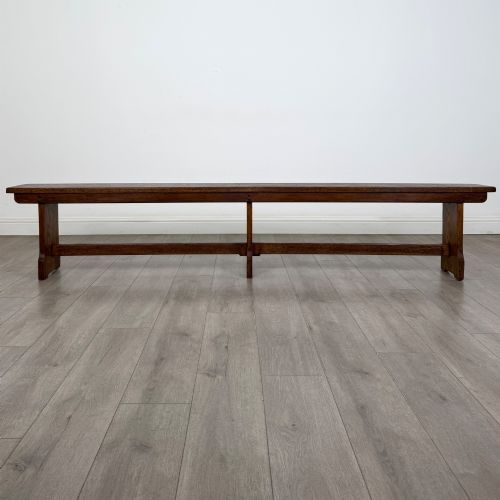
A dark brown oak bench brings substantial timber and deep grain into a hallway or reception room.
Dark Brown Oak Bench
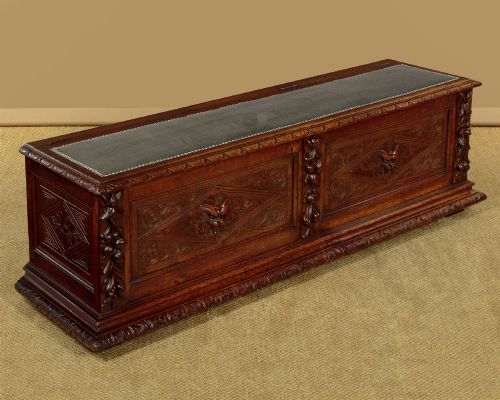
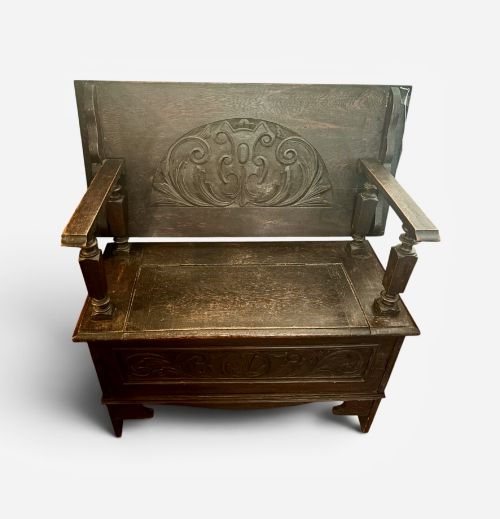
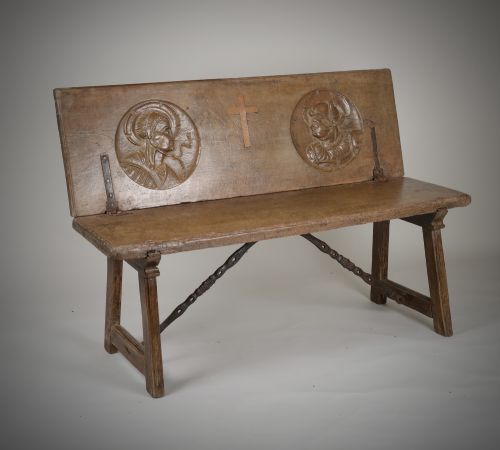
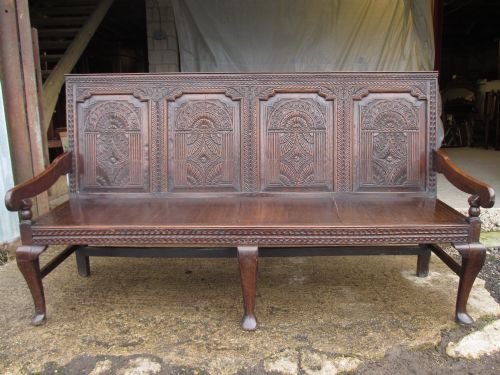
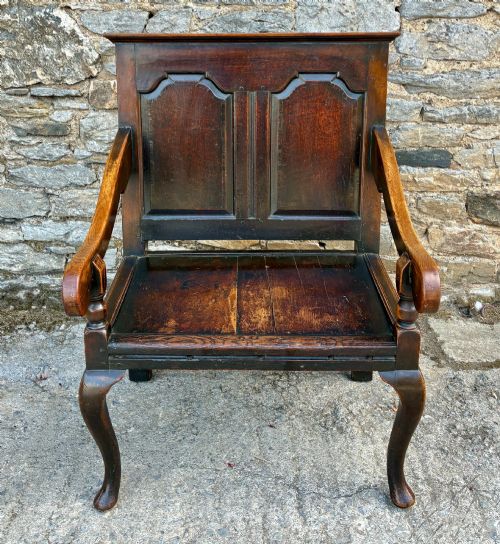
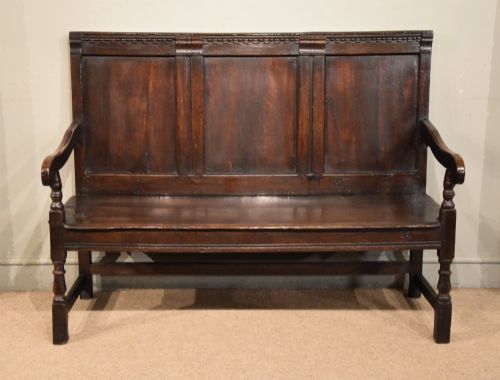
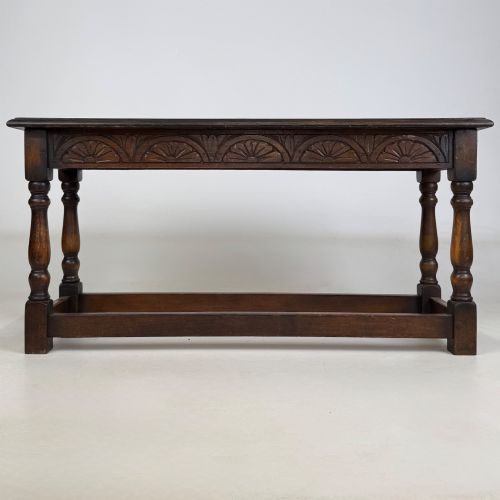
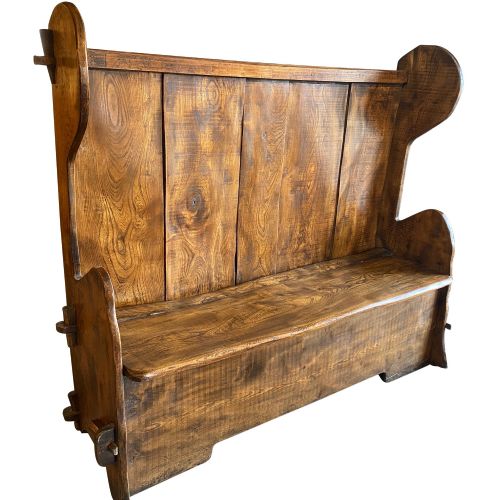
A dark brown oak bench encompasses heavy country settles, tall panel-backed seats, and compact luggage racks found across multiple centuries. These pieces serve practical seating and storage needs in domestic interiors, utilising robust timber frames built to endure.
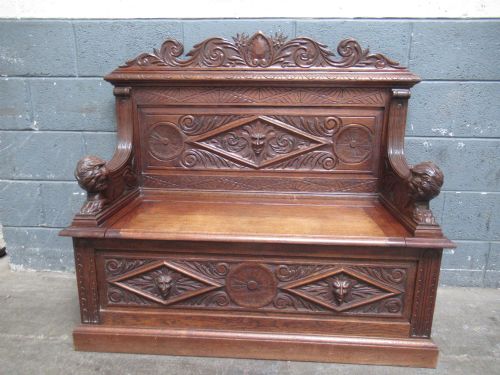
The selections span from seventeenth-century north country box settles to nineteenth-century Gothic and Jacobean revival examples. Buyers most frequently encounter nineteenth-century and Victorian iterations alongside eighteenth-century vernacular designs.
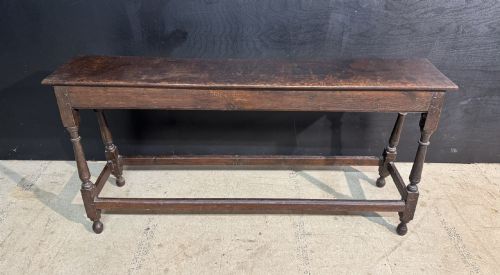
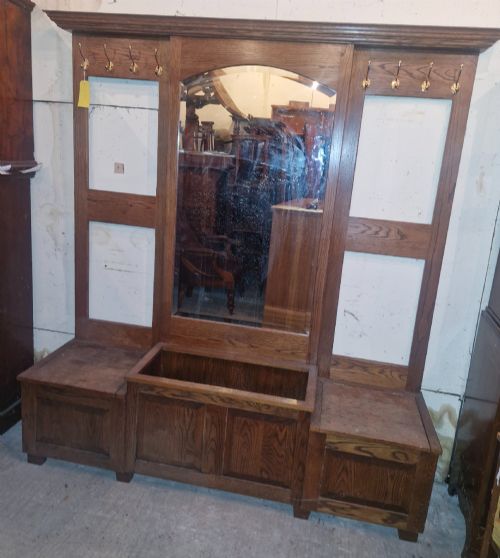
Forms range from simple multi-plank stools and window seats to grand hall benches featuring carved backs and hinged storage boxes. Regional variations include Welsh and Scottish origins alongside English country house pieces.
Standard and Execution
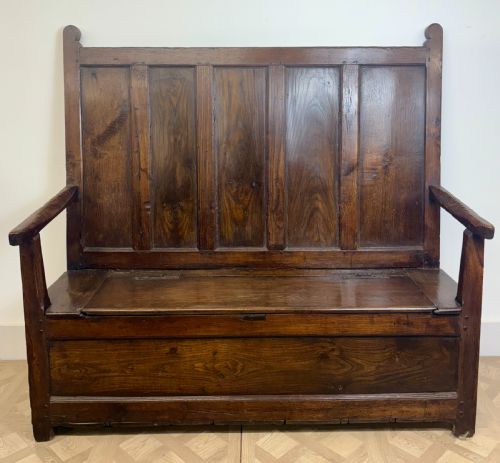
Quality rests in the integrity of the timber, the depth of the carved detail, and the retention of original pegged joinery. Heavy box settles with well-preserved box compartments and thick planks command attention for their structural honesty.
The distinction between regional vernacular items and refined revival pieces lies in the crispness of the carving and the proportional balance of arms, panels, and supports.
Listings feature oak combined with ash, elm, wrought iron, and brass across seventeenth, eighteenth, and nineteenth-century periods.
The Dark Brown Oak Bench Glossary
- Settle
- A wooden bench with a high back, solid arms, and frequently a box base for storage. This form kept draughts away from people seated near open fires.
- Joint stool
- A joined or framed wooden stool constructed with pegged mortise and tenon joints. These sturdy items preceded lighter seating forms.
- Luggage rack
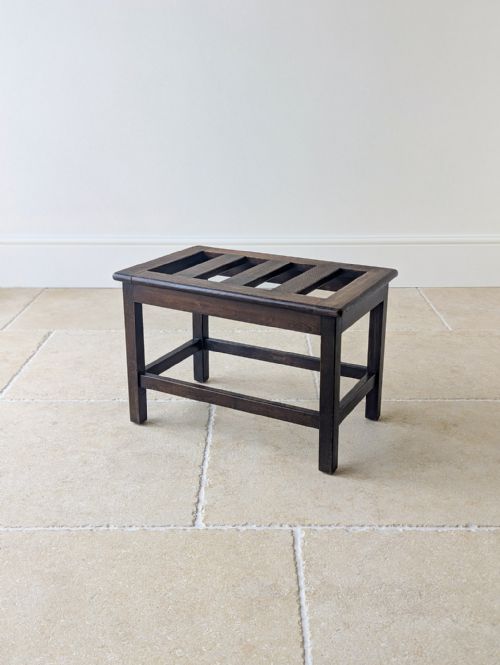
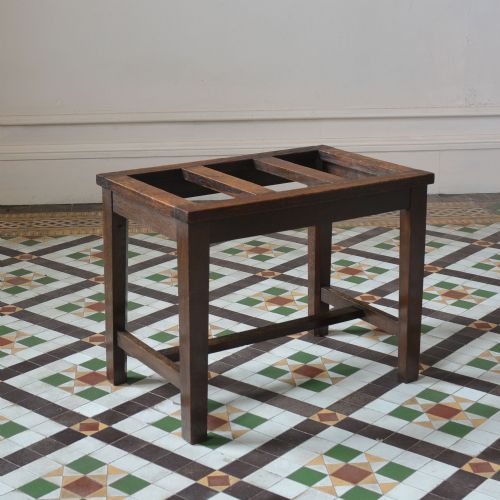
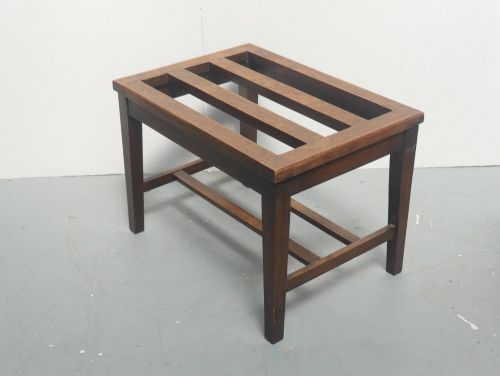
- A low stand featuring slatted wooden top rails designed for holding bags or trunks in a bedroom or reception hall. Edwardian examples often include lower undershelves.
- Box settle
- A variant of the settle featuring a hinged seat lid opening to a storage compartment underneath. The solid timber construction provides deep interior space.
Dark Brown Oak Bench: Frequently Asked Questions
How do I use a dark brown oak bench at home?
These benches fit naturally in hallways, entrance lobbies, and large living spaces where their solid timber presence grounds the room. Box versions provide concealed storage for shoes, blankets, or household items.
Open benches and luggage racks work well beneath windows or against plain walls, offering practical perches that tolerate everyday use.
How can I tell an 18th-century oak bench from a Victorian revival piece?
Eighteenth-century pieces display authentic wear patterns, hand-planed board surfaces, and traditional peg construction consistent with period tool marks. Timber shrinkage and patination develop naturally over generations of handling.
Victorian revival items often employ machine-sawn elements, heavier carved decoration associated with Jacobean or Gothic revivals, and standardised joinery methods.
Did oak benches serve purposes other than seating?
Many early forms incorporated dual functions, particularly box settles that doubled as storage chests for textiles and household stores. Luggage racks accommodated heavy travel trunks in country houses and hotels.
Monk's benches and multi-functional hall seat stands provided convertible surfaces for domestic tasks before specialised furniture became common.