
Dark Brown Mahogany Chest
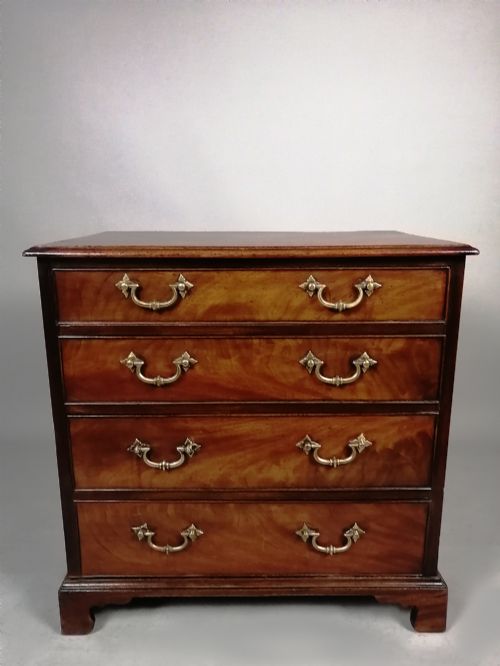
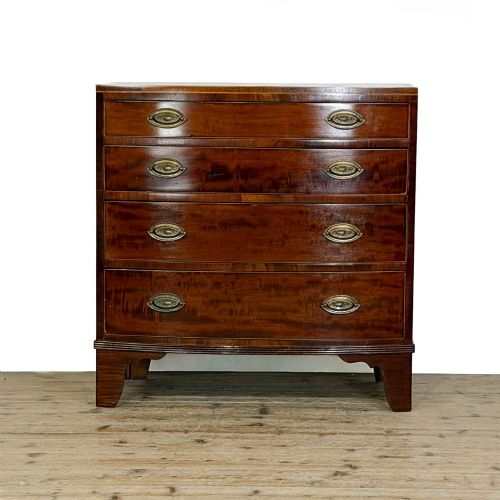
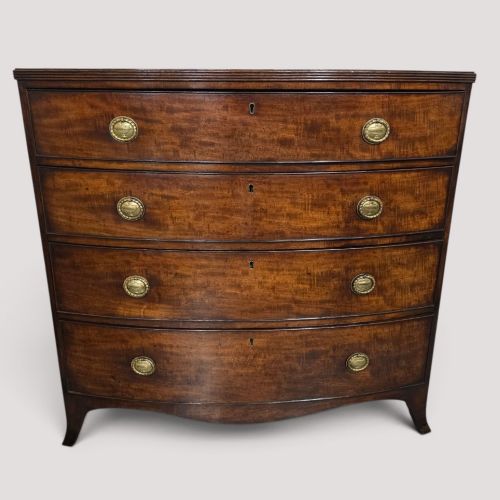
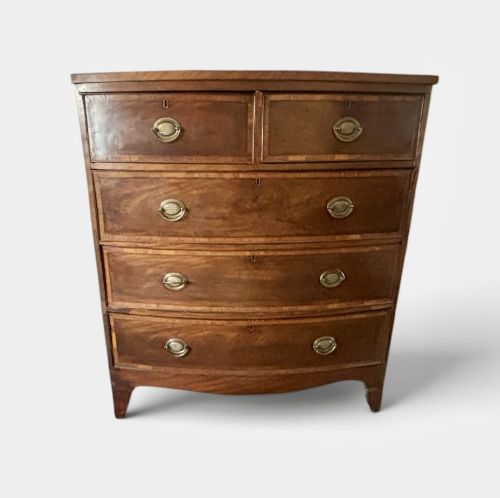
A dark brown mahogany chest brings deep, warm timber tones and practical drawer storage into a room.
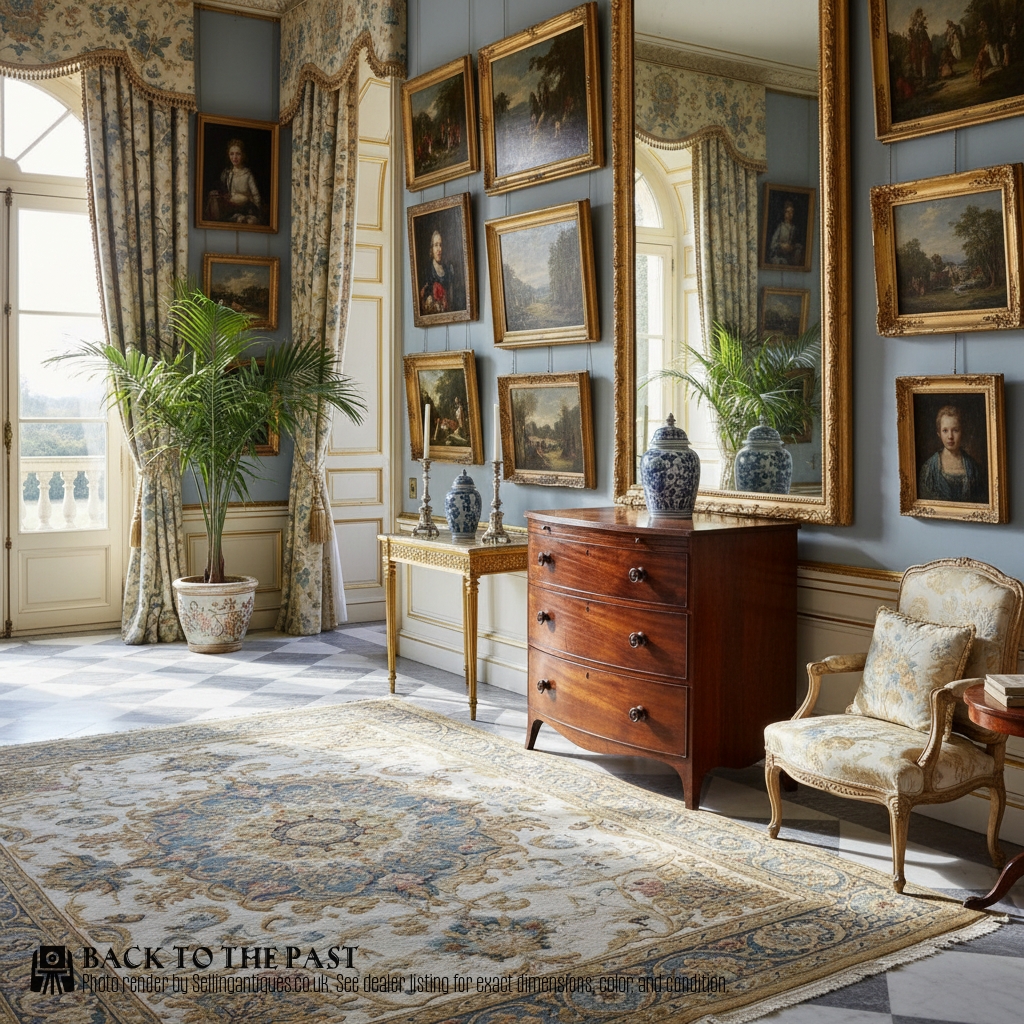
Dark Brown Mahogany Chest
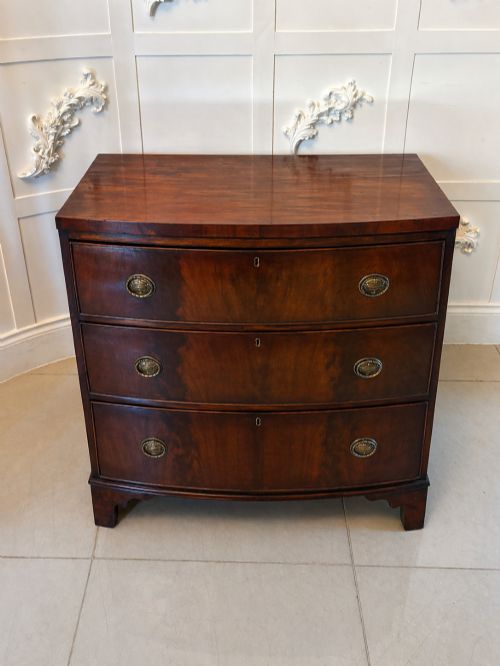
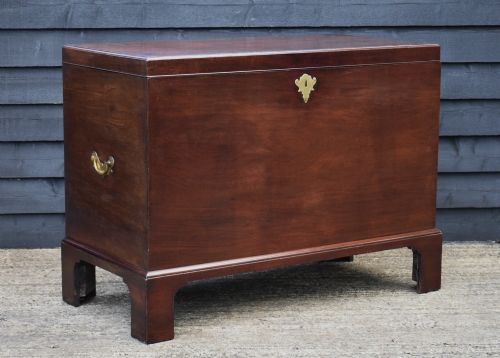
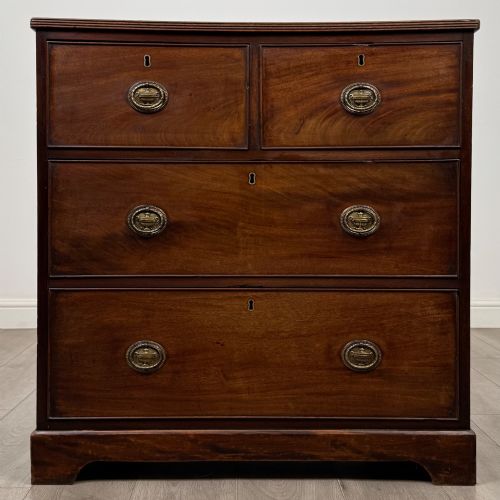
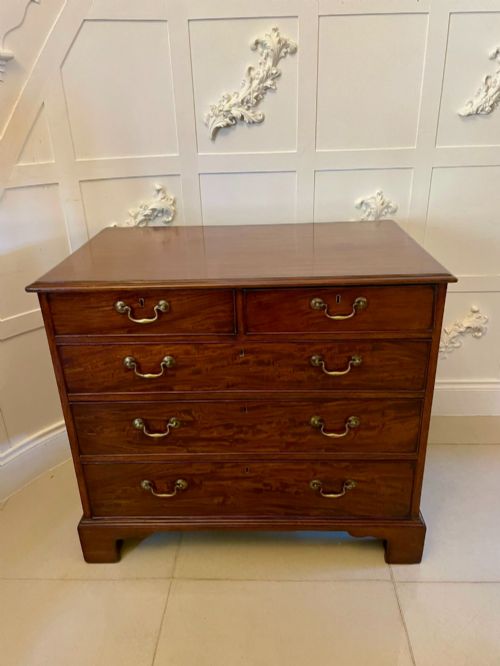
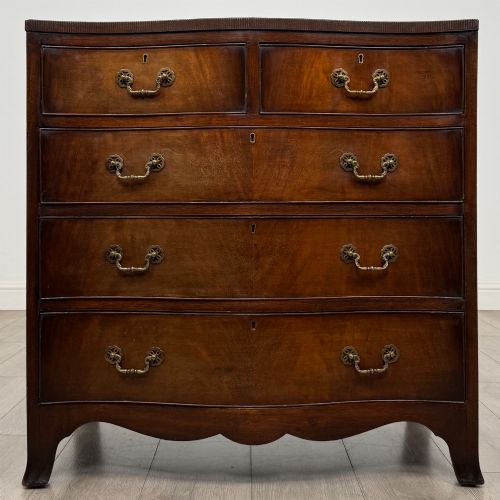
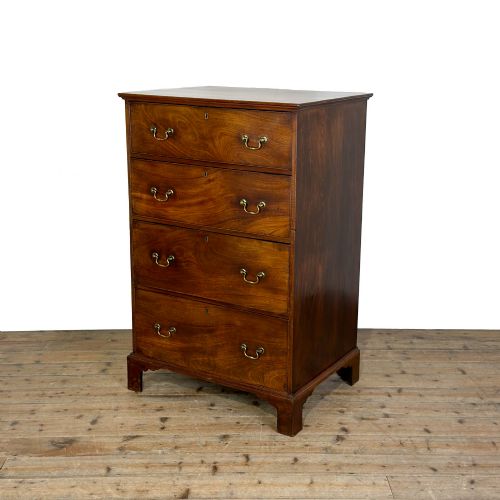
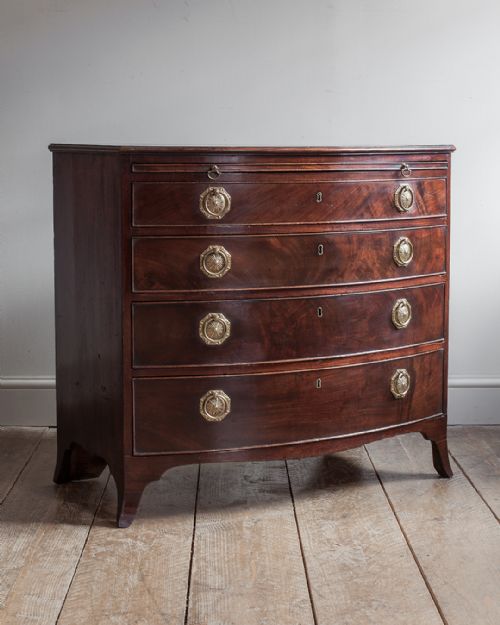
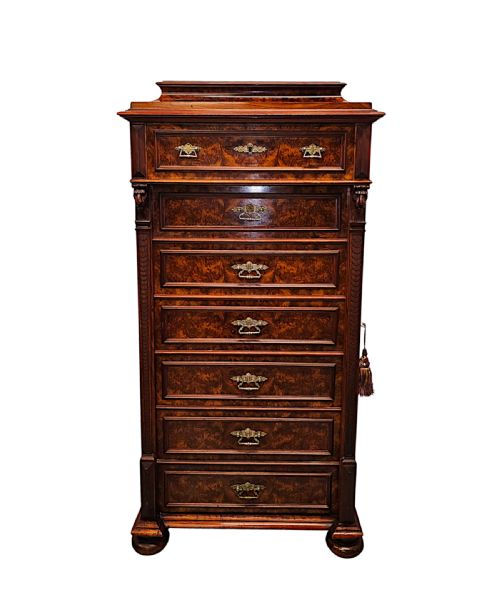
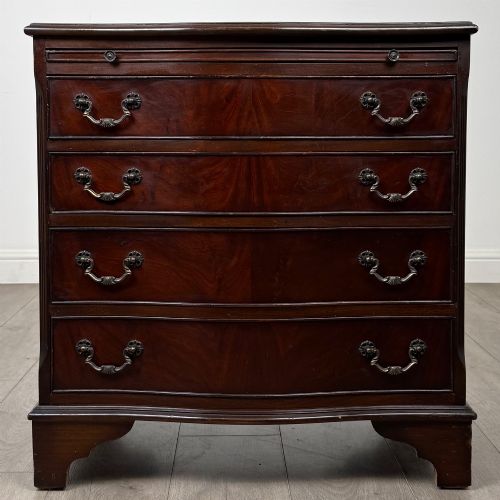
A dark brown mahogany chest encompasses formal bedroom storage pieces like standard chests of drawers, tallboys, and chest on chest designs, alongside specialised forms such as linen presses, batchelor chests with brushing slides, and Wellington chests. The versions most commonly met on this page date from the Georgian, Regency, and Victorian periods, showcasing traditional silhouettes shaped by centuries of cabinet making.
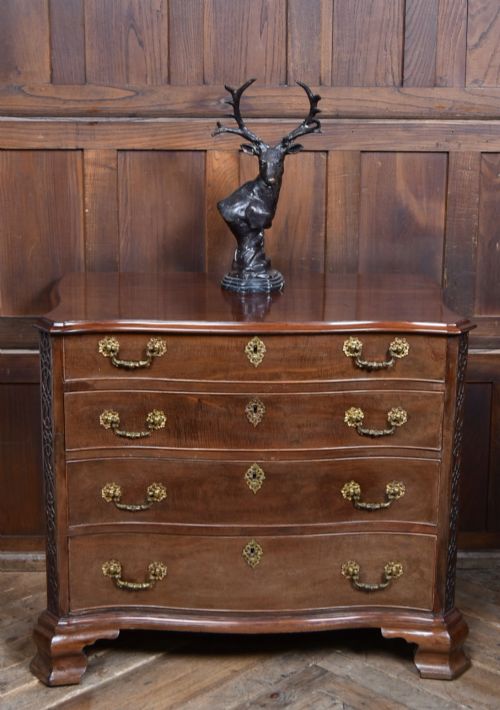
Makers and provincial workshops utilised dense timber to construct these items, resulting in pieces ranging from compact bedside lamp chests to massive tall configurations with five heights of drawers or integrated secretaire compartments. Front profiles vary significantly, including straight lines, curved bow fronts, and flowing serpentine shapes.
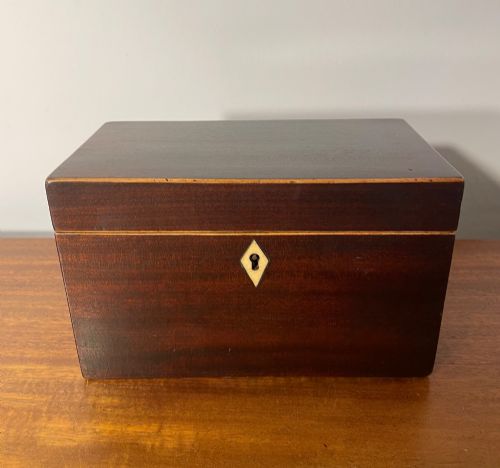
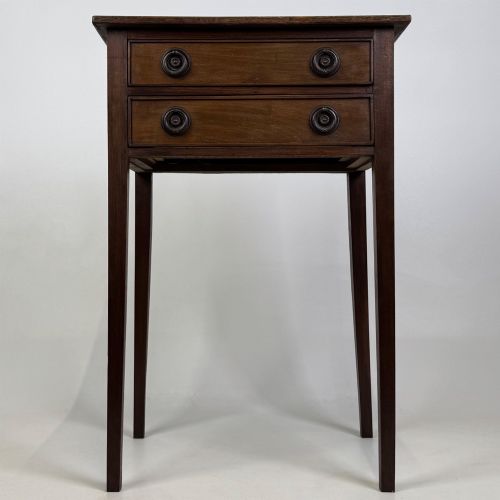
The selection extends to related storage and display forms recorded in the evidence, such as secretaire bookcases, apothecary banks of drawers, and cellarettes. Buyers encounter both standard domestic proportions and smaller, neat Scottish bow chests or diminutive bedside tables suited for modern living spaces.
Distinctions in quality
The degree of refinement in timber selection and cabinet work separates standard utility items from superior examples. Finely figured flame mahogany veneers and crisp decorative banding indicate high workshops.
Proportion and execution of complex shapes, such as curved bow fronts and serpentine contours, dictate the standing of a piece. Well-balanced cornices, tight drawer joints, and original brass hardware elevate the status of Georgian and Regency chests.
Patina and surface preservation distinguish well-kept historic furniture. Natural ageing of the Cuban mahogany and underlying polish layers creates a depth of tone that lesser or heavily restored surfaces lack.
Some 19th-century chemists kept organised in style with dedicated apothecary bank of drawers units.
The Dark Brown Mahogany Chest Glossary
- Bow front
- A convex curved front profile popular in Georgian and Regency cabinet making. This shape softens the corners of a chest of drawers.
- Serpentine
- A gently undulating front with a convex centre flanked by concave curves. It requires advanced woodworking skill.
- Secretaire
- A drawer fitted with a drop-front writing surface and small internal pigeonholes. It combines a chest of drawers with a desk.
- Linen press
- A tall storage piece featuring upper sliding trays enclosed by doors above lower drawers. It was designed to store folded textiles.
- Wellington chest
- A tall, narrow chest of drawers secured by a hinged locking stile on one side. The design originated in the 19th century.
Dark Brown Mahogany Chest: Frequently Asked Questions
What is a batchelor chest?
A batchelor chest is a compact drawer unit equipped with a pull-out brushing slide above the main drawers. This sliding shelf served as a temporary writing or dressing surface.
Such pieces date predominantly from the 18th century and offer versatile functionality in smaller rooms.
How do I date a mahogany chest?
Dating relies on examining construction methods, timber types, handle styles, and overall proportions. Georgian and Regency pieces often feature hand-cut dovetails and Cuban mahogany.
Victorian and Edwardian examples introduce machine-sawn elements and different secondary woods like pine or oak.
What is Cuban mahogany?
Cuban mahogany is a dense, heavy hardwood imported from the West Indies during the 18th and early 19th centuries. It yields a rich dark brown tone and a tight grain.
Its superior density allowed cabinet makers to achieve crisp carvings and durable structural joints.
How should I clean mahogany furniture?
Maintenance requires gentle dusting with a soft, dry cloth to protect the historic polish and timber surface. Avoid modern silicone sprays or excessive moisture.
Applying traditional beeswax occasionally helps nourish the wood and maintain its deep lustre.
What is a chest on chest?
A chest on chest, or tallboy, consists of a smaller upper chest stacked directly upon a wider lower chest. This configuration maximises vertical storage without expanding floor space.
Examples from the 18th century often feature elaborate cornices and fine bracket feet.