

Dark Brown Framed Art
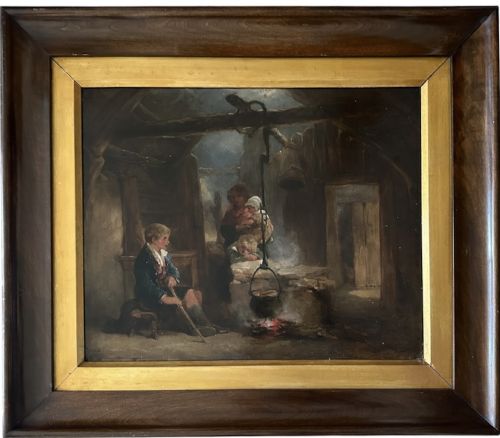
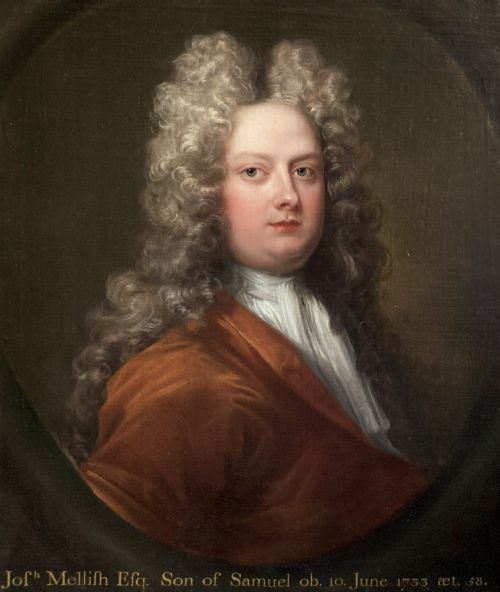
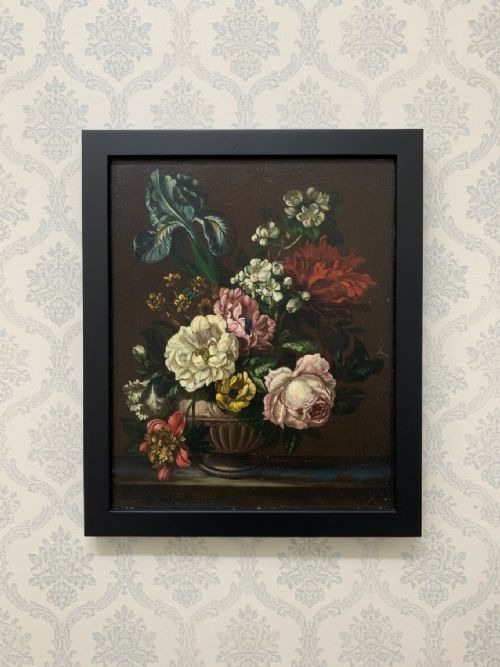
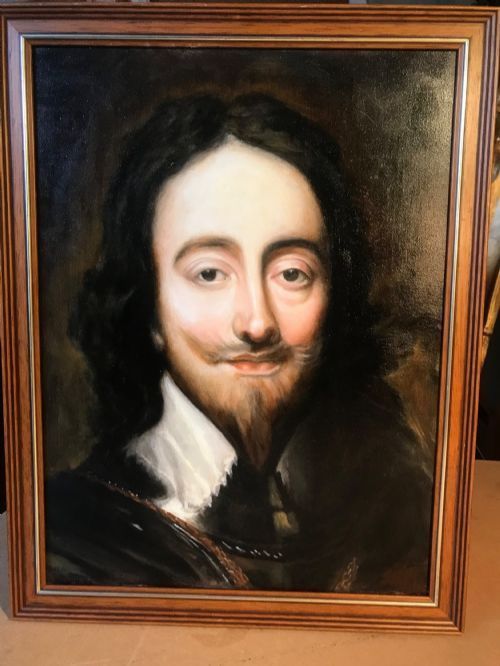
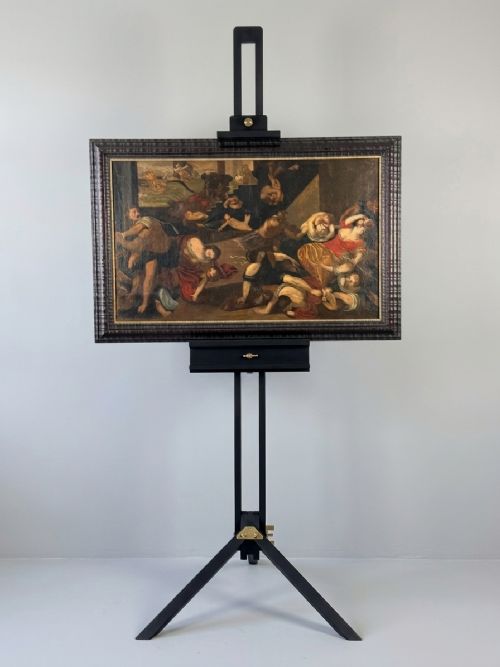
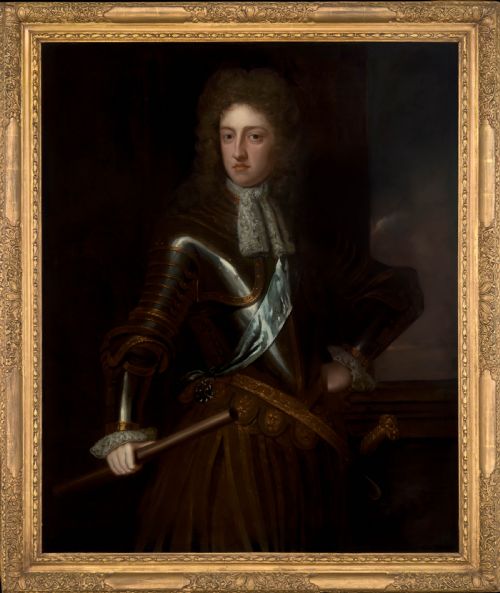
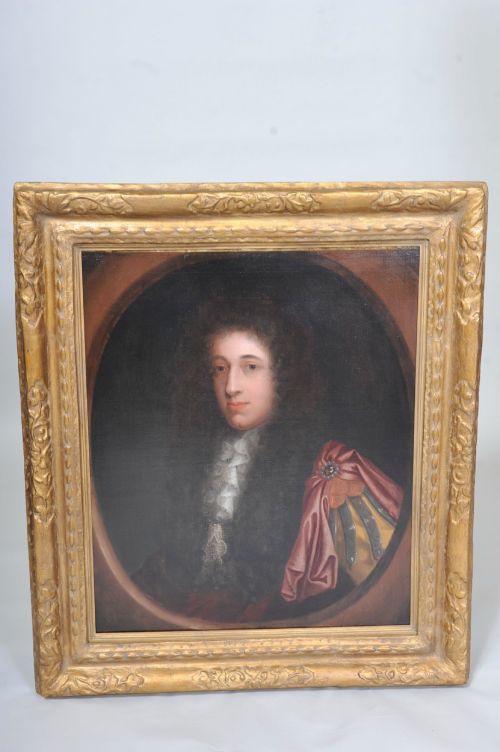
Dark brown framed art brings together centuries of oil paintings and prints set within heavy timber borders.
Dark Brown Framed Art
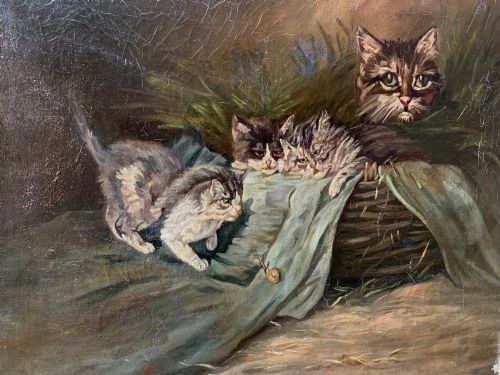
Buyers seeking dark brown framed art encounter a dominant selection of oil paintings alongside select prints, watercolours and framed artwork. The material evidence centres on wood and canvas works spanning from the seventeenth century through to the Edwardian period and the nineteen-thirties.
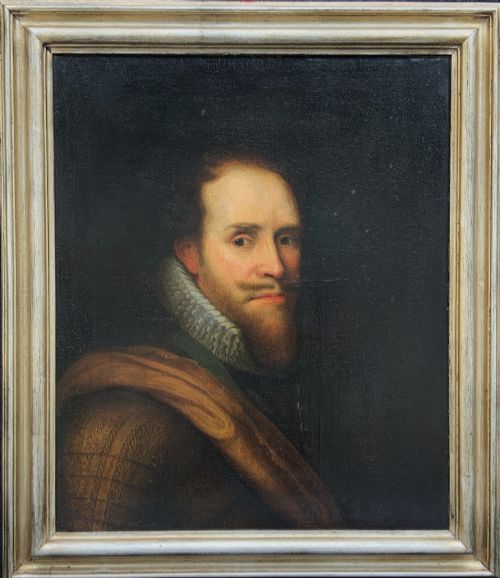
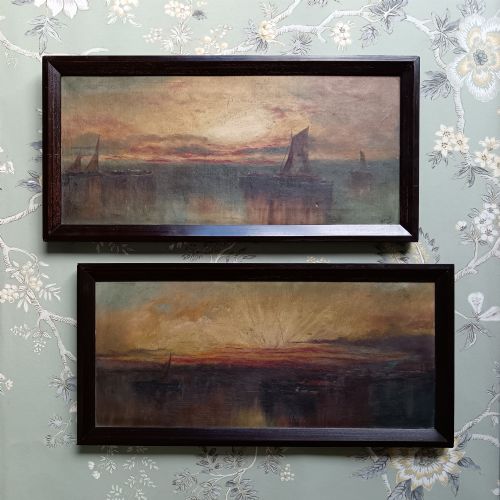
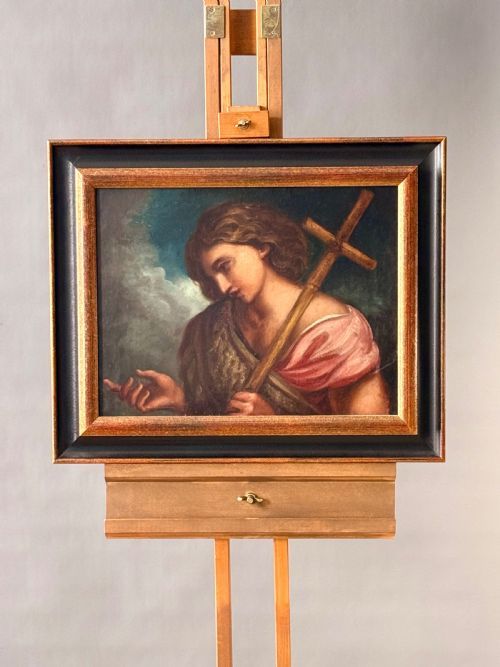
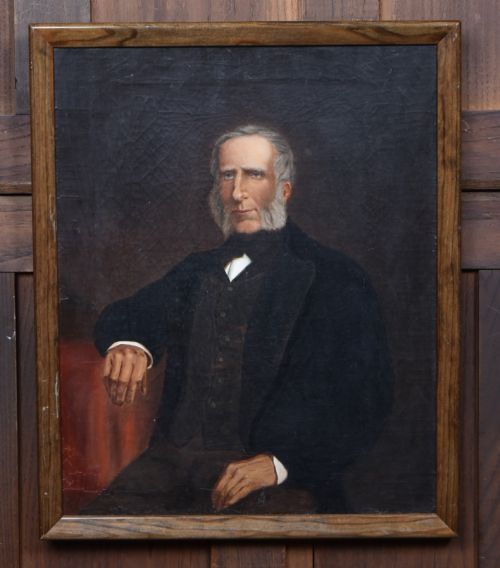
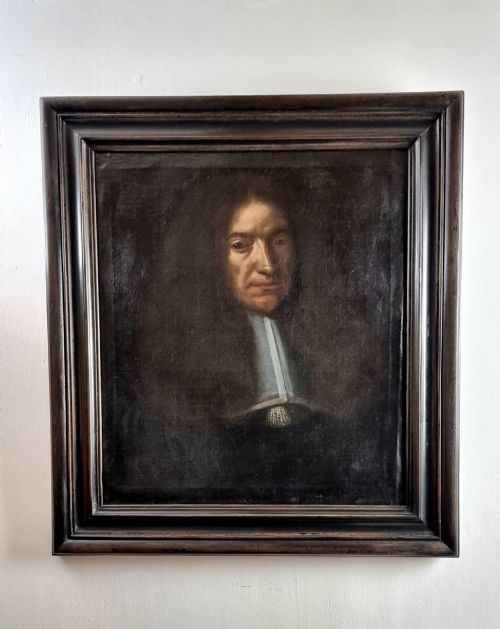
The assortment on this page leans heavily toward historical portraits, landscapes and still life studies enclosed in dark wooden surrounds. Pieces range from seventeenth-century Dutch school oils to nineteenth-century seascapes and twentieth-century framed prints.
Origin points across the current inventory include British, French, Dutch and German schools alongside regional folk pieces and Victorian watercolours. The unifying element across these diverse origins is the dark timber framing that binds the visual objects together.
Materials and construction methods
The structural support relies primarily on oak and other heavy woods utilised for both the inner stretchers and the external dark brown frames. Canvases, panels and heavy paper sheets serve as the foundational surfaces for oil paint, watercolours and printed inks.
Artists applied oil paint and pigments directly to prepared canvas or wood panels, often sealing the compositions behind protective glass layers in specific framing traditions. Joinery on the timber surrounds ranges from simple mitred corners to heavier moulded profiles designed to anchor substantial wall art.
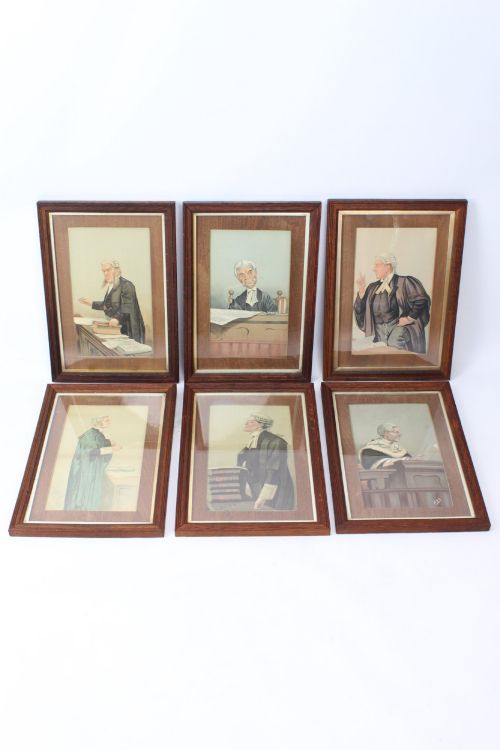
A solitary wool work tiger keeps watch over centuries of dignified European portraits and sombre courtroom judges.
Factors of quality and execution
Distinction across the range rests in the brushwork discipline of the painted surface and the original integrity of the wooden housing. Superior examples demonstrate confident handling of oil pigment and period-appropriate framing that complements the canvas without secondary alterations.
The depth of the artistic attribution, whether to a recognised Continental school or a documented hand, elevates certain pieces above standard decorative works. Condition of the canvas, stability of the wood, and minimal restoration to the painted layers separate the finest examples from standard items.
Charles Jervas·Anthony Van Dyck·Sir Godfrey Kneller·Augustin Edouart·Stephen Pearce·TB Hardy·Florence Small·William Watt Milne·Edwin Henry Landseer
The Dark Brown Framed Art Glossary
- Oil on Canvas
- Pigment mixed with drying oil applied to a woven fabric support stretched over a wooden frame. This method became standard for major portrait and landscape works from the seventeenth century onward.
- Dutch Golden Age
- A period of seventeenth-century Dutch art noted for refined mastery of light, shadow and realistic detail in portraits and still lifes. Works from this tradition often appear in dark timber surrounds.
- School
- A grouping of artists working in a particular region, period or stylistic tradition under the influence of a master. Attributions to specific schools denote stylistic kinship rather than direct individual authorship.
- Reverse Glass Print
- An image transferred or painted onto the back of a glass sheet to be viewed from the front. This technique produces a smooth, glossy surface finish popular in Georgian decorative pieces.
- Tramp Art
- A form of woodwork created by amateurs utilising chip-carving and notch-carving techniques on salvaged timber boxes and frames. Pieces typically display layered geometric patterns built up over time.
Dark Brown Framed Art: Frequently Asked Questions
What periods do these framed artworks cover?
The current selection spans from the seventeenth century through the eighteenth and nineteenth centuries into early twentieth-century examples. Pieces represent periods including the Georgian, Regency, Victorian and Edwardian eras.
Specific dates on canvas stretchers and framing elements help anchor individual works within these broader historical movements. Buyers find everything from seventeenth-century Dutch portraits to nineteen-thirties decorative prints.
How should I hang heavy wooden frames?
Heavy oak and timber frames require secure wall fixings rated for substantial weight, particularly for large oil paintings on canvas. Steel picture wire or brass rings attached directly to the primary wood frame provide the necessary support.
Avoid relying solely on decorative top mouldings or lightweight picture hooks. Professional wall anchors suited to plaster or brick ensure the piece hangs safely.
Are these paintings original oils?
Many listings feature original oil paint on canvas or wooden panel supports created by European and British artists. These works display the distinct texture and brushwork characteristic of historical painting techniques.
The page also includes framed prints, watercolours and reverse glass pieces alongside the primary oil paintings. Each listing specifies whether the medium is oil, print or watercolour.
How do I care for antique oil paintings?
Antique oil paintings require stable room environments away from direct sunlight, high humidity and sudden temperature fluctuations. Canvas and wood frames respond to atmospheric changes, making consistent indoor climates essential for preservation.
Dust the wooden frames gently with a dry, soft cloth while avoiding chemical cleaners on the painted canvas surface. Professional conservators should handle any cleaning or repair of the actual pigment layers.