




Antique German Prints
Antique german prints offer a distinct window into past European artistry, combining fine engraving with historic portraiture and narrative.
Antique German Prints
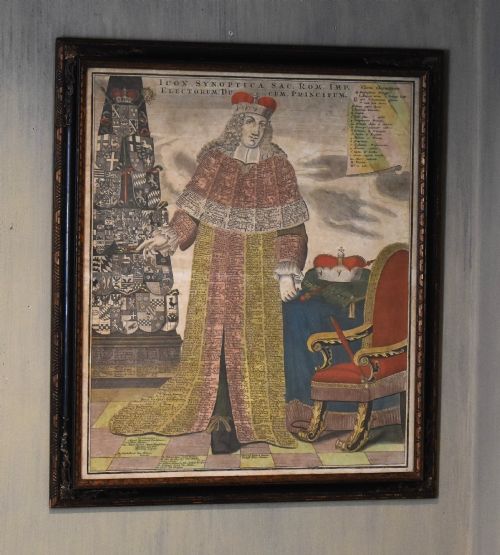
When you search for antique german prints, you encounter works ranging from eighteenth-century sheets relating to the Holy Roman Empire to early twentieth-century drypoints and watercolours. These pieces encompass framed prints, copperplate engravings, and portfolios capturing historical events and artistic subjects.
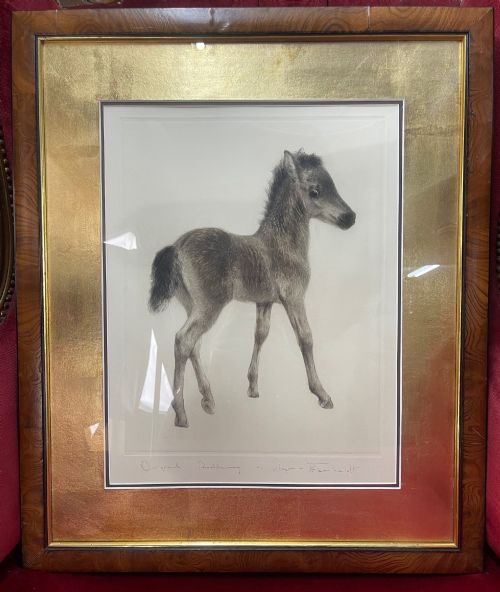
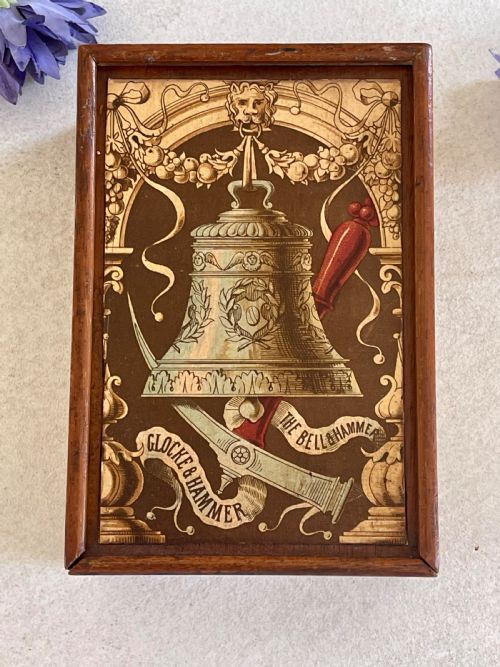
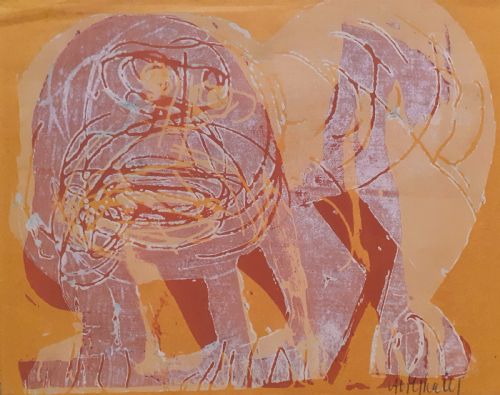
The selection includes specific creative efforts such as copper engravings after Hogarth by Riepenhausen and drypoints of animals by Kurt Meyer-Eberhardt. Buyers also find watercolours, caricatures of military figures, and parlour games that reflect domestic and public life across different periods.
Most items on this page lean towards framed works and paper portfolios from the eighteenth, nineteenth, and early twentieth centuries. Each piece carries the distinct characteristics of its era, whether Biedermeier, Georgian, or Victorian in style.
How they were made
Makers utilised paper as the primary support, applying carbon ink, watercolour pigment, and gold leaf by hand or through printing presses. Copperplate engraving demanded precise manual incision into metal plates to hold ink for transfer under pressure.
Drypoint technique involved scratching lines directly into a metal plate with a sharp needle, producing soft burrs that captured rich, velvety tones in the printed impression. Watercolours and painted details required delicate brushwork directly onto the paper surface.
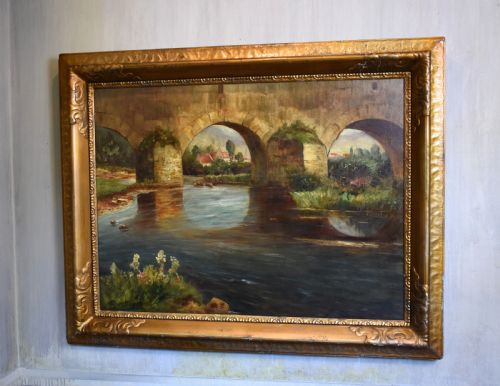
The inventory encompasses copperplate engravings, drypoints, oil paintings, and complete parlour games with original instructions.
What varies in quality
The crispness of the ink impression distinguishes finer copperplate engravings and drypoints from worn examples where lines lose definition. The preservation of the paper support, along with the retention of original pigment vibrancy, plays a significant role in overall character.
Compositional strength and the clarity of detail in the subject matter separate standard decorative plates from exceptional artistic works. Framing materials, such as period wood and glass, further contribute to the integrity of the piece.
Kurt Meyer Eberhardt·E L Riepenhausen·Franz Reder Broili·R Lauritsch
The Antique German Prints Glossary
- Drypoint
- A printmaking process where an image is scratched directly onto a metal plate with a sharp needle. This technique creates a distinctive velvety line due to the burr raised on the metal.
- Copperplate engraving
- A intaglio method where the artist cuts lines into a copper sheet to hold ink. The resulting prints exhibit precise lines and fine detail suitable for historic illustrations.
- Watercolour pigment
- A colour medium suspended in a water-soluble binder used on paper supports. It provides translucent washes of colour seen in finished paintings and tinted prints.
- Gold leaf
- Thinly beaten gold applied to frames or paper accents for decoration. It adds a reflective metallic quality to the presentation of the artwork.
- Carbon ink
- A stable black drawing and printing medium derived from soot. It resists fading over long periods, preserving text and linework on historic documents.
Antique German Prints: Frequently Asked Questions
How do I care for antique german prints?
Keep works on paper away from direct sunlight to prevent the fading of ink and watercolour pigments. Maintain stable indoor humidity levels to protect both the paper and any wooden framing.
Ensure that framing materials are acid-free to stop the paper from yellowing or degrading over time. Handle unframed sheets by the edges with clean hands.
How are copperplate engravings identified?
Copperplate engravings typically display a distinct plate mark impression where the edge of the metal sheet pressed into the damp paper during printing. The ink lines possess a slight raised quality when examined closely.
Text and imagery appear sharp and fine, reflecting the manual skill required to cut into the metal plate. Many examples from this tradition date back to the eighteenth and nineteenth centuries.
What is a drypoint print?
A drypoint is an intaglio print made by scratching directly into a metal plate with a pointed tool. The process leaves a small ridge of metal called a burr, which holds extra ink and gives the printed lines a soft, rich appearance.
Because the delicate burr wears down quickly during the printing press run, early impressions exhibit the most texture and depth. Artists like Kurt Meyer-Eberhardt utilised this method for fine animal studies.
Where were these prints made?
These works originate from German-speaking regions, reflecting the cultural and historical shifts of the Holy Roman Empire, the nineteenth century, and the early twentieth century. Publishing centres produced portfolios, satirical sheets, and topographical views for regional and international distribution.
Makers and artists working within these territories contributed to distinct local styles such as Biedermeier and early twentieth-century fine art. The subjects often record the architecture, military figures, and social pastimes of the period.