

Dark Brown Coat Rack
A dark brown coat rack organises entrance halls through sturdy timber and functional hooks dating from the Victorian and Edwardian eras.
Dark Brown Coat Rack
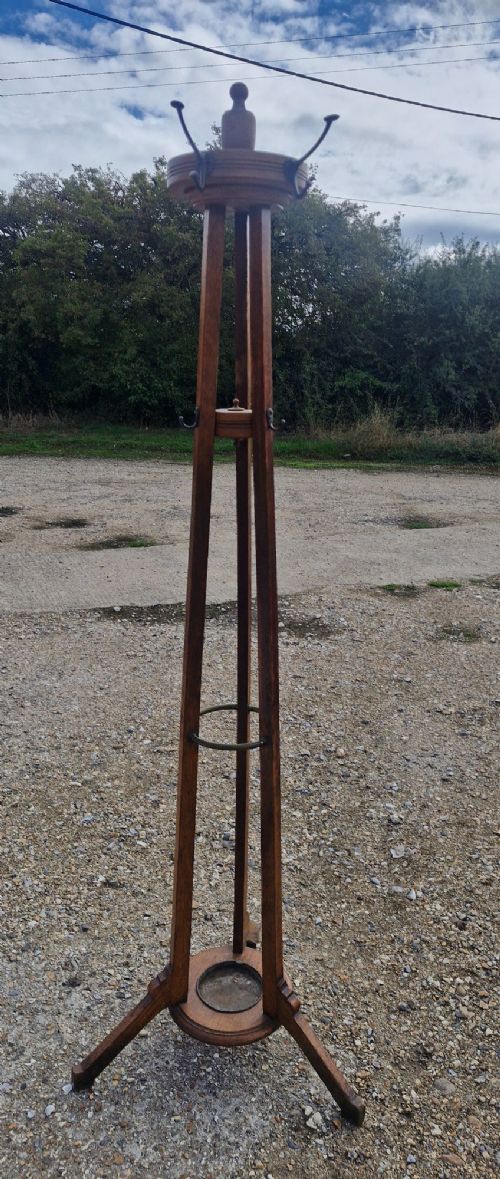
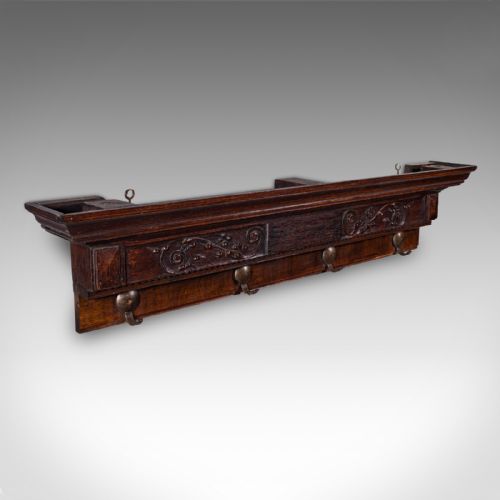
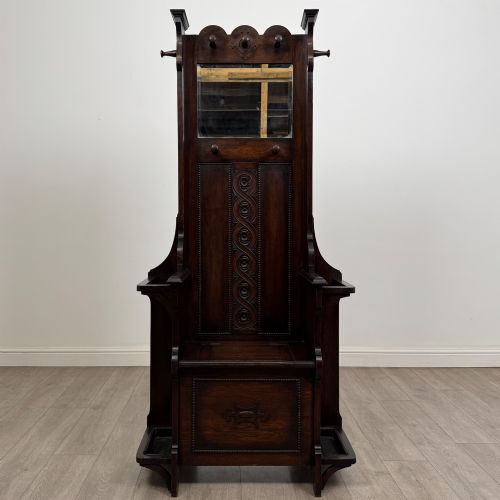
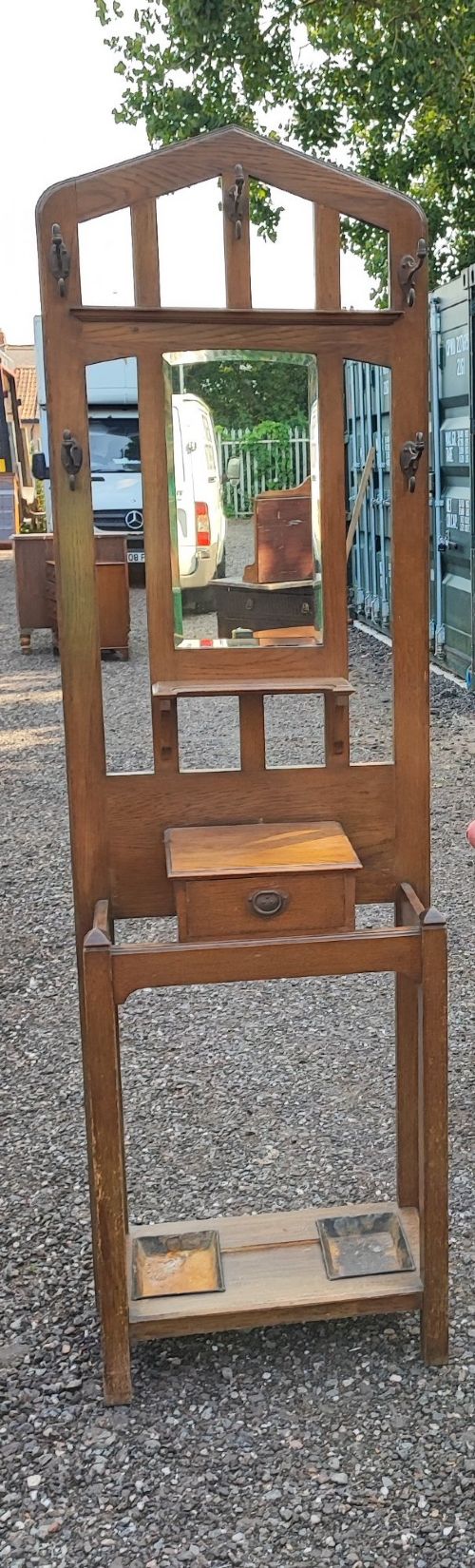
When you search for a dark brown coat rack, you encounter practical hallway furniture and wall-mounted fixtures designed to manage outdoor garments. The selection spans robust oak hall stands, multi-functional hall seat stands, and wall-mounted hooks from the Victorian and Edwardian periods.
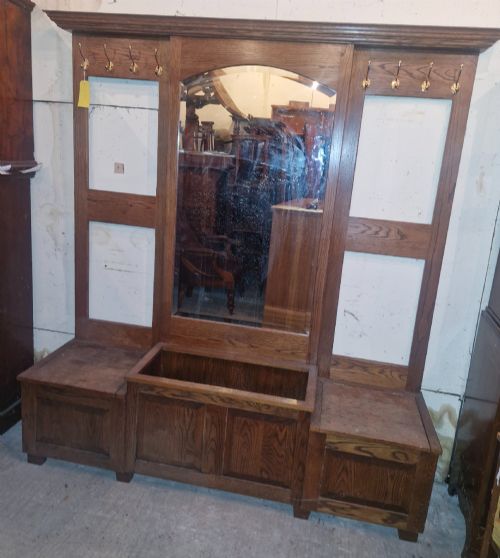
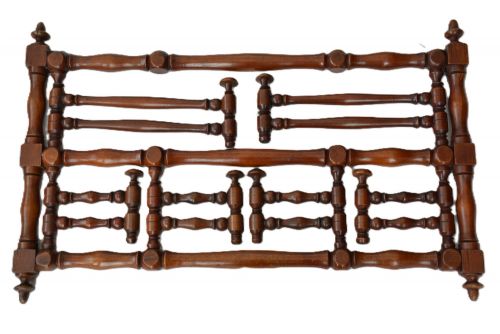
The category encompasses diverse formats, from expansive hallstands with integrated seats to simple wall-mounted timber rails fitted with metal hooks. Each iteration reflects the domestic routines and interior needs of the nineteenth and early twentieth centuries.
Materials and construction
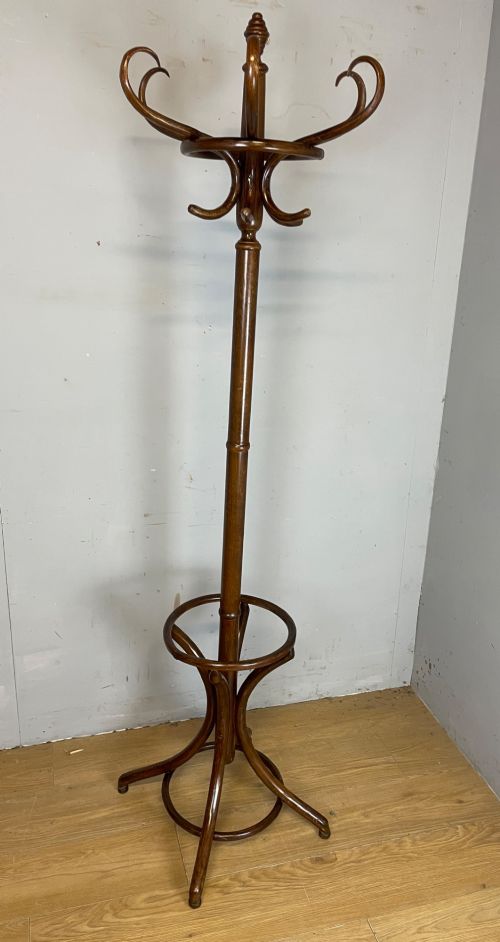
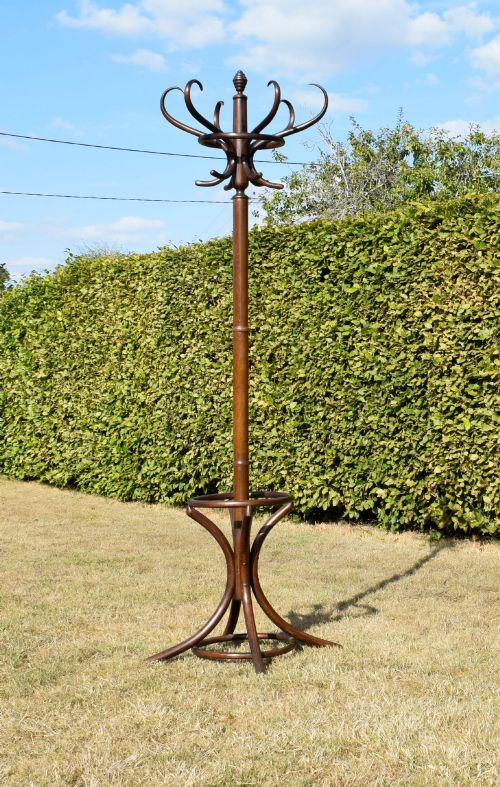
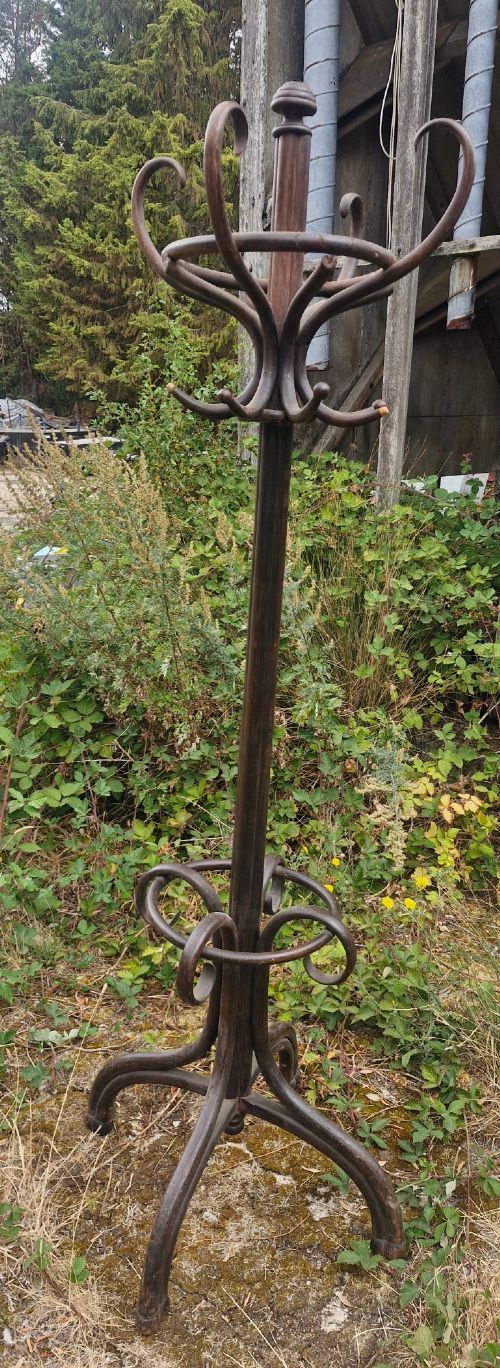
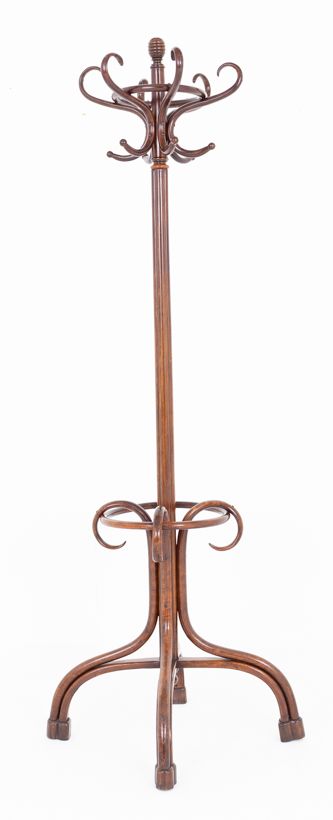
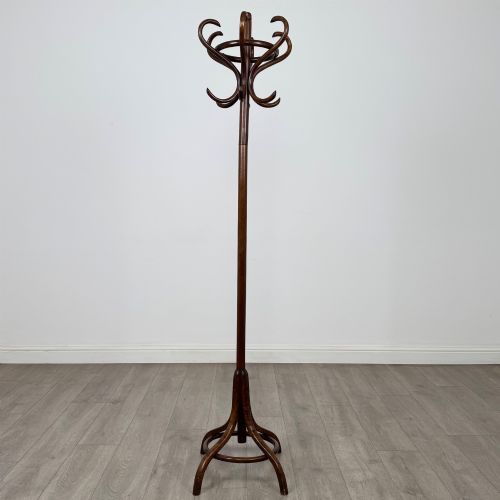
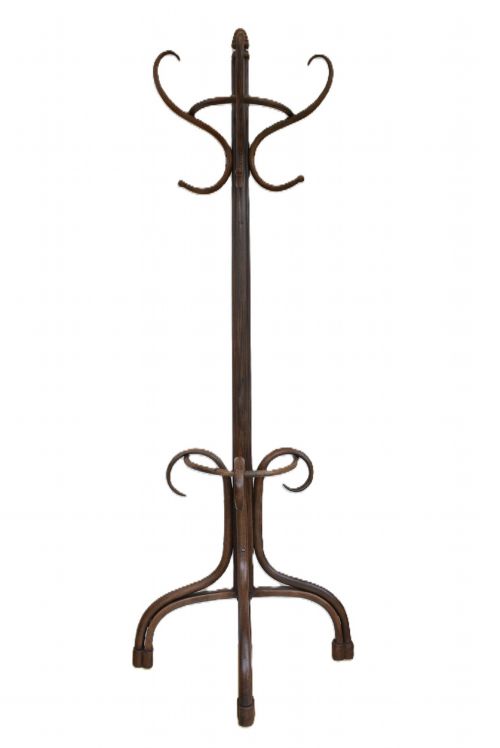
Makers utilised solid timbers such as oak, beech, and walnut, frequently finished in rich, dark brown tones that accentuate the natural grain. Bentwood items employ steamed beech manipulated into curved structural loops, a technique associated with Thonet production.
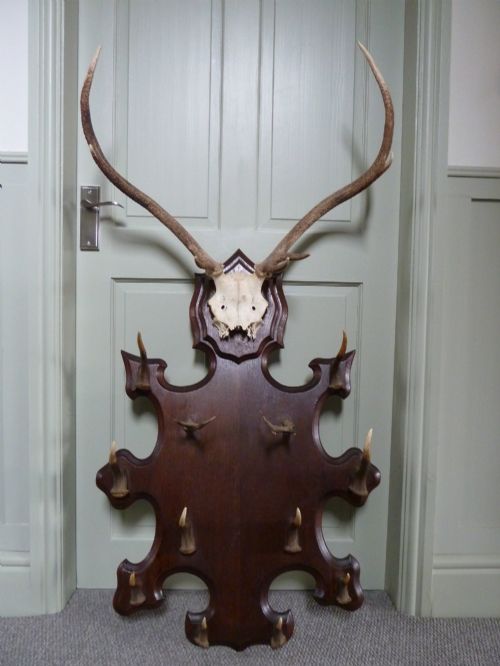
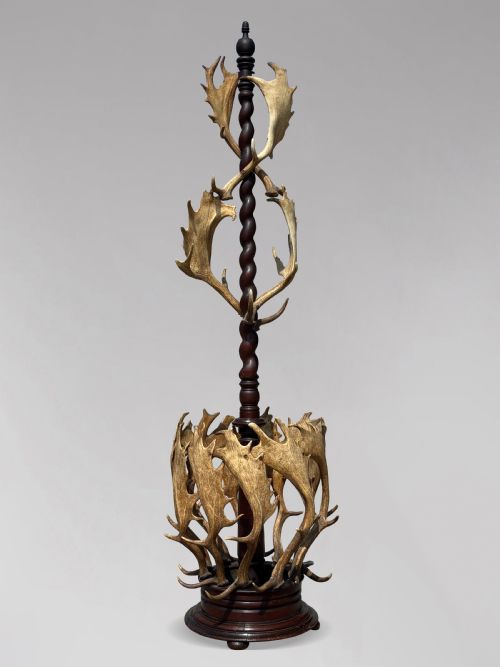
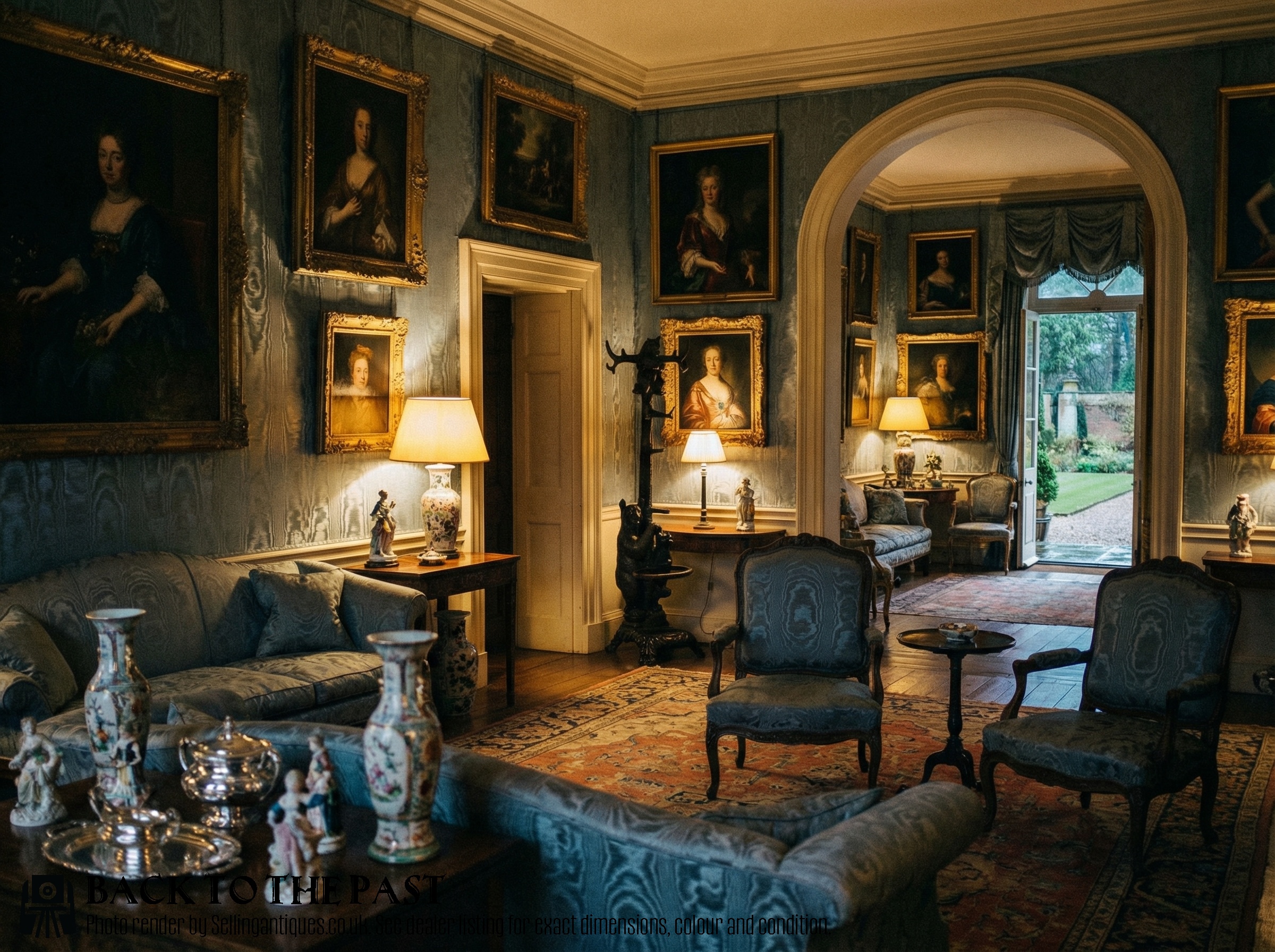
Carved details appear across Victorian and Black Forest pieces, incorporating linden wood and oak sculpted into animal forms, foliage, or mythological motifs. Structural iron, brass, and metal hooks are secured to wooden backboards or freestanding frames to bear the weight of heavy garments.
A gnome whip hook watches over your coats.
Variations in quality
The standard of a piece rests upon the depth of carving, the integrity of the timber joints, and the retention of original hardware. Elaborate Black Forest carvings and exhibition-grade oak structures demonstrate superior hand-craftsmanship compared to utilitarian alternatives.
The condition of the timber finish, the stability of bentwood curves, and the presence of original glass mirrors or drip pans distinguish exemplary survivals from standard domestic items.
Thonet·J. Parker of Woodstock·Fischel
The Dark Brown Coat Rack Glossary
- Bentwood
- Wood softened by steam and bent into curved forms. This technique created lightweight yet durable stands during the nineteenth and twentieth centuries.
- Hallstand
- A piece of entrance hall furniture combining coat hooks, a mirror, and often an umbrella stand or bench seat. They managed outerwear in period homes.
- Black Forest
- A style of wood carving originating in Switzerland and Germany. These pieces depict animals and natural elements in carved Linden wood or oak.
- Thonet
- A manufacturing name synonymous with bentwood furniture production. Their designs set the standard for steam-bent beech household items.
Dark Brown Coat Rack: Frequently Asked Questions
How do I date a dark brown coat rack?
Dating relies on stylistic clues and construction methods. Victorian pieces often feature heavy oak carving, mirrors, and umbrella wells, whereas Edwardian and early twentieth-century examples lean towards lighter frames or bentwood construction.
Examining the type of metal hooks, screws, and timber grain provides further indication of the manufacturing period.
Where were hall stands typically placed?
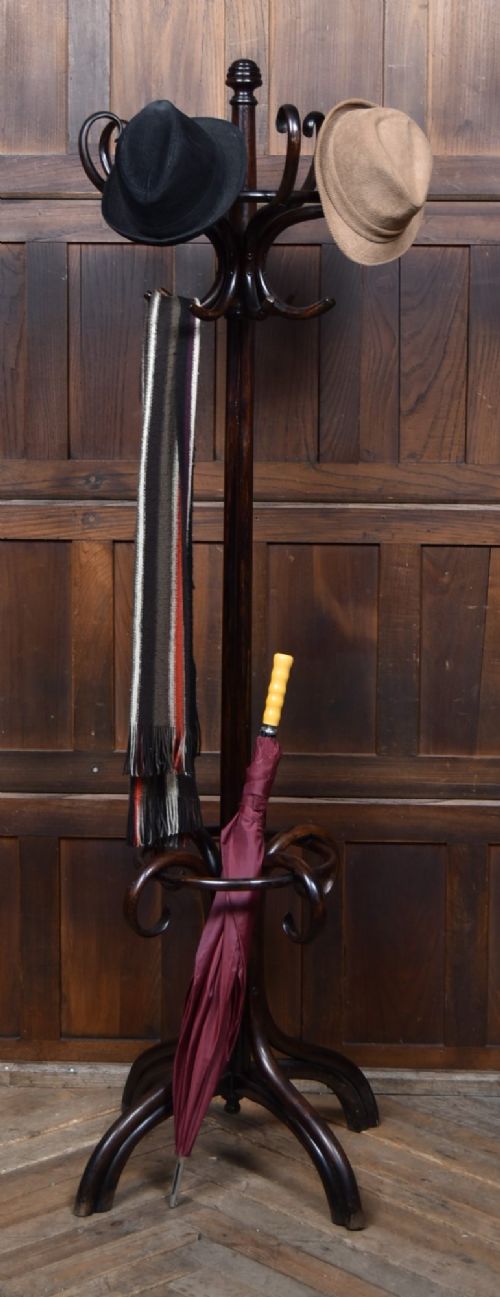
These items stood in entrance halls, reception rooms, and cloakrooms of period homes. Their primary function was to receive hats, coats, umbrellas, and walking sticks immediately upon entering the house.
Freestanding designs provided stability in large foyers, while wall-mounted racks suited more compact passageways.
What is the difference between bentwood and carved oak?
Bentwood stands utilise steam-treated beech shaped into smooth, curved lines that create an open and lightweight silhouette. Carved oak pieces are heavier, solid constructions defined by hand-chiselled ornamentation, panels, and integrated mirrors.
Each style represents a distinct aesthetic preference within nineteenth and twentieth-century domestic interiors.
How should I care for antique wooden hall furniture?
Maintain the timber by keeping the piece away from direct heat sources and sudden temperature fluctuations that can dry out the wood. Regular dusting with a soft, dry cloth preserves the dark brown finish.
Avoid abrasive cleaners and apply occasional appropriate wax feeds to nourish older wood surfaces.