

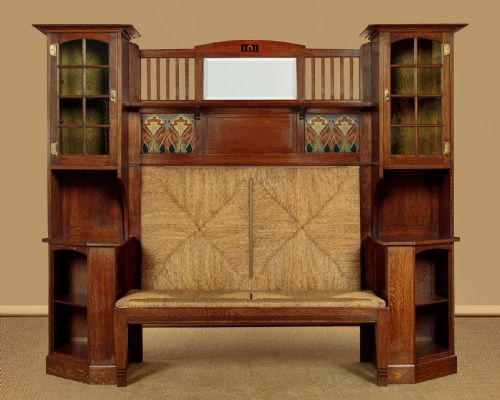


Art Nouveau Hall Stand
An art nouveau hall stand brings floral curves and practical hallway storage into your home.
What an art nouveau hall stand is
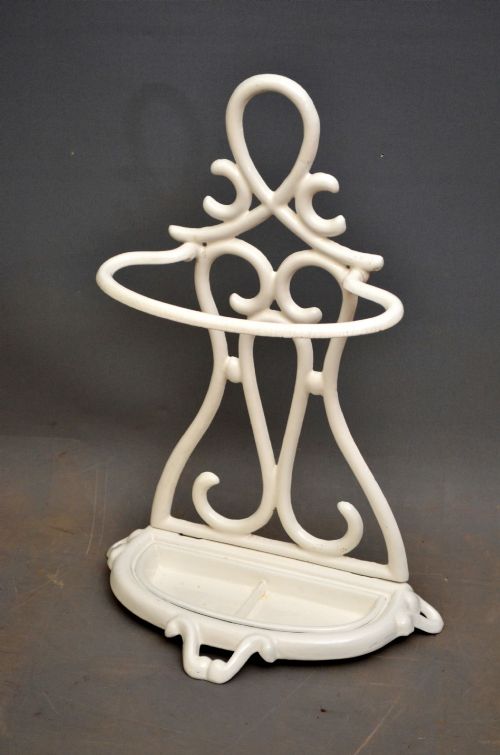
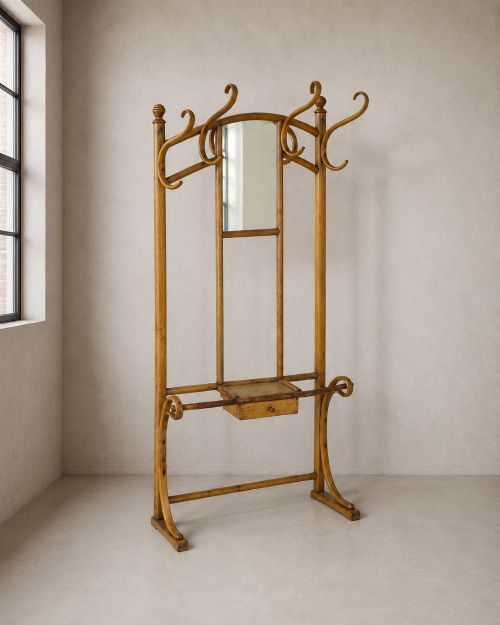
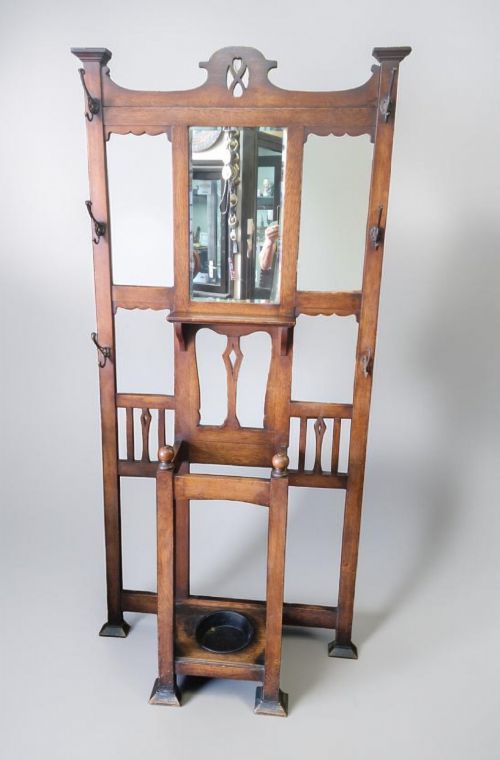
An art nouveau hall stand combines coat hooks, hat storage, mirror plates and umbrella wells into a single hallway furnishing. Pieces meeting this description span the late nineteenth century through to the nineteen twenties, embracing both the flowing organic curves of the continental movement and the cleaner lines of the British Arts and Crafts tradition.
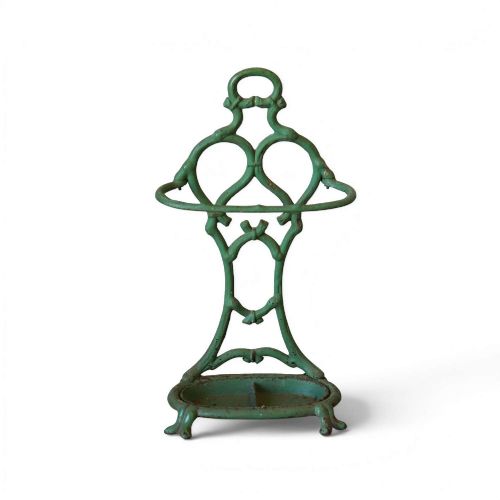
The dominant material across these pieces is oak, though walnut, mahogany, beech, birch and bentwood also appear. Many examples incorporate metalwork through brass hooks, copper trays or cast iron and bronze frames, while others feature integrated glass mirrors for a final check before leaving the house.
How they were made
Cabinet makers built the structural frames using solid timber such as oak, walnut and mahogany, often pairing them with steam-bent beech for curved elements. Wood surfaces were carved, inlaid or polished to highlight the natural grain.
Metal components, including brass, bronze, copper and cast iron, were shaped into structural frames, drip trays and decorative coat hooks. Integrated mirrors were bevelled and backed before being secured into carved timber frames.
Retail Price Guide 2026
Typical UK retail prices for art nouveau hall stand, calculated from the Sellingantiques database of over a million retail prices indexed since 2003. This retail price guide relies exclusively on Sellingantiques data; no external sources or auction records are used, so the figures do not describe the wider market.
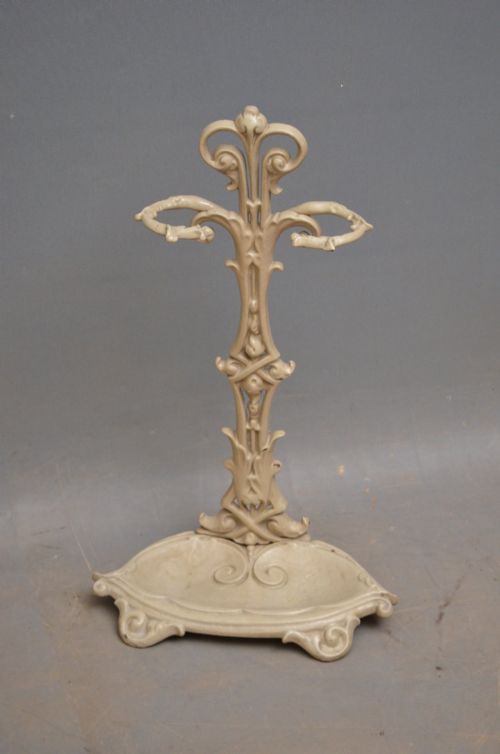
Early umbrellas were notoriously damp, so many stands include removable metal trays to save hallway floors from puddles.
What varies in quality
Quality rests upon the selection of timber and the integration of mixed media, such as hammered copper or patinated brass against solid oak or walnut. Superior examples display crisp hand-carving and thoughtful proportion rather than purely applied decorative motifs.
The handling of structural metalwork separates standard production from finer output. Robust cast iron umbrella bases, heavy brass rails and original hooks retain their integrity far better than lighter substitute fittings.
Thonet·Fischel
The Art Nouveau Hall Stand Glossary
- Bentwood
- Timber softened by steam and bent into curved structural forms. This technique created lightweight yet resilient frames, particularly popular with continental makers.
- Arts and Crafts
- A design movement running parallel to art nouveau that emphasised traditional craftsmanship and simple construction. Pieces in this style often prioritized honest timber construction over excessive ornament.
- Drip tray
- A metal receptacle placed at the base of a stick stand to catch moisture from wet umbrellas. These trays were typically made from removable copper or brass for easy cleaning.
- Mirror back
- A reflective glass panel fitted into the upper framework of a hall stand. This feature brightened dark entrance halls and offered a practical amenity for visitors.
Frequently Asked Questions
What is an art nouveau hall stand?
An art nouveau hall stand is a multi-functional hallway piece designed to hold coats, hats, sticks and umbrellas. It typically includes a central mirror and umbrella drip trays.
These pieces date primarily from the late nineteenth century to the nineteen twenties. They combine utility with the distinct organic motifs of the era.
How do I use one in a modern hallway?
A hall stand provides vertical storage for everyday outerwear without occupying excessive floor space. The hooks manage coats and scarves, while the base secures umbrellas and walking sticks.
Position the stand near the primary entrance for maximum daily convenience. The integrated mirror also helps reflect natural light into compact hallways.
Are these stands made of solid oak?
Oak is the most frequently recorded timber for these pieces, appearing across both solid constructions and veneered surfaces. Walnut, mahogany, birch and beech also feature prominently.
Many examples incorporate contrasting materials like brass, copper and cast iron for hooks and umbrella wells. Glass is used exclusively for the mirror plates.
How do I distinguish art nouveau from arts and crafts?
Art nouveau design favours whiplash lines, asymmetrical floral motifs and botanical curves. Arts and Crafts pieces lean towards structural honesty, plain timber surfaces and simpler geometry.
Both styles overlap during the early twentieth century and frequently share similar oak frames and metal hooks. Look at the decorative carving to determine the primary stylistic influence.