



Dark Brown Bar Stool
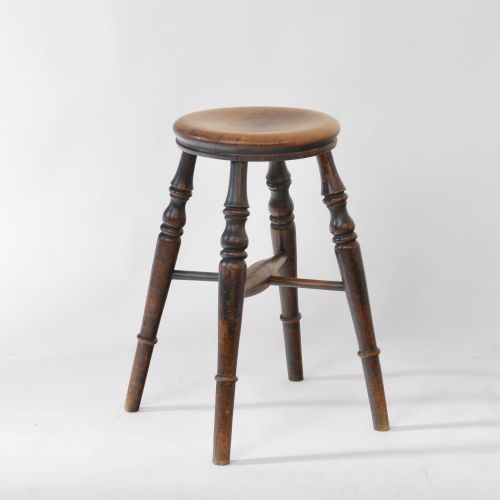
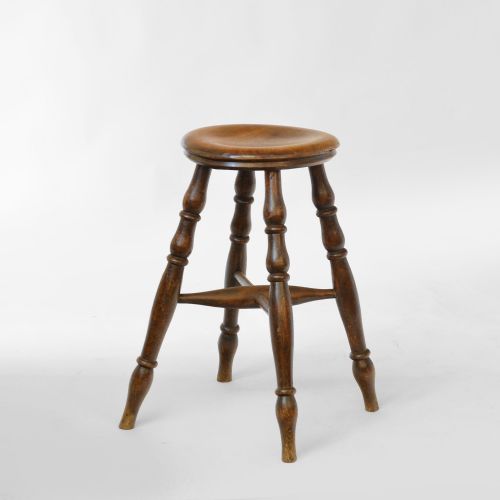
A dark brown bar stool brings rich, patinated timber and industrial grit straight to a high counter.
Dark Brown Bar Stool
A dark brown bar stool serves as a robust seating choice rooted in pub, tavern, and workshop traditions. When searching for a dark brown bar stool, buyers encounter tall timber and steel forms spanning the nineteenth century through the early twentieth century.
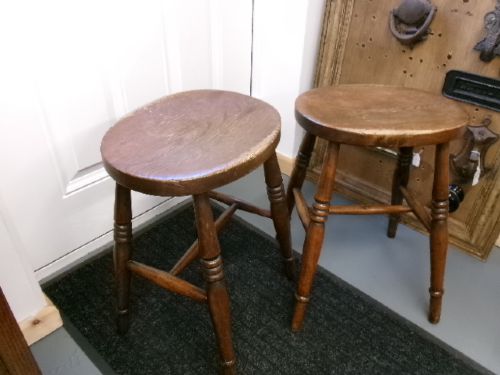
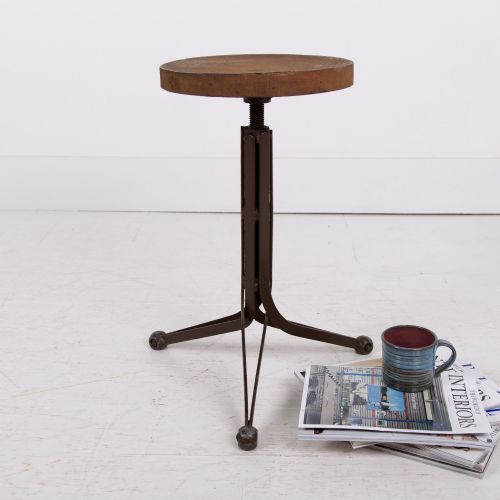
The selection on this page leans heavily toward nineteenth-century vernacular and industrial seating. Examples range from sycamore pub stools and turned beech clerk's stools to steel-framed workshop seats.
Makers designed these tall seats for demanding commercial and industrial environments. Their elevated posture and sturdy construction make them practical additions to modern kitchens and home bars.
How they were made
Craftsmen shaped these pieces using traditional timber turning and joinery techniques. Woods such as sycamore, beech, mahogany, oak, and wild elm provide the solid foundations seen across the inventory.
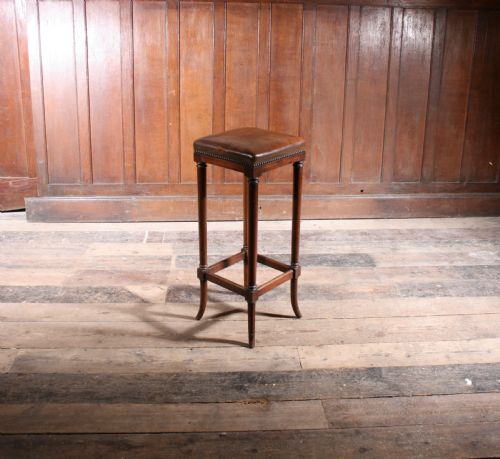
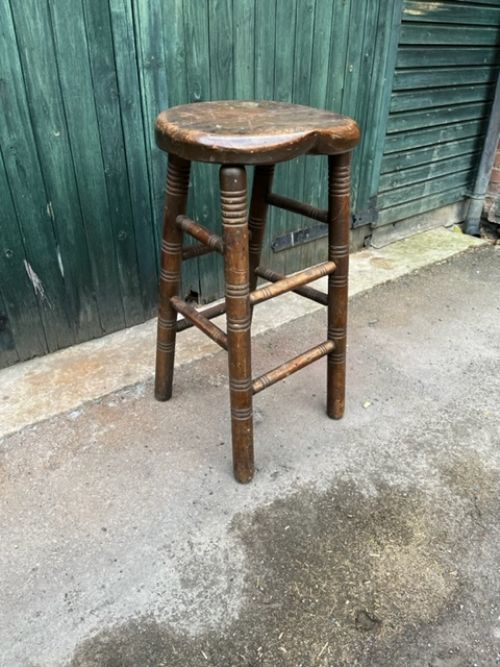
Industrial examples incorporate steel alongside wood, while certain refined variants feature leather upholstery. Makers often formed seats with an oval dished top to ensure comfort during long hours of sitting.
Listings feature timber varieties including sycamore, mahogany, beech, oak, and wild elm, alongside steel industrial frames.
What varies in quality
The distinction between standard utility seating and finer examples lies in timber selection and turning detail. A piece featuring nicely figured mahogany or wild elm sits above a plain utilitarian workshop seat.
Structural integrity and the survival of original patinated surfaces dictate desirability. Deep, honest wear on an oval dished top reflects genuine tavern use rather than modern distress.
The Dark Brown Bar Stool Glossary
- Dished top
- A seat carved with a shallow depression to fit the body. This traditional shaping enhances comfort on wooden tavern stools.
- Turned beech
- Timber shaped on a lathe to create cylindrical legs and stretchers. Beech provides a strong, fine-grained frame for nineteenth-century seating.
- Workshop stool
- Industrial seating designed for factories and drafting rooms. These pieces often combine adjustable steel mechanisms with wooden seats.
- Vernacular
- Everyday objects made by regional craftsmen for practical local use. These stools prioritise sturdy function over high-style ornamentation.
Dark Brown Bar Stool: Frequently Asked Questions
Where were these stools used originally?
Many of these tall stools served in nineteenth-century pubs, public houses, and rural taverns. Others stood beside high desks in merchant offices or supported workers in industrial workshops.
Their elevated design allowed workers and patrons to sit comfortably at raised surfaces. Today, that same practical height suits modern kitchen islands and breakfast bars.
How do I identify a nineteenth-century piece?
Nineteenth-century stools reveal their age through tool marks, hand-turned components, and deep natural patination on the timber. Joinery methods often rely on pegged mortise and tenon construction rather than modern fasteners.
Examining the underside and leg junctions often uncovers the hand-shaping characteristic of vernacular woodwork. The specific wood choices, such as sycamore and wild elm, also point toward older rural production.
Are industrial stools comfortable?
Industrial workshop stools prioritise functional durability and adjustable heights over plush padding. Many feature wooden seats shaped to support the sitter during long tasks.
Adding a sheepskin or cushion can soften the perch if you plan to use them for extended dining. Their sturdy steel frames ensure stable support regardless of adjustments.
How do I match different woods in my kitchen?
Mixing woods works well when the tones share a similar dark brown warmth and historic character. You do not need an exact match between your bar counter and the stool timber.
The natural patina on nineteenth-century mahogany, beech, and elm creates an eclectic, collected look. Let the shared age and utility of the pieces tie the scheme together.