
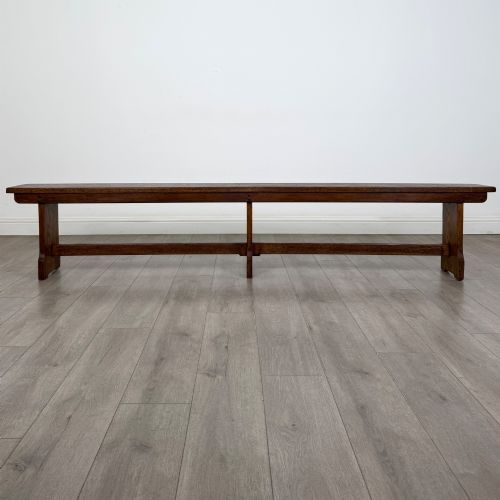
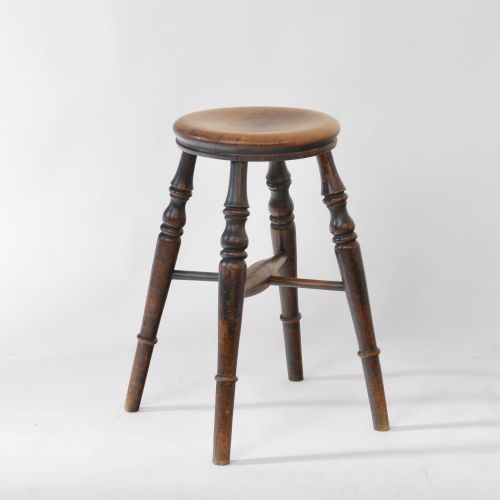
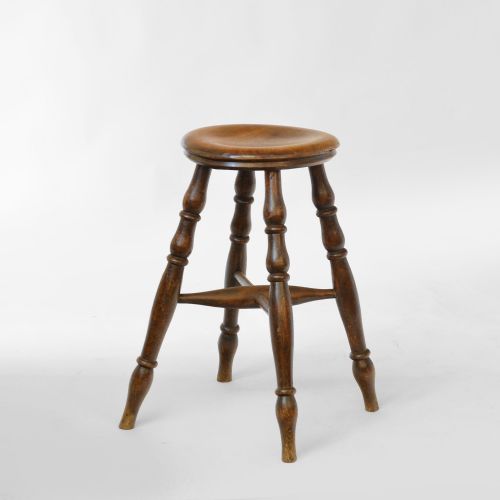
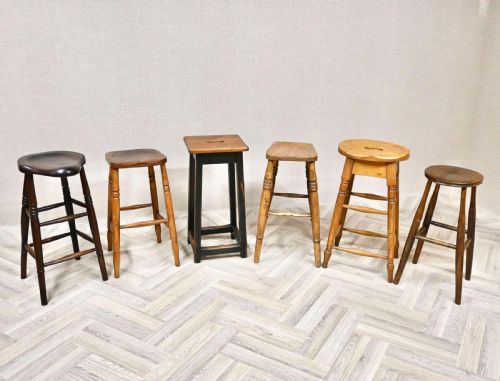




19th Century Pub Stool
A 19th century pub stool brings sturdy character and historic utility into a modern room.
19th Century Pub Stool
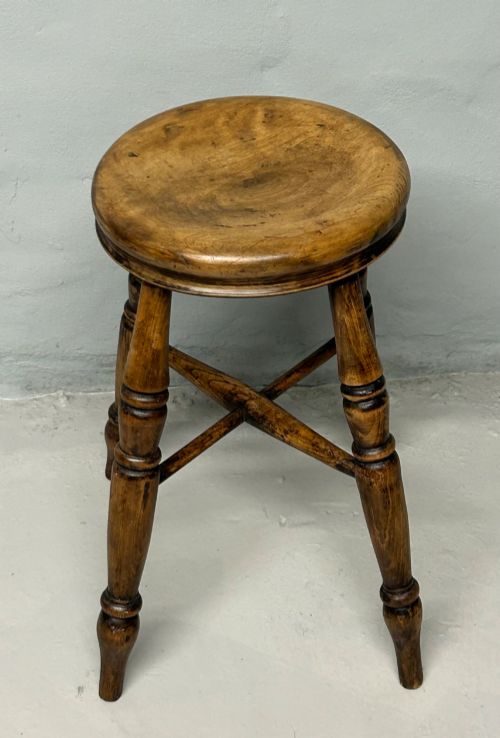
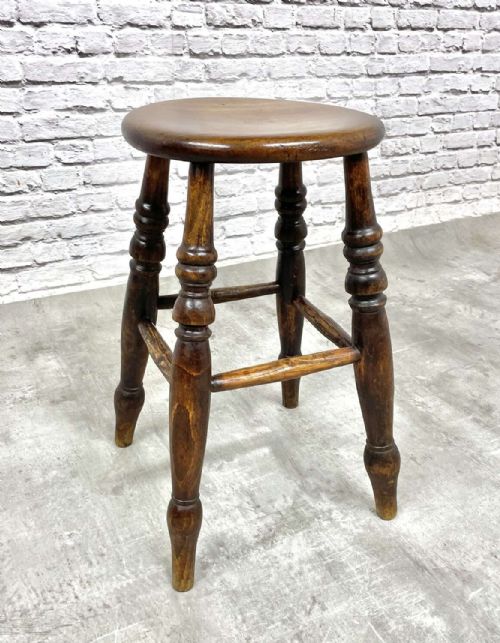
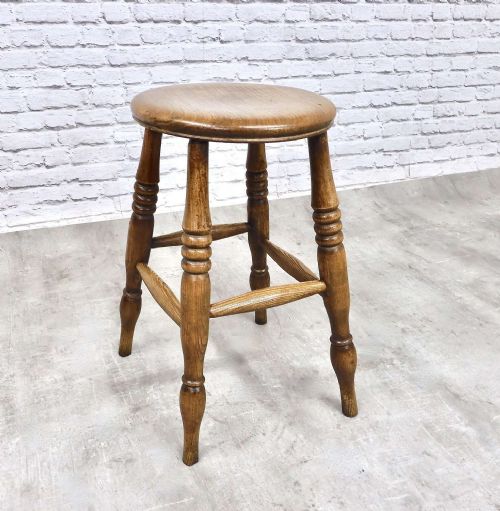
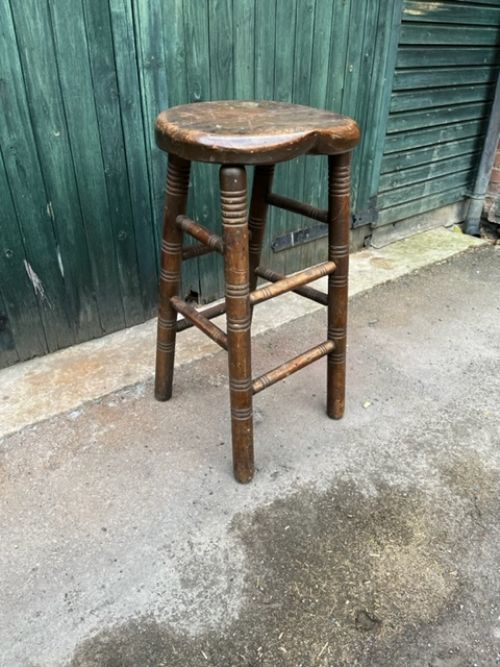
When you search for a 19th century pub stool, you encounter practical seating born from commercial houses, taverns, and alehouses. These sturdy wooden forms include tavern stools, bar stools, clerk's stools, and occasional benches designed for sustained daily use.
The versions most commonly met on this page span the 19th century and Victorian periods, often categorised under rustic farmhouse and vernacular styles. Their straightforward construction reflects the functional needs of historic working interiors rather than formal parlour display.
Makers shaped these utilitarian objects from native timbers to withstand heavy traffic in commercial settings. Surviving examples retain the honest marks of trade and trade-related wear that collectors value today.
How they were made
Craftsmen utilised robust native hardwoods such as elm, oak, beech, sycamore, ash, and birch to construct these durable seats. Turned elements frequently appeared on legs and supports, reflecting traditional carpentry techniques of the era.
Simple joinery and solid timber construction ensured the pieces could endure constant use in busy taverns and alehouses. Wood selection prioritised resilience and availability, resulting in honest vernacular execution across all surviving examples.
Countless thirsty patrons rested their boots on these exact footstretchers long before electric lighting existed.
What varies in quality
Subtle differences in timber choice and turning execution separate standard utility items from finer vernacular examples. Grain configuration and patination accumulated through decades of use contribute significantly to the visual weight of an individual stool.
Proportion and structural integrity dictate the enduring appeal of each piece, with well-balanced seating standing apart from heavier or clumsier forms. Original surface patination without modern intervention preserves the genuine character of these historic commercial furnishings.
The 19th Century Pub Stool Glossary
- Vernacular
- Everyday objects made by local craftsmen for practical use rather than following high-style academic designs. These pieces rely on regional traditions and readily available materials.
- Patina
- The deep surface sheen and mellow colour developed by wood over decades of handling and exposure. It serves as a visual indicator of age and genuine use.
- Turning
- The process of shaping wood on a lathe to create cylindrical, tapered, or decorative structural components like legs and stretchers. Turned details add both strength and visual interest to simple seating.
- Elm
- A tough, interlocking hardwood frequently chosen for seats because it resists splitting under pressure. Its distinctive grain pattern remains a hallmark of traditional British country furniture.
- Sycamore
- A pale, close-grained hardwood often utilised for traditional tavern seating and turned components. It offers a smooth surface that ages gracefully with regular contact.
19th Century Pub Stool: Frequently Asked Questions
What defines a 19th century pub stool?
These pieces are historic commercial seats built from native timbers to withstand heavy daily use in taverns and alehouses.
They reflect straightforward vernacular design traditions rather than formal cabinetmaking, prioritising utility above all else.
Where were these stools used originally?
Historic examples served patrons in busy taprooms, alehouses, and public houses across the country.
Some variants also supported workers in commercial settings, including clerk's offices and industrial mills.
How do I care for antique wood?
Keep wooden seating away from direct heat sources and sudden temperature shifts to prevent timber splitting.
Apply natural wax sparingly to maintain the protective surface patination without altering the historic finish.
Are these seats comfortable?
Constructed entirely from solid timber, these seats offer firm support designed for brief periods of rest in public houses.
Contrasting seat depressions on certain models provide ergonomic shaping carved directly into the hardwood.
How do I identify the wood type?
Examine the grain pattern and natural coloration to distinguish between common timbers like elm, beech, sycamore, and oak.
Close inspection often reveals the distinctive growth rings and hardness characteristic of native British hardwoods.