




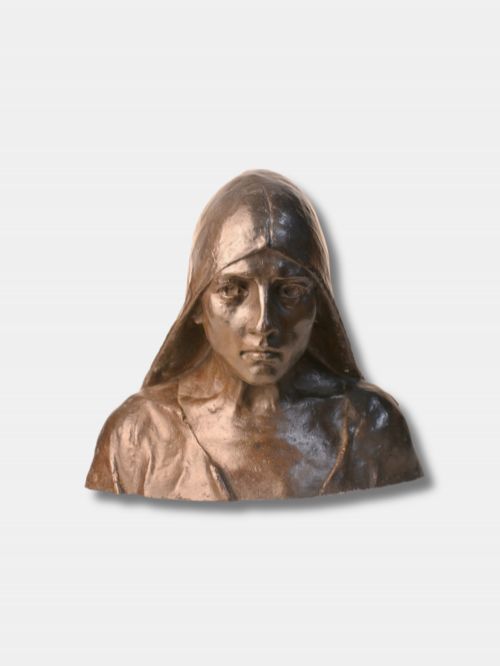
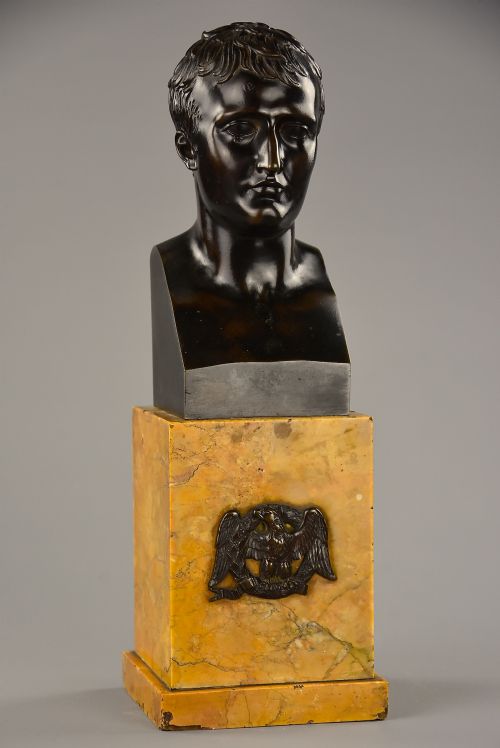


Dark Bronze Portrait Bust
A dark bronze portrait bust brings classical gravity and notable historical figures into a room with substantial weight and presence.
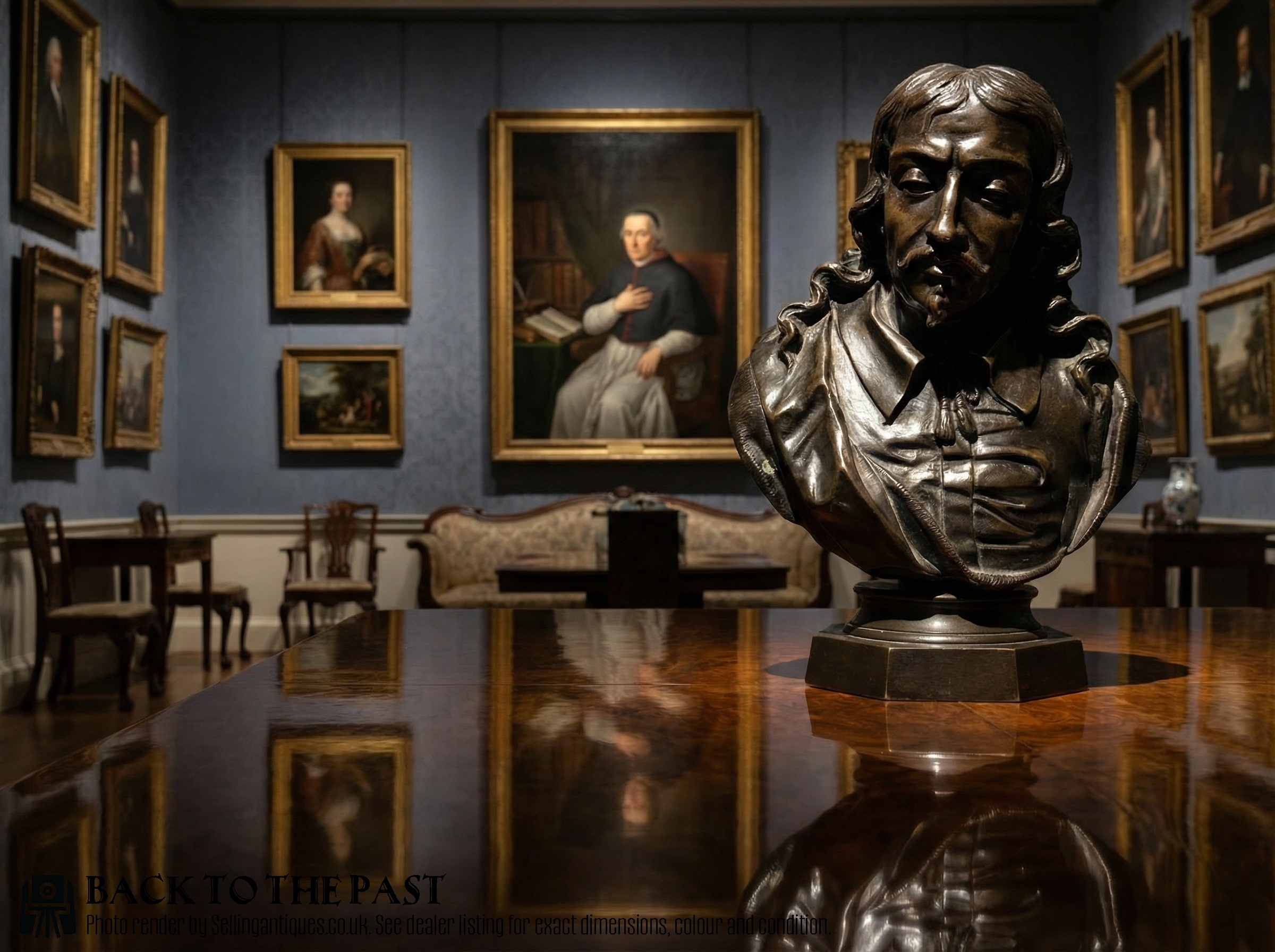
Dark Bronze Portrait Bust
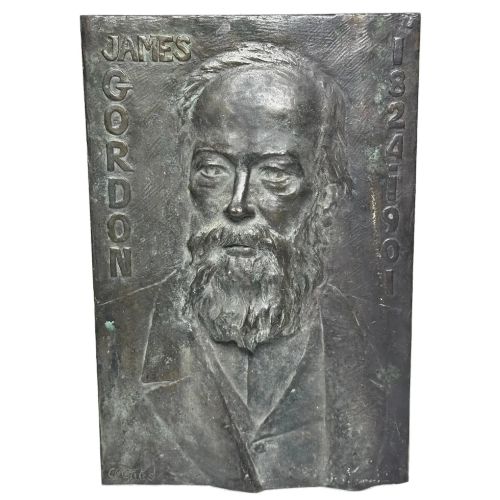
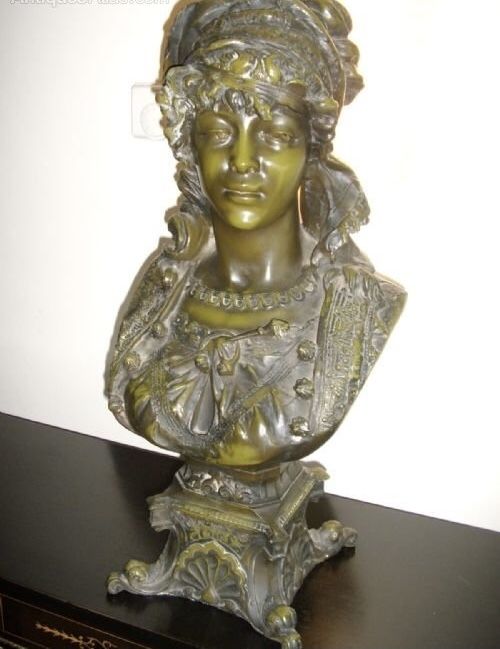
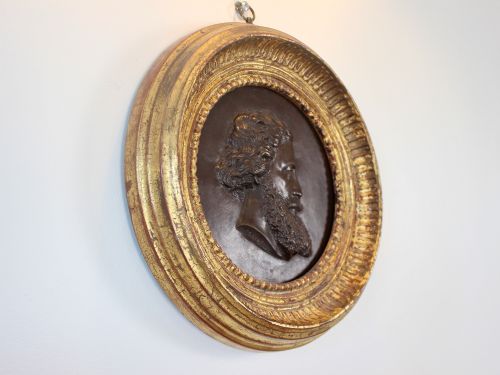
A dark bronze portrait bust captures the likenesses of historical figures, literary icons, classical rulers, and anonymous subjects with striking permanence. When searching for a dark bronze portrait bust, collectors encounter works spanning the nineteenth century through the art deco era, encompassing French, Belgian, Italian, and British origins.
The format ranges from monumental desk studies and library bookends to grand tour reductions of classical antiquities and wall plaques. Victorian and Edwardian examples frequently depict poets, philosophers, and military leaders mounted on integrated marble bases.
How they were made
Foundries utilised the lost-wax casting technique or sand casting to translate modelled clay or plaster originals into solid bronze or cast metal. Artisans applied chemical patination treatments directly to the metal surface to achieve deep brown, black, and greenish dark bronze tones.
Many portraits combine cast bronze with contrasting materials, mounting the metallic busts onto turned black marble, variegated marble plinths, or wooden supports. Certain library pieces substitute bronze entirely for painted plaster or terracotta.
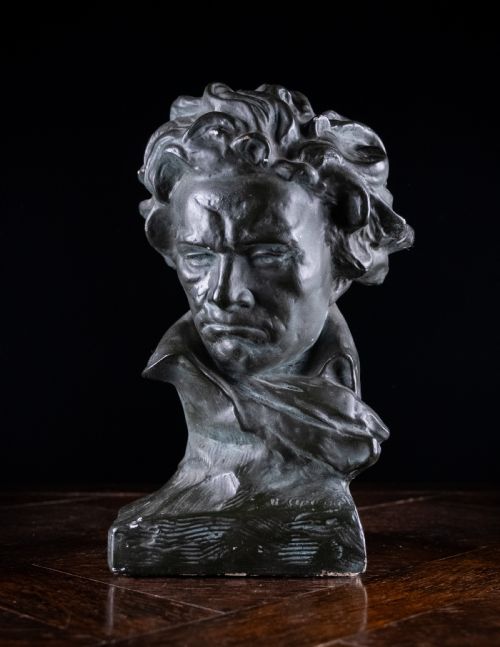
Ludwig van Beethoven and William Shakespeare both stare down time from heavy library desks, rendered in painted plaster and dark metal bookends.
What varies in quality
Signatures of recorded sculptors and identifiable foundry marks elevate a piece significantly. The density of the patination, the quality of the marble base selection, and the crispness of the lettering on identification plaques define the upper tier of the range.
E Villanis·George Minne·Sir Thomas Brock·Alajos Strobl·Mathurin Moreau·Leonhard Posch·Georges Van Der Straeten
The Dark Bronze Portrait Bust Glossary
- Patination
- The chemical coloration applied to the surface of a bronze sculpture. This process yields the characteristic dark bronze tones seen on nineteenth-century works.
- Grand Tour
- A period of European travel undertaken by upper-class scholars and collectors. These travellers acquired miniature bronze busts of classical philosophers and emperors as souvenirs.
- Chassage
- The finishing process applied to a raw metal casting using chisels and files. Careful chassage restores texture and detail lost during the foundry casting stage.
- Plinth
- The heavy base block supporting a bust. These are frequently formed from polished black marble or variegated stone.
Dark Bronze Portrait Bust: Frequently Asked Questions
How do I identify a grand tour bust?
Grand tour pieces typically depict classical Greek or Roman figures such as Homer, Socrates, or Roman emperors. They were produced during the nineteenth century as educational and decorative objects for travellers returning from Italy.
These reductions often feature dark patinated bronze surfaces mounted on simple circular or square marble socles without maker signatures.
What is the difference between bronze and cast metal?
True bronze is an alloy composed primarily of copper combined with tin, yielding a heavy, durable material that accepts chemical patination readily. Cast metal covers alternative alloy compositions, including white metal or zinc-based substitutes.
Heavier weight, non-magnetic properties, and warmer tactile feedback generally indicate genuine bronze rather than cheaper cast alternatives.
How should I clean a dark bronze surface?
Dust the surface regularly with a soft, dry brush to prevent particulate accumulation. Avoid using water, household detergents, or metal polishes, which strip away the original historical patination.
Occasional application of microcrystalline wax helps protect the dark bronze finish from atmospheric moisture and handling oils.
Why do some busts have marble bases?
Marble bases provide structural stability and visual contrast to the dark metal above. Heavier stone plinths prevent top-heavy sculptures from tipping over during everyday display.
Differentiation in marble types, such as black Belgian marble or veined varieties, often reflects the regional origin and period of the workshop.