




Dark Bronze Nude Figure
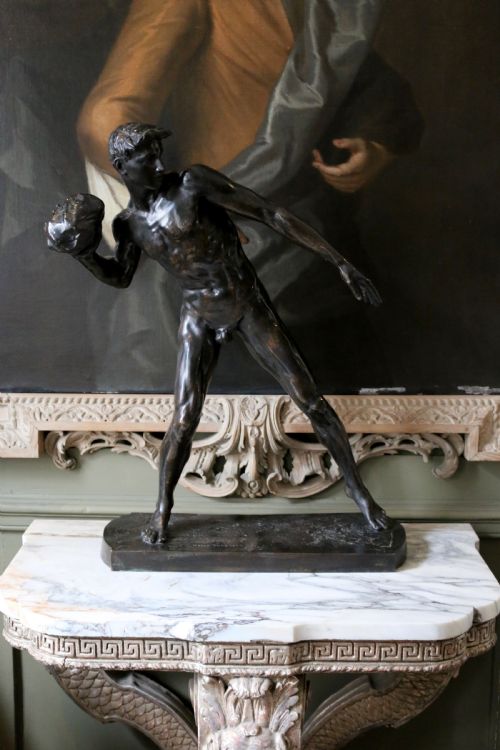
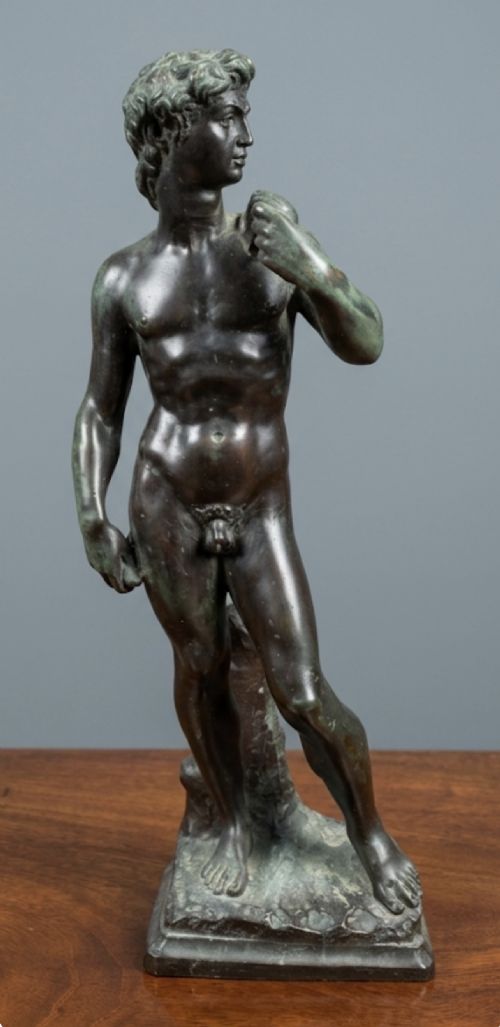
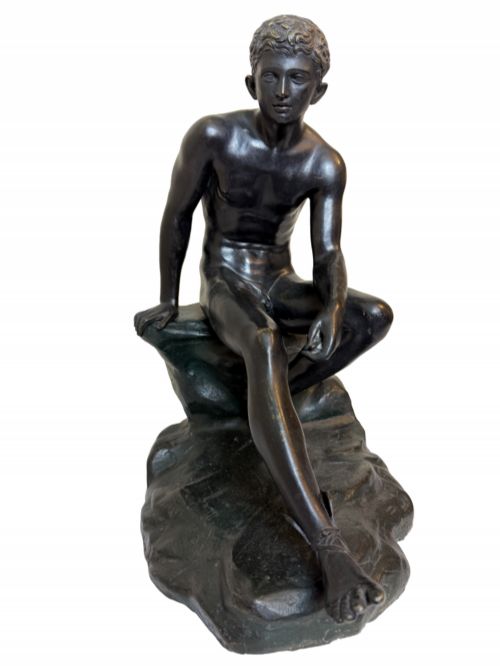
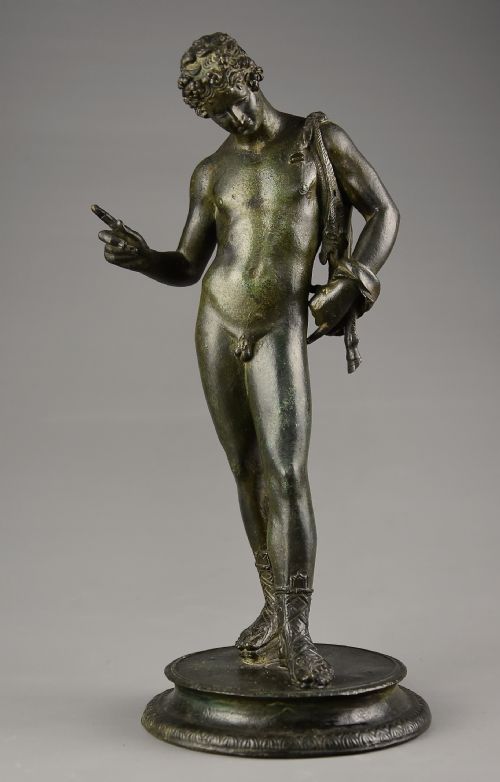
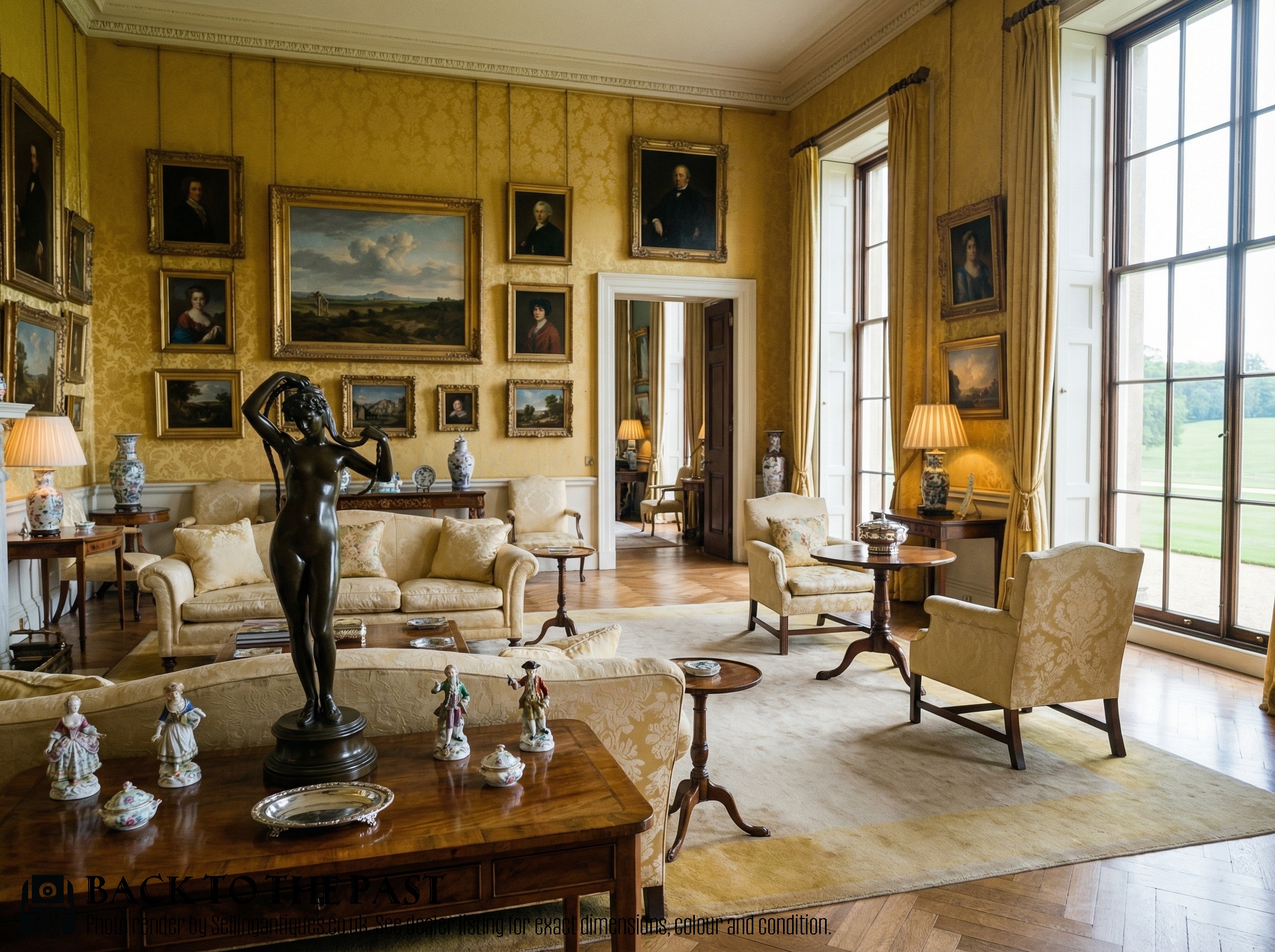
A dark bronze nude figure captures the human form through cast metal, bringing classical poise or modern stylisation into an interior.
Dark Bronze Nude Figure
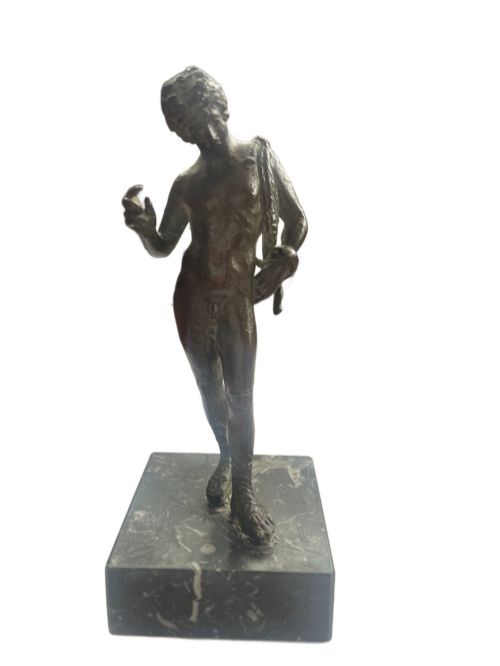
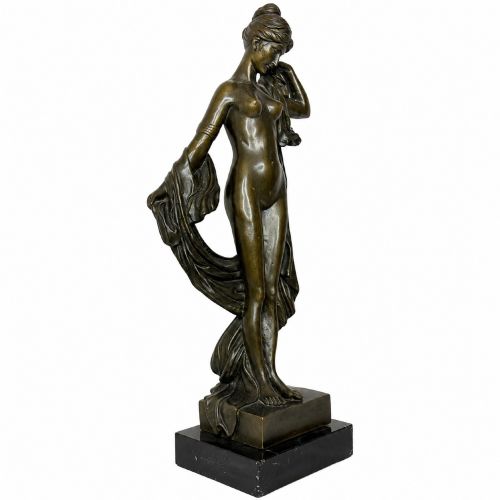
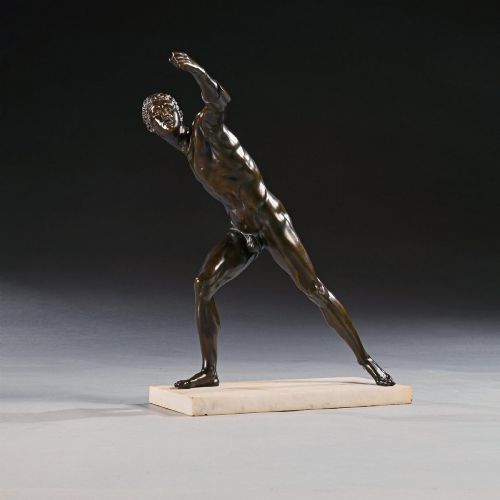
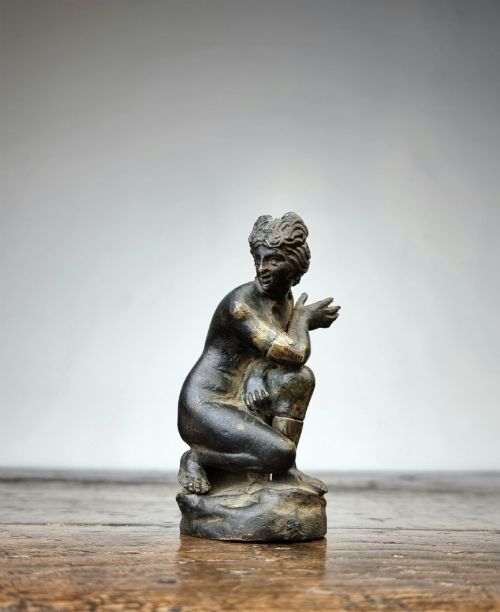
A dark bronze nude figure represents the human body in cast metal, frequently taking the form of classical deities, mythical heroes, or stylised dancers. These sculptures appear across various periods, from seventeenth-century casts to twentieth-century modernism.
Grand Tour reductions and nineteenth-century French salon bronzes dominate the selection. Figures of Narcissus, Venus, and athletes frequently stand upon marble or slate bases.
Art Deco and Art Nouveau examples introduce leaner lines and geometric posture, while classical models lean on antique sculpture for inspiration.
How they were made
Foundries utilised the lost-wax casting method or sand casting to capture anatomical detail and subtle musculature in molten metal. Artisans then applied chemical patination to achieve dark brown, black, or deep green surfaces.
Many works incorporate integral or fitted bases made from fossil marble, slate, or polished stone. Selected pieces feature parcel-gilt highlights or cold-painted surfaces to accentuate specific details.
The frog prince makes an unexpected appearance among classical gladiators and mythological deities.
What varies in quality
The depth and uniformity of the chemical patination contribute to the visual weight of the sculpture. Heavier, more stable mounting onto stone or marble bases also separates standard foundry output from finer commissions.
Ferdinand Barbedienne·Hamo Thornycroft·Sibylle May·Hector Lemaire·Eugene Barillot·S. Kinsburger·Aristide Maillol·Anders Zorn·Hebrard·Paul de Boulogne·Franz Bergman·James Pradier·Susse Freres·Eugène Désiré Piron·Raoul Francois Larche·Albert Hussmann·C Neuhaus
The Dark Bronze Nude Figure Glossary
- Patination
- The chemical treatment applied to the surface of bronze to produce a specific colouration and prevent oxidation. Dark patination enhances the play of light across muscular contours.
- Grand Tour
- A nineteenth-century cultural excursion undertaken by Europeans, resulting in souvenir bronzes modelled after ancient statues. These reductions were cast in workshops across Italy and France.
- Lost-wax casting
- A historic method where a wax model is melted out of a mould to create a cavity for molten metal. This technique allows for intricate undercuts and fine anatomical detail.
- Parcel-gilt
- A decorative finish where parts of the bronze surface receive a thin layer of gold leaf while other areas retain the dark patina. This method highlights garments or specific ornaments.
- Reduction
- A smaller scale copy of a larger monumental sculpture, commonly produced in bronze during the nineteenth century. These allowed collectors to display famous antiquities within domestic spaces.
Dark Bronze Nude Figure: Frequently Asked Questions
What is a dark bronze nude figure?
A dark bronze nude figure is a cast metal sculpture depicting the unclumed human form with a chemical patina. These pieces range from antique Grand Tour reductions to Art Deco stylised studies.
Foundries produced them as decorative objects, mantelpiece ornaments, and miniature monuments. They draw inspiration from classical antiquity and modern artistic movements alike.
How do I care for bronze sculptures?
Bronze requires minimal maintenance, needing only an occasional dusting with a soft, dry cloth. Avoid chemical cleaners or polishing agents that can strip the chemical patina.
Keeping the sculpture away from direct moisture and extreme temperature fluctuations preserves the stability of the metal and any attached stone base.
How can I tell different periods apart?
Nineteenth-century pieces often display classical musculature, academic precision, and direct references to Greek or Roman statuary. Founders frequently signed these works or stamped foundry marks into the bronze.
Twentieth-century Art Deco and Art Nouveau examples abandon classical proportions in favour of elongated silhouettes, stylised drapery, and geometric pedestals.
Were these figures mounted on stone?
Many bronze figures incorporate integral bases that attach directly to marble, slate, or fossil marble plinths. This practice provided visual weight and stability to the composition.
Foundries selected contrasting stone colours to complement the dark patination of the cast metal body.