





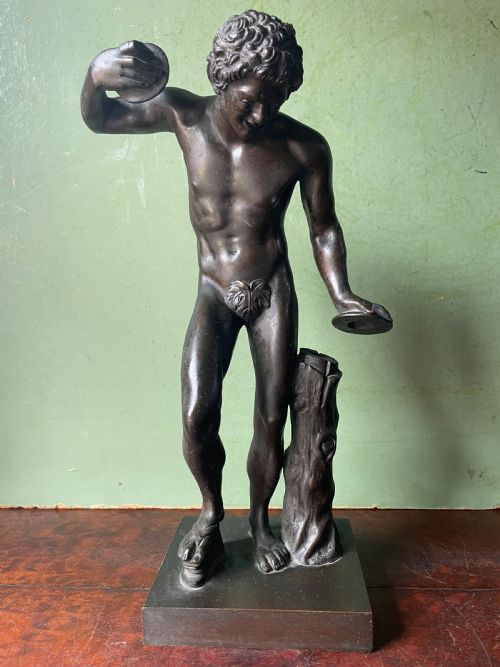
French Classical Bronze Nude
These french classical bronze nude figures combine ancient sculptural subjects with exceptional nineteenth and twentieth-century foundry work, offering collectors enduring elegance.
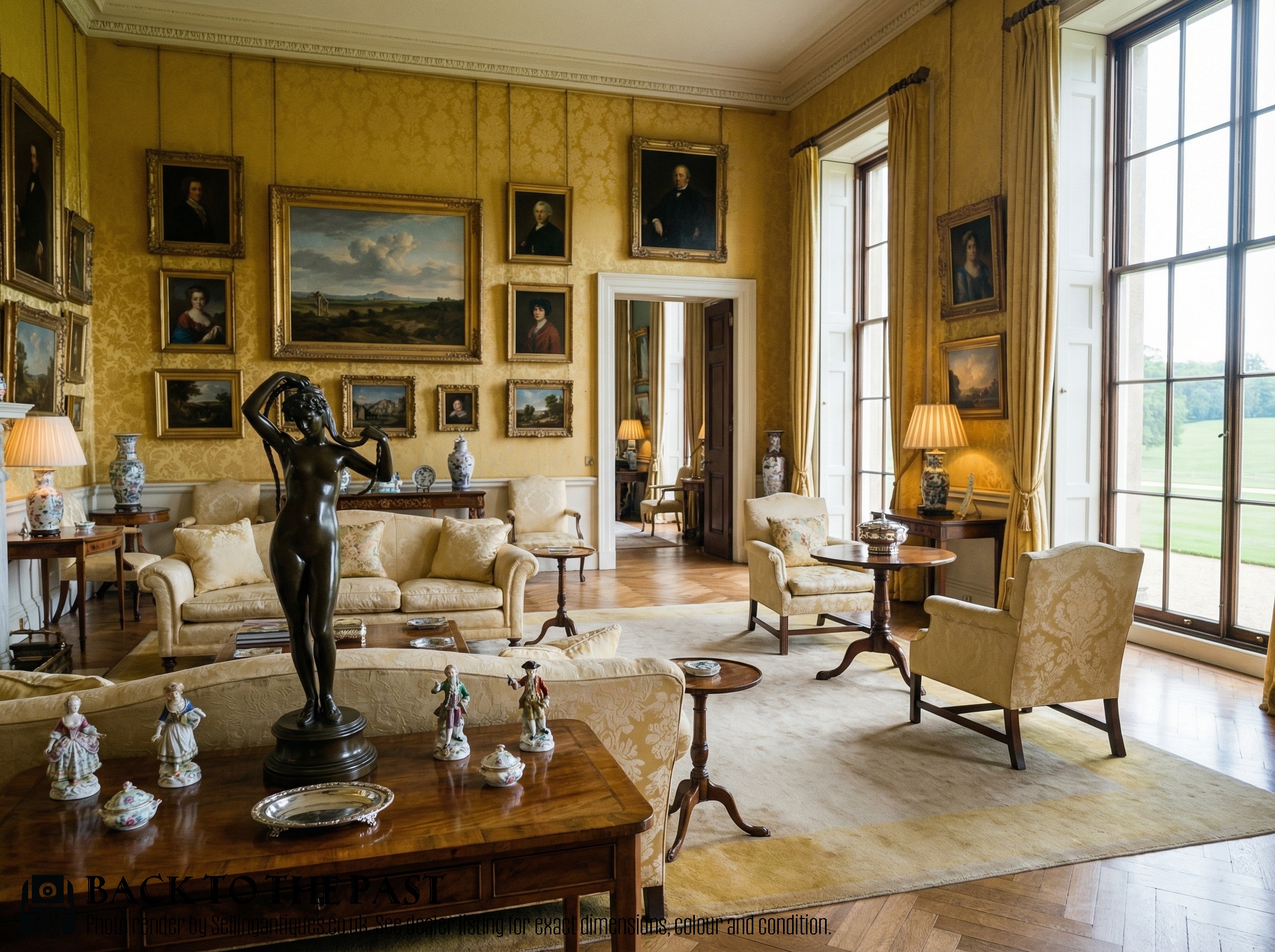
French Classical Bronze Nude
A french classical bronze nude represents figures drawn from mythology, antiquity, and academic tradition, manifested as standalone sculptures, bookends, or Grand Tour reductions. These pieces embody a long heritage of European foundry practice, translating classical ideals into solid metal.
The selections available here frequently span the nineteenth century into the art deco and modernist periods of the twentieth century. Common subjects include mythological figures, warriors, dancers, and allegorical maidens rendered in various states of undress.
Originating primarily from French workshops and foundries, these works range from large-scale monumental castings to intimate cabinet bronzes. Collectors encounter both direct interpretations of antique masterworks and original academic compositions.
Quality and execution
The finesse of the chasing work after casting dictates much of the visual success, separating sharp anatomical articulation and crisp hair texture from softer, generalised forms. Superior examples retain fine details in the fingers, face, and drapery without losing the natural fluidity of the skin.
The quality of the foundry mark, the depth of the patination, and the integration of the bronze with its marble or slate base indicate the level of care invested in the piece's production.
Form variations include monumental sculptures, bookends, and reduced-scale Grand Tour souvenirs depicting classical maidens, dancers, and mythological figures.
Ferdinand Barbedienne·Hector Lemaire·Eugene Barillot·Aristide Maillol·Edmond Leveque·Eugene Desire Piron·Raoul Francois Larche·James Pradier·Delafontaine·Jean Jacques Pradier·Devaulx·Falconnet
The French Classical Bronze Nude Glossary
- Patinated bronze
- Bronze treated with chemical solutions to produce a controlled surface colour or tone. This finish protects the metal and defines the highlights and shadows of the sculpture.
- Grand Tour reduction
- A smaller scale copy of a famous ancient sculpture purchased by travellers during nineteenth-century European journeys. These souvenirs brought classical antiquity into private homes.
- Parcel-gilt
- A technique where selective parts of the bronze surface receive a thin application of gold leaf or gilding. This highlights specific elements such as garments or accessories against the dark patina.
- Rouge marble
- A decorative limestone featuring rich red and white veining. It frequently serves as a contrasting pedestal for nineteenth-century cabinet bronzes.
- Neo-Grec
- A nineteenth-century revival style drawing heavily on ancient Greek art and architecture. It influences the strict profiles and severe drapery found in certain bronze figures.
French Classical Bronze Nude: Frequently Asked Questions
How do I clean a bronze nude?
Dust the surface gently with a soft, dry brush to prevent particulate buildup in the recessed areas. Avoid water, abrasive cloths, or chemical polishes that can strip the original patination.
Apply a very light coat of microcrystalline wax occasionally if the bronze appears dry, buffing it gently with a clean cloth. This protects the metal from atmospheric moisture without altering its historic finish.
What is a Grand Tour bronze?
These reduction casts served as portable souvenirs for educated travellers visiting classical sites in Italy and Greece during the nineteenth century. They reproduced famous museum sculptures for domestic display.
Foundries produced these smaller pieces with careful attention to antique proportions, allowing collectors to curate miniature sculpture galleries within their studies.
Why are they mounted on marble?
Heavy stone bases provided physical stability for slender or dynamic figures whose weight distribution might otherwise cause tipping. They also created a clear boundary between the sculpture and the furniture.
Foundries selected contrasting stones like black marble, slate, or rouge marble to frame the dark metalwork and elevate the overall presentation.
How do I distinguish nineteenth-century casts?
Examine the underside and mounting points for older hand-cut screws, patination consistency, and foundry stamps associated with known nineteenth-century operations. Older metal often shows a softer, warmer tactile quality.
Stylistic cues such as academic realism and specific classical subjects also help anchor pieces within the Victorian or belle epoque periods.