




Dark Bronze Inkstand
These dark bronze inkstand pieces are substantial desk accessories designed to hold writing fluid and pens with period character.
Dark Bronze Inkstand
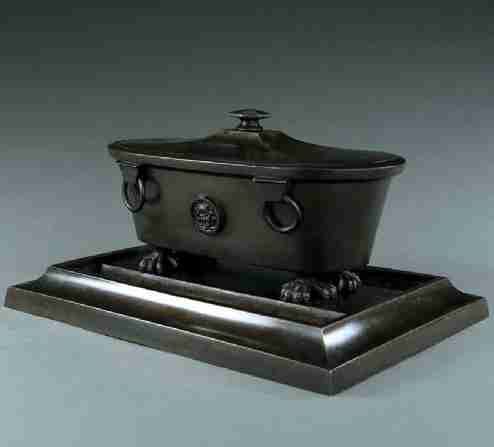
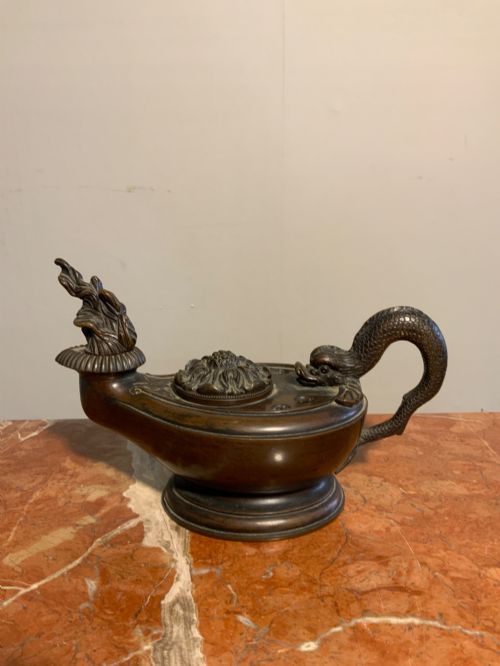
When you search for a dark bronze inkstand, you are looking at functional desk accessories that span multiple eras from the seventeenth century to the twentieth century. These pieces serve as practical containers for writing implements while displaying sculptural forms on a desk or table.
You are most likely to meet nineteenth-century examples on this page, alongside specific pieces from nineteen-ten and nineteen-hundred. The selection includes works in the Grand Tour, Art Nouveau, Baroque, and Victorian Novelty styles.
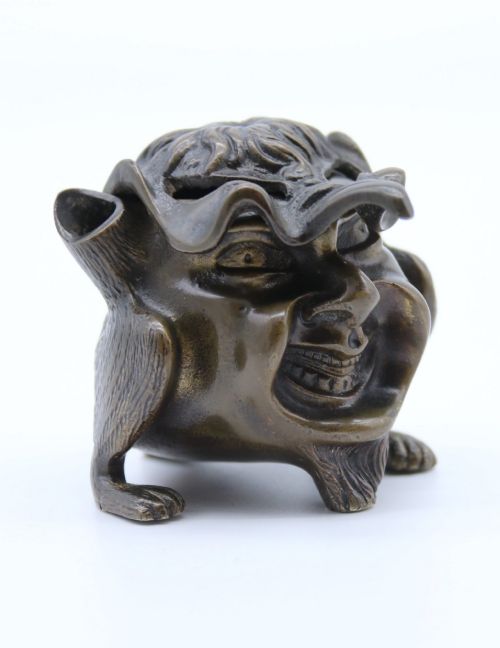
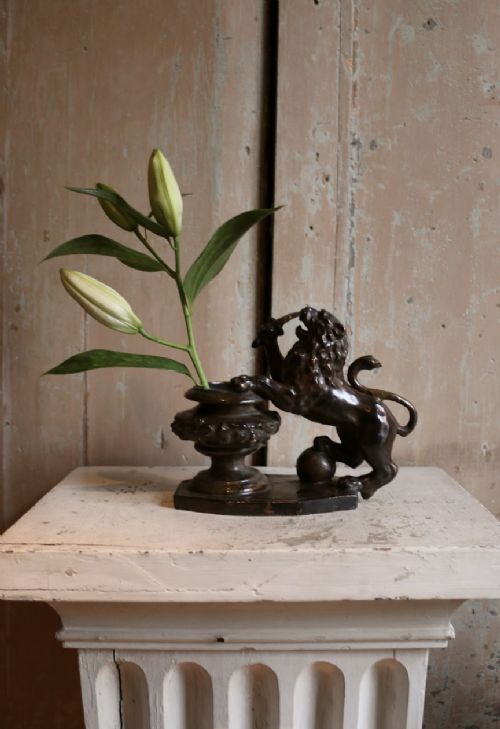
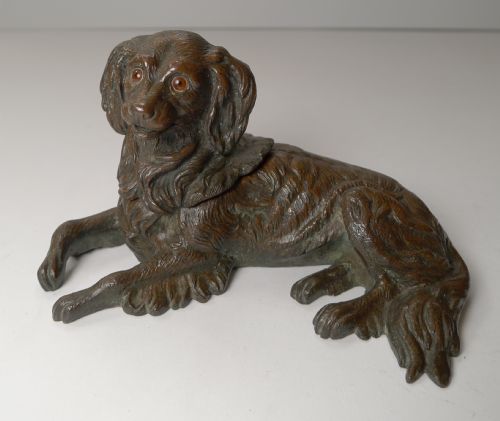
The forms range from simple single wells to double and triple inkwells, incorporating figural subjects such as dogs, monkeys, and clowns. These functional objects reflect the decorative tastes of past centuries through varied continental and English designs.
How they were made
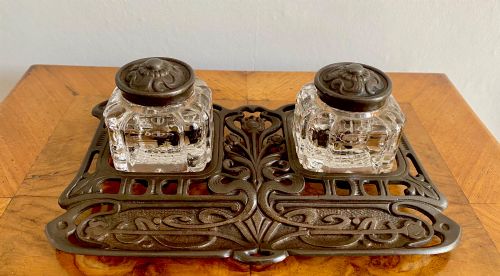
These items are primarily manufactured from bronze, patinated bronze, cast metal, and ormolu, often paired with glass inserts for the ink containers. Some examples also incorporate marble bases to add weight and contrast to the metalwork.
The construction techniques involve casting the metal into sculptural shapes, ranging from realistic animal figures to grotesque creatures and theatrical characters. Artisans applied patination to achieve the dark bronze surfaces characteristic of these desk stands.
Listings for dark bronze inkstand items feature periods ranging from the seventeenth century through the Victorian era to nineteen-ten.
What varies in quality
Quality also depends on the completeness of the piece, such as retaining original glass bottles and matching lids. The integration of different materials, like bronze combined with ormolu or marble, influences the overall visual balance.
Jules Dalou
The Dark Bronze Inkstand Glossary
- Encrier
- A French term for an inkstand or inkwell used to hold writing materials. This word frequently appears in descriptions of continental desk furniture.
- Ormolu
- Gilt bronze, often used as an accent material on nineteenth-century pieces to provide a contrasting metallic finish. It highlights decorative borders and mounts.
- Grand Tour
- A style reflecting the souvenirs collected by travellers visiting cultural sites in Europe during the eighteenth and nineteenth centuries. These pieces often draw on classical motifs.
- Spelter
- A zinc alloy used as a less expensive alternative to bronze for casting sculptural figures. It takes a similar dark patina but possesses different weight and durability properties.
Dark Bronze Inkstand: Frequently Asked Questions
What is a dark bronze inkstand?
A dark bronze inkstand is a desk accessory made from cast metal designed to hold ink for writing.
These pieces often feature sculptural figures, animal subjects, or architectural elements, combining utility with decorative desk art.
How were these inkstands used?
They were placed on writing desks to provide a stable reservoir for ink alongside spaces for dip pens.
Owners dipped their pens into the glass inserts housed within the bronze framework during correspondence and administrative tasks.
How do I identify the period?
Dating relies on stylistic clues such as Art Nouveau curves, Victorian novelty themes, or seventeenth-century Baroque forms.
Examining the casting style, materials like ormolu or marble, and the type of glass inserts helps narrow down the manufacturing era.
Are original glass inserts important?
Original glass bottles contribute to the completeness and authenticity of the desk stand.
Many pieces were designed around specific glass containers that fit securely within the bronze or cast metal housing.
Where were these pieces made?
The listings show origins primarily from France and England across various nineteenth and early twentieth-century workshops.
Continental pieces often reflect Grand Tour or French Realism movements, while others follow English domestic animal themes.