





Dark Bronze Female Sculpture
A dark bronze female sculpture brings figurative grace, classical mythology and modernist energy directly into an interior through enduring metalwork.
Dark Bronze Female Sculpture
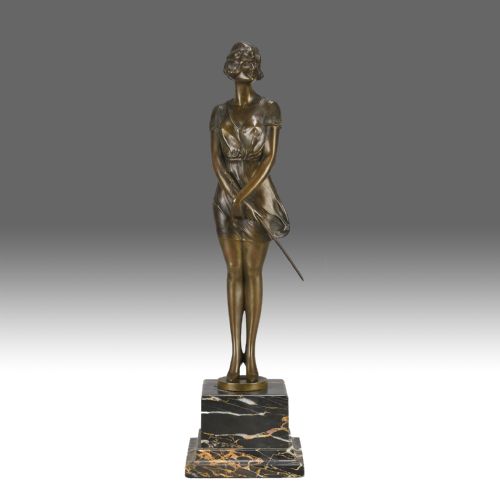
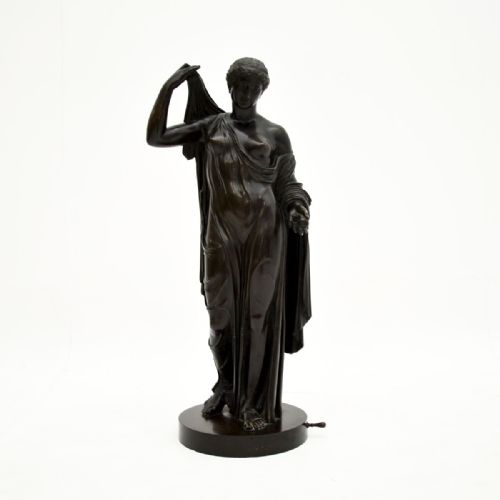
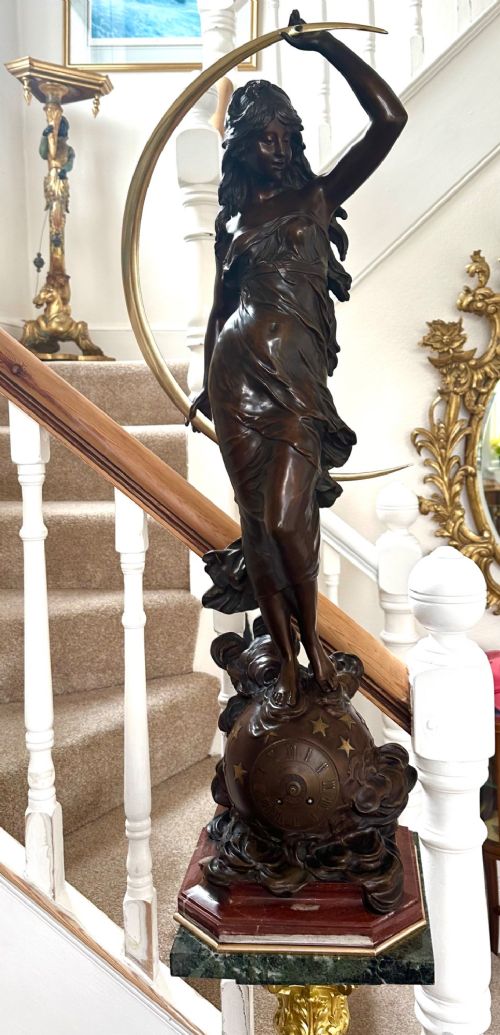
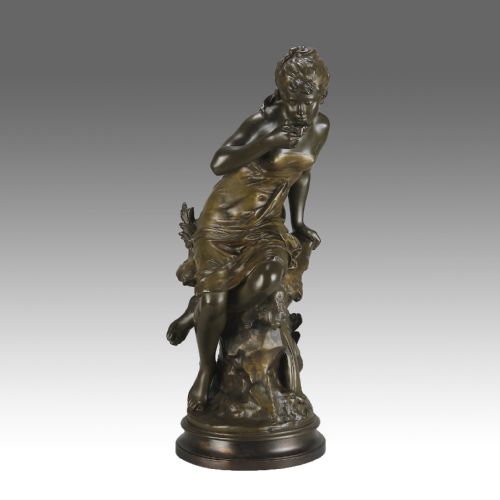
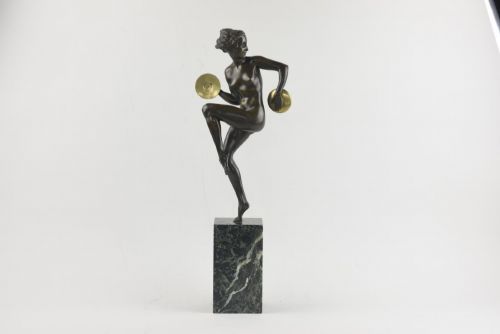
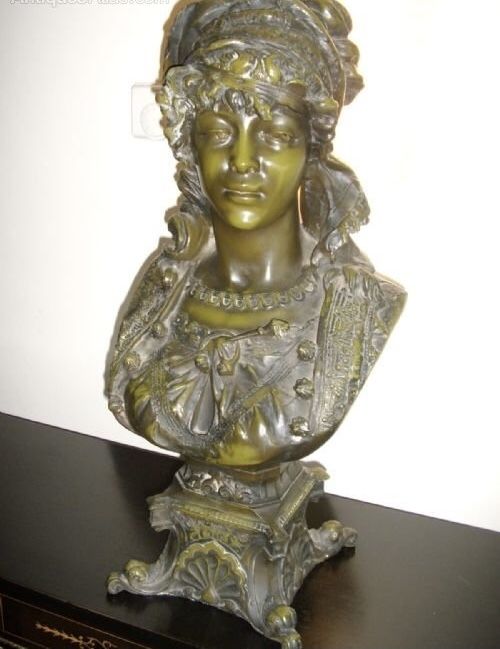
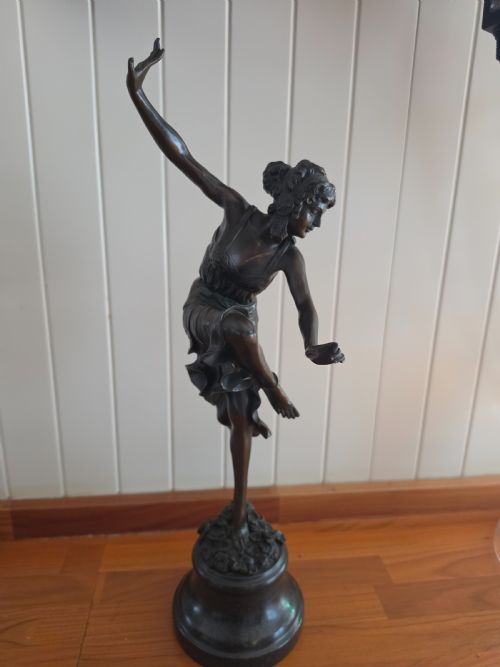
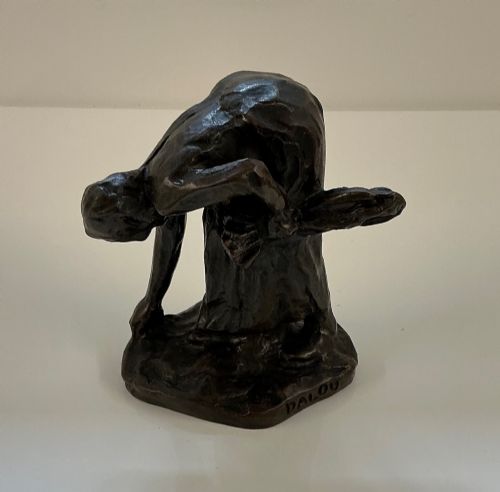
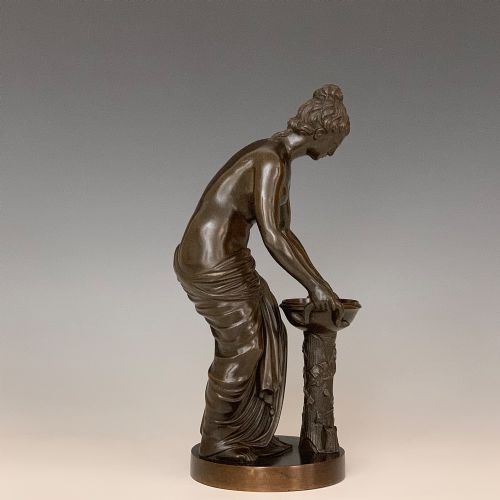
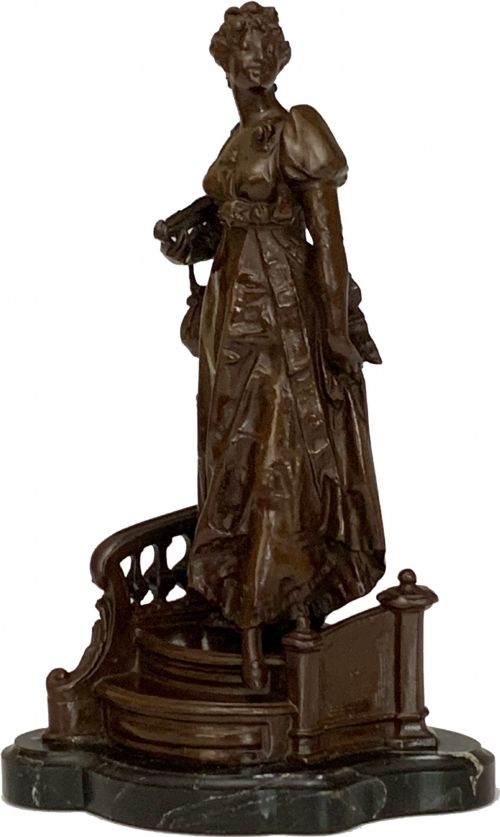
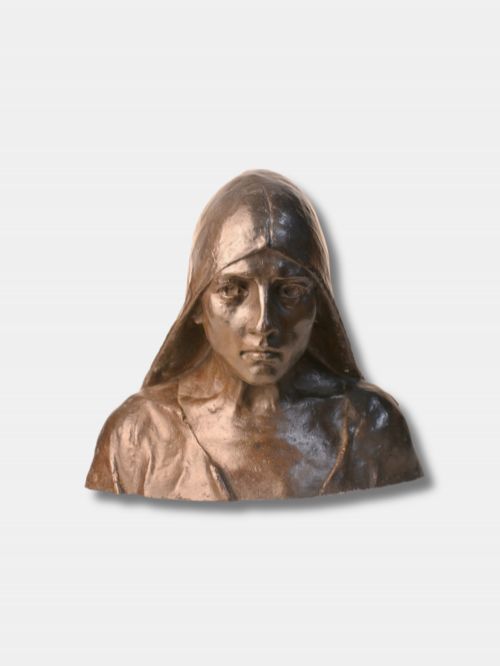
A dark bronze female sculpture represents figures ranging from classical mythological subjects like Venus and Selene to elegant Art Deco dancers and orientalist maidens. These pieces function primarily as freestanding indoor sculptures, busts, figural vases or table lamp bases.
The aesthetic spans the flowing floral lines of Art Nouveau, the rigid geometry of Art Deco, 19th-century French realism, and Neoclassical revivalism. Most examples originate from French foundries and studios active between the late nineteenth century and the interwar period.
Buyers encounter subjects varying from robed ladies and celtic warriors to theatrical dancers and allegorical figures of the harvest. These works utilise patinated surfaces to emphasise anatomical detail, drapery and expressive posture.
Materials and Casting Techniques
Foundries employed traditional lost-wax or sand-casting methods to capture fine details in drapery, ornamentation and facial expression. Artisans then chased and patinated the raw metal surface by hand before mounting the completed figure.
Object forms on this page include freestanding sculptures, figural table lamps, torcheres, and decorative vases.
Judging Quality in Cast Metalwork
The integration of the metal figure with its base indicates overall execution, particularly in heavier stone stands made of marble or slate. Superior pieces demonstrate balanced proportions and secure mechanical fixings that anchor the sculpture firmly.
Ferdinand Barbedienne·Bruno Zach·August Moreau·E Villanis·Mathurin Moreau·Henry Wissen Senior·C J R Colinet·Jules Dalou·Georges Van Der Straeten·Edouard Drouot·Emile Jespers·Sibylle May·Hector Lemaire·S Kinsburger·Demetre H Chiparus·Aristide Maillol·Josef Lorenzl·Humphrey Hopper·Anders Zorn·Hebrard·Claudius Marioton·Charles Korschann
The Dark Bronze Female Sculpture Glossary
- Patina
- The chemical or natural surface coloration applied to bronze. It protects the metal and defines the dark visual tone of the sculpture.
- Chasing
- The manual refinement of a raw bronze cast using small chisels and punches. This process restores lost detail and smooths surface imperfections.
- Lost-wax casting
- A traditional method where a wax model is melted out and replaced with molten bronze. It permits high fidelity to intricate sculptural forms.
- Grand Tour
- The nineteenth-century practice of collecting classical souvenirs in Europe. Many small bronzes emulate ancient statues encountered during these travels.
- Parcel-gilt
- A decorative treatment where selective areas of the bronze receive a thin layer of gold leaf. This highlights specific garments or ornaments against a dark body.
Dark Bronze Female Sculpture: Frequently Asked Questions
How should I clean a dark bronze female sculpture?
Dust the surface gently with a soft, dry microfibre cloth to prevent particulate accumulation. Avoid chemical cleaners, water or abrasive polishes that can strip the original patinated finish.
Apply a very light coat of microcrystalline wax occasionally if the metal appears dry, buffing it off completely with a clean cloth. This protects the dark bronze from atmospheric moisture and handling oils.
Where should I place these sculptures at home?
Position the piece on a stable surface such as a wooden sideboard, desk or console table where it can be viewed from multiple angles. Ensure the display location avoids direct, harsh sunlight and excessive humidity.
Keep the sculpture away from active heat sources like radiators to protect any integrated marble bases or wooden elements from cracking. Adequate clearance prevents accidental knocks to protruding limbs or garments.
How do I distinguish Art Nouveau from Art Deco pieces?
Art Nouveau works, created roughly between eighteen-ninety and nineteen-ten, feature flowing, asymmetrical lines inspired by natural organic forms like flowing hair and plant tendrils. Subjects often lean toward ethereal maidens and mythological figures.
Art Deco pieces from the nineteen-twenties adopt streamlined, geometric shapes and energetic postures. Dancers and athletic female figures predominate, reflecting modern dynamism and architectural styling.
What is the significance of a foundry mark?
Foundry stamps or signatures indicate the commercial workshop responsible for casting the metal edition. Recognisable marks help authenticate the production era and confirm professional standards of metalworking.
Absence of a mark does not diminish artistic merit, as many quality sculptures carry only the individual artist signature or remain unsigned.