




Dark Bronze Eagle Sculpture
A dark bronze eagle sculpture brings feathered power and striking presence to a room, cast in heavy metal from the nineteenth century.
Dark Bronze Eagle Sculpture
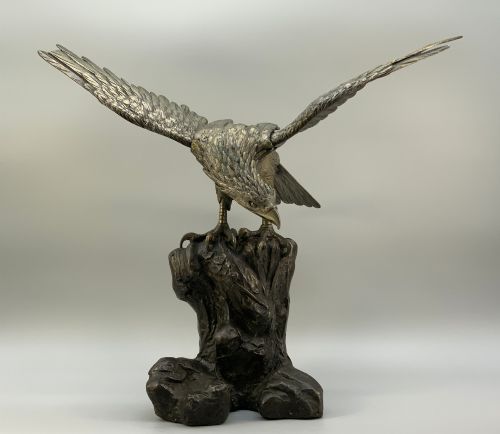
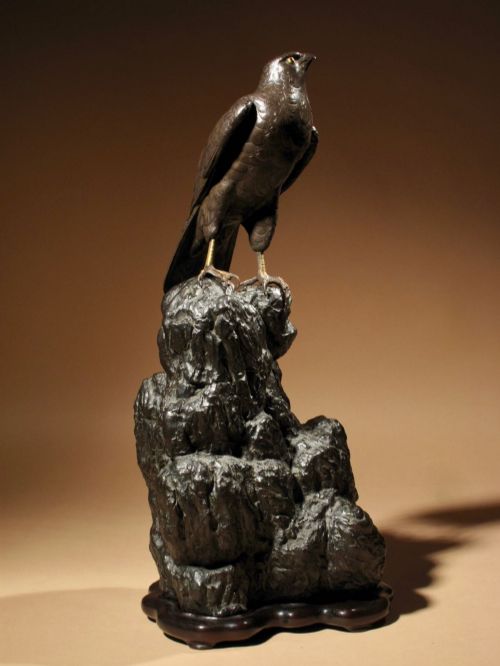
A dark bronze eagle sculpture captures the bird of prey in metal, drawing on nineteenth-century European and Japanese traditions. These pieces appear as free-standing figures, mounted mounts, and decorative objects created during the Victorian and Meiji periods.
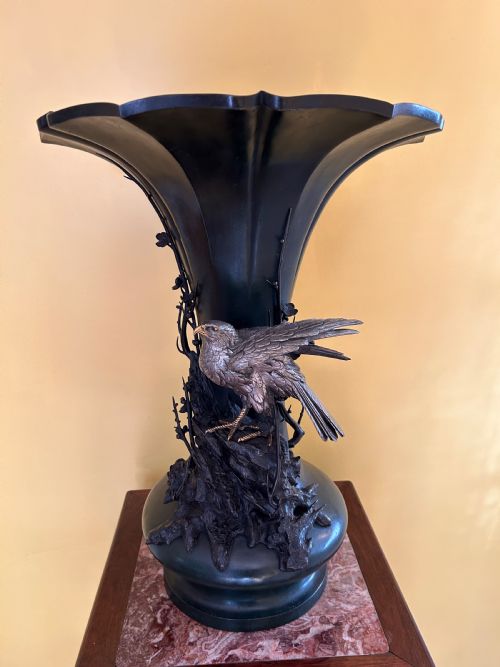
The buyer meets various forms on this page, ranging from a Japanese Meiji period bronze hawk on a root wood base to French animalier castings and Grand Tour works. Makers span from Japanese artists to French founders like Barbedienne.
Materials extend beyond simple metal to include patinated bronze, mixed metal, marble bases, and root wood supports. These sculptures function as standalone decorative art and occasionally form part of larger oil lamps or vases.
How they were made
Foundries utilised traditional casting methods for these figures, pouring molten metal into moulds to capture feather detail and muscular form. Bronze, patinated bronze, and mixed metal provide the durable body of each piece.
Artisans applied chemical patination to achieve dark surfaces, creating tonal depth across wings and talons. Sculptures often integrate additional natural materials, mounting heavy metal figures onto carved root wood or polished marble bases.
Dark Bronze Eagle Sculpture Retail Price Guide 2026
Typical asking prices for dark bronze eagle sculpture among the pieces listed under this phrase on Sellingantiques today, from the lower quarter to the upper quarter. They describe what is for sale here now, not the wider market.
Several eagles are caught mid-meal or glaring from craggy rocks, proving that nineteenth-century birds had very demanding personalities.
What varies in quality
The standard of a casting rests upon the crispness of the feather work and the anatomical realism of the bird. Superior examples display fine chiselling and finishing work that preserves the texture of beak and claw after the metal cools.
Integration with the base also defines the calibre of the piece, whether a naturalistic root wood mount or a solid marble plinth. Signatures from established foundries or named artists further elevate the standing of an individual sculpture.
Antoine Louis Barye·Barbedienne·Gyoko·Christophe Fratin
The Dark Bronze Eagle Sculpture Glossary
- Patinated bronze
- Bronze that has been treated with chemical solutions to alter its surface colour, usually resulting in a dark, rich tone. This finish protects the metal and accentuates sculptural detail.
- Animalier
- A nineteenth-century artistic movement dedicated to the realistic portrayal of animals. French sculptors working in this style focused on wildlife and birds of prey in dynamic action.
- Meiji Period
- The era in Japanese history spanning from 1868 to 1912, known for exceptional metalwork and bronze casting. Okimono figures from this time often depict eagles and hawks with meticulous realism.
- Grand Tour
- A traditional trip through Europe undertaken by upper-class scholars and collectors during the eighteenth and nineteenth centuries. Souvenirs from these journeys included small bronzes and classical figures.
- Root wood base
- A natural wooden support formed from the gnarled roots of a tree, frequently used to mount Japanese bronze sculptures. These organic stands complement the wild nature of the bird.
Dark Bronze Eagle Sculpture: Frequently Asked Questions
Where were these sculptures made?
The pieces originate primarily from nineteenth-century France and Japan. European examples reflect the animalier school, while Japanese works date from the Meiji period.
Foundries and independent artists in both regions produced these bronze figures using traditional metal casting techniques.
How do I display a heavy bronze?
These heavy metal sculptures require a sturdy surface such as a wooden sideboard, mantelpiece, or dedicated pedestal. Ensure the furniture can support the combined weight of the bronze and its marble or wood base.
Keep the piece away from direct moisture to preserve the dark patinated finish on the metal.
What is an animalier bronze?
An animalier bronze is a nineteenth-century sculpture focused specifically on the realistic depiction of animals and birds. French artists popularised this genre by capturing creatures in lifelike poses and dramatic action.
These works emphasise anatomical accuracy and detailed feather or fur textures.
How do I identify a Meiji period bronze?
Meiji period bronzes date between 1868 and 1912 and often feature distinct Japanese aesthetic qualities. Many are mounted on natural root wood bases and carry artist signatures.
The metalwork displays precise attention to natural detail, particularly in the rendering of feathers and talons.