
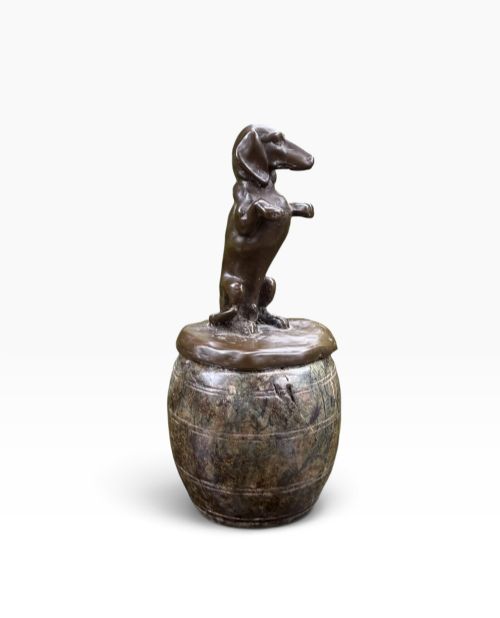
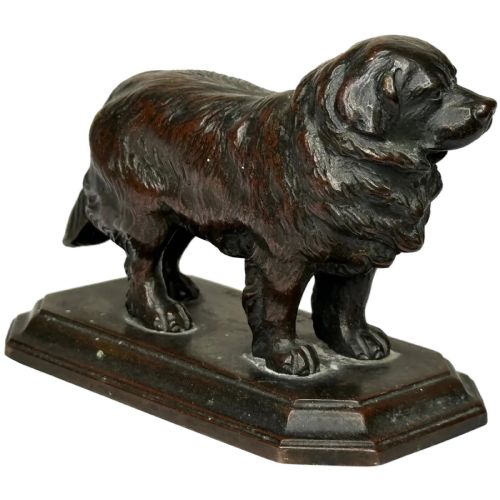
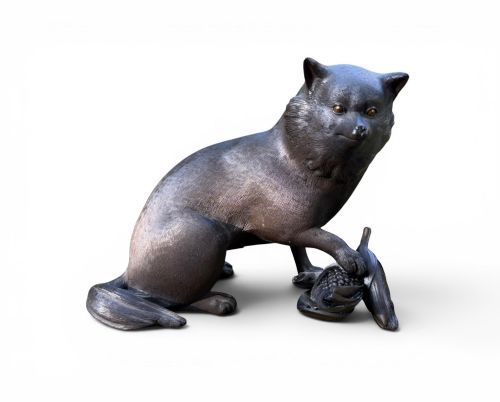
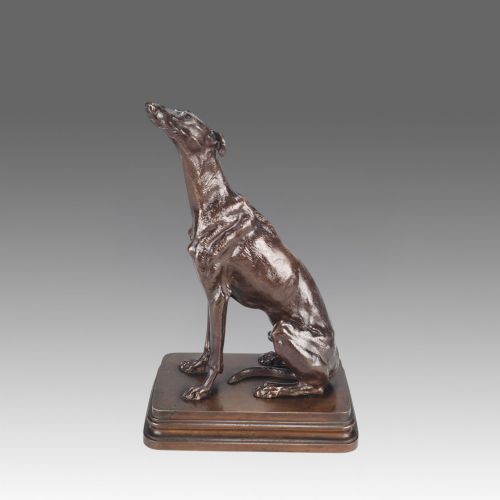
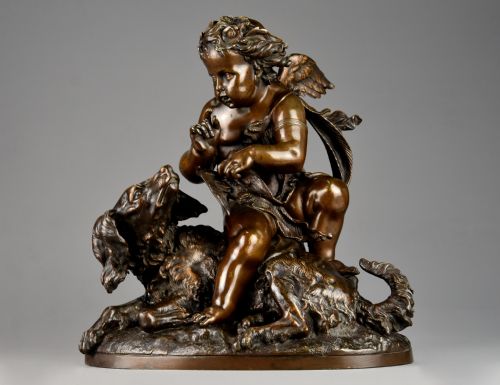


Dark Bronze Dog Figurine
A dark bronze dog figurine captures the kinetic energy and muscular form of canine subjects through centuries of foundry tradition.
Dark Bronze Dog Figurine
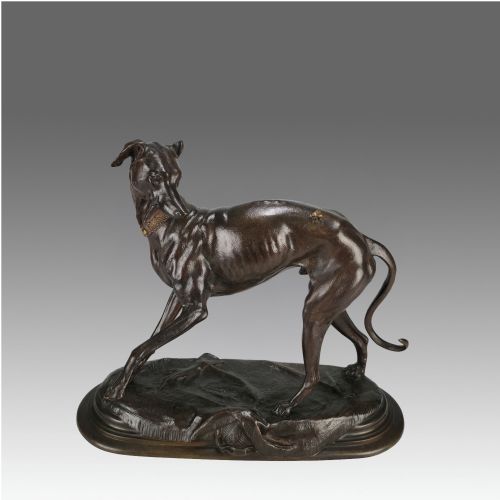
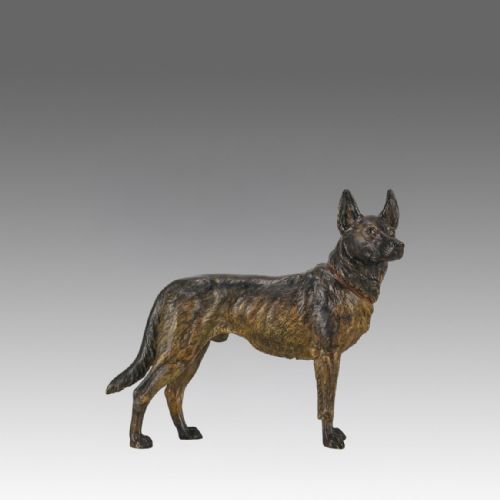
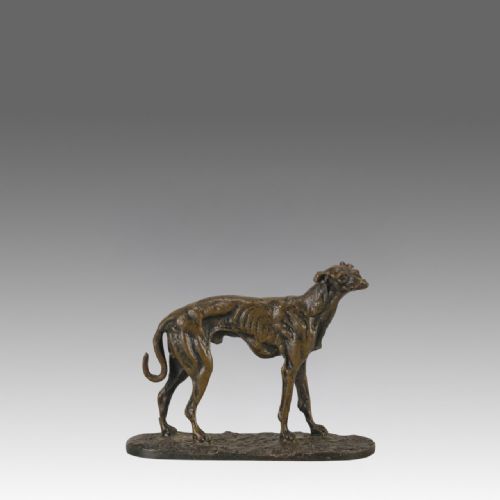
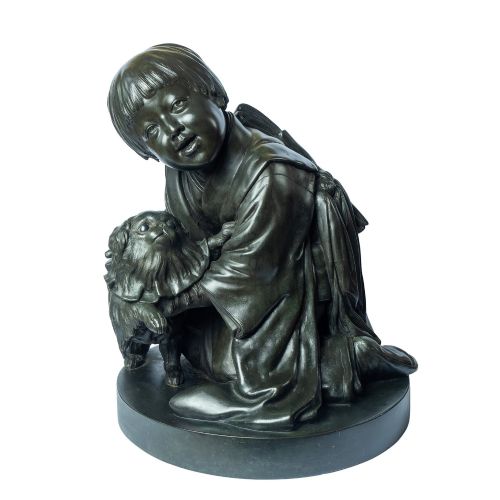
A dark bronze dog figurine encompasses sculptural works ranging from realistic sporting hounds to whimsical Vienna bronzes and Japanese okimono. These representations draw heavily on the 19th Century Animalier movement, capturing breeds such as greyhounds, terriers, and spaniels with acute anatomical precision.
Buyers encounter French foundry casts, Austrian cold-painted novelties, and Meiji period Japanese bronzes mounted on marble bases or timber plinths. The selection bridges cabinet-sized ornaments, paperweights, and monumental mantel sculptures depicting working dogs, gundogs, and household pets in naturalistic poses.
How they were made
Foundries utilised the lost-wax casting method or sand casting to translate modelled clay or wax into durable bronze metal. Molten alloy filled the investment mould, reproducing intricate details such as fur texture, musculature, and collars before finishing.
Surface treatment involved chemical patination to achieve deep brown or black tones, occasionally complemented by cold-painted polychrome pigments applied over metallic grounds. Many figures incorporated integral cast elements or were mounted onto shaped marble or timber bases for stability.
Several bronze dogs are caught mid-mischief, including a cheeky terrier cocking its leg.
What varies in quality
Foundry pedigree and signature placement indicate the standing of the work, alongside the depth and complexity of the applied chemical patina. Well-chosen mounting materials, such as heavy veined marble plinths, also distinguish higher grade productions.
Alfred Dubucand·Alfred Barye·Franz Bergman·P J Mêne·Masaaki·Prosper Lecourtier·Jules Moigniez·Unno Shomin·Antoine Louis Barye·Auguste Nicholas Cain·Christophe Fratin
The Dark Bronze Dog Figurine Glossary
- Animalier
- A nineteenth-century artistic movement focused on the realistic depiction of animals, particularly predators, horses, and dogs. Sculptors in this tradition studied anatomy extensively at menageries and veterinary clinics.
- Cold-painted bronze
- A technique where polychrome oil or enamel paints are applied to a cold bronze surface rather than fired in a kiln. This method originated predominantly in Austrian workshops producing small cabinet figures.
- Okimono
- A Japanese decorative carving or casting intended for display on a tokonoma or shelf. These small figures often depict animals, daily life, or folklore with meticulous naturalism.
- Patina
- The surface coloration and sheen developed through chemical oxidation or natural ageing on bronze. Artisans controlled this layer to produce deep brown, green, or near-black finishes.
- Lost-wax casting
- A historic method of metal casting where a wax model is melted out of a mould to create a cavity for molten bronze. This technique allows for complex undercuts and fine surface detail.
Dark Bronze Dog Figurine: Frequently Asked Questions
What periods do these dog sculptures come from?
The listings span from the mid nineteenth century through the Art Deco era, encompassing Victorian animalier works and Meiji period Japanese bronzes.
Most pieces date between eighteen-eighty and nineteen-twenty, reflecting the height of European animal sculpture and Asian metalwork exports.
How were cold painted bronzes decorated?
Artisans applied multiple layers of oil or enamel paints directly onto the finished metal surface to render realistic fur patterns and markings.
Because the metal was not fired after painting, surviving examples often show natural wear to the polychrome pigments over time.
Where were most European animalier bronzes cast?
France served as the primary epicentre for animalier casting, with prominent foundries operating in Paris and employing specialist chasers.
Austrian workshops specialised instead in smaller, whimsical cabinet figures and cold-painted novelties rather than large monumental animal studies.
How do I care for an antique bronze figure?
Dust the sculpture gently with a soft, dry brush to prevent particulate buildup within the textured surface details and recessed areas.
Avoid using liquid cleaners, polishes, or abrasive cloths that can strip the chemical patina or damage cold-painted pigments.