
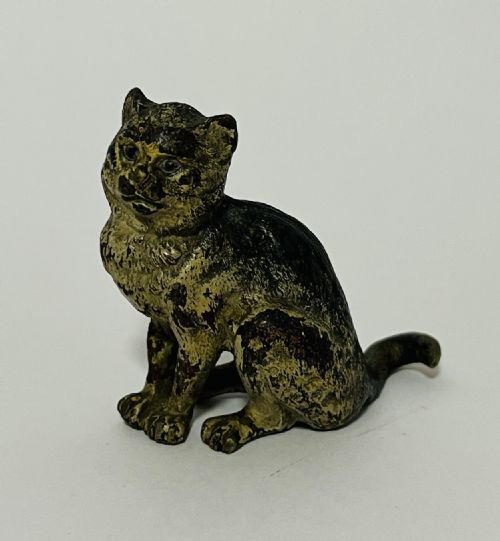
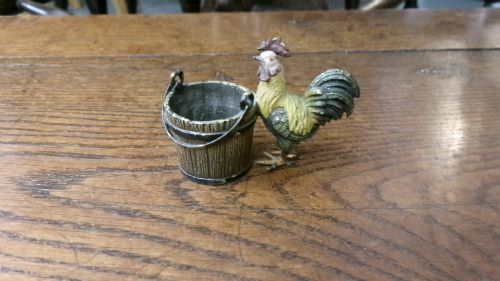


Cold Painted Vienna Miniature
Cold painted vienna miniature works are small bronze figures finished with cured enamel paint, offering intricate detail and whimsical character.
Cold Painted Vienna Miniature
When you search for cold painted vienna miniature, you enter a field of small-scale cast metal sculptures originating primarily from Austria during the late nineteenth and early twentieth centuries. These diminutive pieces capture animals, figures, and birds with remarkable precision, often measuring only a few centimetres across.
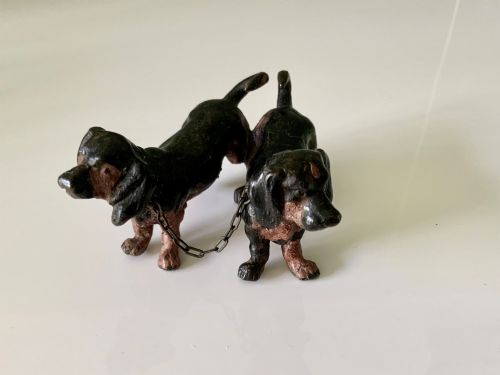
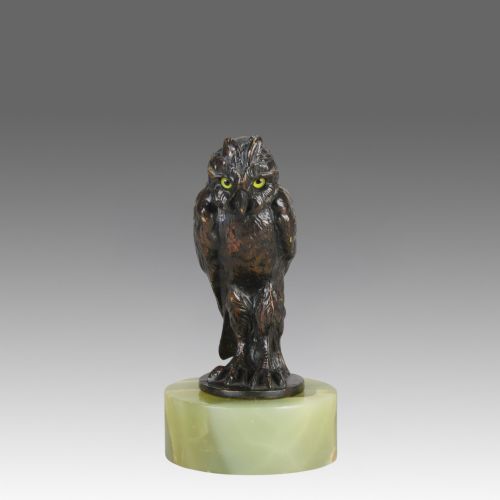
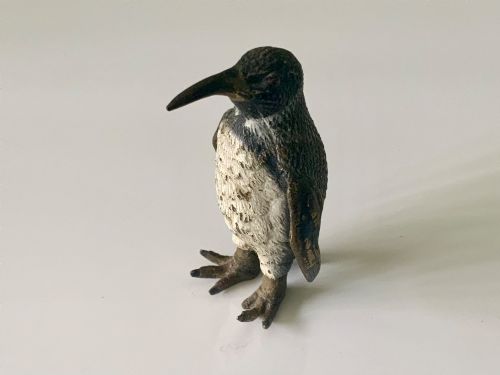
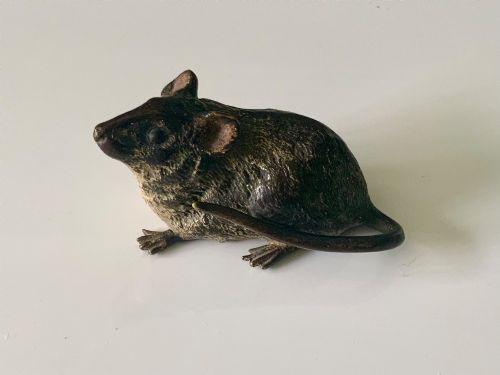
The versions you are most likely to meet on this page span the Victorian era to the early twentieth century, featuring subjects from naturalistic wildlife to humorous humanised animals. Common forms include dogs, cats, birds, and mice, frequently rendered as standalone desk accessories or small decorative objects.
Makers produced these works to appeal to a growing market for domestic ornaments and curiosities during the turn of the century. Their charm lies in their ability to combine realistic anatomical forms with playful or narrative scenarios, such as a dwarf miner with a crystal diamond or a dog with a bucket.
How they were made
Some examples incorporate additional materials like cut crystal or onyx bases to complement the metalwork and add utility, such as in desk accessories. The cold paint technique required steady brushwork and patience, as the pigments were applied without subsequent kiln firing.
Listings feature periods spanning the nineteenth century through the early twentieth century, utilising bronze, onyx, and cut crystal.
What varies in quality
The distinction between average and exceptional pieces rests primarily on the finesse of the casting and the preservation of the cold paint surface. Finer examples display crisp anatomical definition and subtle, layered brushwork that brings the subject to life.
Condition plays a major role, as the un-fired cold paint is vulnerable to flaking and wear over time. Pieces that retain their original polychrome finish with minimal loss command greater attention from collectors than those with extensive repainting.
Franz Bergman·Stephan Buchinger·Plomb de Nuremberg
The Cold Painted Vienna Miniature Glossary
- Cold paint
- A non-fired pigment technique applied directly to metal surfaces after casting. It allows for vibrant polychrome detailing but remains susceptible to wear.
- Vienna bronze
- A category of small-scale bronze sculptures produced in Austrian workshops, particularly during the late nineteenth and early twentieth centuries. These works are renowned for their naturalistic or whimsical animal subjects.
- Animalier
- A nineteenth-century artistic style focused on the realistic depiction of animals. In these miniatures, it translates to accurate anatomical rendering combined with expressive poses.
- Desk accessory
- A functional decorative object intended for use in a study or office, such as a paperweight or pen tray. Many miniature bronzes served this dual purpose.
Cold Painted Vienna Miniature: Frequently Asked Questions
What are cold painted vienna miniature figures?
These are small bronze sculptures cast in Austrian workshops during the nineteenth and early twentieth centuries. They depict animals, birds, and figures finished with hand-applied cold paint.
The pieces range from naturalistic wildlife to humorous scenes, often designed as cabinet curiosities or small desk accessories.
How should I clean my miniature bronze?
Dust the surface gently with a soft, dry brush to protect the delicate cold painted finish. Avoid using water, solvents, or abrasive cleaners.
Because the paint is unfired, moisture and harsh cleaning agents will damage the pigment and strip the original surface.
Are these figures solid bronze?
Most pieces are cast in bronze or metal alloys using traditional foundry methods. Some incorporate elements like cut crystal or onyx mounts.
The hollow or solid casting allows for intricate detail while keeping the miniature scale manageable for display.
How do I date a vienna bronze?
Dating relies on stylistic clues, foundry marks, and the materials used in the casting. Pieces from the Victorian period often show different finishing techniques compared to those from the early twentieth century.
Examining the wear on the cold paint and the style of the base can also help place the object in its historical period.