


Bronze Animal Miniature
These bronze animal miniature pieces are small metal sculptures of creatures ranging from domestic dogs to exotic wildlife, prized for their compact charm and fine detail.
Bronze Animal Miniature
A bronze animal miniature represents a compact creature cast in metal, appearing in forms such as individual animal figurines, desk accessories, and trade weights.
The versions most commonly met on this page span the Victorian and Edwardian periods into the early twentieth century, with distinct representation from Austrian and Vienna bronze workshops.
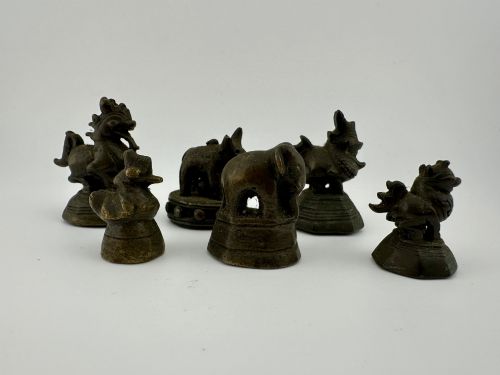
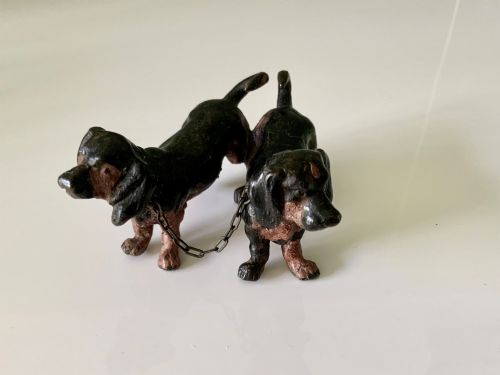
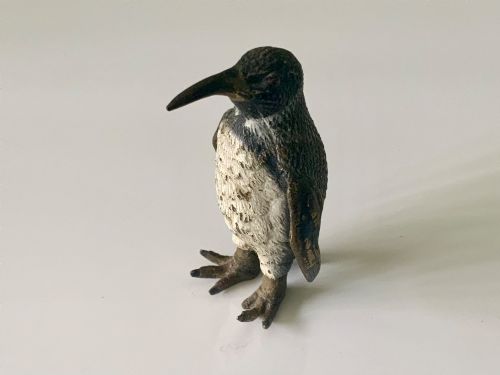
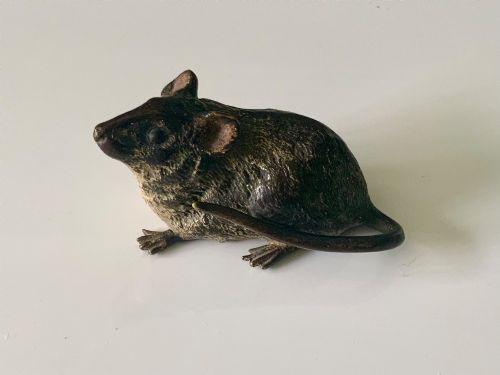
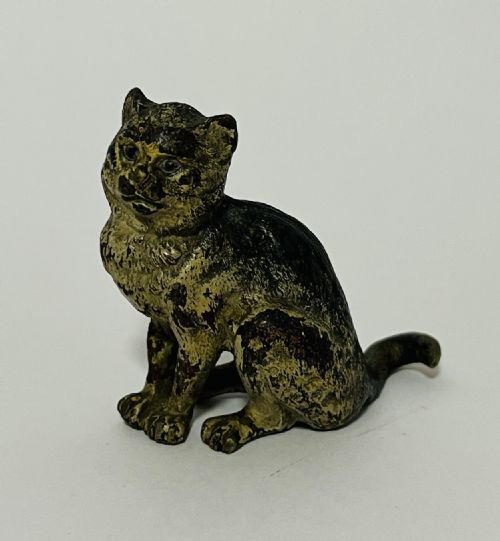
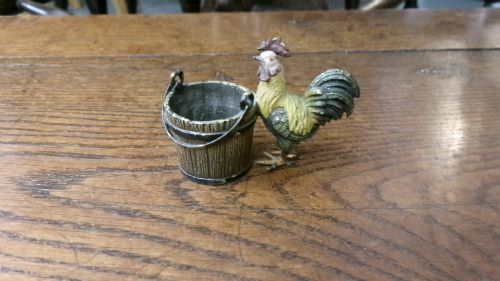
Subjects range widely from household pets like dachshunds, terriers, cats, and mice to birds, frogs, pigs, and trade opium weights originating from Southeast Asia.
How they were made
Pieces are cast primarily in bronze or metal, utilising methods that capture intricate textures in small scales. Many examples incorporate cold painted enamel or simple paint over patinated surfaces to render realistic animal coloration.
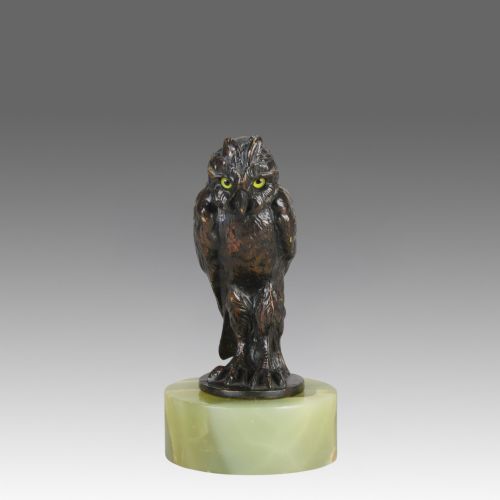
Some configurations integrate other natural materials such as onyx bases or hardwood components to support the metal sculpture, particularly in desk accessories and table top cabinets.
Some miniature frogs, mice, and pigs wear unexpected human expressions, proving that Victorian artisans possessed a delightfully playful sense of humour.
What varies in quality
The preservation of the cold painted surface significantly distinguishes standard examples from superior pieces, as delicate enamel pigments are prone to wear over time.
The crispness of the casting and the naturalism of the posture separate masterworks from mass production, especially visible in the spirited modelling associated with Austrian animalier workshops.
Edith Parsons·Franz Bergman
The Bronze Animal Miniature Glossary
- Cold Painted
- A technique where enamel paint is applied to a bronze casting after it has cooled, rather than being fired in a kiln. This method allows for subtle polychrome decoration on small sculptures.
- Vienna Bronze
- A style of small, naturalistic bronze sculpture produced in Austrian workshops during the late nineteenth and early twentieth centuries. These pieces often depict animals in humorous or lifelike poses.
- Opium Weight
- A small metal weight cast in the form of an animal, used historically in Southeast Asia for trade transactions. They are collected today for their sculptural qualities.
- Geschützt
- A German term meaning protected or registered, frequently stamped on Austrian bronzes to indicate a patented design or trademark. It helps collectors date and attribute pieces.
- Patinated
- A surface treatment applied to metal to alter its colour through oxidation or chemical means. This process enhances the depth and texture of the bronze.
Bronze Animal Miniature: Frequently Asked Questions
What is a bronze animal miniature?
A bronze animal miniature is a small cast metal sculpture depicting a creature, produced primarily during the nineteenth and early twentieth centuries.
These pieces function as decorative desk accessories, cabinet items, or portable figures reflecting European and Asian metalworking traditions.
How do I care for cold painted bronze?
Cold painted surfaces require gentle handling and dry conditions to preserve the delicate enamel pigments applied after casting.
Avoid liquid cleaning agents and abrasive cloths, dusting the sculpture carefully with a soft brush to protect the original finish.
How can I tell Vienna bronze from other types?
Vienna bronze is characterised by its distinctive cold painted polychrome finish and realistic or whimsical animal subjects produced in Austrian foundries.
Look for workshop stamps such as Geschützt or specific animalier styling typical of the early twentieth century.
Were these miniatures used as toys?
While some cold painted bronze animals were included in collections of dolls house miniatures, many served as adult desk ornaments or decorative cabinet pieces.
Their fine detail and delicate painted surfaces indicate they were intended for display rather than rough handling.