
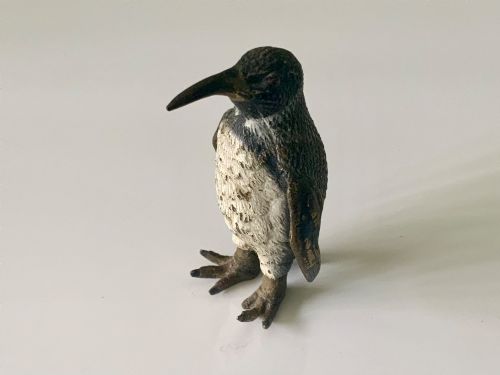
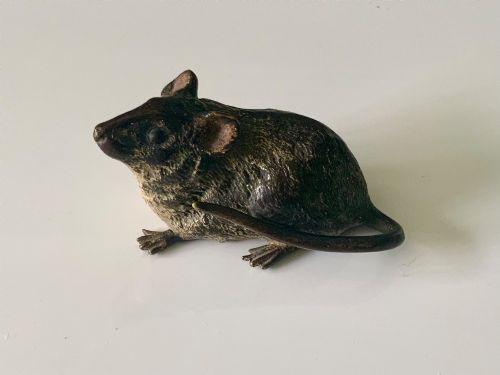
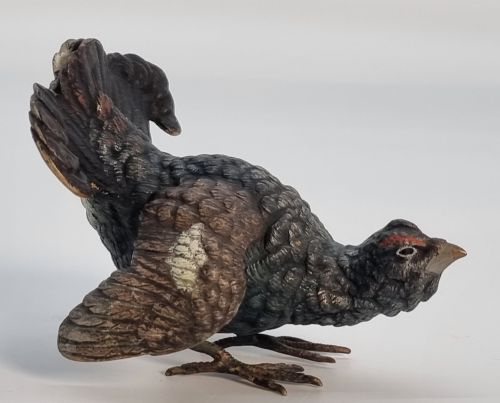
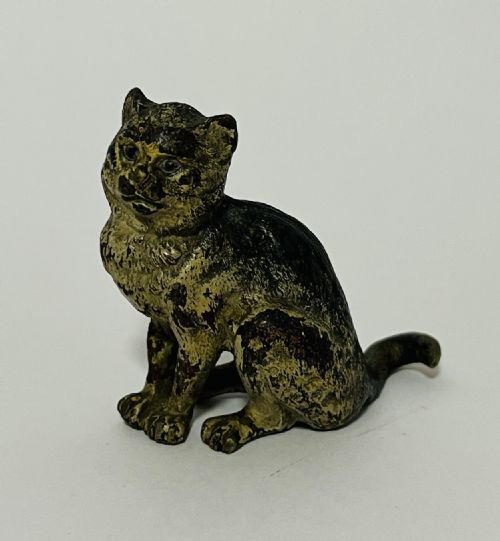
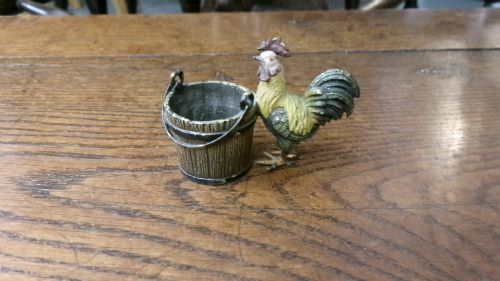
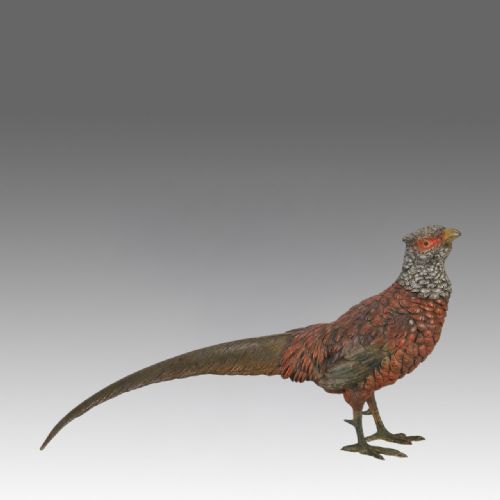


Austrian Cold Painted Animal
An austrian cold painted animal brings small-scale wit and vivid polychrome pigment to desks and cabinets.
Austrian Cold Painted Animal
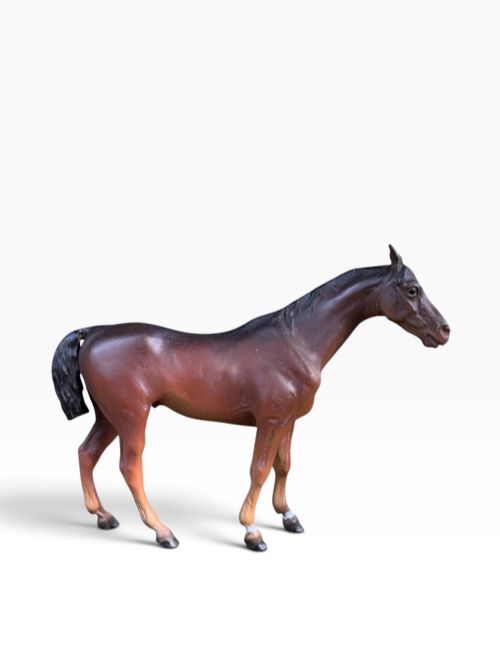
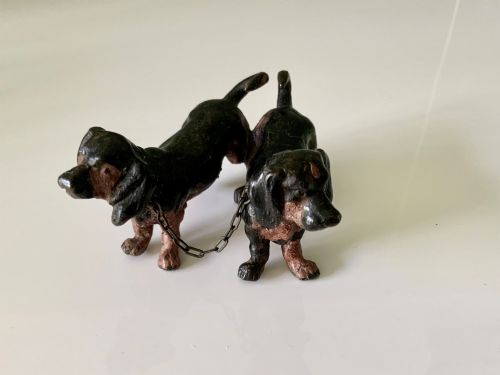
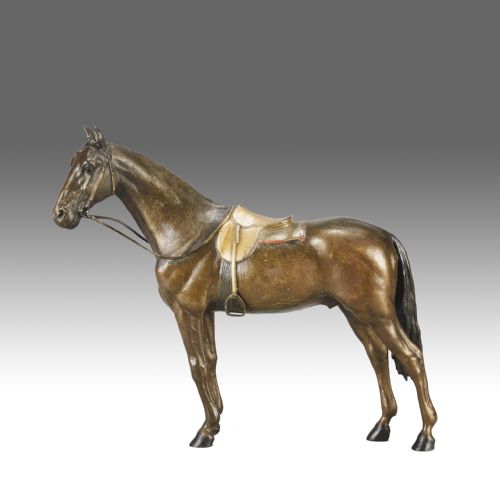
These pieces are small cast metal figures and terracotta models depicting domestic and wild fauna, most commonly originating from Vienna workshops during the late nineteenth and early twentieth centuries. When searching for an austrian cold painted animal, a buyer encounters domestic dogs, birds, horses, and exotic wildlife rendered with spirited character.
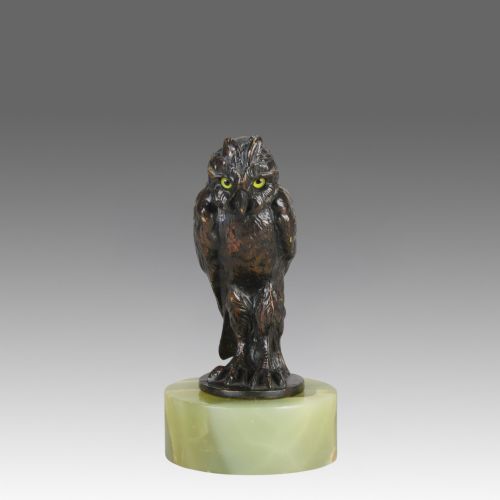
The forms span simple desk ornaments, pin cushions, and inkwells alongside standalone miniature sculptures. The material evidence shows a dominance of bronze and terracotta finished with hand-applied polychrome paint, often mounted on bases of green onyx.
Materials and construction methods
Maker foundries cast molten bronze or shaped terracotta into detailed animal forms before applying multiple layers of unfired paint to the cooled metal surface. This cold-painted technique allowed for realistic feather, fur, and anatomical detailing without subjecting the delicate pigments to kiln heat.
Makers occasionally combined these metal or clay sculptures with functional elements like inkwells or integrated onyx plinths. The pigments adhered directly to the primed substrate, creating a distinctive tactile surface finish.
A surprising number of these tiny creatures doubled as practical desk accessories, including frogs, owls, and rhinos holding ink.
Factors influencing quality
The distinction between ordinary and superior pieces rests on the precision of the casting and the sensitivity of the hand-painting. Master founders achieved crisp anatomical articulation in the metal, while skilled painters applied subtle tonal layering to feathers and coats rather than flat, uniform washes of colour.
The personality and expression captured in the animal's posture separate standard production work from exceptional studio output. Pieces retaining their original polychrome pigment without extensive overpainting command greater interest among collectors.
Franz Bergman·Bernard Bloch
The Austrian Cold Painted Animal Glossary
- Cold-Painted Bronze
- Metal sculpture finished with polychrome paint applied after casting rather than fired in a kiln. This technique produced vibrant surface decoration on small bronze figures.
- Vienna Bronze
- Small-scale metal figures produced in Austrian foundries during the late nineteenth and early twentieth centuries. These works gained international renown for their naturalistic and humorous animal subjects.
- Animalier
- A nineteenth-century artistic movement dedicated to the realistic portrayal of animals. Sculptors in this tradition focused closely on anatomical accuracy and natural behaviour.
- Polychrome Paint
- The application of multiple colours to the surface of a sculpture. This decorative method brought lifelike hues to bird plumage and animal coats.
- Terracotta
- Fired clay used as a medium for sculptural figures. Workshops utilised this material to model larger animal subjects alongside metal castings.
Austrian Cold Painted Animal: Frequently Asked Questions
What is an austrian cold painted animal?
These objects are small cast metal or terracotta animal figures decorated with unfired polychrome paint. They originated primarily in Vienna workshops during the Victorian and Edwardian periods.
Artisans modelled everything from household dogs to exotic birds and rhinos, often incorporating them into practical desk items like inkwells.
How were these figures used originally?
Victorian and Edwardian owners placed them on writing desks, mantelpieces, and cabinet displays as decorative ornaments. Some pieces doubled as functional desk accessories, such as pin cushions or inkwells.
Their small scale made them popular conversation pieces for studies and drawing rooms.
How do I care for cold painted animals?
Keep these pieces away from direct sunlight and moisture to protect the delicate, unfired paint surface. Dust them very gently with a soft, dry brush rather than liquid cleaners.
Handling them by the base helps prevent oils from your hands from wearing down the pigmented finish.
How can I tell the period?
Dating relies on stylistic markers associated with Art Nouveau, Victorian, and Art Deco movements, alongside known foundry signatures. The materials, such as early bronze castings paired with green onyx bases, also indicate the era.
Workshops active around nineteen hundred produced distinct animal models that reflect the tastes of that time.