

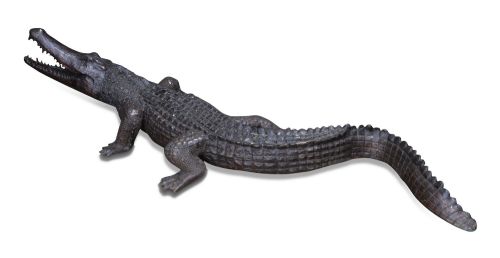
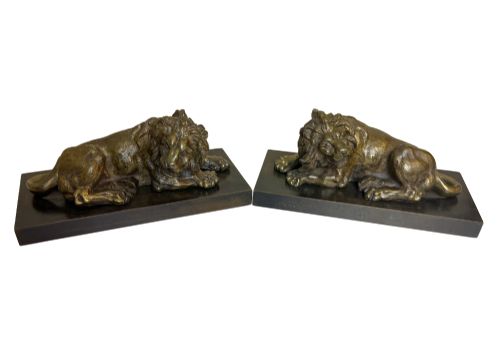
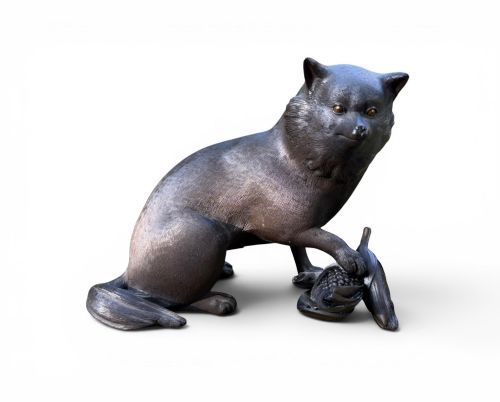
Dark Bronze Animal Sculpture
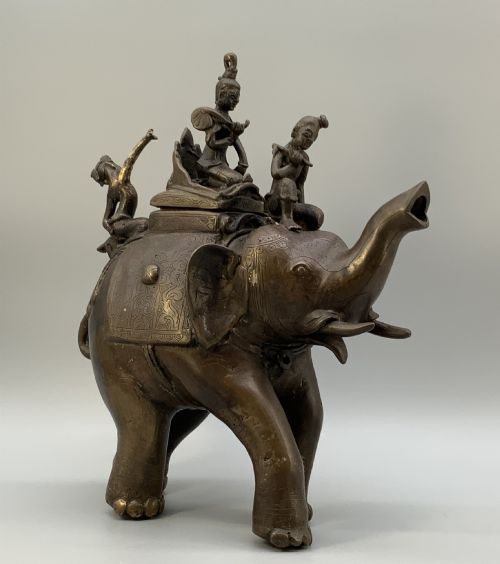
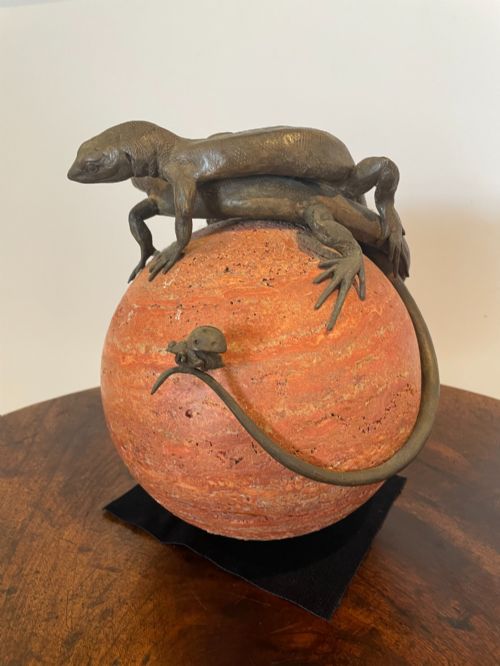
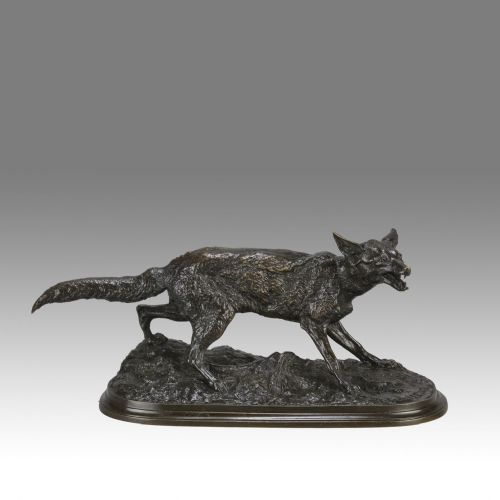
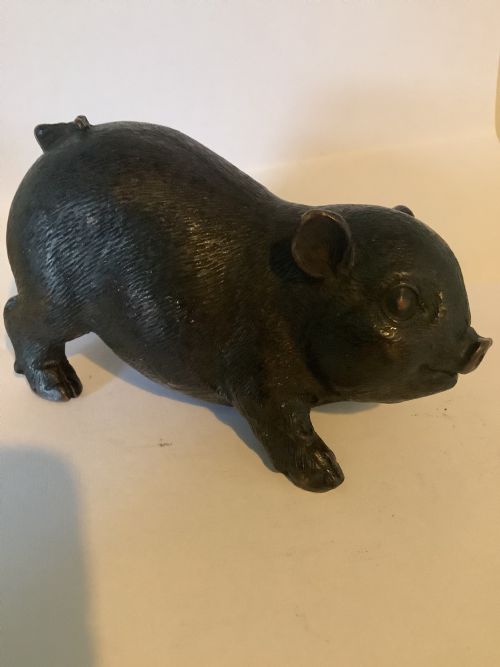
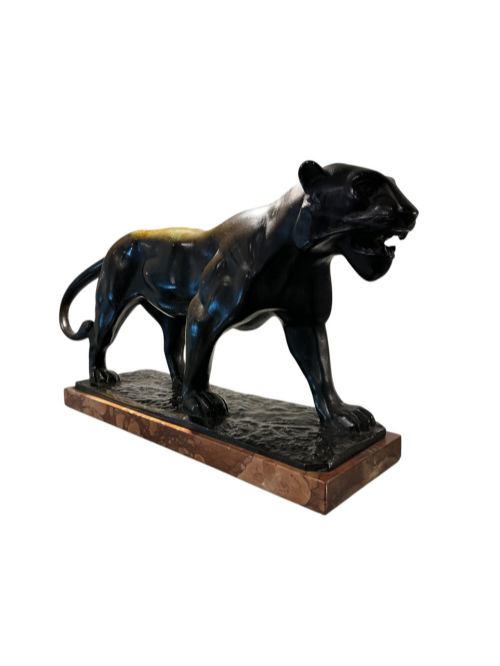
These dark bronze animal sculpture pieces capture the fierce energy of the natural world with remarkable weight and physical presence.
What these pieces are
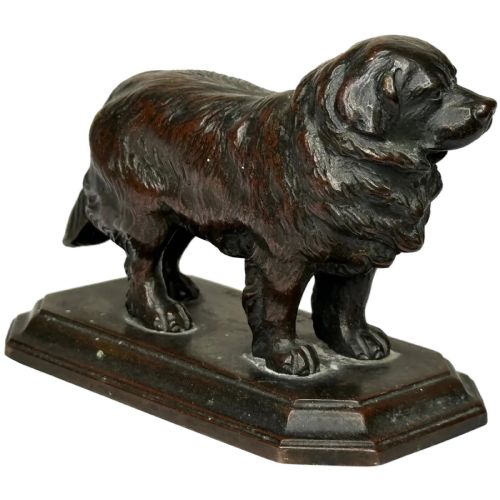
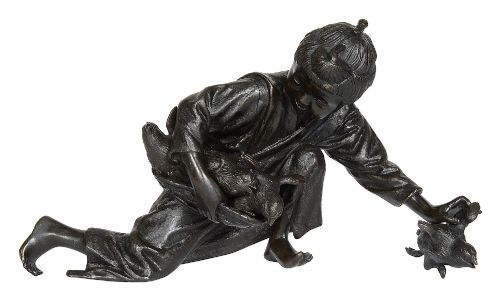
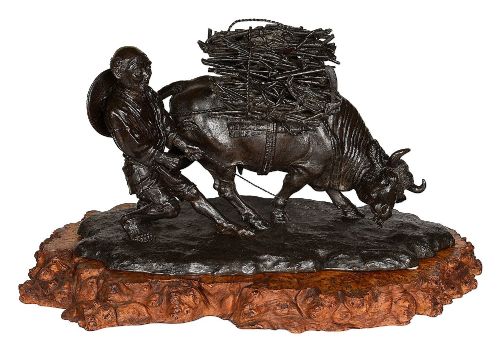
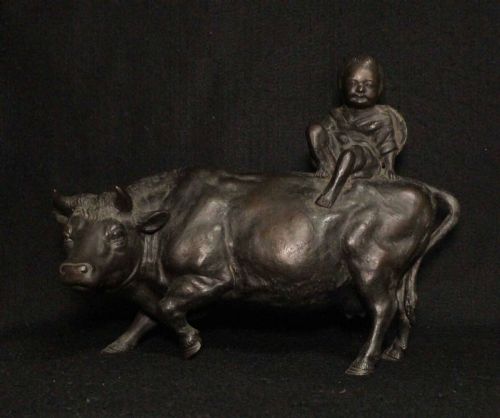
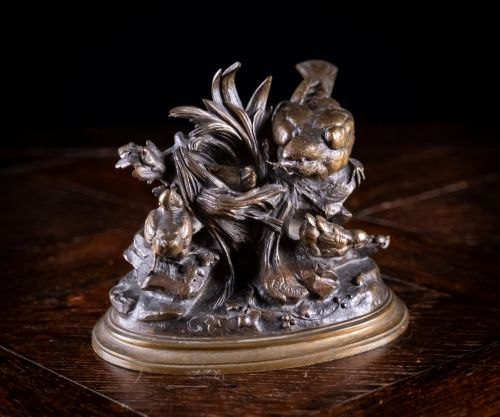
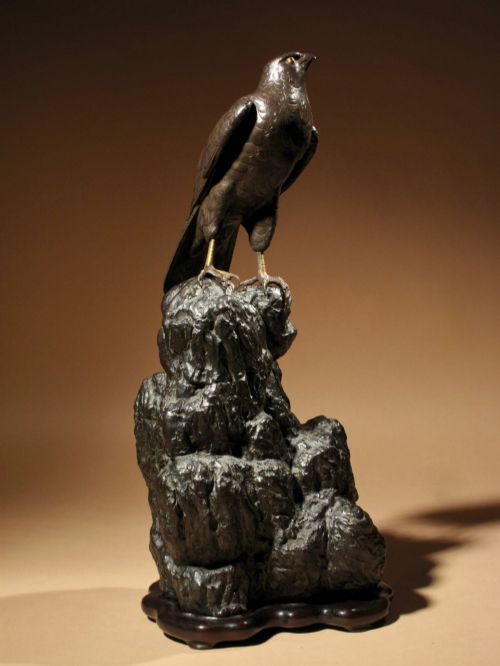
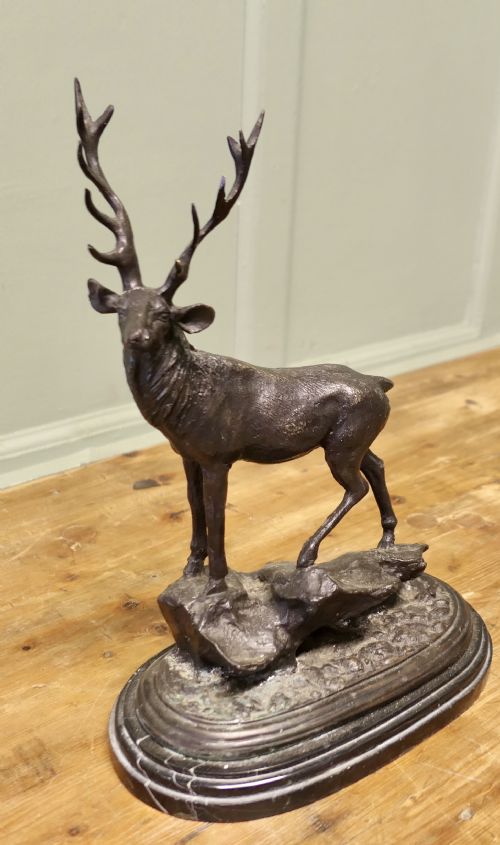
A dark bronze animal sculpture brings the nineteenth-century fascination with wildlife and domestic hounds into the room through weighty metal castings. The pieces on this page span from eighteen sixty to nineteen hundred, encompassing Victorian animalier works alongside Japanese Meiji examples.
Most examples depict creatures in motion or fierce combat, ranging from bears and elephants to gundogs, hounds, and ostriches. These heavy desk and cabinet pieces rest upon timber or marble bases, holding their presence firmly in a study or library.
How they were made
The makers cast these sculptures in bronze before applying dark patination to accentuate the musculature and textures of feathers, fur, and skin. Many pieces incorporate naturalistic elements of wood, bone, and marble within the bases or composition.
Foundries utilised traditional lost-wax casting methods to capture fine anatomical details across complex multi-figure groups like elephants fighting tigers.
Retail Price Guide 2026
Typical UK retail prices for dark bronze animal sculpture, calculated from the Sellingantiques database of over a million retail prices indexed since 2003. This retail price guide relies exclusively on Sellingantiques data; no external sources or auction records are used, so the figures do not describe the wider market.
The listings span from eighteen sixty through the Victorian era to nineteen hundred, covering both French animalier and Japanese Meiji schools.
What varies in quality
Quality rests upon the fidelity of the casting and the crispness of the chasing work applied after the metal cools from the mould. Finer works display meticulous attention to anatomical tension and fluid movement rather than flat, static surfaces.
The depth and richness of the patination separate standard commercial editions from masterworks signed by prominent animalier sculptors.
Tsunemitsu·Delabrierre·Victor Peter·Antoine Louis Barye
The Dark Bronze Animal Sculpture Glossary
- Animalier
- A nineteenth-century artistic movement dedicated to the realistic depiction of animals. Practitioners focused heavily on anatomical accuracy and dynamic movement.
- Patinated Bronze
- Bronze treated with chemical solutions to produce a darkened surface colour. This finish protects the metal and highlights fine sculptural details.
- Lost-wax casting
- A historic method where a wax model is melted out of a ceramic mould and replaced with molten bronze. This technique allows for intricate undercuts and sharp surface textures.
- Meiji
- The period in Japanese history spanning from eighteen sixty-eight to nineteen twelve, known for exceptional metalwork and ivory carving. Japanese bronze artists of this era produced highly detailed narrative sculptures.
Frequently Asked Questions
What is an animalier sculpture?
An animalier sculpture is a nineteenth-century artwork focusing specifically on the realistic portrayal of animals, often caught in moments of struggle or action.
These pieces emerged from a broader scientific and artistic curiosity about the natural world during the Victorian era.
How do I clean dark bronze?
Dark bronze requires minimal intervention beyond gentle dusting with a soft, dry cloth to preserve the historic surface patination.
Avoid using water, oils, or commercial metal polishes, as these substances strip away the original finish applied by the foundry.
What are timber and marble bases for?
Timber and marble bases provide structural stability and visual weight to heavier bronze animal figures resting on furniture.
They also serve as a defined stage that separates the naturalistic wildlife scene from the surface of a desk or mantelpiece.
How do I identify a Meiji bronze?
Meiji bronze works originate from late nineteenth-century Japan and frequently depict complex narrative scenes involving multiple animals or fierce combat.
These pieces often feature signatures or marks from master metalworkers working within traditional Japanese artistic guilds.