




Dark Blue Persian Rug
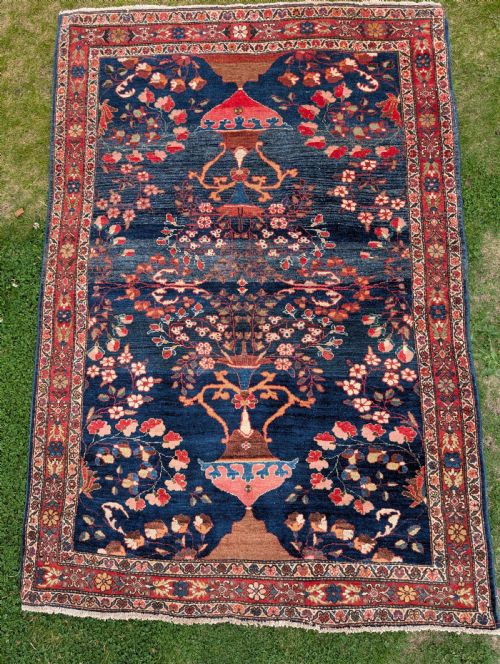
A dark blue persian rug grounds a room with deep indigo wool and generations of nomadic skill.
Dark Blue Persian Rug
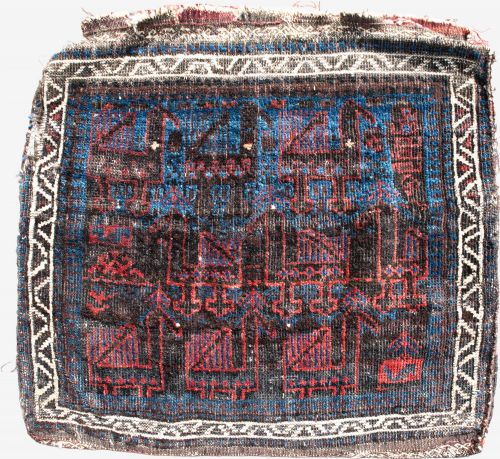
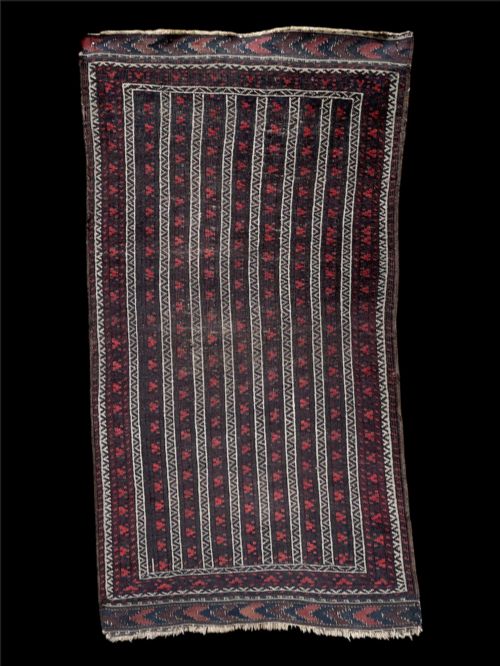
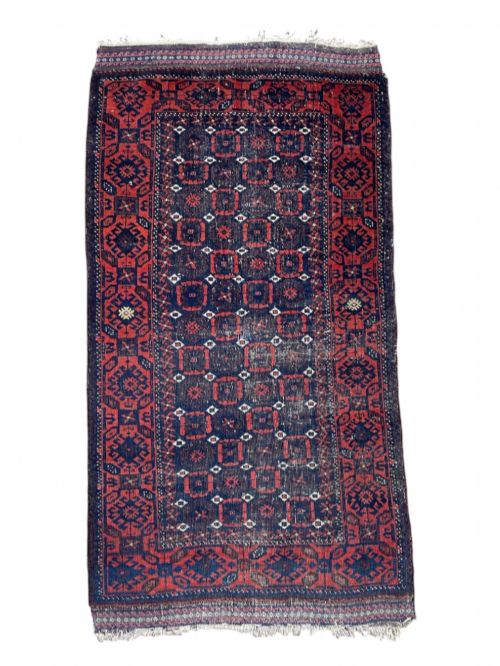
A dark blue persian rug brings together centuries of weaving traditions from village workshops and tribal groups across the region. When searching for this description, buyers encounter floor coverings and smaller textiles featuring rich indigo fields.
The selections span distinct tribal groups including Baluch, Kurdish, and Qashqai weavers alongside town workshops from centres such as Tabriz, Heriz, and Kashan. These pieces arrive in formats ranging from small saddle-bag faces and prayer rugs to generous runners and area carpets.
Dating primarily from the late nineteenth century through to the early decades of the twentieth century, these textiles show how distinct regional aesthetics shaped the use of deep blue wool grounds. Each piece reflects the specific repertoire of motifs favoured by the makers of origin.
How they were made
Weavers relied on durable hand-spun wool for the pile, often supported by cotton foundations and occasional uses of goat hair for sturdy selvedges. This combination of materials provided the dense structure needed to withstand decades of daily use.
Natural dyes created the characteristic deep blue grounds and contrasting motifs seen across these pieces. Artisans extracted these colours from plants and minerals, achieving rich variations in tone that depth-test chemical dyes cannot replicate.
Listings feature wool and cotton constructions dyed with natural indigo, spanning tribal and town workshop origins from the nineteenth and early twentieth centuries.
What varies in quality
The clarity of the design and the saturation of the indigo ground set the finer examples apart from standard work. Subtle shifts in tone across the wool indicate skilled dyeing with natural pigments rather than uniform industrial application.
Knot density and precision in executing intricate tribal motifs determine the structural integrity of the weave. Tightly packed knots secure the wool pile firmly to the foundation, ensuring the pattern remains sharp over time.
The Dark Blue Persian Rug Glossary
- Medallion
- A central ornamental design motif placed in the field of the rug. This focal shape often anchors the surrounding geometric or floral patterns.
- Prayer rug
- A small textile featuring a mihrab or arch design indicating the direction of prayer. Weavers traditionally used these for daily devotions.
- Runner
- A long, narrow format designed for hallways and corridors. These pieces guide movement through domestic spaces.
- Sofreh
- A spreading cloth used for dining or food preparation among nomadic tribes. These flatwoven or piled textiles display symbolic tribal layouts.
- Selvedge
- The reinforced outer edge of a rug that prevents the side cords from unravelling. Artisans often bind these edges tightly with wool or goat hair.
Dark Blue Persian Rug: Frequently Asked Questions
How do I clean an antique rug?
Professional dusting and gentle hand washing maintain the integrity of natural wool fibres without disturbing the foundation. Harsh chemical treatments strip the natural oils from the fleece.
Regular light vacuuming without a rotating brush bar removes surface grit before it settles deep into the pile. Keeping the textile out of direct sunlight prevents the indigo dye from fading unevenly.
Where were these rugs woven?
Nomadic tribes and settled villagers produced these textiles across various provinces of Persia, from Khorassan in the northeast to Fars in the southwest. Each tribal confederation maintained distinct colour palettes and geometric symbol systems.
Town workshops in centres such as Tabriz and Heriz operated on a larger scale, creating formal floral designs tailored for export markets. Regional geography directly influenced the materials available to the weavers.
Can I place a runner in a hallway?
Narrow formats function well in hallways and entryways where floor traffic is steady. Placing a quality underlay beneath the piece prevents slipping and cushions the wool against hard flooring.
Rotating the runner periodically ensures even wear patterns develop across the length of the pile. This simple step extends the working life of the textile in busy spaces.
What makes indigo dye special?
Natural indigo yields deep, complex blue tones that develop a rich patina as the wool ages. Unlike synthetic dyes, plant-based indigo absorbs light differently and shows subtle tonal variations known as abrage.
Master dyers dipped the wool multiple times to achieve the darkest shades required for the field. This traditional process created the enduring depth characteristic of nineteenth-century Persian weaving.