


Traditional Wool Hallway Rug
A traditional wool hallway rug brings depth and warmth to a narrow space through enduring regional designs.
Traditional Wool Hallway Rug
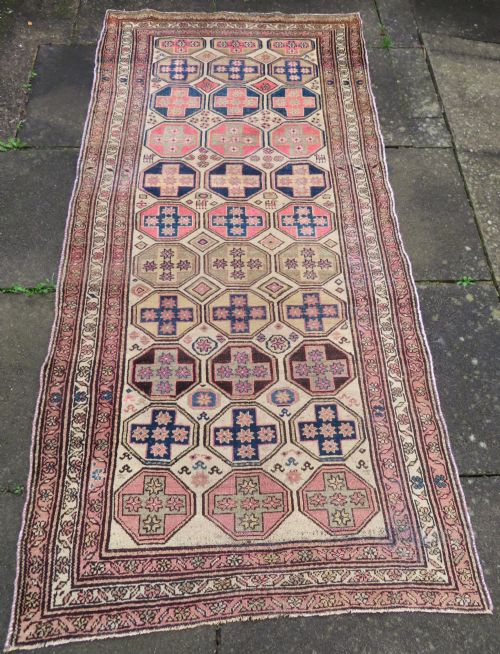
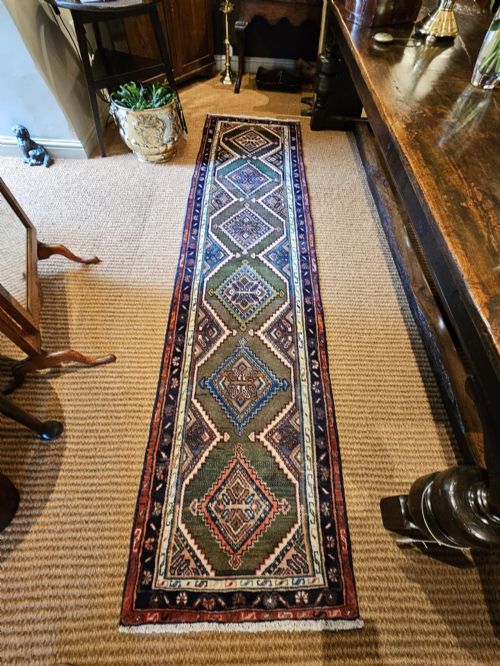
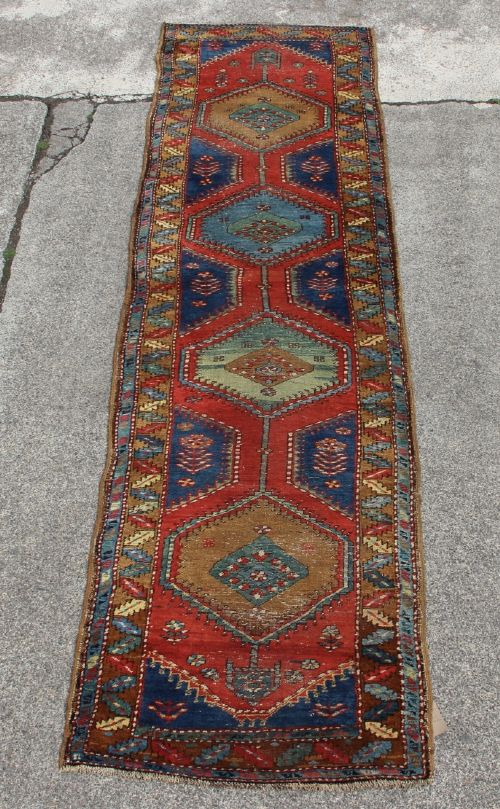
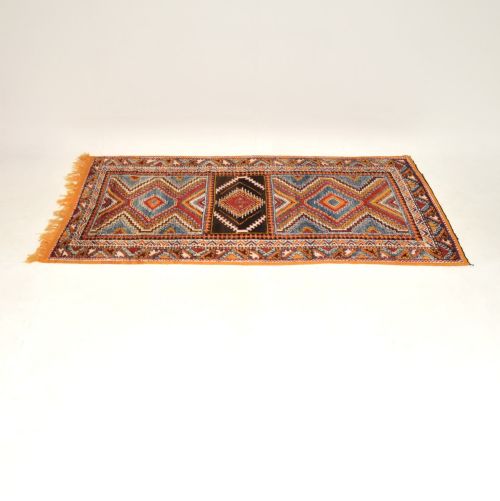
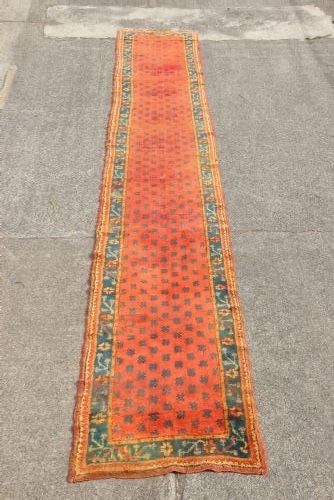
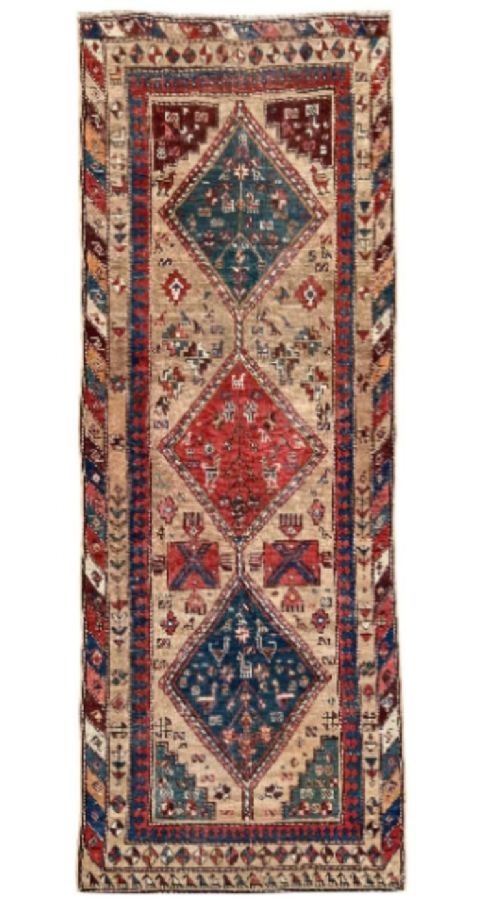
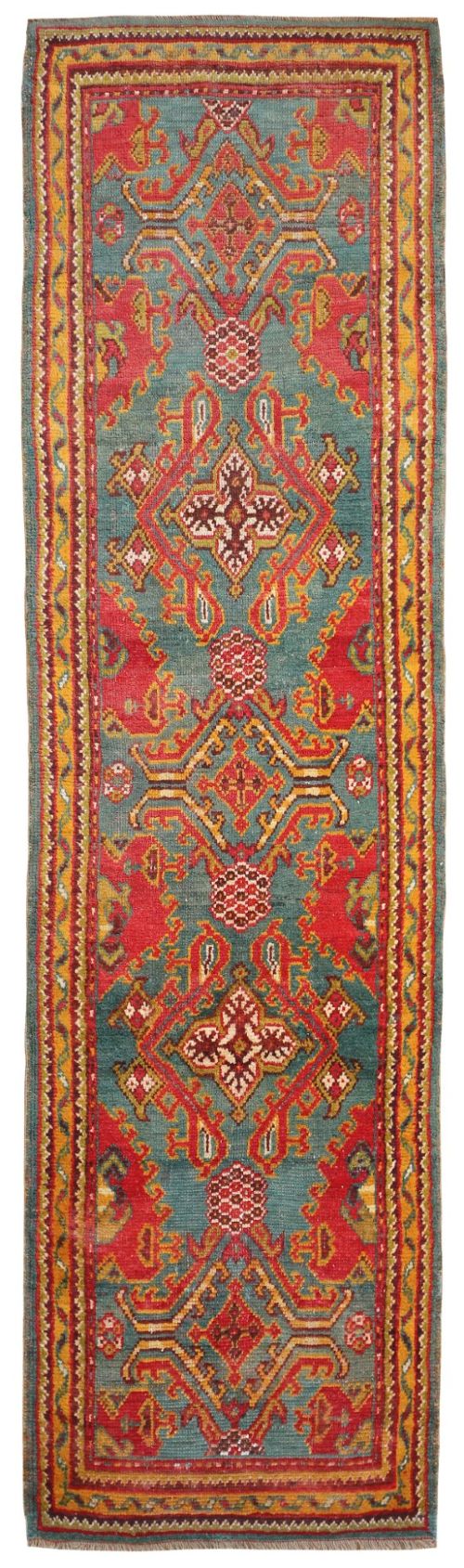
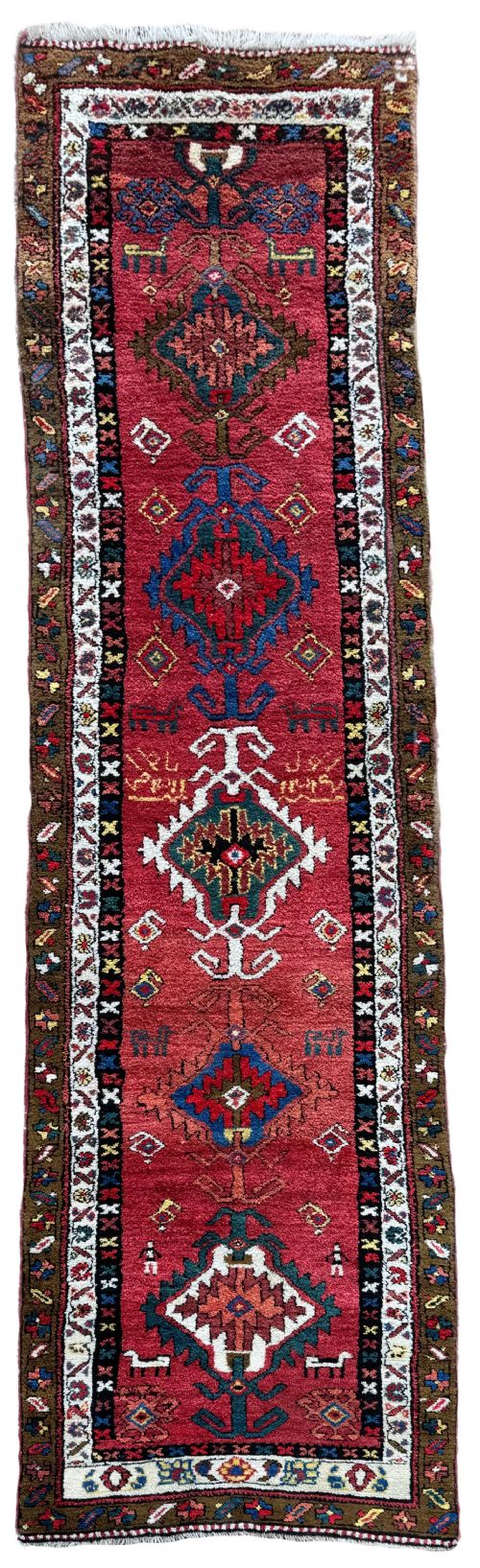
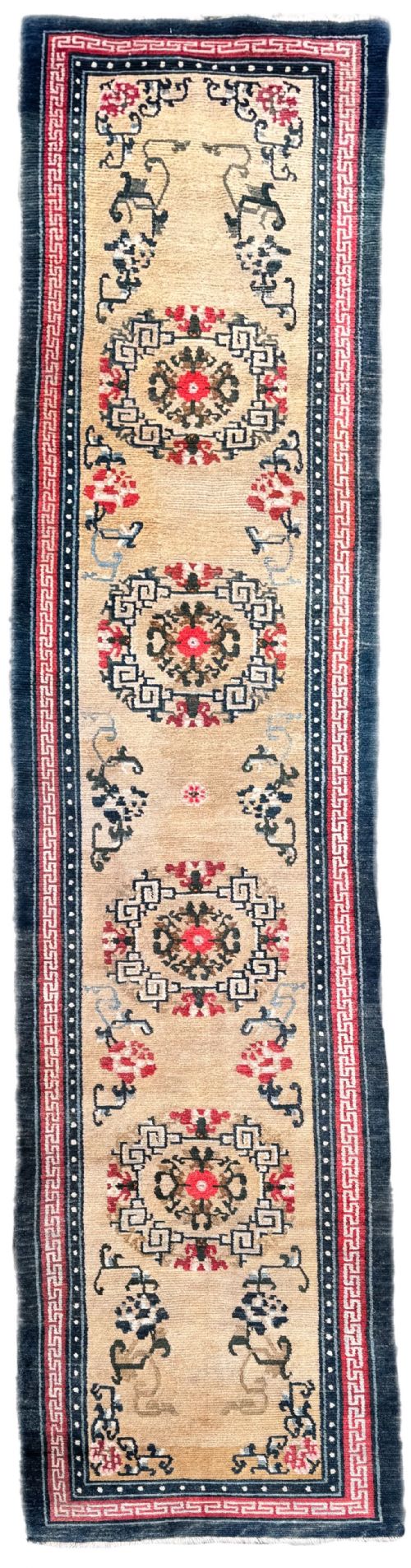
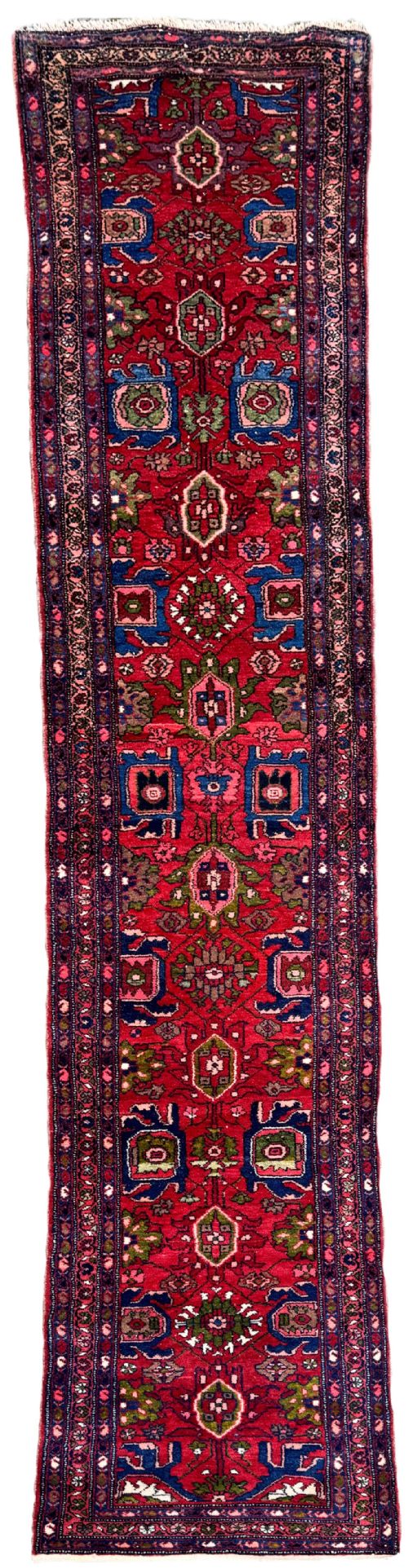
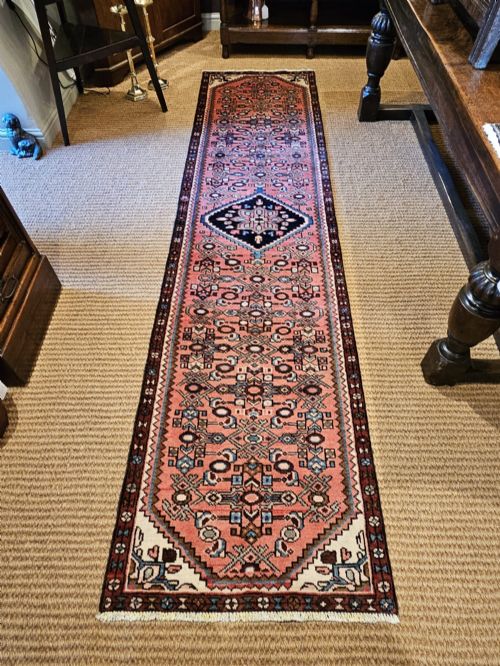
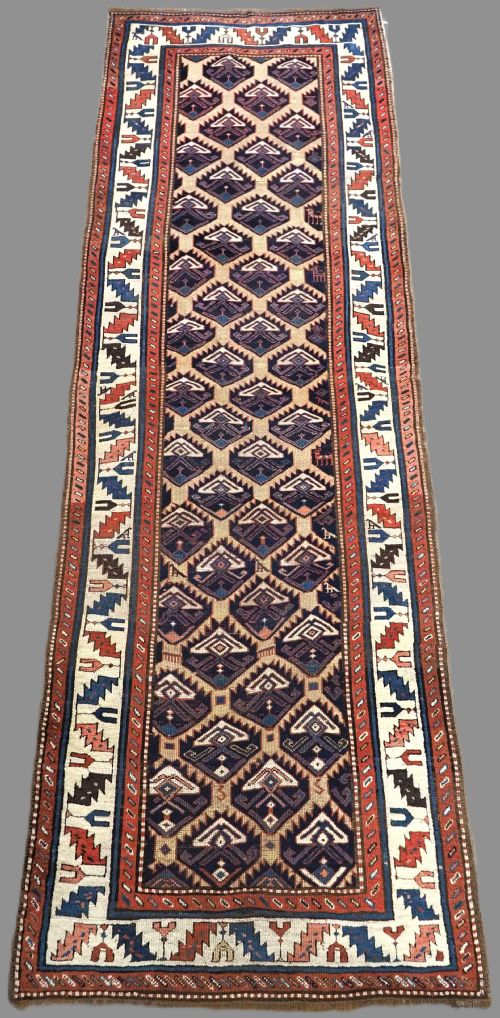
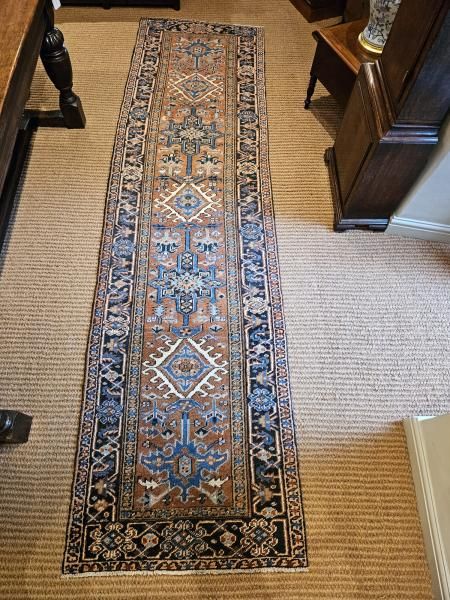
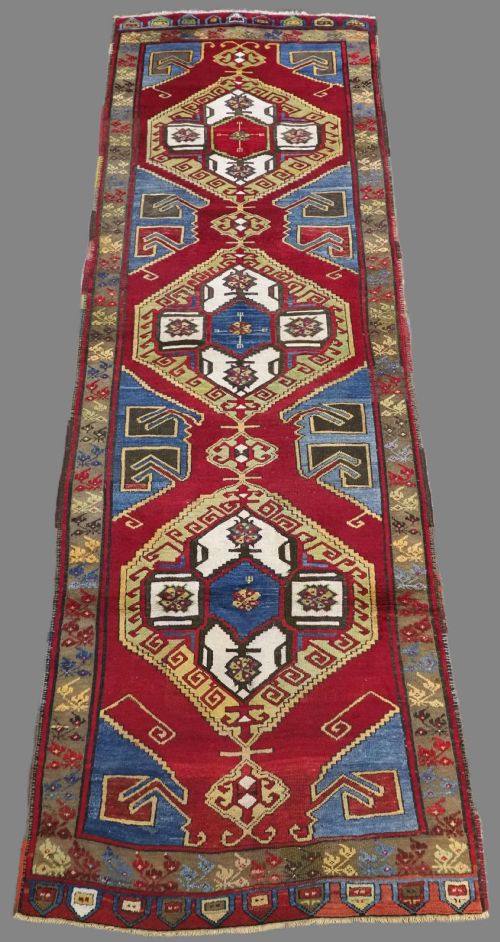
A traditional wool hallway rug is typically encountered as a long, narrow runner designed specifically to traverse corridors and passageways. These pieces span production dates from the nineteenth century into the twentieth century, bringing historic character directly into domestic circulation spaces. Buyers searching for a traditional wool hallway rug will find examples originating from Persian, Turkish, Caucasian, and Tibetan weaving traditions.
The format focuses heavily on runner configurations, recorded in lengths that extend significantly beyond standard room-size carpets to accommodate extended hallways. Alongside designated hallway runners, the listings comprise related tribal and village formats that share the same narrow proportions and wool construction. Regional designations such as Heriz, Ushak, Kurdish, and Kazak appear frequently among the surviving pieces.
How They Were Made
These textiles rely principally on wool, utilised for both the pile and the foundation structure in many traditional village and tribal pieces. Cotton also appears in the foundational warps and wefts of certain urban and regional workshop rugs, providing structural stability for denser pile knots. Handweaving techniques govern the creation of each runner, binding the natural fibres into durable floor coverings designed for heavy use.
Natural dyeing methods permeate the historical palette, producing olive green, navy blue, and rich earth tones that age gracefully over decades. The physical construction incorporates hand-knotted pile tied firmly to foundational warps, resulting in a dense textile capable of enduring high foot traffic.
Geographic origins represented among the listings include Persian, Turkish, Caucasian, Anatolian, and Tibetan weaving traditions.
What Varies in Quality
Quality in these floor coverings rests upon the density of the knotting and the precision of the tribal or regional design execution. Finer examples display intricate geometric or floral motifs rendered with clear definition along the narrow axis of the runner. The integrity of the wool pile and the survival of the original side cordings and end finishes also distinguish superior survivals.
The depth and brilliance of the dye work play a significant role in separating standard examples from exceptional ones. Pieces retaining rich, saturated colour palettes without muddiness demonstrate superior pigment preparation and dyeing expertise during manufacture.
The Traditional Wool Hallway Rug Glossary
- Runner
- A long, narrow carpet format specifically proportioned for corridors, hallways, and staircases. This shape is the defining characteristic for most pieces matched by this search.
- Pile
- The vertical or inclined surface of cut or looped yarn that forms the upper layer of the rug. In these listings, pile is predominantly worked in wool.
- Warp
- The vertical foundation threads stretched lengthwise on the loom before weaving begins. Cotton and wool are the common warp materials found in these rugs.
- Weft
- The horizontal threads passed alternately over and under the warp threads to bind the knots in place. Together with the warp, the weft forms the structural grid of the textile.
- Mina Khani
- A traditional repeating pattern composed of daisy-like flowers linked by curved vines. This specific design motif appears on select Kurdish long runners in the evidence.
Traditional Wool Hallway Rug: Frequently Asked Questions
What is a traditional wool hallway rug?
A traditional wool hallway rug is a long, narrow carpet woven from natural wool fibres, produced mainly in Persian, Turkish, and Caucasian regions during the nineteenth and early twentieth centuries.
These runners were constructed specifically to fit corridors and narrow domestic passages while providing a durable, decorative surface underfoot.
How do I choose the correct runner length?
Selecting the proper length involves measuring your hallway floor space while leaving an equal margin of bare flooring exposed around the perimeter.
Consider the specific dimensions recorded in historical examples, which range from compact apartment runners to exceptionally long corridor carpets spanning several metres.
How do I identify different regional rug types?
Regional attribution relies on observing specific design vocabularies, border structures, and colour combinations unique to weaving centres like Heriz, Ushak, or Kurdish areas.
Village and tribal pieces often display bold geometric motifs and abrash colour variations, whereas workshop pieces tend towards structured floral layouts.