

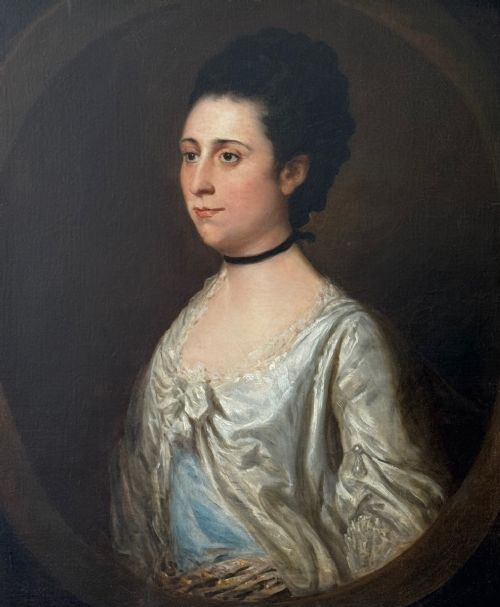
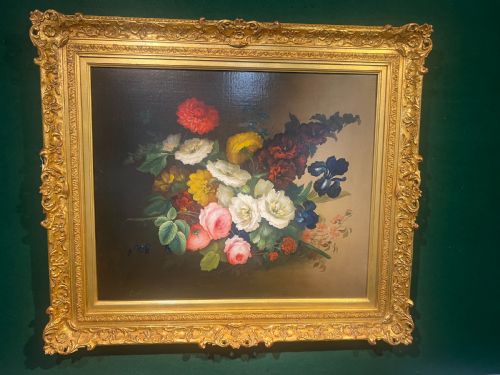
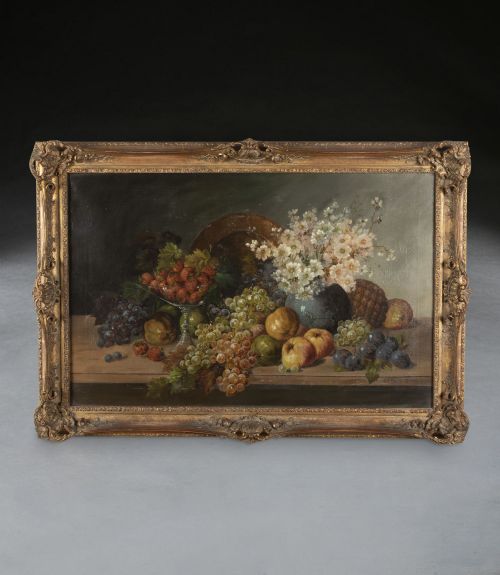


Dark Background Canvas Painting
When searching for a dark background canvas painting, you encounter centuries of portraiture and still life grounded in deep shadow.
Dark Background Canvas Painting
A dark background canvas painting presents subjects emerging from deep shadows, creating strong contrast that draws the eye directly to the focal point. These works span from the 17th century through to the mid-20th century, encompassing varied regional schools and academic traditions.
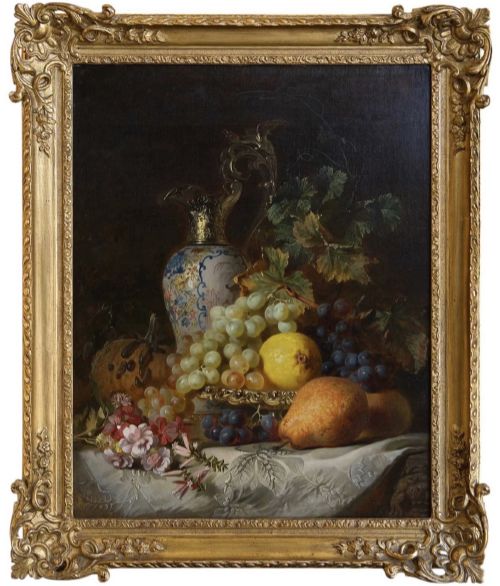
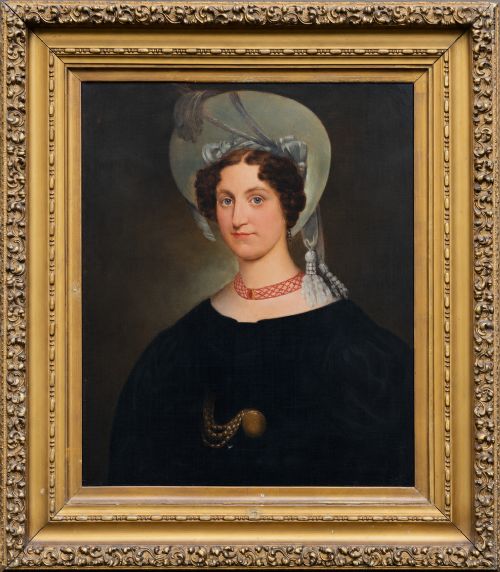
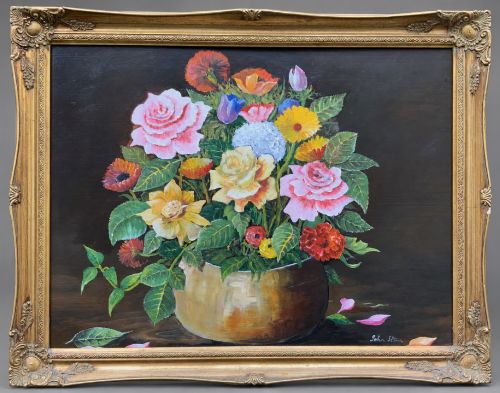
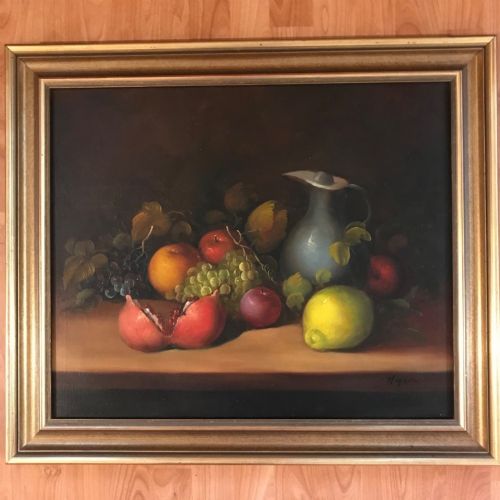
The most common examples on this page are oil paintings on canvas, particularly portraiture depicting figures in formal attire or still life arrangements featuring fruit and flowers. These pieces utilise sombre palettes to heighten drama and focus attention on fine facial expressions or textures.
Examples range from early baroque portraiture to later Victorian and Edwardian interpretations, reflecting enduring fascination with chiaroscuro. Collectors find works originating from English, Flemish, French, and Spanish schools among the selections.
Materials and technique
Artists painted primarily using oil paint applied to stretched canvas, often supported by wood stretcher frames and occasionally housed within gilt wood frames. The preparation of the canvas involved applying gesso or priming layers before building up pigment.
The technique relies on contrasting deep, shadowed backgrounds with illuminated subjects, a method requiring careful control of light and shade. Pigments were layered to achieve rich depth in the dark areas, allowing subjects to appear as though emerging from the gloom.
Dark Background Canvas Painting Retail Price Guide 2026
Typical asking prices for dark background canvas painting among the pieces listed under this phrase on Sellingantiques today, from the lower quarter to the upper quarter. They describe what is for sale here now, not the wider market.
Among the solemn portraits and heavy gilt frames, a few watchful Persian kittens and an attentive dog emerge from the gloom to keep guard.
Judging the range
Quality rests upon the artist's ability to handle light and anatomy, distinguishing skilled academic output from routine studio production. Masterful brushwork in the illuminated areas provides a palpable sense of texture and presence.
The stability of the canvas and the preservation of the original pigment layers determine the longevity and visual impact of the piece. Works retaining their initial depth without excessive overpainting command greater attention from discerning buyers.
Martha Darlay Mutrie·John Stone·Thomas Beach·Edwin Steele·Sir Godfrey Kneller·John Closterman
The Dark Background Canvas Painting Glossary
- Chiaroscuro
- The treatment of light and shade in a drawing or painting, used to create the illusion of volume. This technique defines many works on this page.
- Canvas
- A closely woven fabric used as a support for oil painting. It is typically stretched over a wooden frame.
- Giltwood
- Wood that has been covered with a thin layer of gold leaf or gold paint. Frames of this material frequently accompany older paintings.
- Still life
- A painting depicting mostly inanimate subject matter, typically commonplace objects. These compositions often feature arrangements of fruit or flowers against dark tones.
- Provenance
- The chronology of the ownership or location of a historical object. Documented history adds significant context to older artworks.
Dark Background Canvas Painting: Frequently Asked Questions
What periods do these paintings cover?
The available selection spans from the mid-17th century through the Georgian and Victorian eras up to the mid-20th century.
Each period brings distinct stylistic approaches to portraiture and still life composition against deep backgrounds.
How should I care for an oil painting on canvas?
Keep the artwork away from direct sunlight, high humidity, and extreme temperature fluctuations to protect the canvas and pigments.
Dust the surface gently with a soft, dry brush and avoid using chemical cleaners or water.
How are subjects lit in these works?
Artists employed dramatic lighting techniques, often called chiaroscuro, placing a single light source to illuminate the primary subject.
The surrounding canvas remains shrouded in dark tones to create strong visual depth and focus.
Are these paintings supplied with frames?
Many listings include period frames, such as gilt wood surrounds, which complement the age and style of the canvas.
Frame details vary across individual pieces depending on their original context and subsequent history.
How do I distinguish between school attributions?
Attributions to specific regional schools, such as the Flemish or Spanish school, rely on stylistic traits and recorded provenance.
Signatures or historical inscriptions on the reverse of the canvas often provide further clues to origin.