

Antique Fruit Canvas Art
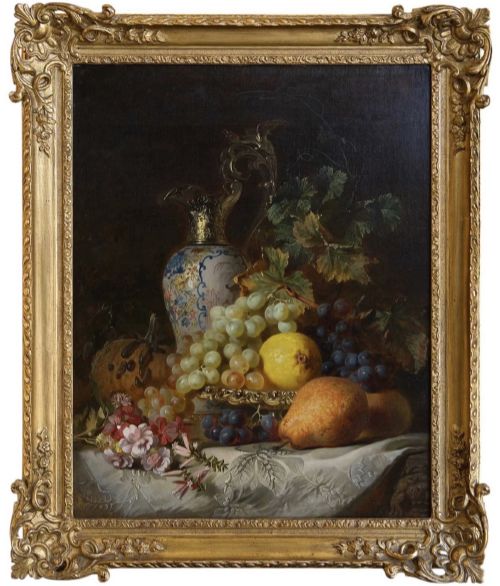
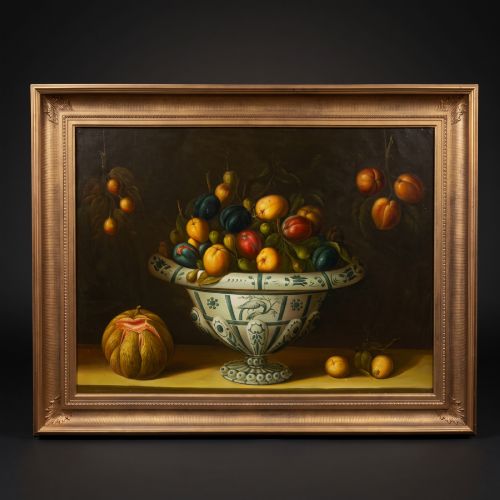
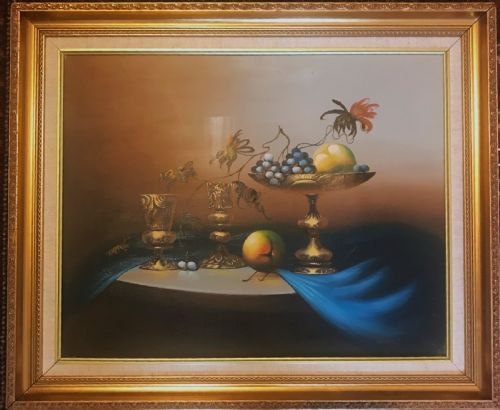
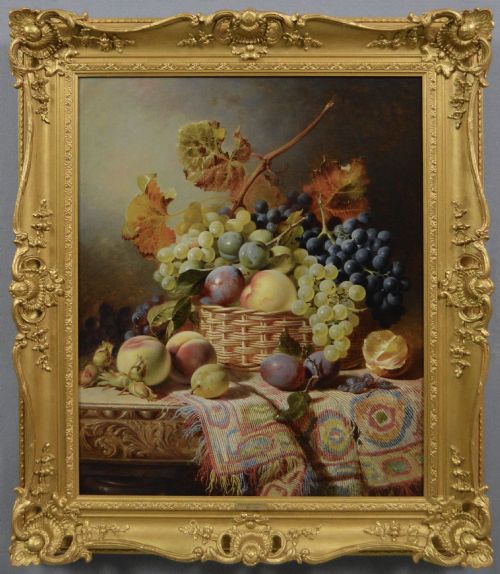
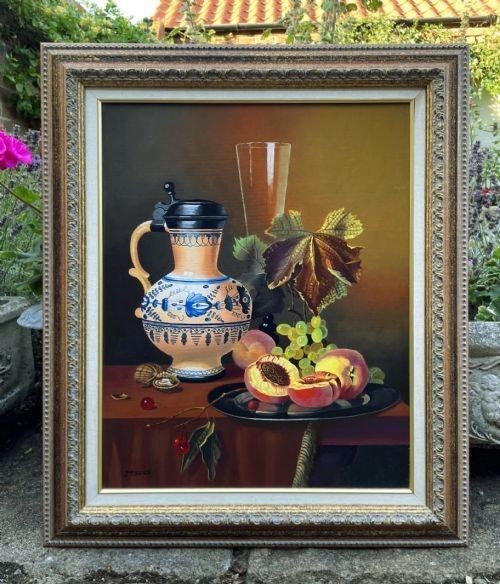
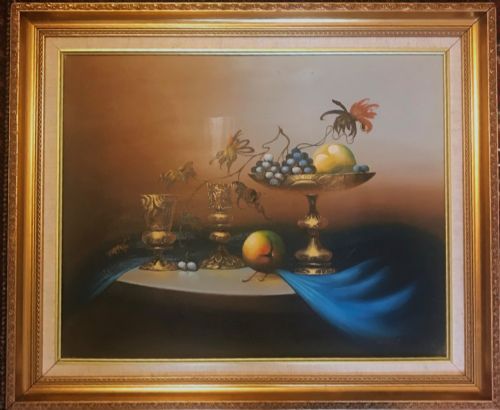
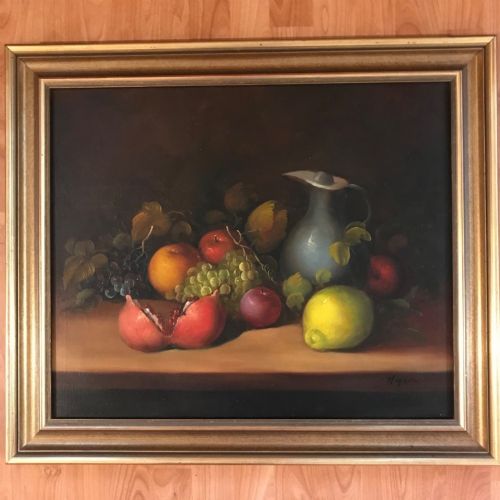
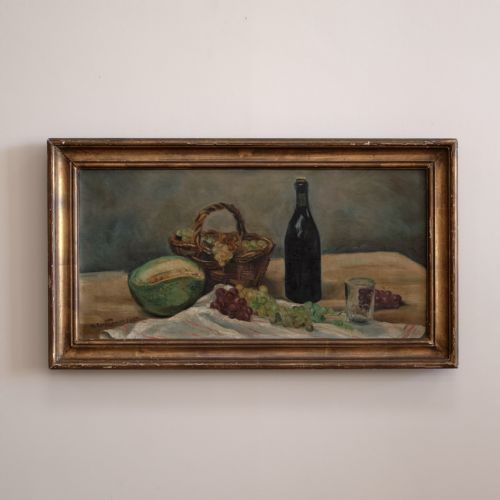
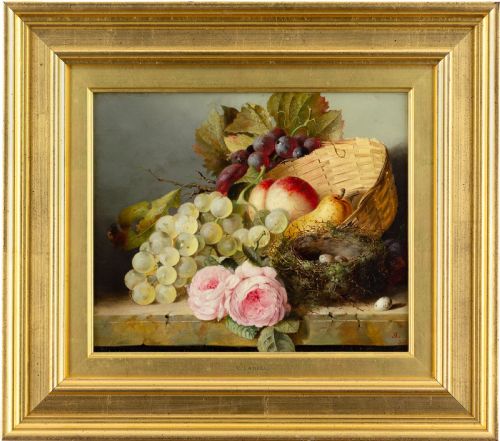
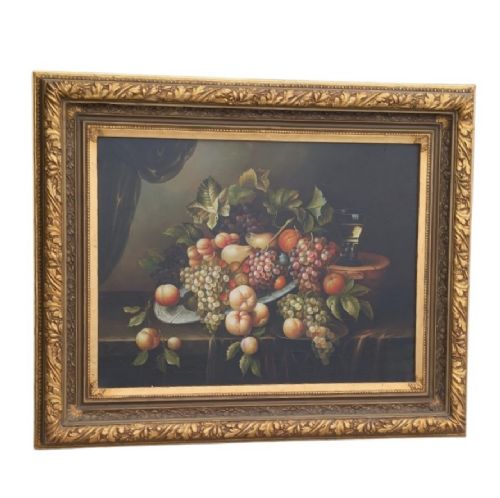
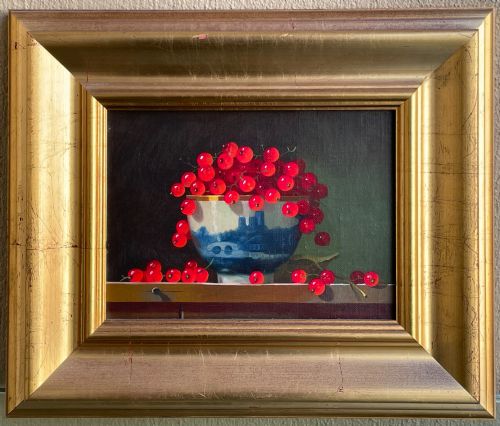
These antique fruit canvas art pieces bring the weight of oil paint, canvas and giltwood frames into a room, offering centuries of arranged apples, grapes and baskets.
Antique Fruit Canvas Art
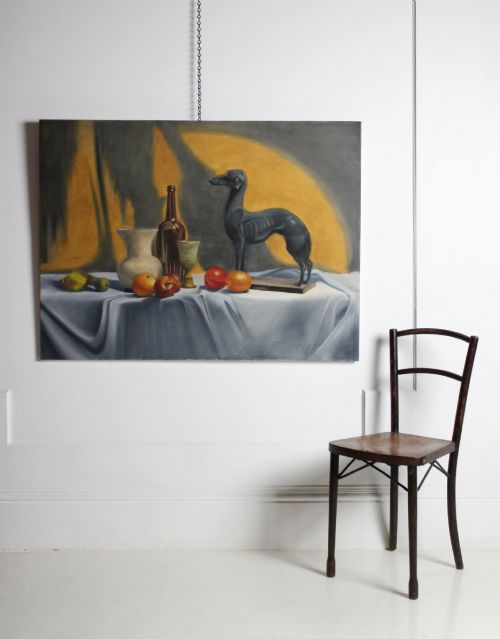
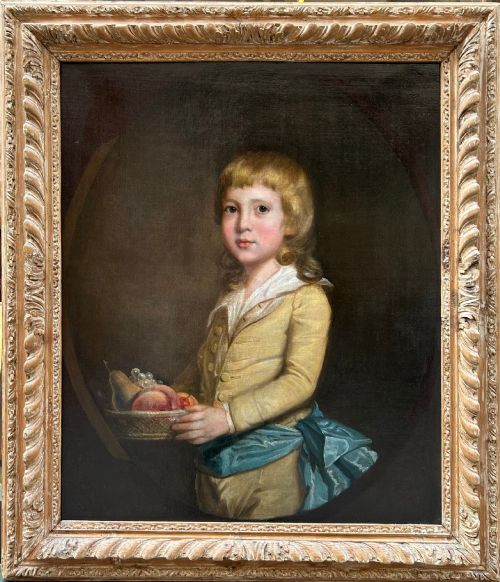
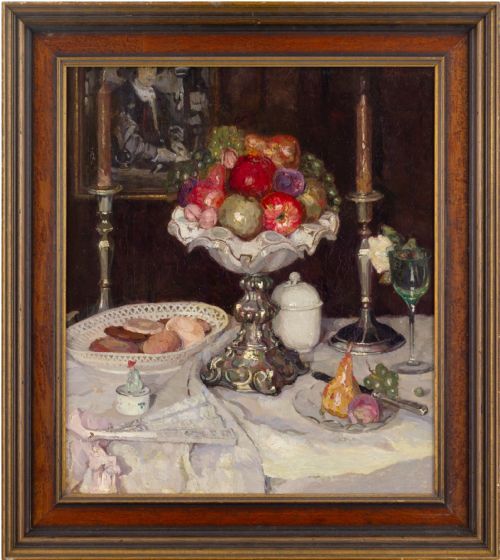
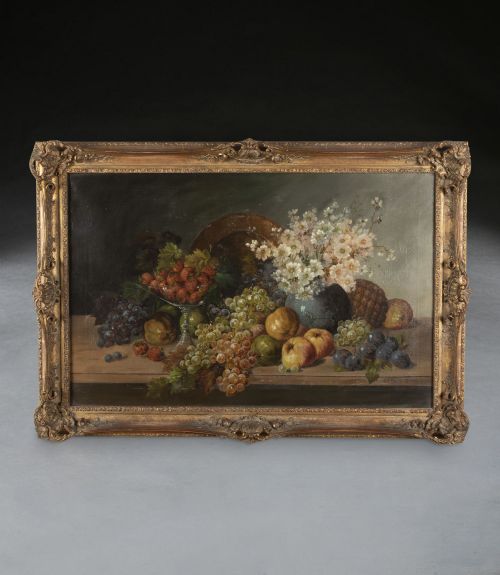
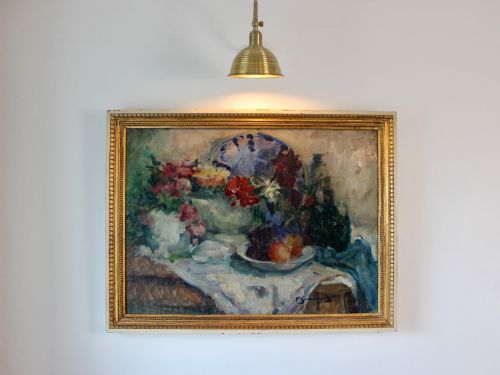
When you search for antique fruit canvas art, you encounter oil paintings on canvas depicting arrangements of autumn fruit, baskets, bowls and tabletop spreads. The versions most likely to meet you on this page originate in the nineteenth century, including Victorian works, alongside some eighteenth-century portraits and early twentieth-century modernist canvases.
The subjects range from Dutch master style still lifes featuring apples, peaches and grapes to portraits of figures carrying fruit baskets. These works span nineteenth-century realism, classical still life and early twentieth-century French and English interpretations.
Makers and schools represented across these listings include named British artists such as Edward Ladell and William Duffield, alongside European school studies and continental painters.
How they were made
The foundational material is oil paint applied to stretched canvas, often supported by wooden stretchers and housed within ornate giltwood and gesso frames. Painters built up compositions using layers of oil, capturing the textures of fruit skins, porcelain bowls, wicker baskets and carved wooden tables.
Techniques draw on classical traditions, Dutch master methods and later post-impressionist or slightly cubist approaches. The physical construction combines woven canvas textile bases with traditional oil binding media and gilded wooden mouldings.
Antique Fruit Canvas Art Retail Price Guide 2026
Typical asking prices for fruit canvas art among the pieces listed under this phrase on Sellingantiques today, from the lower quarter to the upper quarter. They describe what is for sale here now, not the wider market.
Materials recorded across the inventory include oil paint, stretched canvas, wood, giltwood, gesso and carved wooden frames.
What varies in quality
Quality rests in the handling of brushwork, pigment depth and the structural integrity of the canvas and frame. Superior works demonstrate precise command over light and shadow on organic surfaces like fruit skins, foliage and glassware.
The distinction between standard decorative school paintings and works by established nineteenth-century painters lies in the fidelity of composition and the subtlety of colour blending across the canvas surface.
Martha Darlay Mutrie·William Duffield·Edward Ladell·Thomas Beach·Victor Simonin·Thomas Hooper·J.C. de Bruin·John Robertson Reid·William Jones of Bath·Oliver Clare·Alfred Arthur Brunel de Neuville·George Lance
The Antique Fruit Canvas Art Glossary
- Oil on Canvas
- A painting medium where pigments are bound with drying oils and applied to a woven fabric support stretched over a wooden frame. This surface provides flexible durability for detailed still life compositions.
- Giltwood
- Wood that has been coated with a thin layer of gold leaf or gilt powder, commonly utilised for decorative picture frames. It adds reflective warmth to nineteenth-century oil paintings.
- Gesso
- A paint mixture consisting of a chalk, gypsum, and pigment binder used to prepare rigid surfaces or wood mouldings before gilding. It forms the smooth base beneath ornate frame finishes.
- Still Life
- A work of art depicting mostly inanimate subject matter, typically commonplace objects which may be either natural or man-made. In this context, it centres on fruit, baskets, wine glasses and tableware.
- Dutch Master Style
- An artistic approach emulating the detailed realism, dramatic lighting and botanical precision of seventeenth-century Dutch painters. Works in this style focus on natural textures and rich autumn harvests.
Antique Fruit Canvas Art: Frequently Asked Questions
What periods do these paintings come from?
The selection spans from the eighteenth century through the Victorian era and into the early twentieth century. Pieces range from eighteenth-century portraits to nineteenth-century classical still lifes and 1930s modernist canvases.
Most items concentrate in the nineteenth century, reflecting Victorian realism and Dutch master revival styles.
How should I display a canvas painting?
These works suit dining rooms, libraries or sitting rooms where traditional oil paintings on canvas create a warm focal point. Ensure they hang away from direct heat sources and strong sunlight to protect the oil paint and canvas.
Matching the giltwood frame to other period furnishings helps integrate the artwork into a traditional interior.
What subjects appear alongside the fruit?
Common companion elements include porcelain faience bowls, wicker baskets, wine glasses, candlesticks and patterned tablecloths. Some compositions incorporate birds, nests, flowers or human figures holding baskets of produce.
These varied items provide contrasting textures of glass, ceramic, wood and fabric against the organic shapes of the fruit.
How do I identify a nineteenth century piece?
Nineteenth-century works often feature characteristic Victorian realism, heavy giltwood frames and specific subject matter like autumn fruit arrangements. Examining the canvas weave, stretcher construction and framing materials helps determine the era.
Signatures, artist records and stylistic markers also assist in dating the oil paintings accurately.