













Rococo Frame Oil Painting
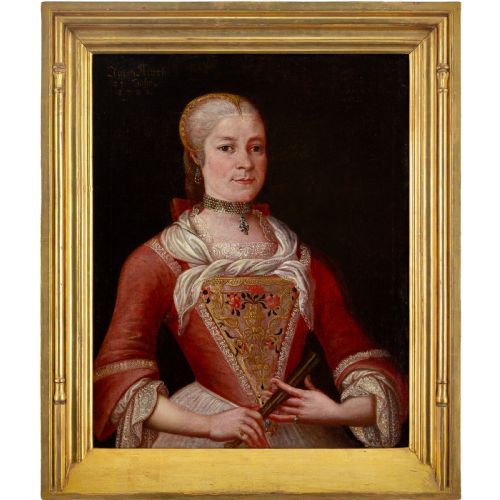
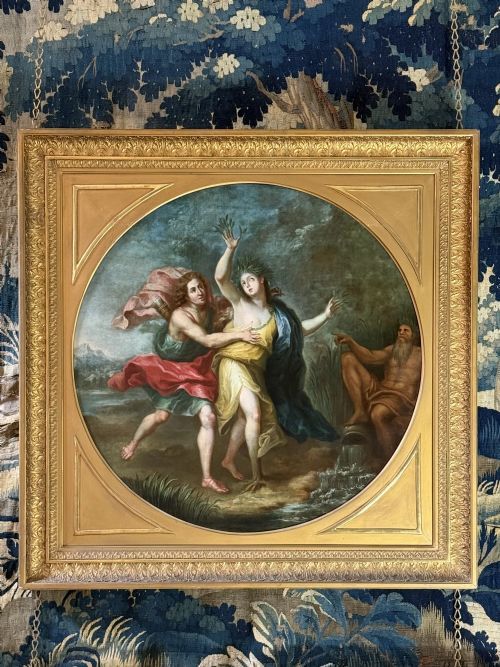
A rococo frame oil painting combines intricate, scrollwork framing with classical portraiture or pastoral scenes, bringing 18th-century decorative elegance directly to interior spaces.
Rococo Frame Oil Painting
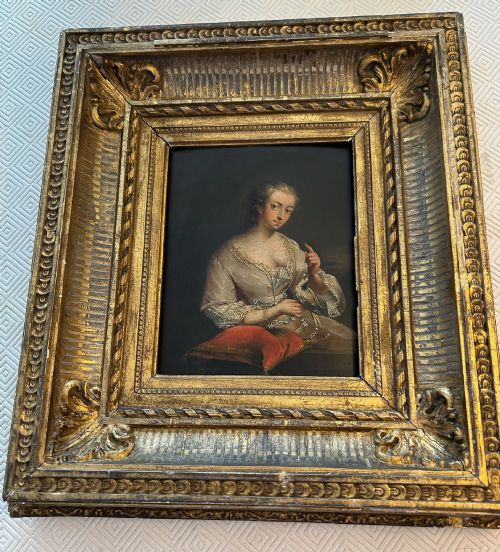
A rococo frame oil painting consists of canvases or wood panels set within ornate, highly curved surrounds that reflect the ornamental tastes of the mid-18th century and later revival periods. Buyers searching this phrase encounter a mix of genuine period works and subsequent interpretations featuring portraits, classical subjects, and pastoral landscapes.
The selections on this page span from 18th-century originals by European schools to later 19th-century trumeau mirrors and revival pieces. Subjects range from aristocratic ladies in silk dresses to mythological figures and genre scenes.
Most examples pair oil on canvas or oil on board mediums with heavy wooden structures, reflecting the integration of fine art and decorative framing typical of French and Italian salons.
How they were made
The frames themselves rely on wooden foundations built up with layers of gesso, a plaster-like mixture that was moulded or carved into asymmetric C-scrolls, floral motifs, and shell patterns before receiving applications of gold leaf or gilt paint.
The paintings employ traditional oil paint on stretched canvas or wooden panels, utilising layered glazes to achieve luminous skin tones and rich fabric textures in portraits and narrative scenes.
Several portraits quietly feature small pets, including a young girl posing alongside her pet bird.
What varies in quality
Quality differences lie in the depth and crispness of the framing ornamentation, where hand-carved wooden and gesso details show sharper definition than cast composition ornaments.
In the canvases, the finesse of brushwork, particularly in facial expressions, hands, and drapery, distinguishes master works and accomplished school pieces from standard decorative portraits.
Charles-Antoine Coypel·Jean-Baptiste Van Loo·Jeremiah Davison·Henry Pickering·Allan Ramsay·Jean-Baptiste Greuze·Nicolas Fouche·John Simmons·Christian Lindner·Johann Hamza
The Rococo Frame Oil Painting Glossary
- Gesso
- A plaster mixture applied to wooden frame bases to create a smooth surface for carving and gilding. This foundational layer allows for intricate relief ornamentation.
- Giltwood
- Wood that has been coated with thin sheets of gold leaf or gold paint. It provides the characteristic metallic sheen seen on period frames.
- Trumeau
- An architectural mirror or panel featuring a painted scene or artwork positioned above the glass. These items often integrate pastoral oil paintings into interior wall panelling.
- Swept frame
- A frame style characterised by flowing, undulating curves and prominent shell or scroll corners. It defines the visual movement associated with the decorative style.
- Oil on canvas
- Pigments bound with an oil medium applied to a woven fabric support. This combination forms the primary medium for the historical paintings found within these decorative surrounds.
Rococo Frame Oil Painting: Frequently Asked Questions
Are these frames original to the paintings?
Many period paintings retain frames contemporary to their creation, while others are paired with period-appropriate or revival surrounds that match the aesthetic of the artwork.
Matching historical paintings with correct frames remains a common practice in decorative arts, enhancing the overall presentation of the canvas.
How do I identify a revival frame?
Revival pieces often date from the 19th or 20th century, utilising machine-moulded composition ornament rather than hand-carved wooden detailing.
Examining the corner joints and the texture of the gesso underneath the gilding helps reveal the age of the framing structure.
Where were these paintings displayed historically?
These artworks were originally commissioned for aristocratic drawing rooms, country houses, and palace interiors, often integrated directly into wall panelling or overmantels.
Their ornate surrounds were designed to complement elaborate architectural plasterwork and gilded interior furnishings.
How should I care for gilded frames?
Giltwood surfaces require gentle dusting with a soft, dry brush to prevent damage to the delicate metallic leaf and underlying gesso.
Keeping the pieces away from direct sunlight and high humidity preserves both the canvas pigments and the integrity of the wooden frame.