

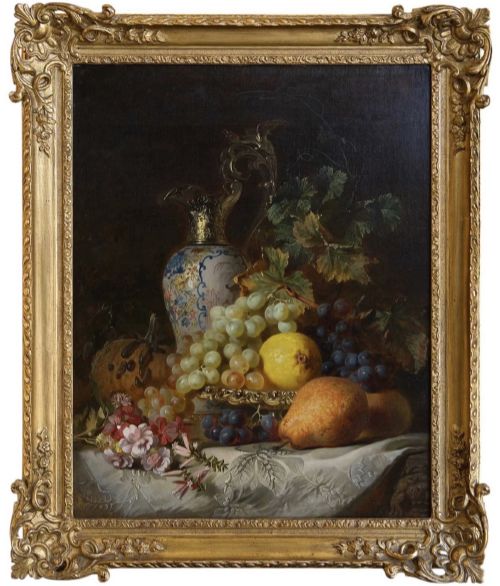
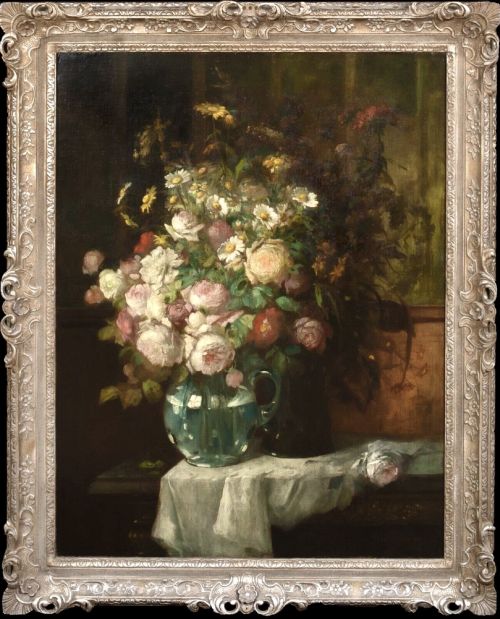
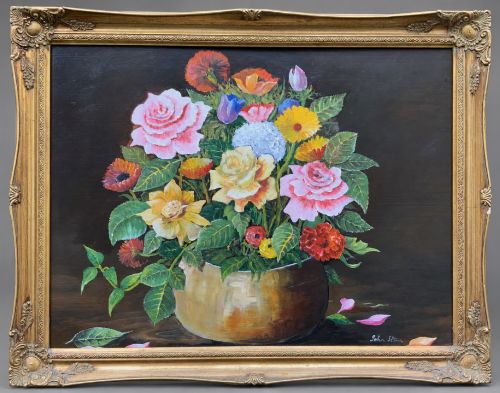
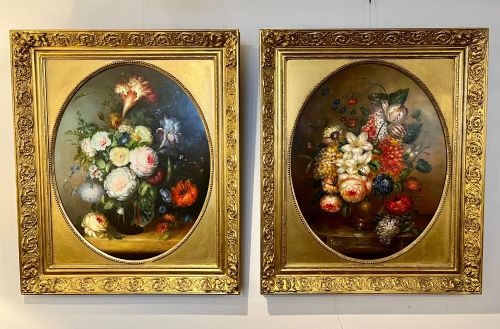
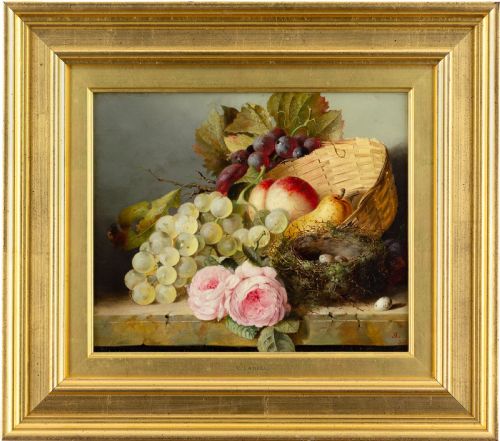


Classic Floral Oil Painting
A classic floral oil painting brings centuries of botanical study into a room, offering enduring colour and composition.
Classic Floral Oil Painting
A classic floral oil painting captures botanical specimens and arrangements, often presented as traditional still lifes or structured bouquets. When searching for a classic floral oil painting, buyers encounter works spanning from the eighteenth century through to the mid-twentieth century.
The pieces on this page include Victorian examples alongside Dutch Golden Age style works and post-war traditional studies. Canvas and board serve as the primary supports for these oil paintings, framed in wood and gilded finishes.
Originating from British, Swiss, and Dutch traditions, these oil paintings range from intimate botanical studies to grander framed compositions. The subject matter focuses heavily on floral bouquets, roses, and morning glories arranged within domestic settings.
Materials and Technique
Artists built these works using oil paint applied to stretched canvas or wooden board, allowing for rich colour blending and fine detail. The handling of the medium ranges from tight nineteenth-century realism to looser post-century interpretations.
Frames play a significant role in the presentation of these works, constructed from wood and embellished with gilt, giltwood, or gilded wood. These traditional framing techniques complement the depth and texture of the oil layers.
Classic Floral Oil Painting Retail Price Guide 2026
Typical asking prices for classic floral oil painting among the pieces listed under this phrase on Sellingantiques today, from the lower quarter to the upper quarter. They describe what is for sale here now, not the wider market.
Several floral arrangements include unexpected wildlife visitors like birds' nests tucked quietly among the roses and morning glories.
Quality and Execution
The distinction in quality rests upon the artist's command of light, shadow, and botanical accuracy within the oil medium. Finer works display meticulous rendering of petal textures and naturalistic depth in the floral arrangements.
The execution of the surrounding elements, such as draped cloth, baskets, or vases, contributes to the overall success of the composition. Framing also varies from simple wooden surrounds to ornate gilded structures that influence the visual weight of the piece.
Martha Darlay Mutrie·John Stone·Edward Ladell·Margaret Evangeline Wilson·Katherine Bourne·Jules Felix Ragot
The Classic Floral Oil Painting Glossary
- Still Life
- An artwork depicting inanimate subject matter, typically commonplace objects such as flowers, fruit, or glassware. In these pieces, the focus rests on botanical arrangements.
- Oil on Canvas
- A traditional painting technique where pigments bound in oil are applied to a woven fabric support. This combination allows for lasting durability and rich pigmentation.
- Giltwood
- Wood that has been treated with a thin layer of gold leaf or gold paint. Frames utilising this material are common in traditional oil paintings.
- Dutch Golden Age Style
- An artistic approach emulating the detailed realism and dramatic lighting of seventeenth-century Netherlands painting. Works in this style often feature dark backgrounds contrasting with vibrant floral bouquets.
- Realism
- An artistic movement focused on depicting subject matter truthfully without artificiality. Nineteenth-century examples on this page demonstrate this close observation of nature.
Classic Floral Oil Painting: Frequently Asked Questions
How do I date a floral oil painting?
Dating relies on stylistic clues, canvas preparation, and the framing methods employed by the artist. Examining the brushwork and pigment choices also helps place a work within specific periods like the Victorian era or the mid-twentieth century.
Signatures, biographical records of the artist, and any inscriptions on the reverse of the canvas or stretcher frame provide further chronological certainty.
Where should I hang a floral oil painting?
These works suit traditional reception rooms, studies, and hallways where their rich colour palette can be appreciated up close. Placing them away from direct sunlight protects the oil pigments and the gilded wood frames over time.
Pairing them with period furniture enhances the traditional atmosphere of the room without overwhelming the existing interior scheme.
What is the difference between canvas and board supports?
Canvas provides a flexible woven surface that responds to atmospheric changes by expanding and contracting slightly. Board offers a rigid, stable backing that prevents the paint layer from flexing.
Both supports were used across different centuries, with board frequently appearing in smaller studies and painted sketches.