


Daisy Makeig Jones Bowl
A daisy makeig jones bowl brings imaginative ceramic narratives and iridescent glazes directly from the early twentieth century into modern interiors.
Daisy Makeig Jones Bowl
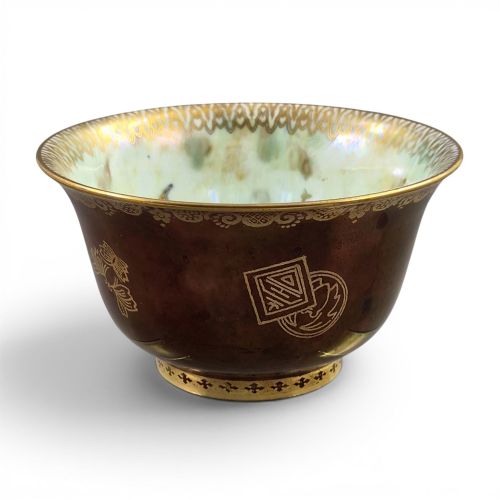
When searching for a daisy makeig jones bowl, collectors encounter intricate porcelain and bone china vessels produced primarily during the Edwardian period and the 1920s. These pieces encompass decorative bowls in various geometric shapes alongside miniature cups, showcasing distinct artistic influences.
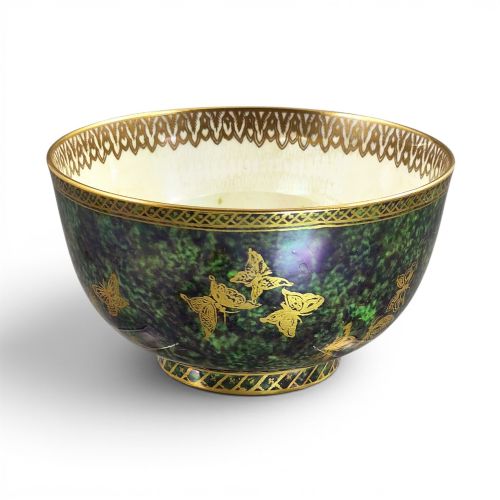
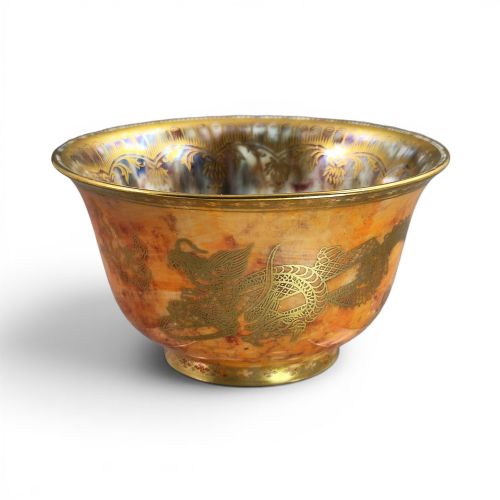
The decorative schemes heavily draw upon Art Nouveau and Art Deco sensibilities, translating fantasy and folklore into permanent ceramic form. Common iterations include circular and octagonal bowls painted with complex motifs such as dragons, butterflies, and fairyland scenes.
How they were made
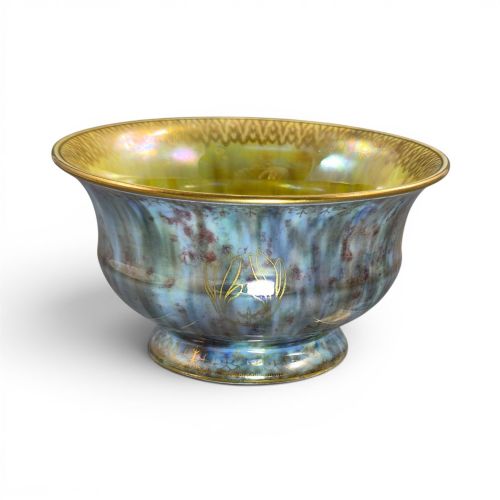
The creation of these pieces relies upon bone china and porcelain bodies formed into thrown or moulded vessels. Artisans applied specialised metallic glazes and lustre finishes that react during firing to produce iridescent sheens across the ceramic surface.
Gold leaf and intricate gilt detailing were frequently incorporated to highlight the elaborate pictorial designs. This combination of glaze chemistry and surface gilding requires precise kiln control to achieve the characteristic shimmering effect.
Daisy Makeig Jones Bowl Retail Price Guide 2026
Typical asking prices for daisy makeig jones bowl among the pieces listed under this phrase on Sellingantiques today, from the lower quarter to the upper quarter. They describe what is for sale here now, not the wider market.
The listings show production spanning the Edwardian period, 1910, and 1920, utilising porcelain, bone china, gold leaf, and metallic lustre glazes.
What varies in quality
Quality differences rest largely in the complexity and density of the decorative pattern applied to the ceramic surface. Pieces featuring multi-tiered narrative scenes or comprehensive pictorial schemes command greater artistic interest than simpler monochromatic or mottled glaze variants.
The precision of the lustre application and the preservation of the gold leaf details also dictate the relative standing of individual vessels. Superior examples maintain deep, unbroken iridescence and crisp enamel outlines across every facet of the design.
Wedgwood
The Daisy Makeig Jones Bowl Glossary
- Lustre Glaze
- A metallic oxide glaze fired in a reduced oxygen atmosphere to produce an iridescent, pearl-like surface sheen. This technique is central to the visual appeal of these ceramics.
- Bone China
- A type of soft-paste porcelain incorporating animal bone ash, resulting in a strong, highly translucent white body. It serves as the canvas for many detailed transfer and hand-painted designs.
- Octagonal Bowl
- A vessel featuring eight distinct planar sides rather than a standard circular profile. This geometric form often provides separate panels for individual illustrative vignettes.
- Gold Gilt
- The application of fine gold leaf or liquid gold paint onto the ceramic body to accentuate rims, handles, and pictorial borders. It adds warmth and contrast to the surrounding lustre colours.
- Fairyland
- A thematic design category populated by mythical creatures, elves, and fantastical landscapes. These patterns represent some of the most ambitious artistic achievements recorded on the ware.
Daisy Makeig Jones Bowl: Frequently Asked Questions
What are daisy makeig jones bowls?
These ceramic vessels are decorative bowls and miniature cups designed during the early twentieth century, spanning the Edwardian era and the 1920s.
They are celebrated for combining porcelain and bone china bodies with complex illustrative narratives and iridescent lustre glazes.
How should I display a lustre bowl?
Lustre bowls benefit from placement in well-lit settings where ambient light can catch the metallic sheen and underlying gold gilt details.
Because the iridescent glazes react to light, positioning them away from direct, harsh sunlight helps protect the enamel colours over time.
How do I identify different patterns?
Pattern identification involves examining the primary motifs, which range from coiling dragons and butterflies to elaborate fairyland and landscape scenes.
Many pieces also bear specific pattern numbers or factory marks on the underside that correspond to the design registers of the period.
What periods do these bowls date from?
The available evidence shows production concentrated around the 1910s and 1920s, firmly rooted in the Edwardian period and extending into Art Deco styles.
Changes in palette and motif often reflect the stylistic shifts occurring between these two distinct design eras.