
Cut Glass Wine Carafe
These cut glass wine carafe selections include Georgian, Victorian, and Edwardian vessels designed to hold and serve wine with brilliance.
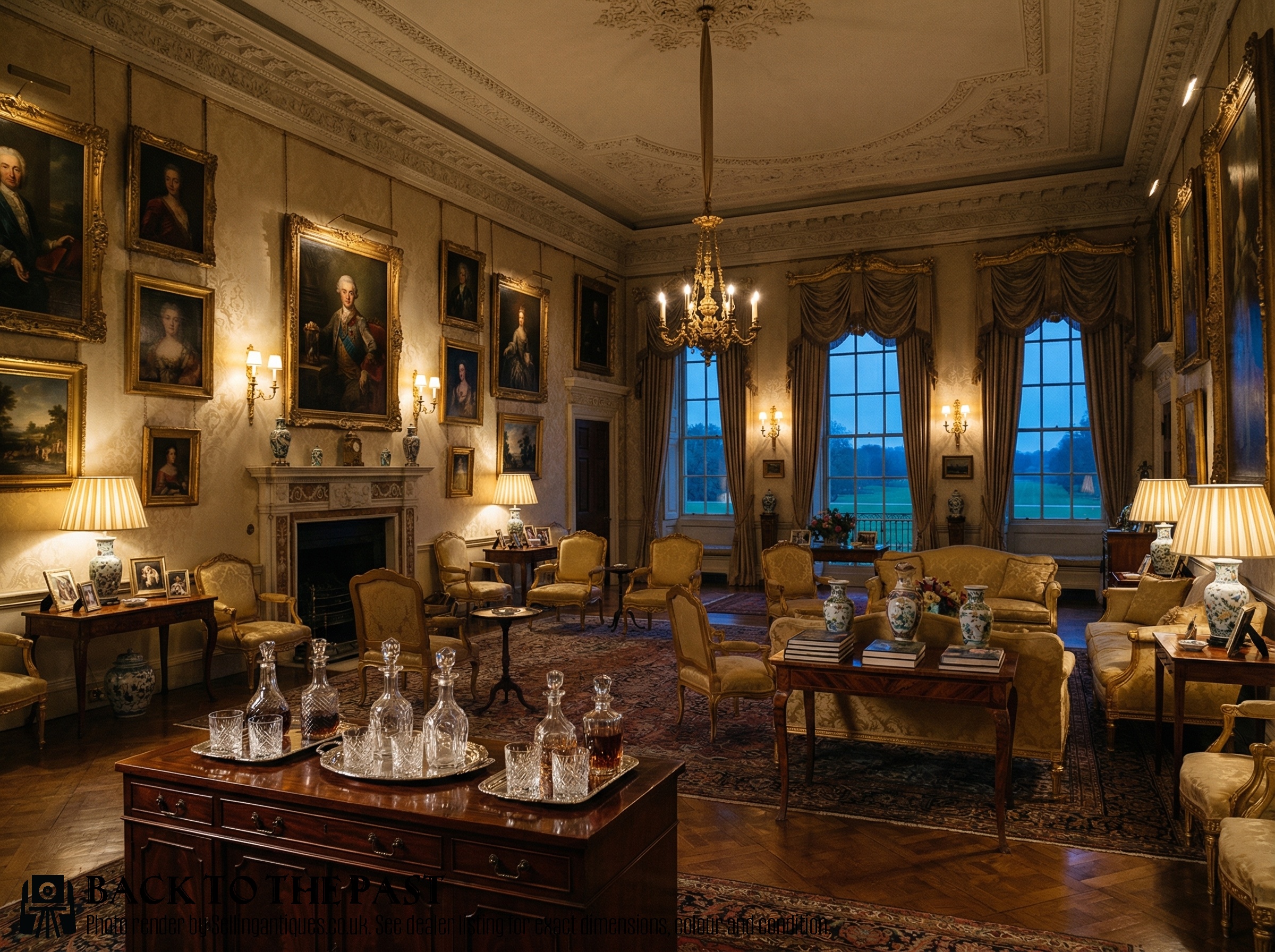
Cut Glass Wine Carafe
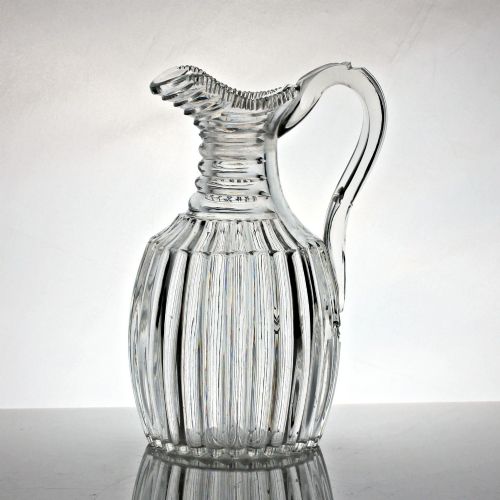
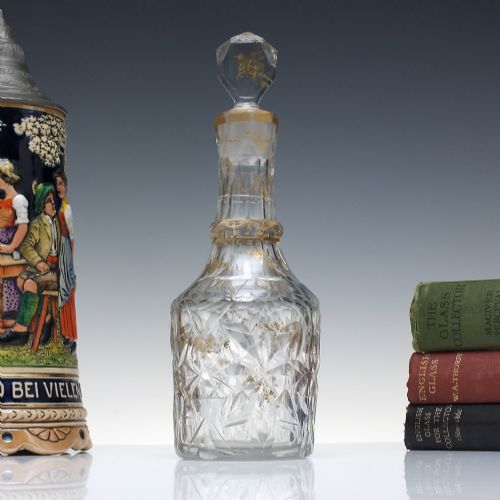
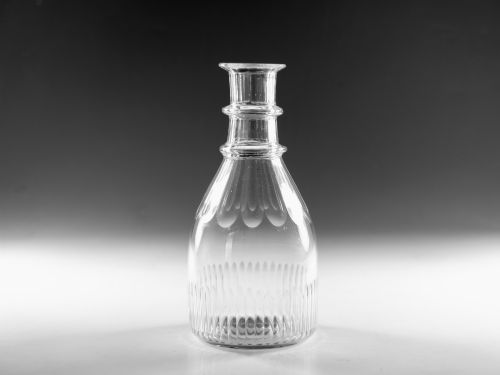
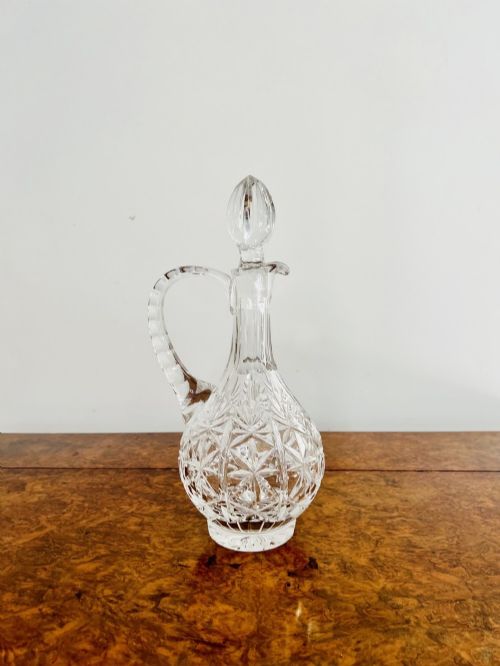
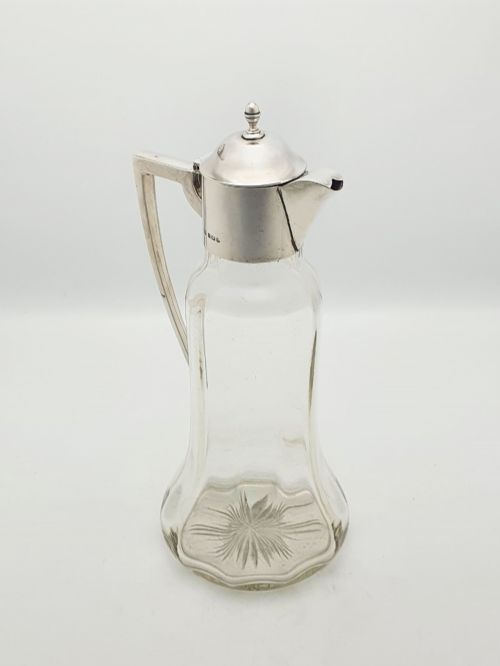
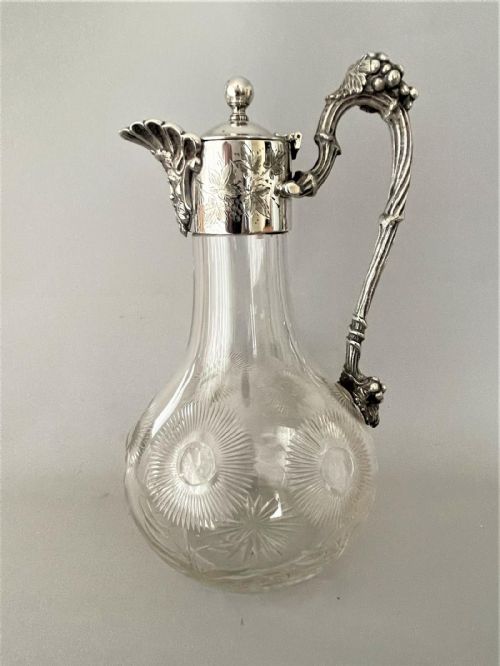
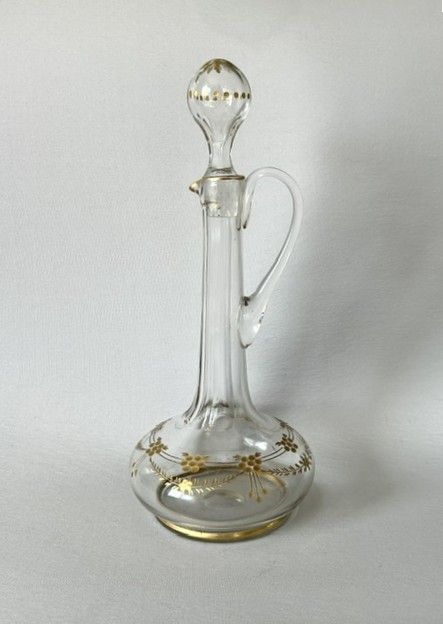
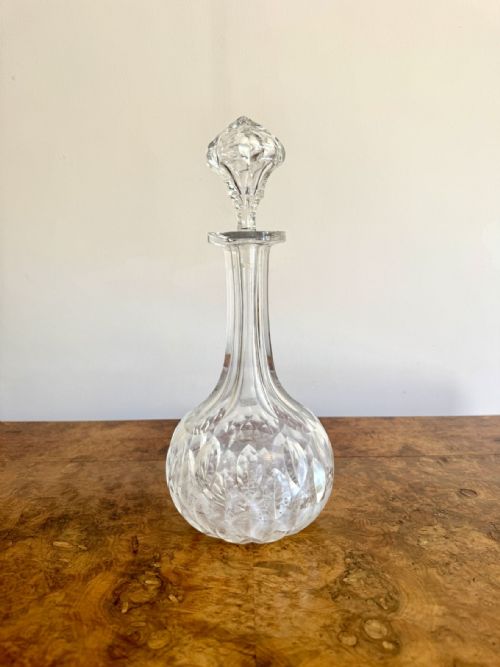
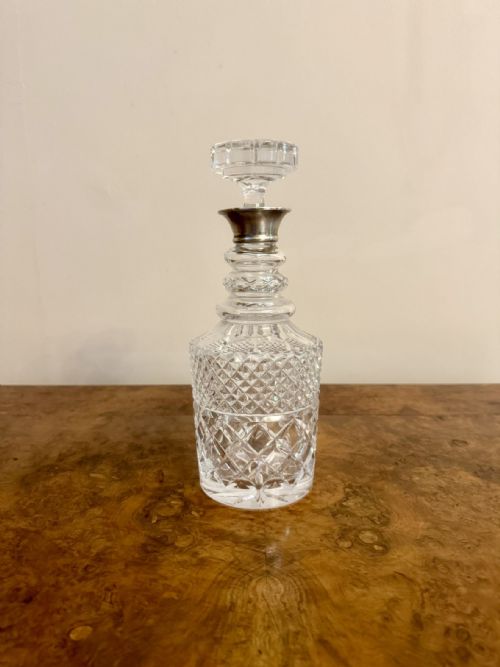
A cut glass wine carafe serves wine at the table, taking the form of decanters, claret jugs, pitchers, and carafes across this page.
The selections span Georgian, Regency, Victorian, and Edwardian periods, alongside Bohemian and Irish origins.
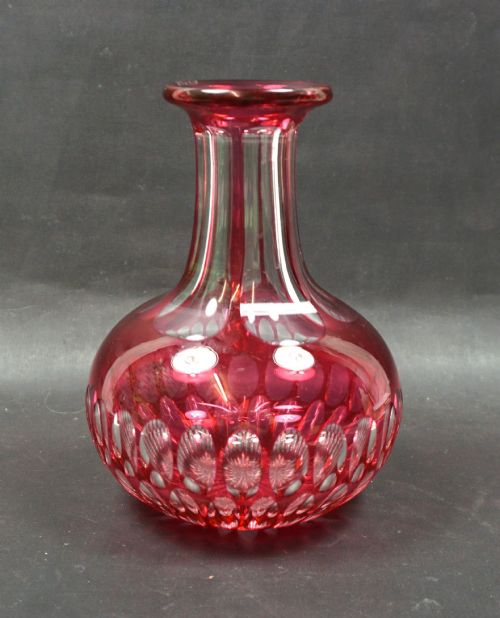
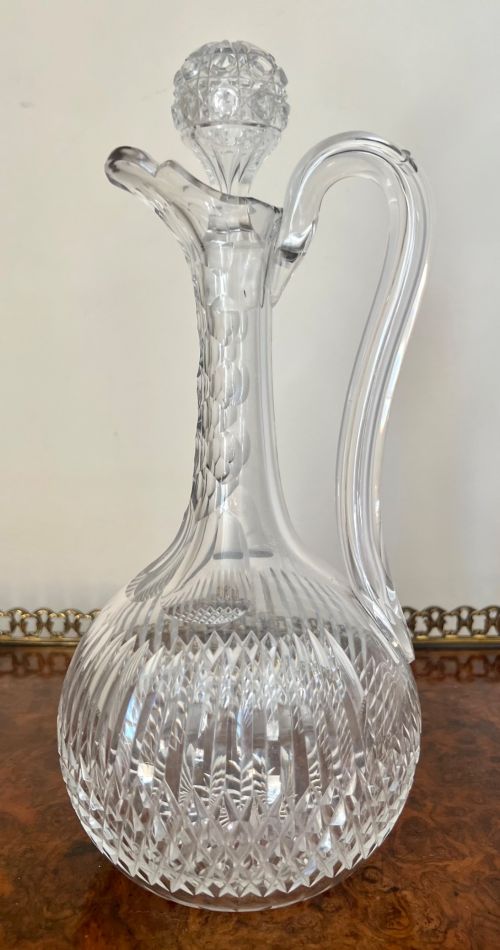
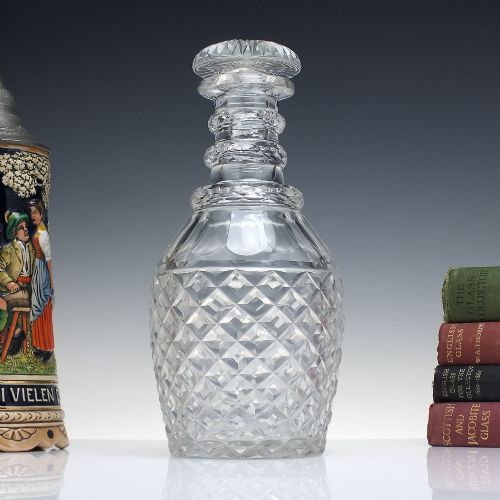
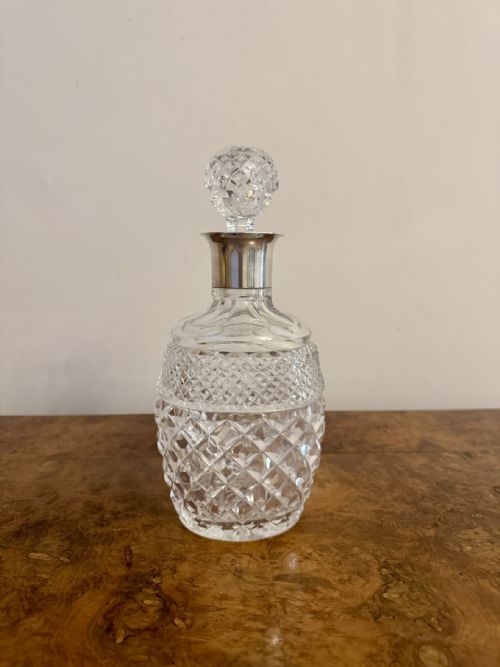
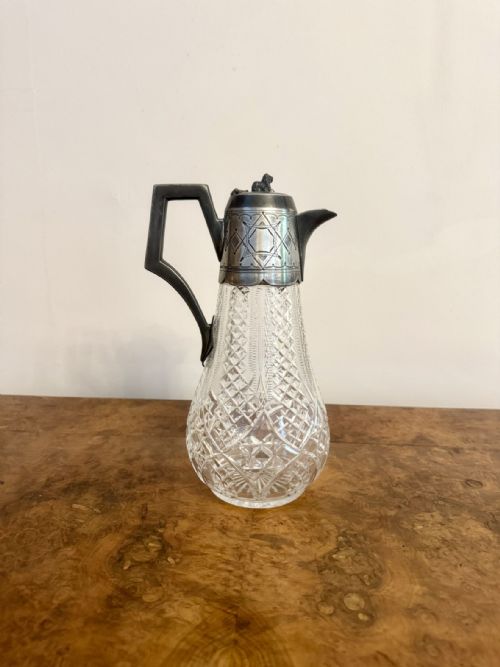
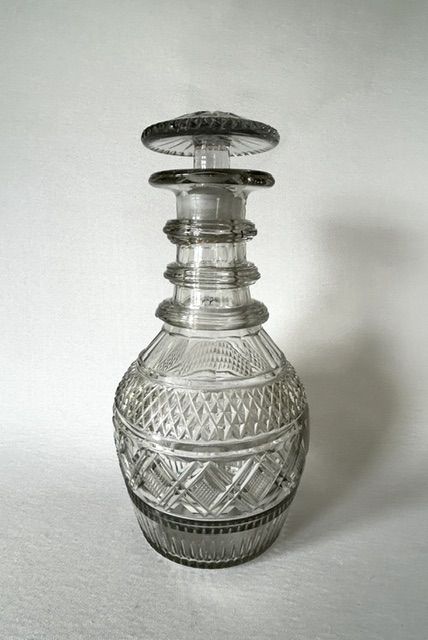
Vessels range from bell-shaped decanters and pillar-cut water jugs to overlay glass claret jugs mounted in silver plate or sterling silver.
How They Were Made
Pieces combine clear glass, lead crystal, and cut crystal with heavy wheel-cutting techniques to create geometric patterns.
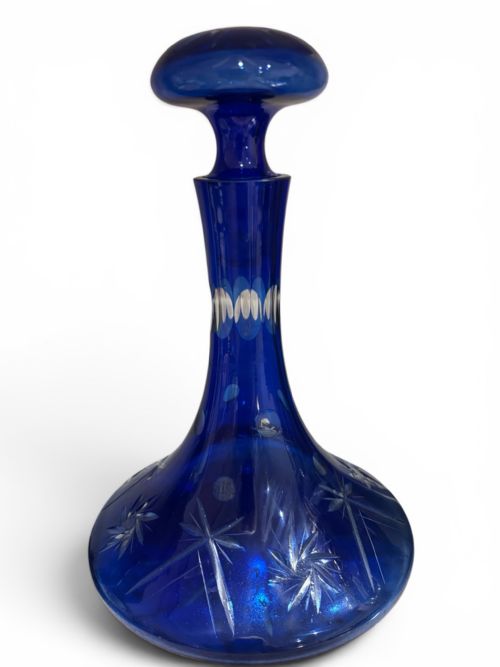
Coloured glass effects appear as cranberry, amethyst, cobalt, and green overlays on clear crystal bodies.
Many items incorporate silver plate, sterling silver collars, and gilding applied to the glass or metal mounts.
Cut Glass Wine Carafe Retail Price Guide 2026
Typical asking prices for cut glass wine carafe among the pieces listed under this phrase on Sellingantiques today, from the lower quarter to the upper quarter. They describe what is for sale here now, not the wider market.
Some Edwardian jugs arrive with silver collars ready for a dinner party that ended a century ago.
What Varies in Quality
The crispness of the wheel-cut facets and the weight of the lead crystal define the standard of the manufacture.
Subtle details such as engraved decoration, matching stoppers, and quality metal mounts distinguish finer examples.
The clarity of the clear glass and the precision of coloured glass overlays reveal the skill of the workshop.
Atelier of James Giles
The Cut Glass Wine Carafe Glossary
- Cut glass
- Glass decorated by grinding facets or patterns into the surface using rotating wheels. This technique creates deep refraction and texture.
- Claret jug
- A pouring vessel designed specifically for serving red wine, frequently fitted with a metal handle and hinged lid. Many examples feature silver plate or sterling silver mounts.
- Lead crystal
- Glass containing lead oxide, which increases the weight, refractive index, and clarity of the material. It allows for sharper wheel-cut facets.
- Overlay glass
- A technique where a layer of coloured glass is fused over a clear crystal base and partially cut away to reveal the contrasting colour underneath.
- Pillar and prism cut
- Linear facets and geometric cuts applied to glass bodies, popular in Georgian designs to catch the light.
Cut Glass Wine Carafe: Frequently Asked Questions
How do I date a cut glass wine carafe?
Examine the shape, cutting style, and any metal mounts. Georgian pieces often show heavy pillar cuts or pillar and prism patterns, while Victorian and Edwardian examples utilise bell shapes or silver-plated collars.
Mounter marks and pontil scars on the base further help pinpoint the period of manufacture.
What is the difference between a decanter and a carafe?
A carafe generally serves wine directly at the table without a stopper, whereas a decanter traditionally includes a fitted glass stopper to seal the contents.
Many antique pieces cross between categories, functioning as water jugs, claret jugs, or spirit bottles.
How should I clean antique cut glass?
Wash glass by hand using warm water and mild detergent. Avoid sudden temperature changes to prevent cracking the heavy crystal.
Dry with a lint-free cloth to restore the brilliance of the wheel-cut facets.
Are coloured glass carafes authentic?
Yes, coloured glass pieces from the Victorian and Edwardian eras, including Bohemian cranberry, green, amethyst, and cobalt overlays, appear regularly.
These feature layers of coloured glass cut back to reveal the clear crystal underneath.