


Cut Glass Lamp Base
A cut glass lamp base catches the light from every angle, bringing genuine warmth and period character to a room.
Cut Glass Lamp Base
A cut glass lamp base combines heavy faceted glass with metal mountings to create a striking decorative object for domestic illumination. When you search for a cut glass lamp base, you encounter table lamps produced across the nineteenth and twentieth centuries in various regional workshops.
The selections span distinct eras from the mid nineteenth century through the Edwardian period and up to the mid twentieth century. Common configurations pair clear glass or crystal bodies with brass, gilt bronze, or silver plated components.
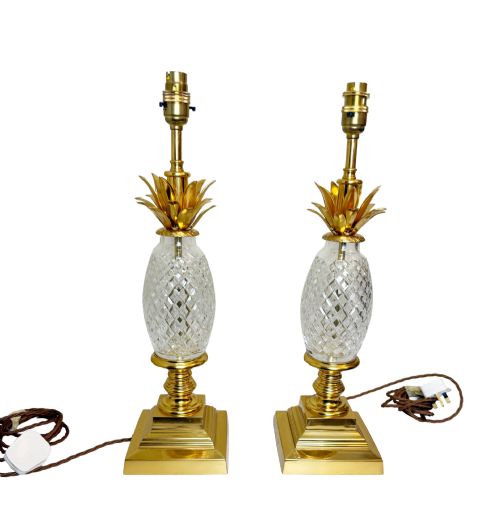
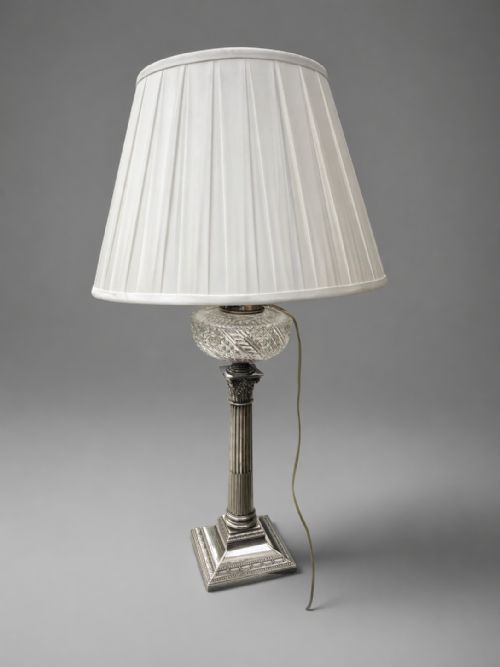
Many examples take the form of classical columns, including Corinthian column designs, while others feature urn shapes or figural details like pineapples. These pieces originate from English and French makers, showing influences ranging from traditional classical to French Belle Epoque.
Materials and construction
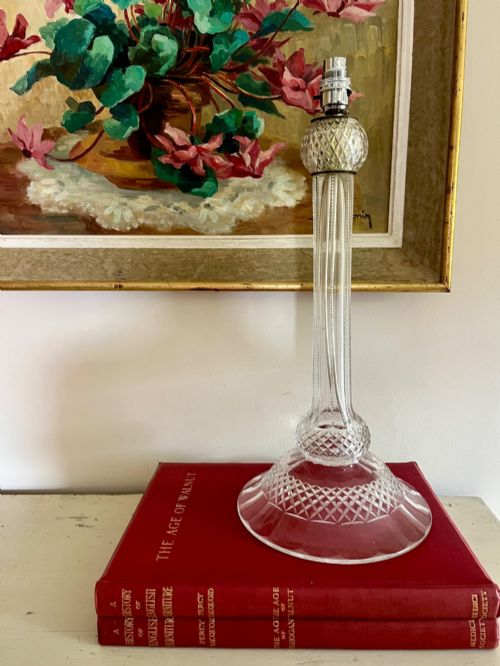
The construction relies on heavy cut glass or crystal combined with cast metals such as brass, gilt bronze, and silver plate. Glass bodies feature deep prismatic cutting that requires skilled hand grinding and polishing to achieve sharp facets.
Metal elements like Corinthian capitals, bases, and reservoirs are cast and chased, then secured to the glass components using internal threaded rods or collars. Fabric shades often complete the upper assembly, resting on standard burners or fitter rings.
Several pieces double as converted oil lamps, meaning your modern reading light once relied on a wick and a chimney to brighten the Victorian parlour.
Assessing quality and execution
Quality rests primarily on the depth and crispness of the glass cutting, where sharper facets refract light more brilliantly than soft or worn edges. Heavy, clear crystal bodies demonstrate superior raw material selection compared to lighter or cloudier glass.
The integration of metal mounts also defines the tier of a piece, with finely cast brass or gilt bronze Corinthian capitals showing crisp acanthus leaves and precise fluting. Maker attributions, such as work by established silversmith firms, elevate the standing of silver plated examples.
Goldsmiths and Silversmiths Company
The Cut Glass Lamp Base Glossary
- Cut glass
- Glass decorated by grinding facets or patterns into the surface using a rotating wheel. This technique creates sharp edges that catch and disperse ambient light.
- Corinthian column
- An architectural column style featuring an ornate capital decorated with acanthus leaves. This form was frequently adapted for nineteenth century table lamps.
- Gilt bronze
- Bronze metal treated with a gold wash or mercury gilding to impart a rich, golden surface finish. It appears frequently on French lamp mounts.
- Reservoir
- The container section of a lamp that originally held oil or paraffin before conversion to electricity. Many cut glass examples retain this distinct upper glass or metal section.
- Silver plate
- A thin layer of silver fused to a base metal like copper or brass. It provides the appearance of solid silver at a different scale of production.
Cut Glass Lamp Base: Frequently Asked Questions
How do I date a cut glass lamp base?
Dating relies on combining stylistic clues from the metal mounts, such as Victorian Corinthian capitals or Edwardian proportions, with the manufacturing traits of the glass body. Examining the assembly methods and any maker stamps on the metal components also helps narrow the period of origin.
Mid nineteenth century pieces often display heavier cast brass and hand cut blue or clear glass, while later Edwardian and 1950s examples show refined machine cutting and electroplated finishes.
Were these lamps originally electric?
Most antique cut glass lamps were originally built for oil or paraffin, utilising burners fitted to the top glass reservoir. They were subsequently converted to electricity during the twentieth century to suit modern domestic lighting needs.
This conversion process typically involved running wiring through the central core or internal rod without altering the historic exterior appearance of the glass and metal components.
How do I clean a cut glass lamp base?
Cleaning requires careful handling of both the faceted glass and any aged metal mountings like brass or silver plate. Warm water with mild soap applied with a soft cloth removes dust from the cut facets without harming the finish.
Harsh chemical polishes should be kept away from the glass and used sparingly on metals to preserve the natural patina accumulated over the decades.
What styles are common in these lamps?
The dominant styles draw heavily from classical architecture and revival aesthetics of the Victorian and Edwardian eras. Corinthian column designs in brass and silver plate appear frequently alongside French Belle Epoque and neoclassical pieces.
These varied aesthetic choices reflect the formal reception rooms and drawing rooms they were originally designed to illuminate.