


Faceted Glass Lamp
These faceted glass lamp designs combine cut crystal, bronze, and chrome to catch the light across multiple interior styles.
Faceted Glass Lamp
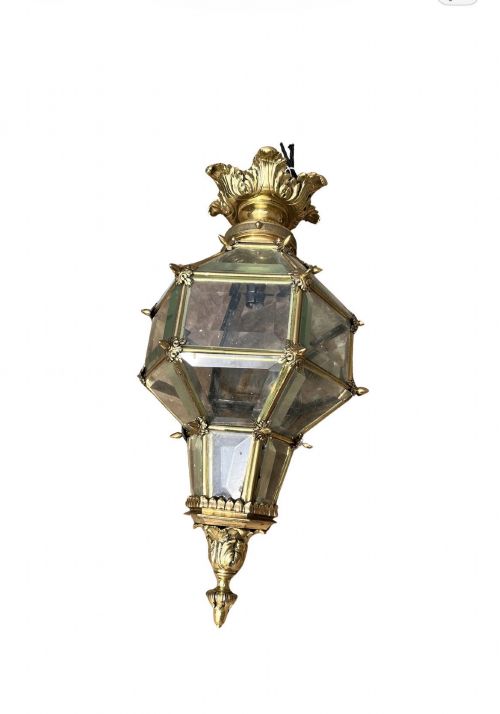
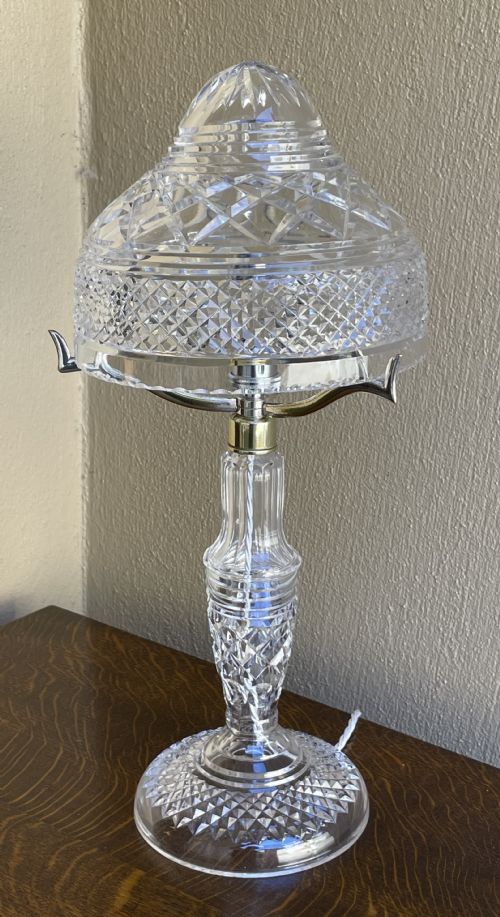
A faceted glass lamp brings together heavy refractive glass elements and structural metal frames to illuminate a space. When you search for a faceted glass lamp, you encounter items designed for overhead illumination as well as table placement.
The selections available here span the nineteenth century through the mid twentieth century. You find Edwardian lanterns, Art Deco ceiling lamps, and mid century cut crystal table lamps sitting alongside French chateau and Regency styles.
Ceiling lighting dominates the forms, appearing as pendants, chandeliers, and hall lanterns rather than simple desk units. Frosted glass and cut crystal frequently pair with brass, bronze, and chrome to form the main body of each piece.
Materials and construction
Makers constructed these fixtures using robust metal frameworks of brass, bronze, or chrome to support heavy glass components. Cut crystal glass and frosted glass panels are set securely into these metal mounts.
Techniques relied on precision glass cutting to create sharp facets that multiply light reflections. Metal casting formed the decorative mounts, ceiling plates, and suspension chains seen across the inventory.
Early twentieth-century lighting designers clearly understood that a well-placed star lantern makes every hallway feel like a stage set.
Assessing quality
The distinction between standard examples and superior pieces rests on the depth of the glass cutting and the weight of the metal frame. Crisp, deep facets on crystal glass produce sharper light refraction than pressed or moulded alternatives.
Finishes on the structural elements reveal the standard of manufacture, where cast bronze or solid brass outperforms plated substitutes. Original suspension hardware and unblemished crystal drops elevate an example above later assembled units.
The Faceted Glass Lamp Glossary
- Cut Crystal Glass
- Glass with a high lead content that has been hand-cut and polished to create sharp facets. This material produces bright prismatic reflections when lit from within.
- Tent and Bag Chandelier
- A lighting form featuring an upper tent of glass beads leading down to a bagged lower section. The design maximises the surface area of small glass drops.
- Frosted Glass
- Glass treated to scatter light and create a soft, diffused glow rather than a direct beam. It appears frequently in Art Deco ceiling lamps.
- Hall Lantern
- An enclosed ceiling light designed originally for narrow entryways. These units combine glass panels with metal frames and secure suspension chains.
Faceted Glass Lamp: Frequently Asked Questions
How do I clean a faceted glass lamp?
Remove delicate glass drops individually if possible and wash them in warm soapy water using a mild detergent. Dry each piece thoroughly with a lint-free cloth before reattachment.
Wipe metal frames gently with a dry or slightly damp cloth depending on the finish. Avoid harsh chemical cleaners that can strip original bronze or brass patinas.
Can I wire these lamps for modern ceilings?
Most antique fixtures accommodate modern electrical wiring with minor adjustments by a qualified electrician. Components can be updated to meet current safety standards while retaining original exterior metalwork.
Ensure the hanging chains and ceiling hooks are rated to support the weight of heavy glass and metal assemblies. Professional installation protects the structural integrity of the antique frame.
What rooms suit a faceted glass ceiling lantern?
Hallways, entryways, and stairwells provide ideal settings for hanging lanterns because the glass facets disperse light effectively in confined spaces. Lower ceiling heights require flush or semi-flush variations.
Dining rooms and drawing rooms accommodate larger chandeliers and pendant lights. The reflective glass works well in spaces that benefit from decorative illumination.
How do I date an Edwardian glass lamp?
Examine the construction methods and metal patination to identify Edwardian manufacture around the early nineteen hundreds. Bronze and brass frames from this era often display specific cast ornamentation.
Compare the glass cutting style with documented pieces from the period. Frosted glass combined with bronze points directly to the aesthetic preferences of the Edwardian era.