
Classical Ceiling Fixture
A classical ceiling fixture brings stately architectural presence overhead through cast metal, crystal, and disciplined proportion.
Classical Ceiling Fixture
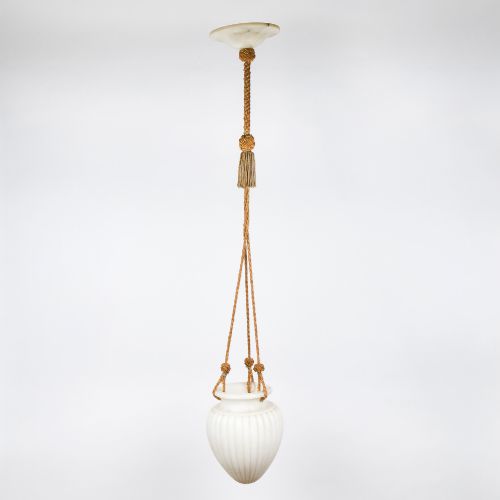
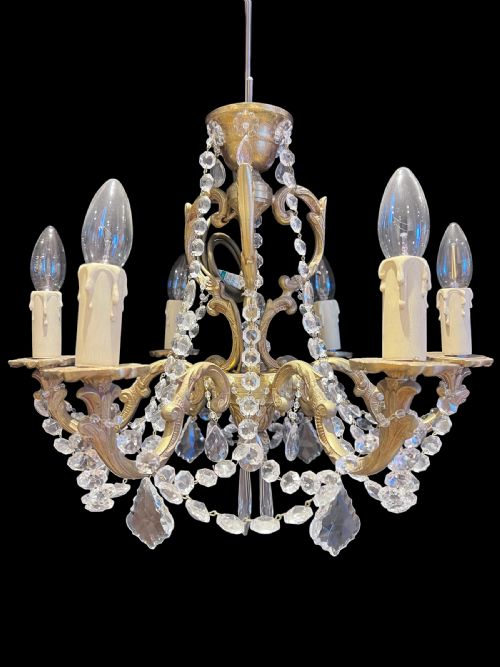
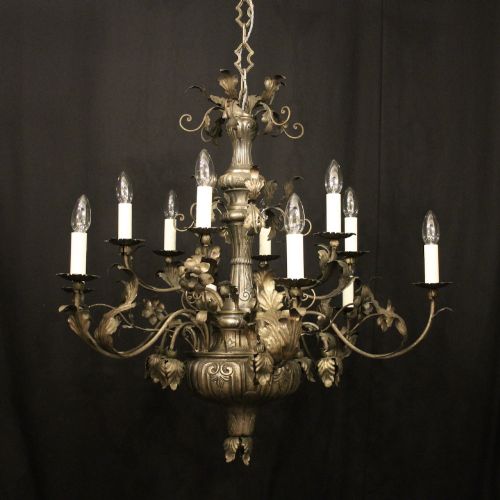
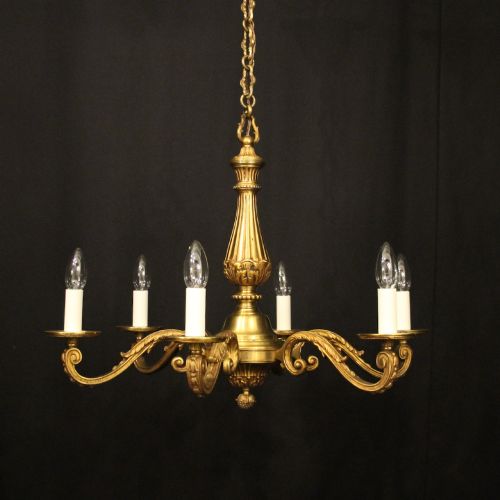
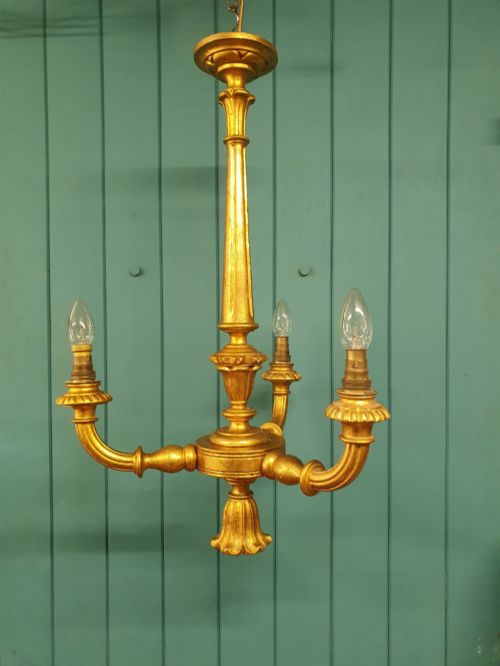
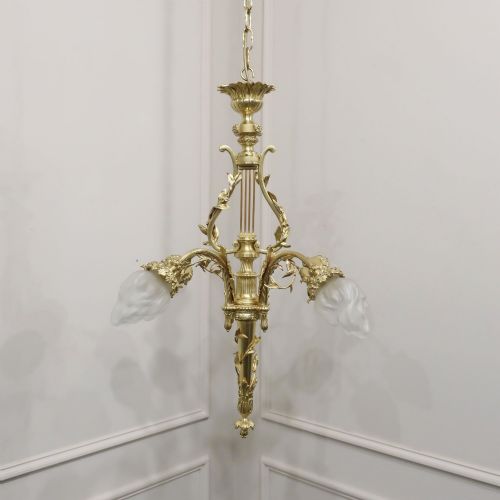
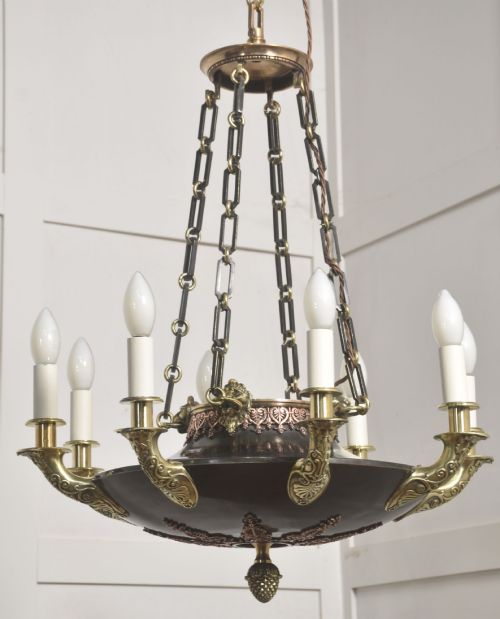
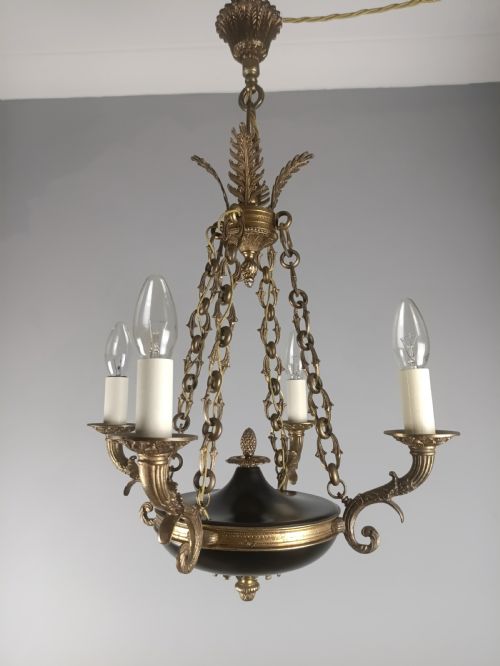
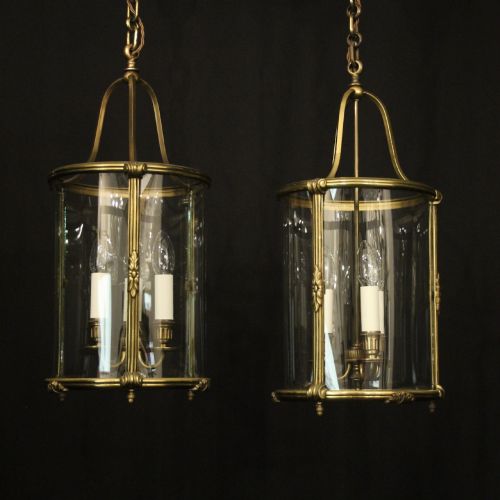
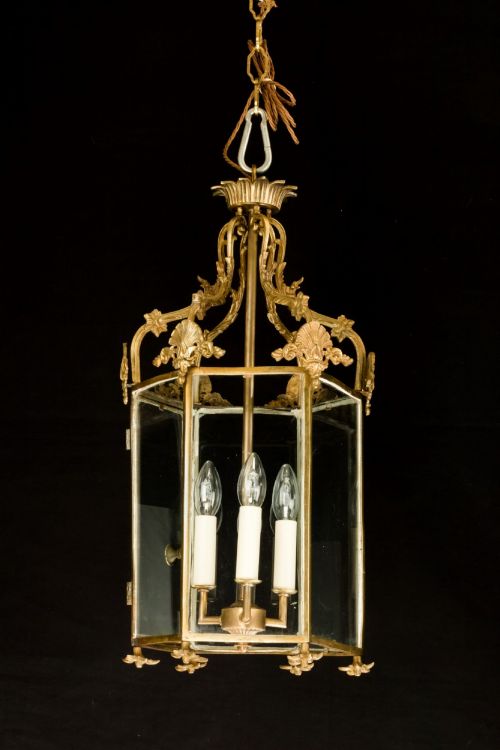
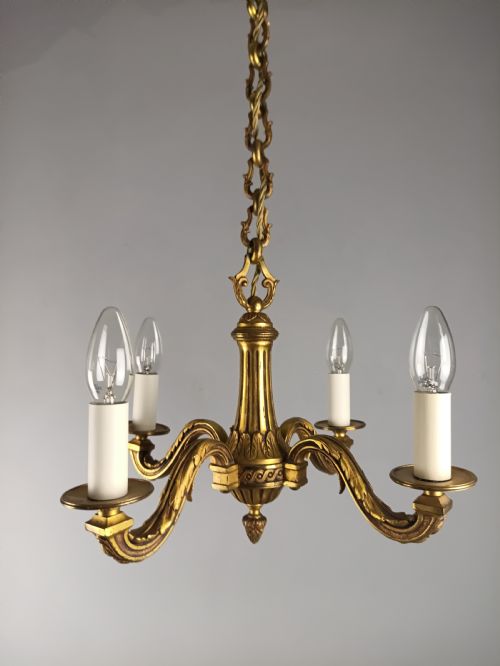
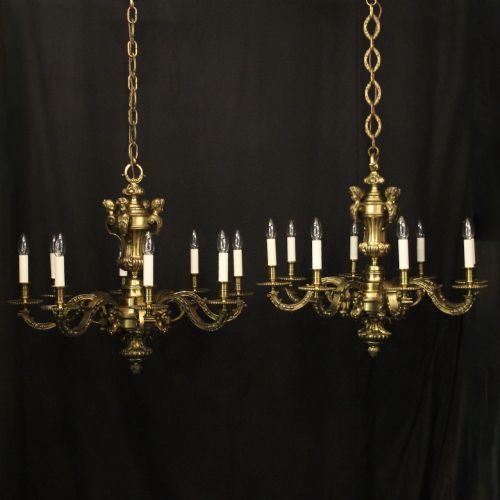
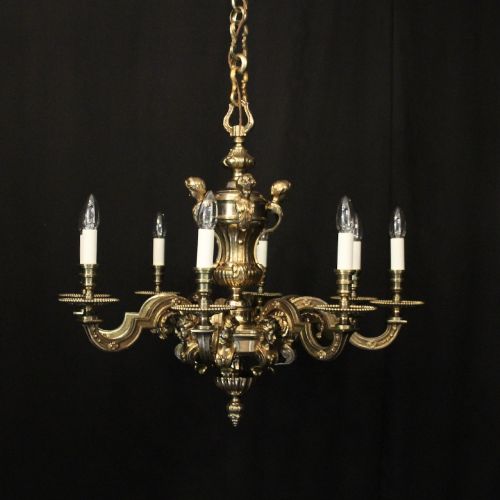
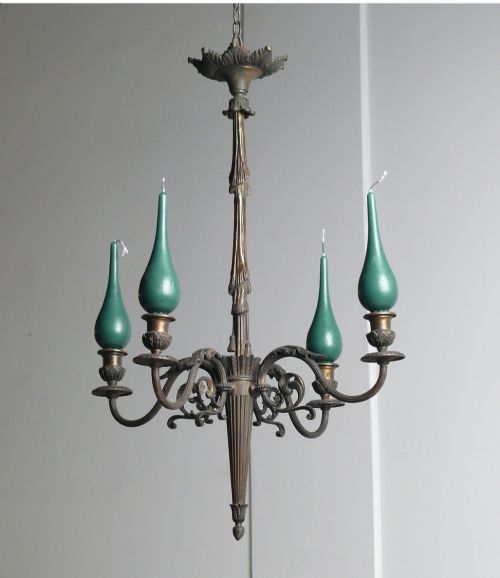
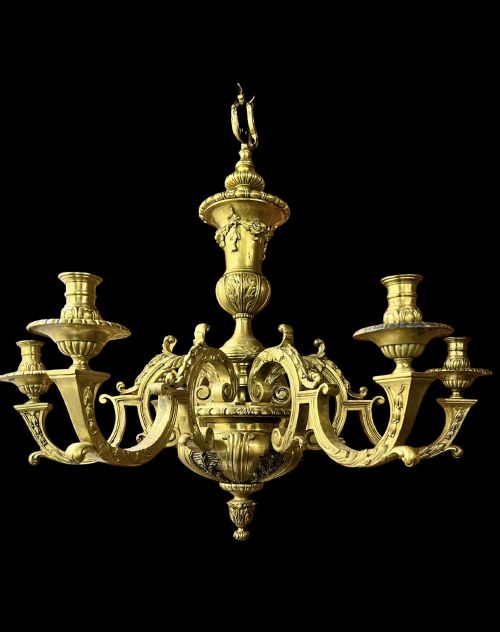
A classical ceiling fixture comprises substantial overhead lighting designed to anchor a room through traditional decorative vocabularies. The selection centres heavily upon multi-armed chandeliers and glazed hall lanterns originating from French and Italian workshops.
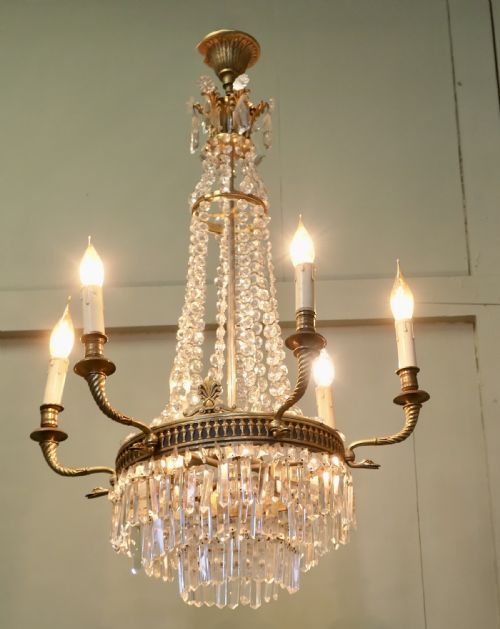
Buyers encounter distinct configurations ranging from single-tiered branch chandeliers to elaborate tent and waterfall arrangements draped with crystal. Hall lanterns and dish lights offer more contained alternatives while maintaining formal classical motifs.
Origins stretch from the mid-nineteenth century through the Edwardian era and into the interwar period of the 1930s. French Neoclassical, Empire, and Baroque styles dominate the inventory, accompanied by Italian Genoa designs and English alabaster pieces.
Materials and Construction
Construction relies upon cast bronze, brass, and gilded metals shaped into structural frames and decorative mounts. Gilding and silver gilding appear frequently on bronze and brass components to provide reflective surface brilliance.
Illumination and sparkle depend upon cut glass, crystal drops, and white alabaster bowls integrated into the metal frameworks. Heavier pieces utilise structural iron or copper alongside cast bronze to support numerous branching arms.
Periods represented span from the 1860s through the Edwardian era up to 1930.
Distinctions in Quality
Quality reveals itself in the crispness of the metal casting and the depth of the chased ornamentation. Superior examples display sharply defined acanthus leaves, classical urns, and lyre motifs rather than softened, commercial replication.
The choice and treatment of secondary materials separate standard pieces from exceptional ones. Hand-cut crystal prisms and heavy gauge gilded bronze demonstrate superior craftsmanship compared to pressed glass and thinly plated brass.
Proportion and structural integrity dictate the overall success of the fixture. The arrangement of arms, whether six, eight, or twelve branches, must balance harmoniously with the central stem and canopy.
The Classical Ceiling Fixture Glossary
- Ormolu
- Gilded bronze produced through a mercury amalgamation process, yielding a durable and warm metallic surface finish. This finish characterises many high-end French chandeliers from the nineteenth century.
- Tent and waterfall
- A chandelier configuration featuring strings of crystal beads draped in a conical tent shape above a cascading shower of drops. This design creates immense refraction when illuminated.
- Hall lantern
- An enclosed hanging light fixture, often glazed with convex glass panels within a decorative metal frame. These pieces typically hung in entryways and stairwells.
- Lyre
- A symmetrical U-shaped decorative element resembling an ancient stringed instrument, frequently incorporated into neoclassical frames. It provides a distinct architectural silhouette.
- Alabaster
- A dense, translucent stone carved into bowls and dishes for interior lighting. It diffuses light softly across the room.
Classical Ceiling Fixture: Frequently Asked Questions
How do I hang a heavy bronze chandelier safely?
Heavy bronze and crystal fixtures require direct attachment to ceiling joists using rated steel hanging hardware rather than standard electrical boxes.
Consult a qualified electrician to assess weight capacities and ensure the structural support can bear the load securely.
What rooms suit a hall lantern?
Hall lanterns work best in entryways, corridors, and high-ceilinged stairwells where their enclosed glazed panels project directional light.
Their vertical proportions complement transitional spaces without dominating the surrounding architectural volume.
How do I clean cut crystal on antique fixtures?
Remove crystal drops individually when possible and wash them in warm water with a mild detergent before drying with a lint-free cloth.
Avoid harsh chemical cleaners that can damage the historical metal mounts or strip the surrounding gilding.
How do I date a classical chandelier?
Examine the casting quality, fastening methods, wiring channels, and stylistic cues such as Empire revival or Edwardian baroque motifs.
Comparative analysis of metal patination and glass cut helps narrow the decade of production between the mid-nineteenth and early twentieth centuries.