


Cut Glass Cellars
Cut glass cellars are traditional tableware vessels crafted to hold salt at the dining table, combining sparkle with functional utility.
Cut Glass Cellars
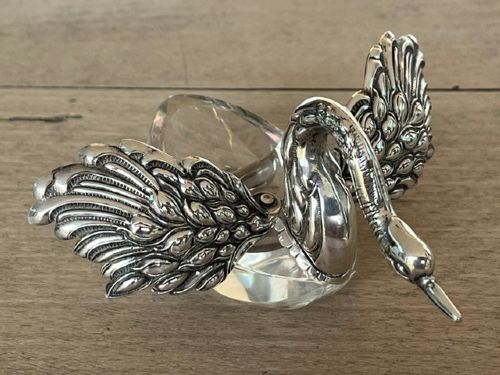
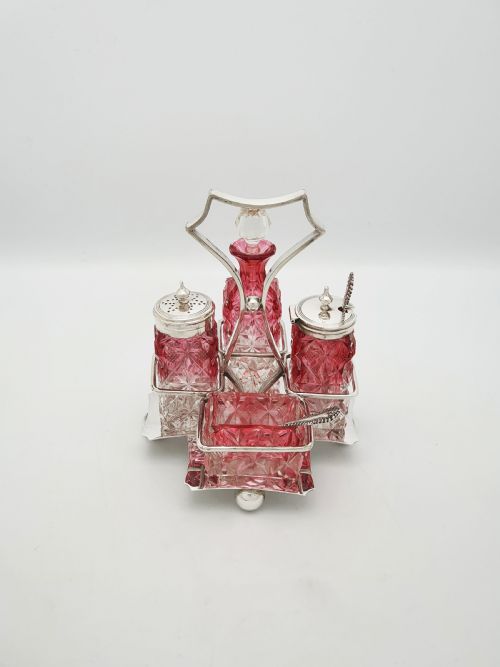
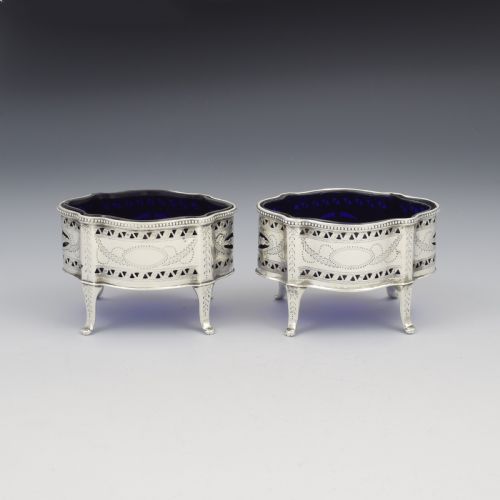
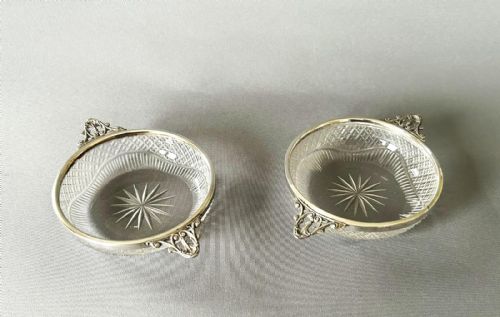
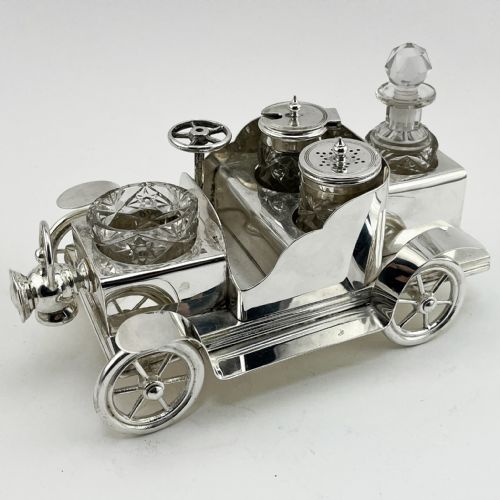
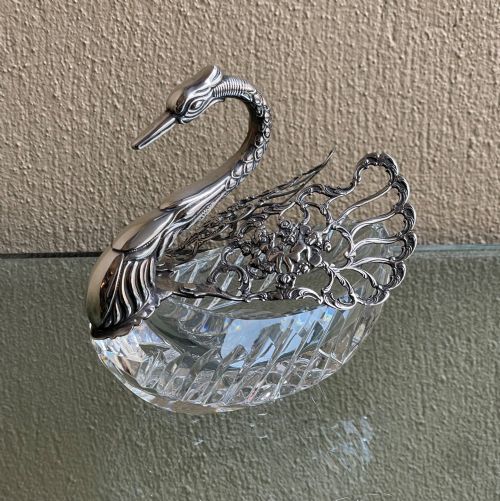
When you search for cut glass cellars, you encounter small glass vessels designed for holding salt or condiments on the dining table. These pieces appear in forms ranging from simple open bowls to elaborate cruet sets and novelty figural holders.
The selections span periods from the Georgian era through the Victorian and Edwardian decades into the mid-twentieth century. Most examples you meet on this page date from the nineteenth and early twentieth centuries, often paired with silver or silver plate mountings.
Makers and manufacturers produced these items in various styles including Rococo Revival, Art Deco, and Black Forest designs. The core function remains holding salt or condiments, whether as individual open dishes or fitted within larger cruet frames.
Assessing Quality
Quality depends upon the clarity and weight of the glass, alongside the precision of the cutting. Deeper, sharper facets and heavier crystal indicate superior workmanship compared to lighter, pressed alternatives.
The integration of metal mountings also defines standard. Substantial sterling silver mounts, crisp hallmarks, and well-fitted movable parts distinguish finer pieces from simpler silver-plated or unhallmarked versions.
Listings combine cut glass and crystal with sterling silver and silver plate across Victorian, Edwardian, and mid-twentieth-century periods.
William Hutton and Sons
The Cut Glass Cellars Glossary
- Cut Glass
- Glass decorated by grinding facets or patterns into the surface using a wheel. This technique creates a brilliant reflective finish characteristic of finer tableware.
- Cruet Set
- A matched collection of bottles, jars, or cellars held in a shared stand or frame for the dining table. These sets typically hold condiments such as salt, pepper, oil, and vinegar.
- Open Salt
- A small dish designed to hold loose salt for individual diners to pinch onto their food. These pieces require a small salt spoon for serving.
- Silver Plate
- A base metal coated with a thin layer of pure silver. This method offered an accessible alternative to solid sterling silver for domestic tableware.
Cut Glass Cellars: Frequently Asked Questions
How were cut glass cellars used?
These cellars sat on the dining table to hold salt for individual guests before the invention of the modern shaker. Diners used small spoons or pinched the salt directly from the open dish.
Larger versions often formed part of multi-bottle cruet sets containing various condiments and spices. They served a central role in formal dining arrangements throughout the nineteenth and early twentieth centuries.
How do I date a cut glass cellar?
Dating relies on examining the style of the cutting, the metal mounts, and any accompanying hallmarks. Georgian and Regency examples often feature heavier lead glass with deep hand-cut flutes and polished pontil marks.
Later Victorian and Edwardian pieces frequently incorporate machine-assisted cutting and silver-plated stands. Maker marks and registration numbers stamped into the metal components provide precise chronological markers.
Are these cellars safe for modern table use?
Most antique glass cellars function perfectly well for serving salt, condiments, or small garnishes today. Care must be taken with pieces featuring delicate silver plating or antique enamel work.
Hand washing in warm water preserves both the glass and the metal mounts. Avoid harsh detergents and dishwashers to protect the original finish.
What is the difference between crystal and glass?
Crystal contains lead oxide, which increases the weight, refractive index, and clarity of the material. This composition allows artisans to cut sharper, more brilliant facets than standard soda-lime glass.
Tableware descriptions often use the terms interchangeably, but lead crystal produces a distinct ringing sound when struck lightly.