
Cut Glass Bowl
When you select a cut glass bowl, you choose a piece shaped by wheel-cutting and polished by hand across centuries of British, Irish and continental design.
Cut Glass Bowl
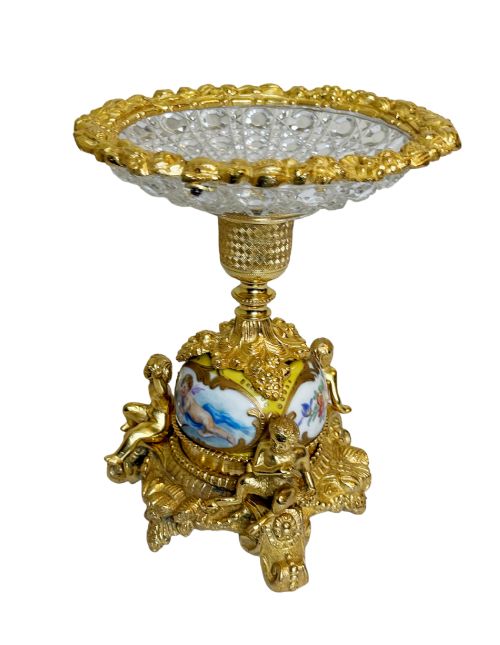
A cut glass bowl encompasses a wide variety of domestic vessels, from heavy Georgian standing fruit bowls and Irish serving dishes to Victorian champagne bowls and Art Deco centrepieces.
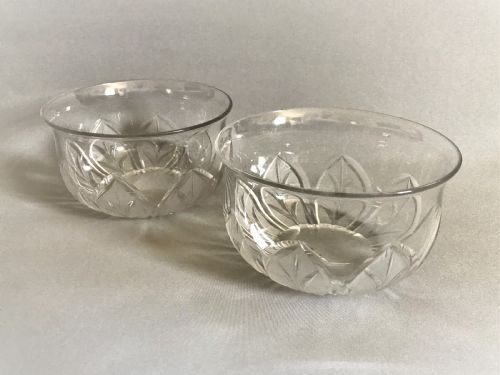
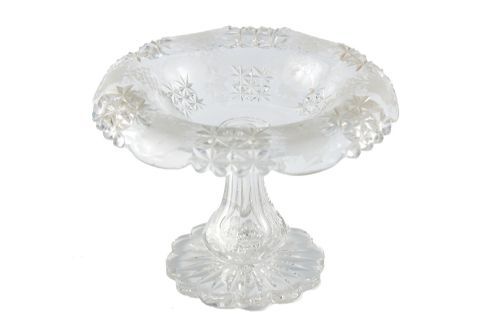
The pieces appearing most frequently range from sturdy nineteenth-century pedestal bowls to refined Edwardian trinket dishes and matching sets of finger bowls.
Originating across Britain, Ireland, France and Belgium, these items served utilitarian roles on dining tables or decorative purposes as centrepieces before entering the modern collector market.
How they were made
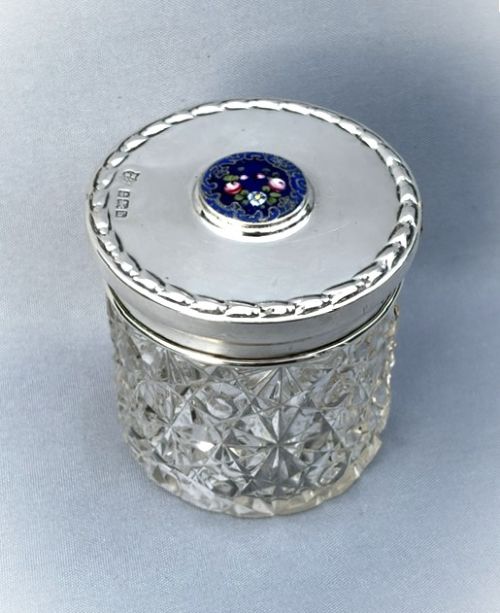
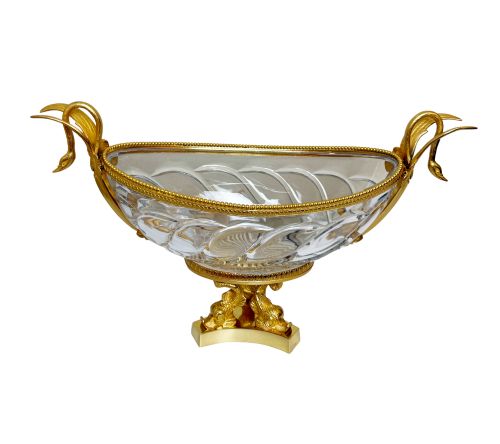
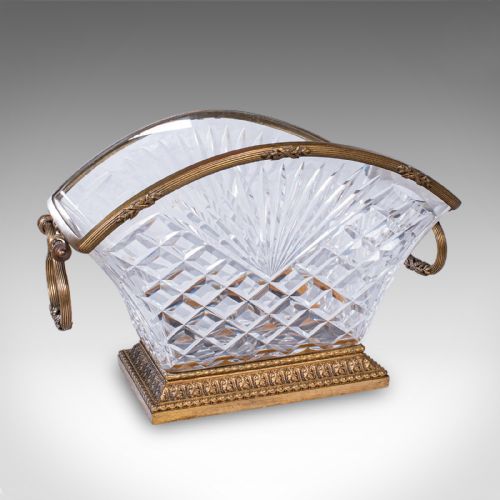
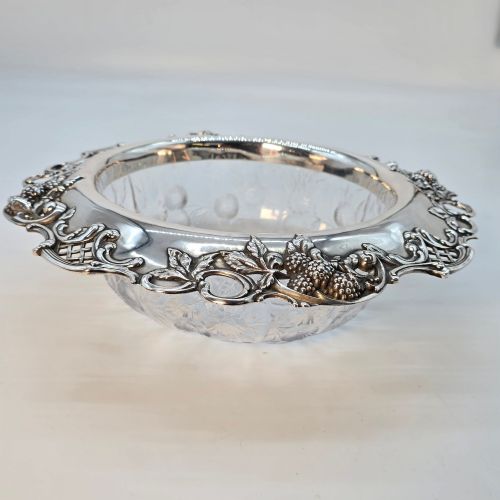
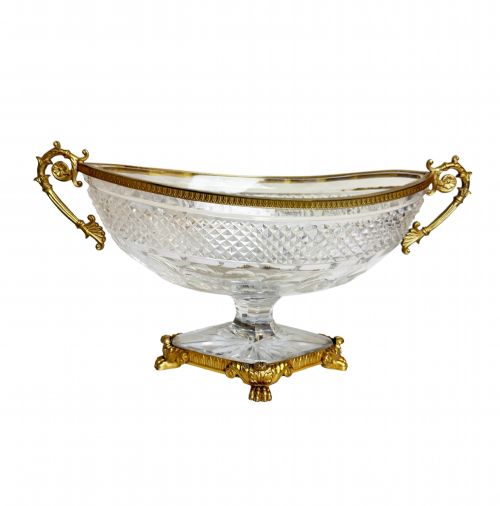
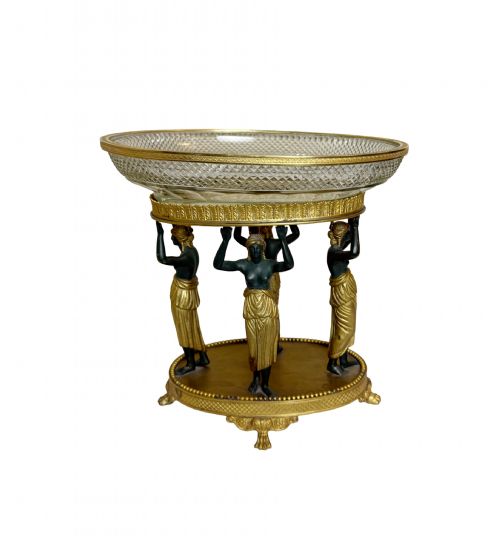
Makers utilised high-lead crystal and clear glass, often combining the heavy blanks with mounts in sterling silver, silver plate, gilt bronze, and ormolu.
The facets, flutes and hobnail patterns were ground into the cooled glass on rotating iron or stone wheels before being smoothed and polished to a bright finish.
Listings feature cut glass bowls spanning the Georgian, Victorian, Edwardian, and Art Deco periods, alongside continental European pieces from Belgium and France.
What varies in quality
Weight and thickness set superior heavy Anglo-Irish or Victorian table bowls apart from lighter domestic glassware, dictating how deeply the facets catch the light.
The crispness of the wheel-cut edges and the depth of the hand-polishing distinguish master craftsmanship from simpler moulded wares.
Tiffany and Co·Joseph Simon for VSL
The Cut Glass Bowl Glossary
- Hobnail cut
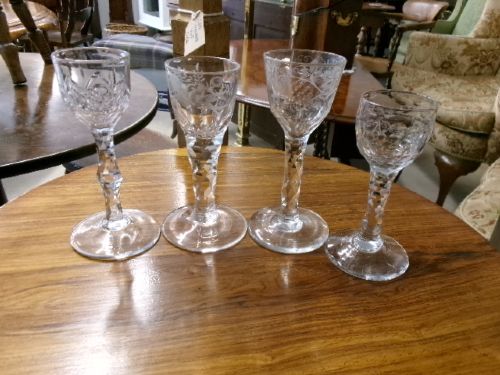
- A raised, multi-faceted diamond pattern resembling the hobnails used in heavy boots, commonly seen on Georgian and Regency rummers.
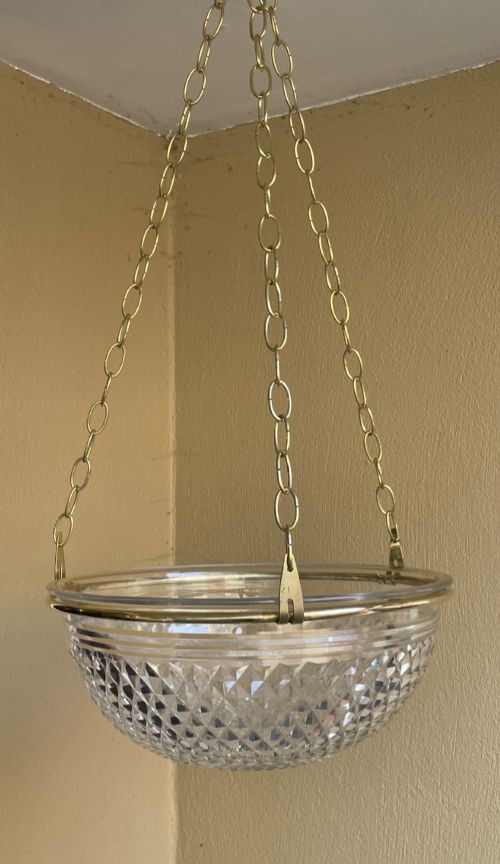
- Plafonnier
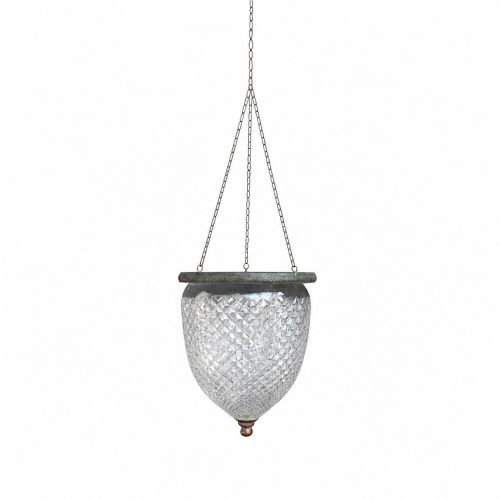
- A ceiling light bowl suspended by chains or mounted flush, frequently rendered in cut glass or crystal during the Edwardian period.
- Trawrata glass
- An alternative term for traforato, denoting glass featuring pierced or openwork decoration.
- Pedestal bowl
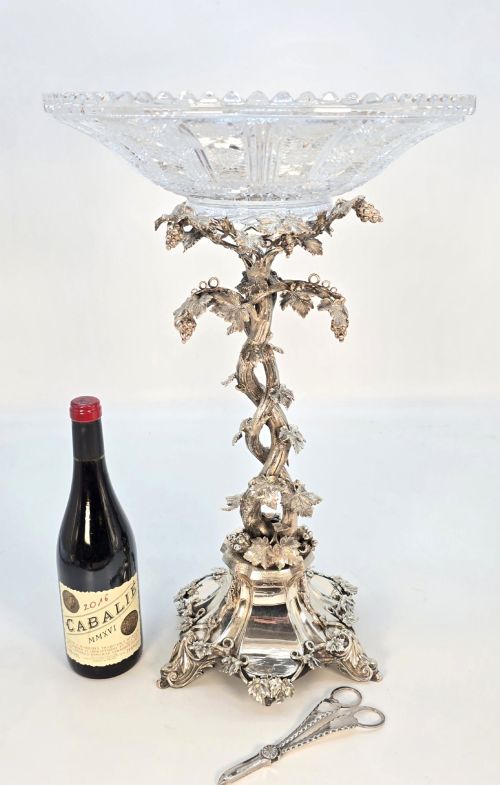
- A vessel raised on a distinct stem and footed base, designed to display fruit or flowers prominently on a dining surface.
- Over crystal
- A technique where a layer of coloured glass is cased over a clear crystal base before being cut through to reveal the contrast.
Cut Glass Bowl: Frequently Asked Questions
How do I clean an antique cut glass bowl?
Wash the glass gently in lukewarm water using mild detergent and a soft cloth, avoiding sudden temperature changes that can stress the material.
Dry the piece immediately with a lint-free towel to maintain the clarity and brilliance of the hand-cut facets.
Were these bowls used for food?
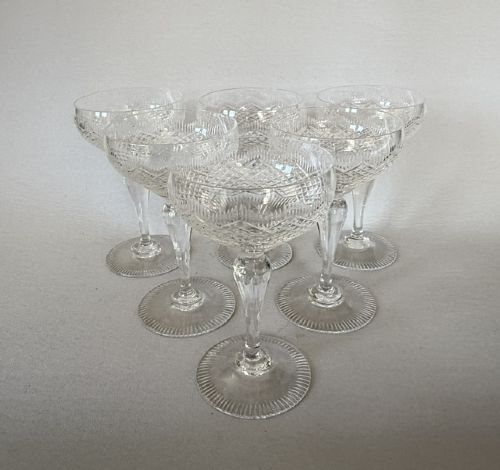
Many of these vessels held fruit, butter, preserves, or champagne during formal dining and tea services in Georgian and Victorian households.
Others served strictly decorative functions as table centrepieces paired with gilt bronze or silver stands.
How do I tell Georgian cut glass from Victorian pieces?
Georgian and early nineteenth-century Irish pieces often feature heavier metal with deeper, hand-polished facets and distinctive pontil marks on the base.
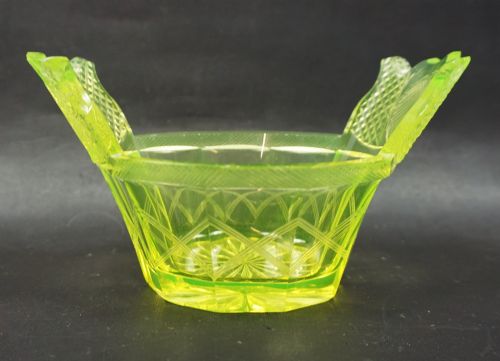
Victorian and later examples introduce wider variations in colour, lighter walls, and mechanical press-moulding alongside traditional wheel-cutting.
Can I display them in modern interiors?
These bowls integrate well into contemporary spaces as standalone decorative objects on sideboards, coffee tables, or open shelving.
Their reflective crystal surfaces work effectively when paired with natural daylight or directional interior lighting.