


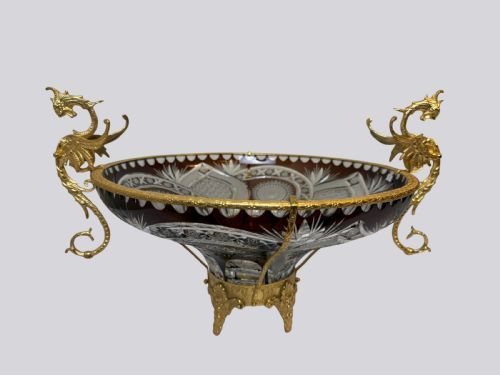
Cut Crystal Centrepiece
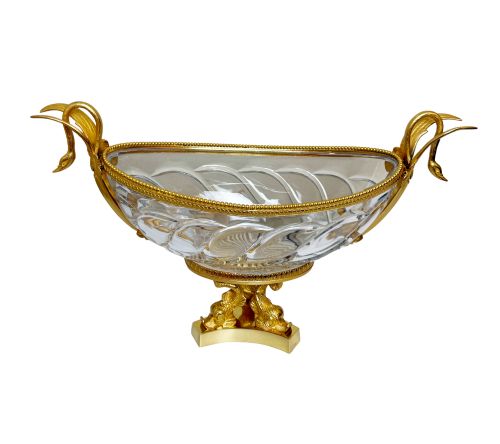
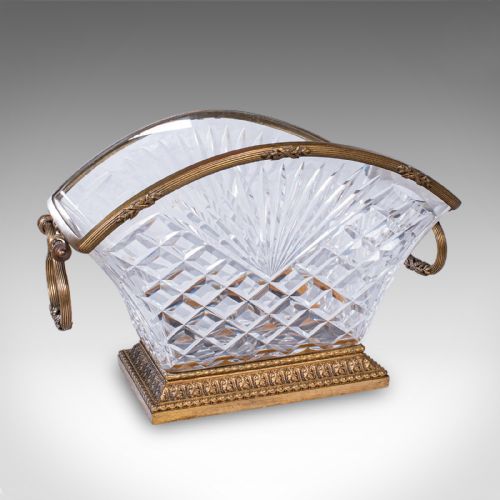
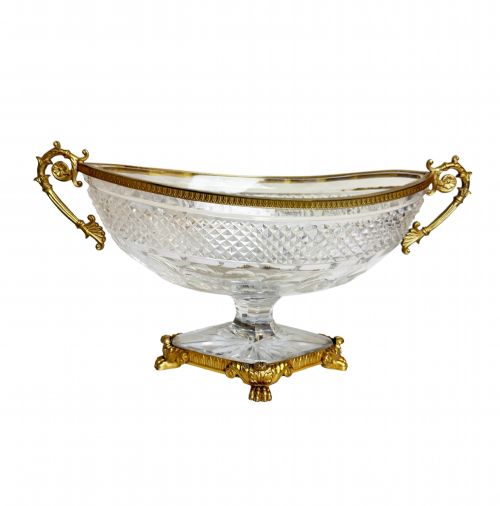
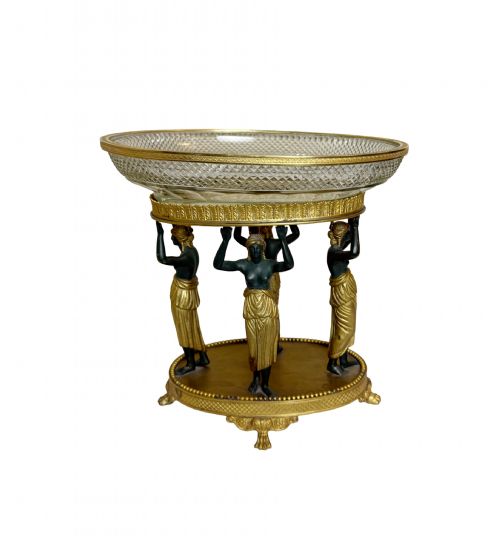
A cut crystal centrepiece anchors a formal dining table with faceted brilliance, catching candlelight through heavy Victorian lead glass and gilt bronze mounts.
Cut Crystal Centrepiece
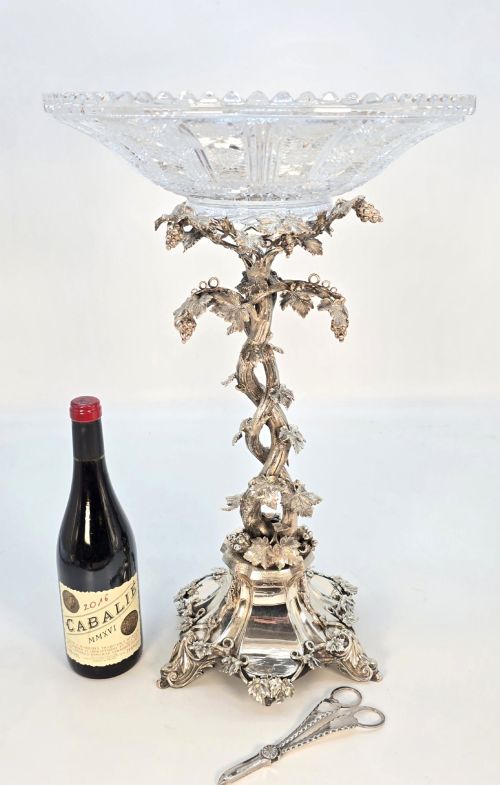
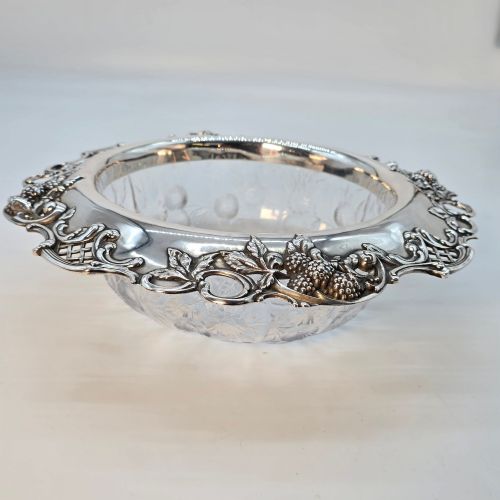
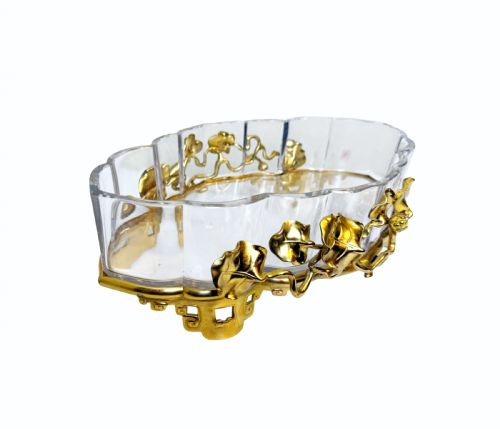
A cut crystal centrepiece serves as the primary decorative ornament for dining and side tables, combining heavy glass bowls with metal stands. Buyers looking at this page encounter forms ranging from Georgian fruit bowls and Victorian pedestal comports to elaborate Edwardian epergnes and French gilt bronze jardinieres.
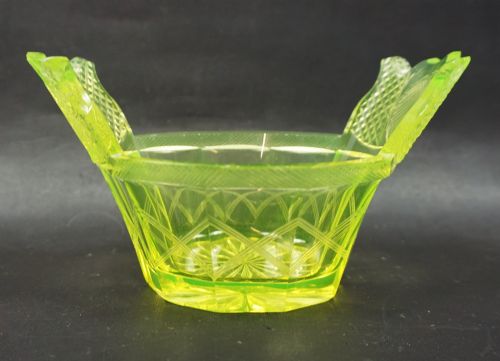
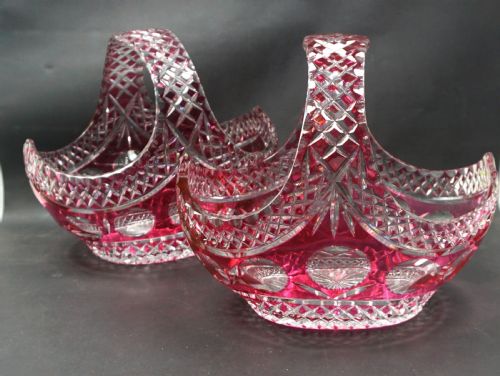
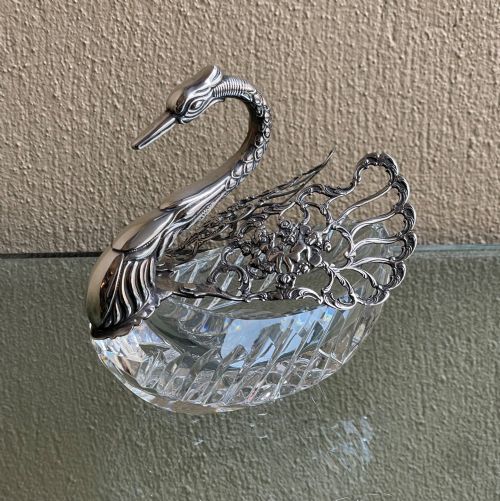
The most common versions met here date from the nineteenth and early twentieth centuries, spanning Victorian, Edwardian, and Art Deco periods. These pieces include deep cut glass bowls, silver plated baskets, and coloured crystal vessels designed to hold fruit, flowers, or sweets.
How They Were Made
Makers fashioned these vessels using lead crystal and heavy glass, often hand-blowing the raw form before cutting geometric patterns into the surface with a wheel. Artisans then polished the facets to achieve high transparency and reflection.
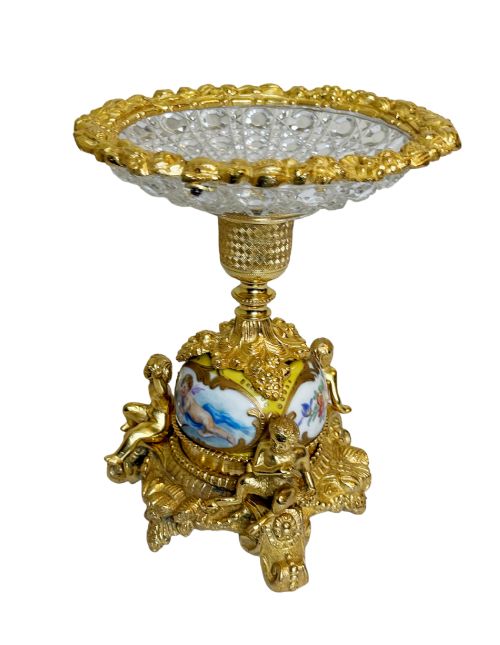
Metal components utilise silver plate, sterling silver, or cast gilt bronze and ormolu mounts to secure the glass bowls. These frames frequently incorporate detailed handles, cherubs, and architectural stands that support the heavy crystal weight.
Several pieces include mischievous bronze cherubs clinging to the rims, apparently helping to hold the heavy fruit bowls in place.
What Varies in Quality
The standard of glass cutting determines visual depth, where sharper wheel work creates crisper light refraction against the room. Heavier lead content yields a clearer ring and greater weight in the hand.
Metal mounts show differentiation through the crispness of their chasing and the thickness of gilding or silver plating. Finer pieces integrate the glass and metal components securely with balanced proportions.
Tiffany and Co·Val St Lambert·Charles Graffart·Joseph Simon
The Cut Crystal Centrepiece Glossary
- Comport
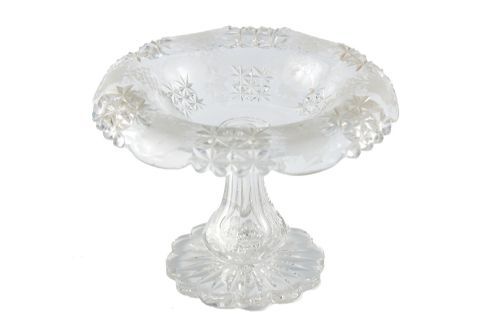
- A raised bowl on a pedestal foot, traditionally used for serving fruit or sweetmeats at the table. These vessels often feature heavy cut glass patterns.
- Epergne
- A large ornamental centrepiece featuring a central bowl surrounded by multiple smaller hanging baskets or arms for flowers and fruit. They combine cut crystal with silver plated frames.
- Ormolu
- Gilt bronze mounts cast and chased with decorative details, frequently paired with nineteenth-century French and English glass bowls. The technique involves applying a gold amalgam to bronze.
- Hobnail
- A raised, pointed glass-cutting pattern resembling the hobnails on rustic boots, creating a textured surface that disperses light intensely. This motif appears frequently on nineteenth-century bowls.
- Tazza
- A shallow, wide-rimmed saucershaped vessel raised on a central foot or pedestal. Victorian examples often incorporate etched lead crystal.
Cut Crystal Centrepiece: Frequently Asked Questions
How do I clean an antique cut crystal centrepiece?
Wash the glass by hand using lukewarm water and a mild detergent, avoiding harsh abrasives that scratch the surface. Dry the piece thoroughly with a lint-free cloth to preserve the clarity of the cuts.
Keep metal mounts dry and dust them gently with a soft brush. Submerging silver-plated or gilt bronze frames in water can damage the underlying finish.
Can I use my centrepiece for holding fresh fruit and water?
Heavy lead crystal and glass bowls hold dry fruit, flowers, or decorative objects securely. Avoid placing acidic foods or standing water inside pieces with delicate metal mounts or historic silver plating.
Changes in temperature can stress antique glass, so keep them away from direct heat sources and boiling liquids.
How do I date a cut crystal centrepiece?
Examine the weight of the glass, the sharpness of the facets, and the style of any metal mounts. Georgian and early Victorian pieces often feature hand-blown pontil marks on the base alongside deep, irregular hand-cutting.
Later Edwardian and Art Deco examples show machine-polished precision and factory signatures or coloured glass techniques. Compare the mounting hardware style against known period revival designs.
What is the difference between a comport and a bowl?
A comport stands elevated on a distinct central stem or pedestal foot, raising the display above the surface of the table. Standard bowls rest directly on a flat base or low frame.
Both forms utilise heavy cut crystal, but comports create vertical presence in dining arrangements.