


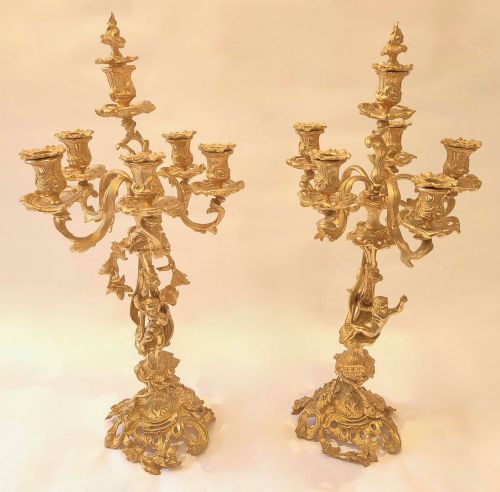

Multi Arm Candelabrum
A multi arm candelabrum commands a room with branched illumination, bringing weight and period metalwork to a surface or floor.
Multi Arm Candelabrum
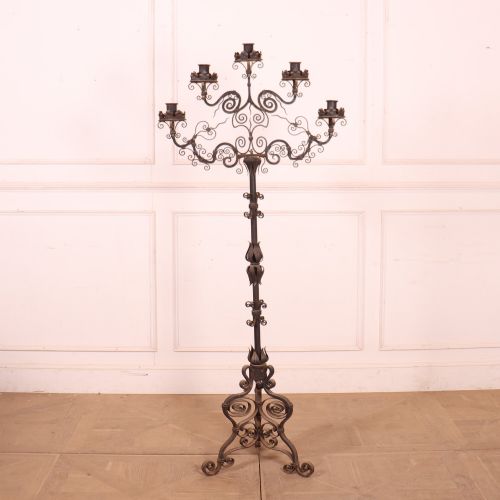
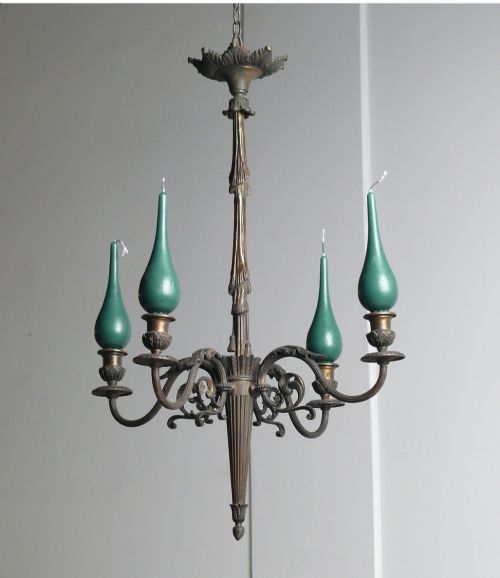
A multi arm candelabrum is a branched lighting piece designed to hold multiple candles, appearing in forms ranging from heavy floor-standing altar pieces to table candelabra, wall sconces, and converted lamps.
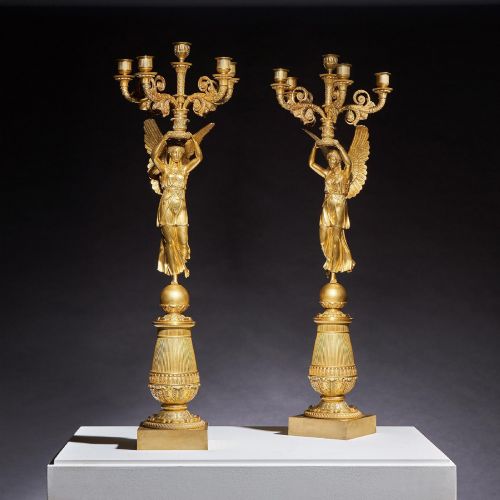
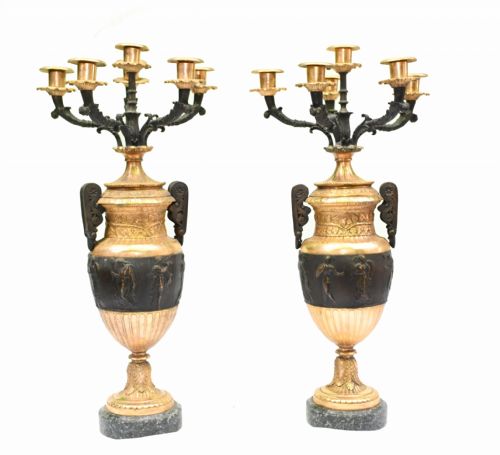
The versions met most frequently on this page span the nineteenth century, including Victorian silver-plated examples and French ormolu or gilt bronze creations, alongside occasional eighteenth-century Italian floor standards and twentieth-century silver pieces.
Makers and designers referenced in these pieces stretch from the French Empire period through to Edwardian silver plate and Arts and Crafts brass, showing a wide geographical span from English workshops to continental foundries.
Materials and Construction
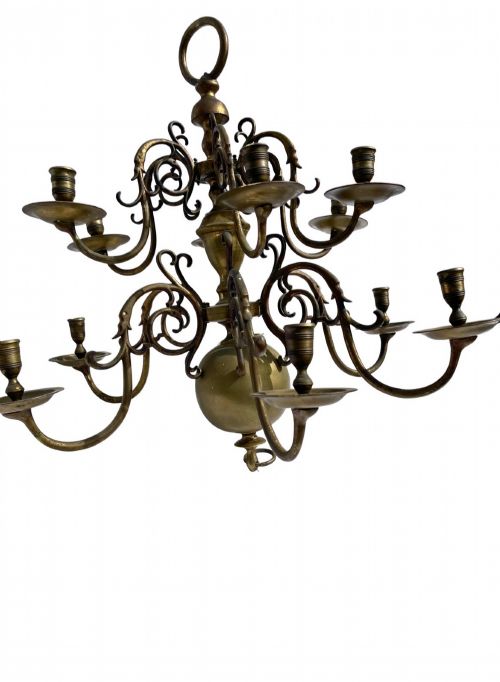
Foundries cast these pieces primarily in bronze, brass, or gilt bronze, frequently applying a patinated finish or bright ormolu to highlight the modelled details.
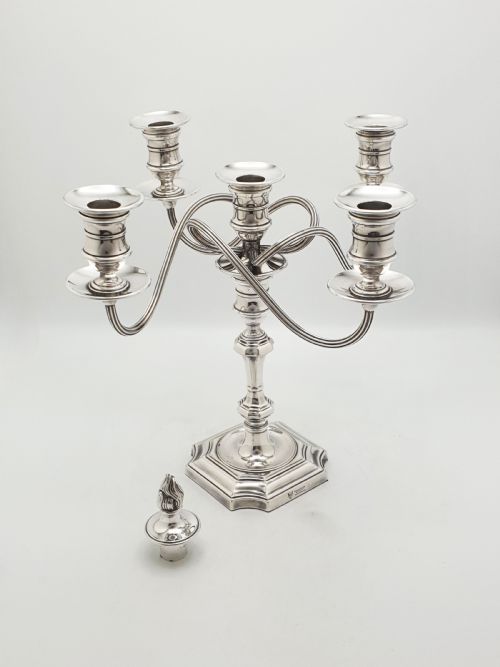
Silver plating on base metals and solid sterling silver also appear across nineteenth- and twentieth-century examples, while glass drops and lustres add reflective weight to table and chandelier forms.
One piece includes a lyre motif in silver plate, striking a harmonious chord for nineteenth-century musical enthusiasts.
Assessing Quality and Execution
The sharpness of the cast ornament distinguishes finer examples, where chased details and crisp foliage separate skilled foundry work from softer production.
Weight and stability matter greatly in multi-branched forms, ensuring the arms support the candle sockets securely without imbalance.
Pierre Philippe Thomire·Thomas Hope
The Multi Arm Candelabrum Glossary
- Ormolu
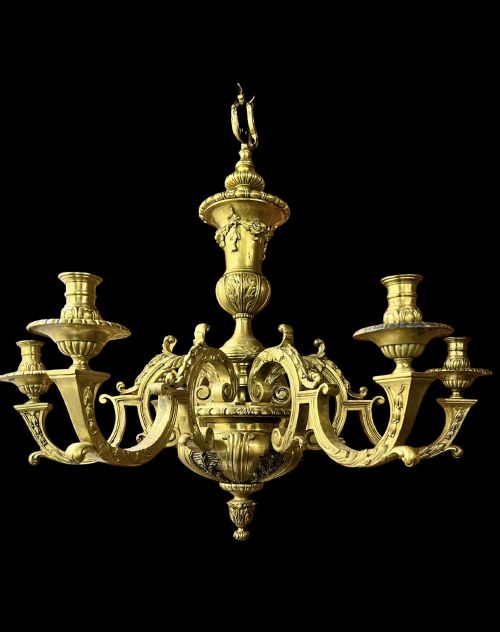
- Gilded bronze produced by applying a mercury amalgam to a bronze base and heating it. This technique creates a rich gold surface common on French pieces.
- Patinated bronze
- Bronze that has been chemically treated to darken or colour the surface. It provides contrast against bright gilt mounts.
- Silver plate
- A thin layer of silver bonded to a base metal such as copper or brass. It allowed nineteenth-century makers to produce large table pieces at a lower cost than solid silver.
- Wall sconce
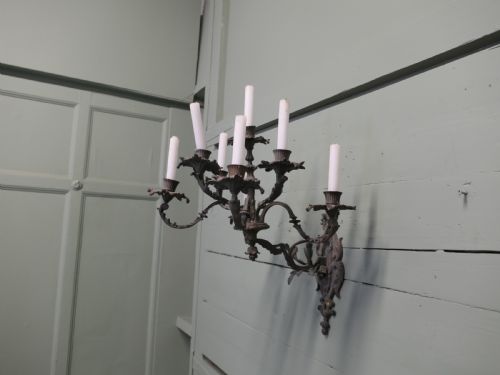
- A branched lighting fixture mounted directly to a vertical wall surface. These pieces project outward to cast light across a room.
Multi Arm Candelabrum: Frequently Asked Questions
What is a multi arm candelabrum?
A multi arm candelabrum is a branched candleholder designed to support several candles simultaneously from a single central stem and base. They range from small tabletop silver pieces to large floor-standing altar standards.
Historically used to illuminate large dining tables and reception rooms, these pieces combine functional metalwork with sculptural design.
How do I date a brass candelabrum?
Dating relies on stylistic clues such as the cast ornament, the assembly methods of the arms, and the colour of the brass or bronze. Pieces from the nineteenth century often show heavy casting and specific revival styles.
Comparing the construction joints and surface wear to documented examples from periods like the French Empire or Edwardian era helps narrow the date of manufacture.
Where should I place a large candelabrum?
Large candelabra suit heavy sideboards, dining tables, or dedicated floor spaces where their height and branched form can be appreciated without obstruction. They function well as central decorative focal points in a room.
Ensure the surface is stable and capable of supporting the substantial weight of bronze, brass, or silver-plated metal.
How do I clean silver plated candelabra?
Cleaning requires a soft cloth and a gentle silver polish suitable for plated items, taking care not to rub through the silver layer onto the base metal. Avoid harsh abrasives that can damage chased surface details.
Regular dusting with a dry microfibre cloth prevents the buildup of grime in the recessed cast ornament of the arms.