



Cream Wool Flatweave
These cream wool flatweave pieces are utilitarian textiles and tribal floor coverings offering simple warmth and distinct patterns.
Cream Wool Flatweave
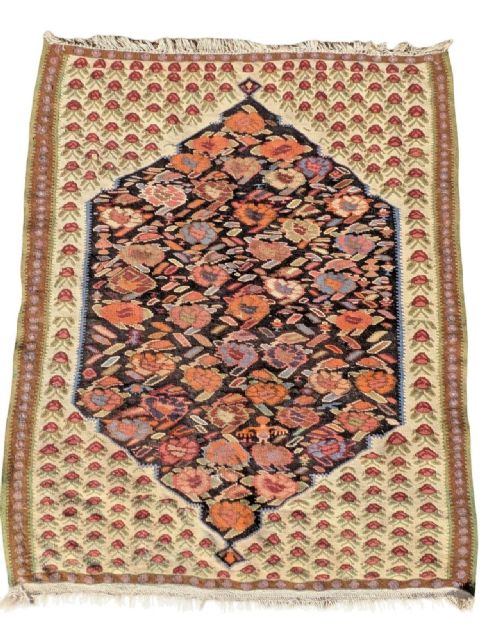
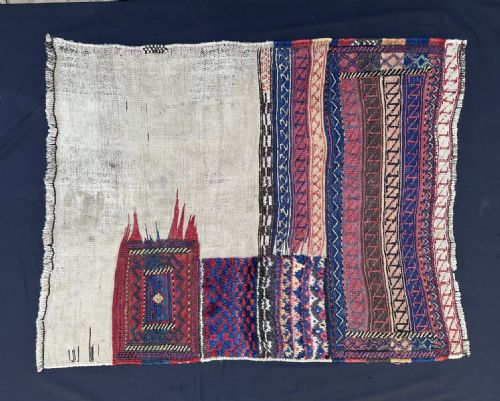
When you search for cream wool flatweave, you encounter flat-woven rugs, kilims, tribal textiles, and domestic bags originating from Persian, Central Asian, Balkan, and European workshops. The selections span from the mid-nineteenth century through the middle of the twentieth century, encompassing utilitarian bread sofrehs, grain sacks, tent bands, and decorative floor carpets. You are most likely to meet tribal kilims and regional European tapestries or needlepoints that utilise lighter ground colours.
The objects serve diverse domestic functions, ranging from nomadic storage containers and tent architecture to floor coverings and wall hangings. Persian tribal examples from regions such as the Chahar Mahal valley sit alongside Bessarabian and Pirot kilims, French Aubusson designs, and Portuguese needlepoints. Each form reflects the specific weaving traditions and practical requirements of the culture that produced it.
How they were made
The construction relies primarily on wool, hand-spun wool, cotton, goat hair, and canvas, integrated through flat-weaving techniques without a piled surface. Artisans employ natural dyes to achieve the varied colour palettes found across these textiles, while others utilise needlepoint or crewelwork stitches upon a supportive ground fabric. The structural integrity depends on tight warp and weft tension, particularly in utilitarian sacks and tent bands designed for heavy nomadic use.
Materials such as goat hair provide durable reinforcement for tribal bags and tent bands, whereas finer wool and cotton facilitate intricate geometric and floral patterns in kilims and carpets. The absence of pile creates a smooth, durable textile profile suited to layering or floor placement.
Nomads once wove fifty-foot tent bands just to keep their homes from blowing away across the steppe.
What varies in quality
Quality rests in the precision of the flat-weave structure, the fineness of the hand-spun wool, and the clarity of the design motifs. Pieces displaying crisp geometric precision or finely executed needlework demonstrate superior technical execution by the weaver.
The depth and stability of natural dyes further distinguish finer examples, as well as the completeness of original tribal formats such as intact tent bands or uncompromised grain sacks.
The Cream Wool Flatweave Glossary
- Flatweave
- A textile produced without knotted pile by interlocking warp and weft threads. This technique creates a thin, durable fabric suitable for floor coverings and utilitarian domestic items.
- Kilim
- A pileless woven carpet or rug originating from regions including Persia, Anatolia, and Eastern Europe. These items feature distinctive geometric and traditional regional designs.
- Sofreh
- A ceremonial or utilitarian woven spread used for handling bread or food among nomadic and village tribes. Examples frequently display striking tribal iconography and flat-woven structures.
- Tent Band
- A long, narrow structural textile utilised by nomadic groups to secure yurt or tent frameworks. These bands exhibit dense patterns worked in robust wool and goat hair.
Cream Wool Flatweave: Frequently Asked Questions
How do I care for a flatweave rug?
Regular gentle vacuuming without a rotating brush helps maintain the clean appearance of a flat-woven textile. Professional cleaning suited to antique wool ensures the preservation of natural fibres.
Avoiding prolonged direct sunlight prevents the fading of natural dyes across older Persian and European pieces.
Where were these textiles made?
The origins span Western Persia, Central Asia, the Balkans, and European centres like Portugal and France. Nomadic confederacies and village communities produced the tribal pieces for daily use.
European workshops created the needlepoint and Aubusson style carpets for formal domestic interiors.
Can these textiles be used on the floor?
Many examples function effectively as area rugs or floor coverings within low-traffic residential spaces. Using a suitable underlay prevents slipping and cushions the thin flat-woven structure.
Heavier tent bands and delicate needlepoints often suit wall hanging or display purposes better than heavy foot traffic.
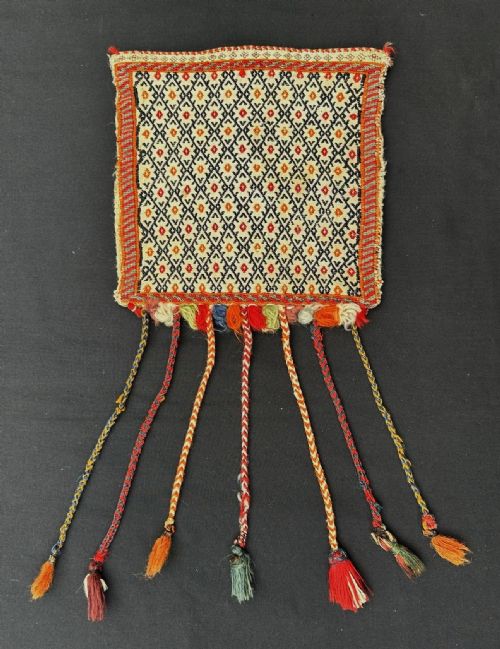
What is a tribal bag?
Tribal bags such as tachehs and vanity bags served practical storage purposes for nomadic groups in regions like Persia. Weavers constructed them using durable wool and goat hair to withstand transport.
Collectors prize surviving examples for their authentic tribal designs and functional history.