



Tribal Kilim Rug
When you handle a tribal kilim rug, you hold a flat-woven textile born from nomadic utility and rich cultural heritage.
Tribal Kilim Rug
A tribal kilim rug encompasses flat-woven textiles produced by nomadic and village communities across Persia, Anatolia, the Caucasus, and Central Asia. These items serve functional roles within tent and village life, ranging from floor coverings and animal covers to grain bags and dining spreads.
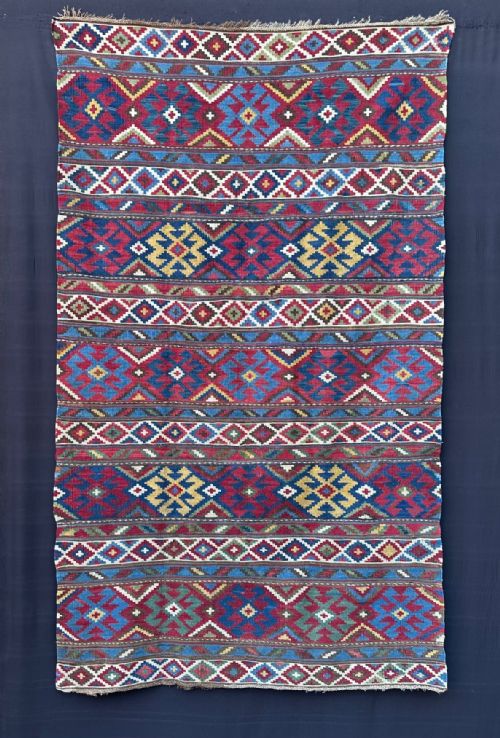
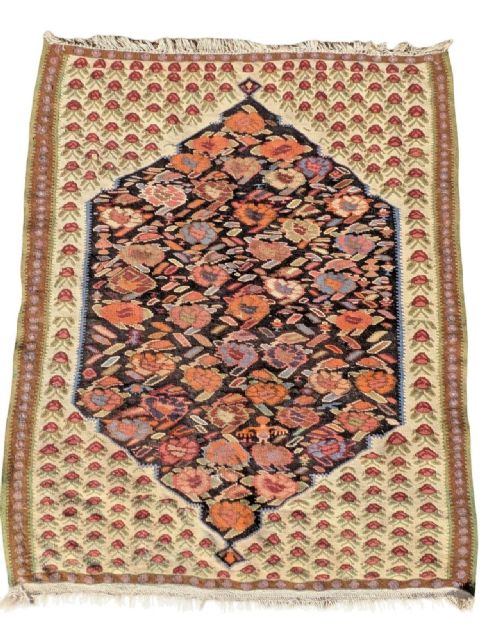
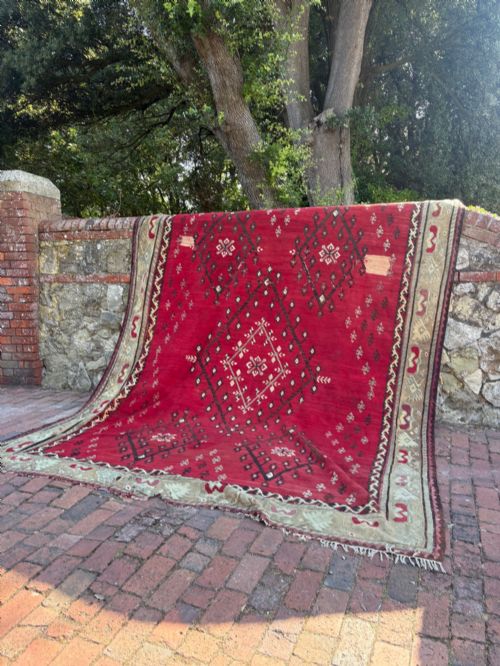
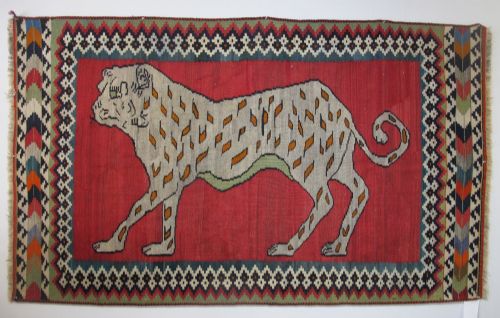
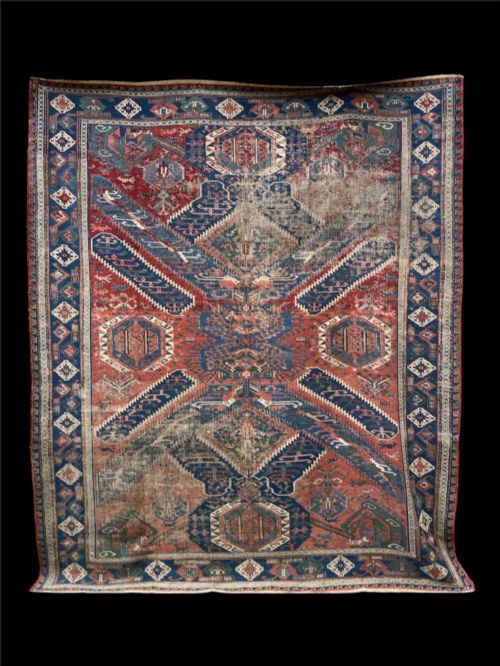
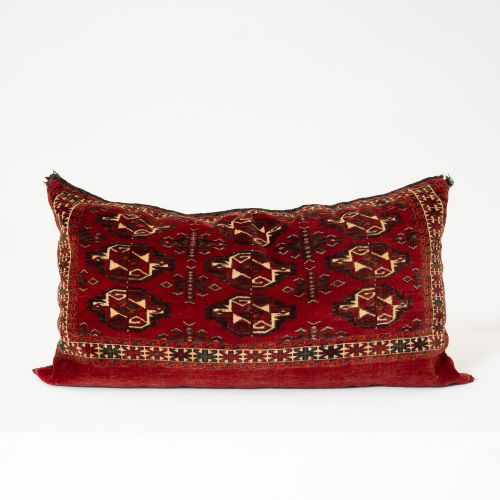
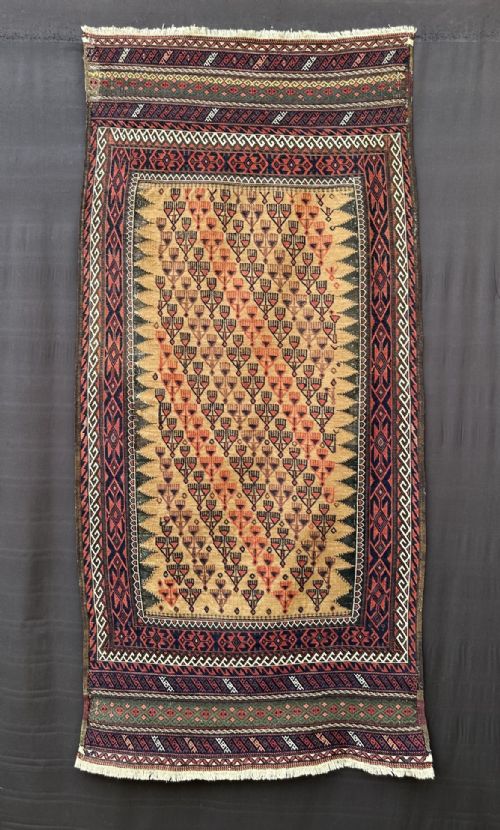
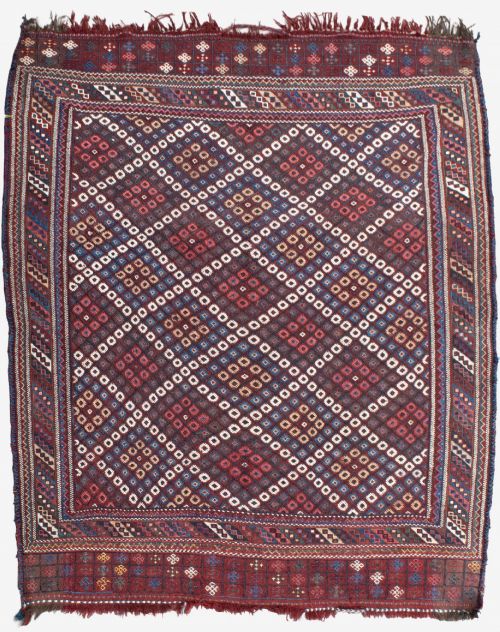
You will encounter regional variations spanning the nineteenth century through the early twentieth century, including pieces woven by Qashqai, Afshar, Yomut Turkmen, and Shahsevan tribes. The selections often feature geometric medallions, banded patterns, and striking field designs reflecting specific tribal identities.
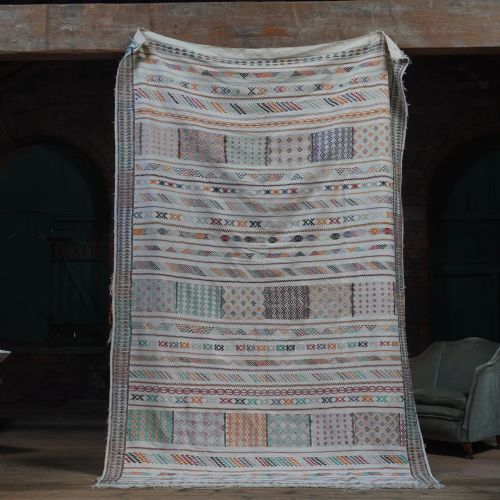
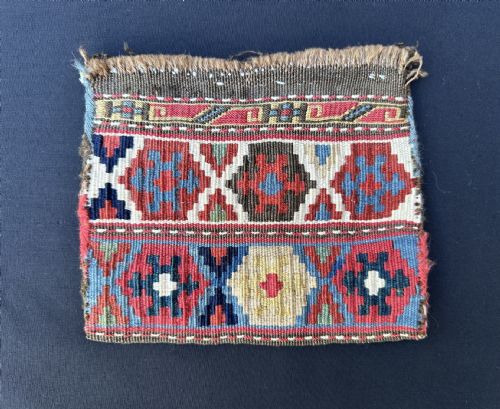
Beyond standard floor rugs, the inventory frequently includes utilitarian forms such as sofreh, salt bags, and mafrash panels. Each object demonstrates the practical artistry required for daily nomadic existence.
Materials and construction methods
Weavers relied primarily on hand-spun wool and cotton, occasionally incorporating goat hair and cactus silk or sabra fibre for specific textures. Natural dyes provided the foundational palette, yielding deep, enduring tones that age gracefully over decades.
The technique relies on a warp and weft flatweave construction where the pattern is created by tightly packing the coloured horizontal weft threads over the vertical warps. This process leaves slit openings where different colour blocks meet, characteristic of traditional slit-weave kilims.
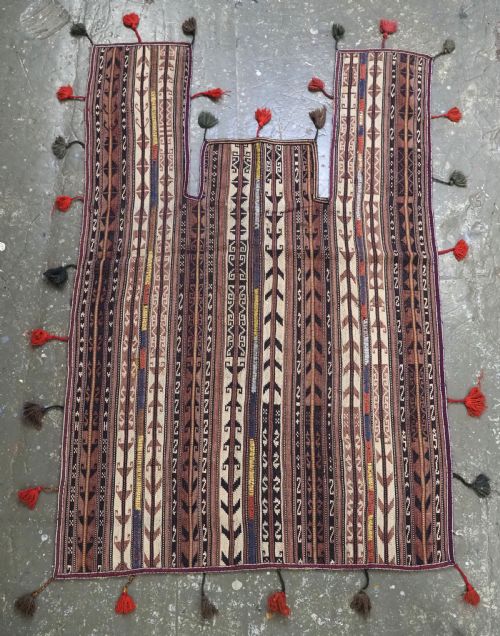
The inventory encompasses diverse nineteenth and early twentieth-century forms, including functional sofreh, storage bags, and horse blankets.
Factors determining the tier of a piece
Quality in these textiles rests upon the tightness of the weave, the precision of the geometric execution, and the complexity of the tribal design. Tighter structures and finer wool preparation generally indicate greater technical skill by the weaver.
The richness and integrity of the natural dyes significantly elevate a piece, as does the preservation of original borders and finishes. Tribal examples with unusual iconography or well-maintained structural integrity stand apart in any collection.
The Tribal Kilim Rug Glossary
- Kilim
- A flat-woven textile produced without a pile, created by tightly interlocking horizontal weft threads over vertical warps. These pieces function as rugs, wall hangings, and utilitarian covers.
- Sofreh
- A utilitarian cloth used for serving meals, kneading bread, or processing grain within nomadic households. They often display striking geometric compositions and strong tribal characteristics.
- Sumak
- A decorative flatweave technique where supplementary weft threads are wrapped around the warp threads to create a textured, braided surface. This method offers greater durability and distinct raised patterns.
- Mafrash
- A large rectangular storage bag or chest panel used by nomadic tribes for transporting household goods. They frequently feature banded flatweave designs and rich wool or goat hair construction.
- Jajim
- A tightly woven utility fabric made in narrow strips and stitched together, often featuring bright alternating stripes. These textiles served as blankets, covers, or floor coverings.
Tribal Kilim Rug: Frequently Asked Questions
What is a tribal kilim rug?
A tribal kilim rug is a pileless, flat-woven textile created by nomadic and village weavers using traditional geometric motifs and natural materials. These pieces reflect the specific cultural aesthetics and practical needs of communities across the Middle East and Central Asia.
Unlike knotted carpets, kilims are constructed by interlocking weft threads directly onto the warp. This technique produces a lightweight, durable fabric that served numerous domestic functions in nomadic tents.
How were these rugs originally used?
Nomadic families utilised these flatweaves for everyday survival, employing them as floor coverings, bedding, blankets, and horse covers. Specialised forms also functioned as containers for salt, bread, and grain during seasonal migrations.
Many pieces encountered today began as utilitarian items such as dining spreads or storage bags rather than decorative floor coverings. Their designs often carried protective symbols and tribal markers significant to the weavers.
How do I care for an antique flatweave?
Preserving an antique flatweave requires gentle maintenance, proper rug underlays to prevent slipping, and regular vacuuming without a rotating brush bar. Keeping the textile away from direct, harsh sunlight protects the natural dyes from fading over time.
Professional specialist cleaning is recommended for delicate wool and cotton pieces to maintain structural integrity. Addressing minor repairs promptly prevents the slit-weave edges from fraying further.