

Cream Upholstered Ottoman
These cream upholstered ottoman pieces bring tactile warmth and classic seating to a room, offering both a place to rest feet and an extra seat.
What They Are
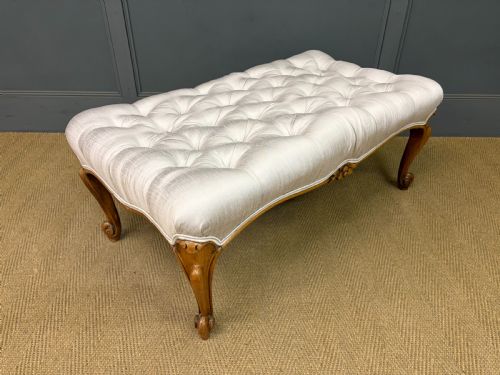
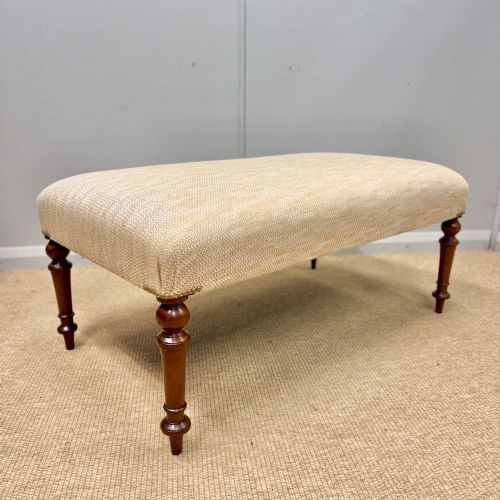
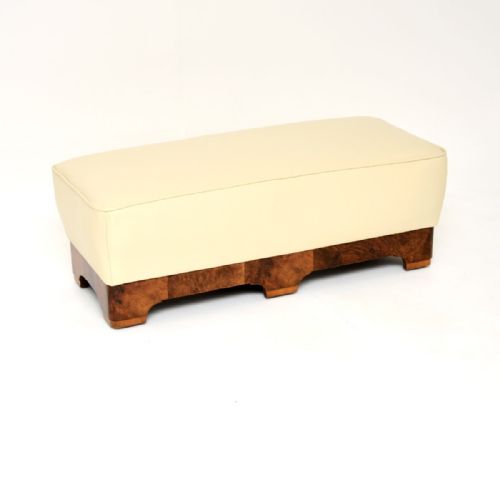
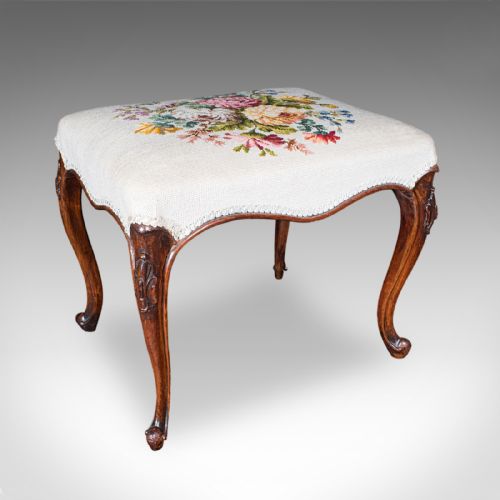
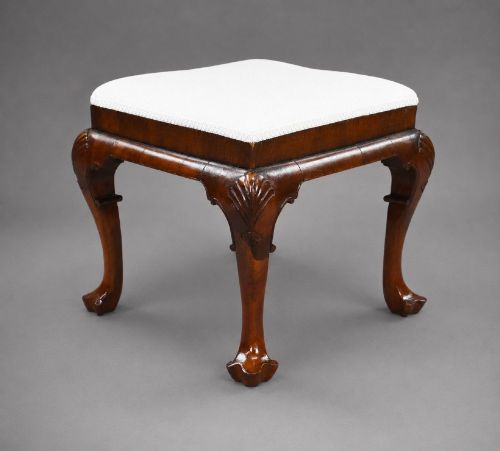
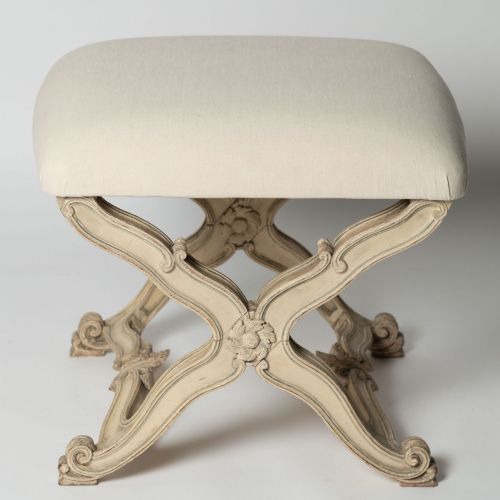
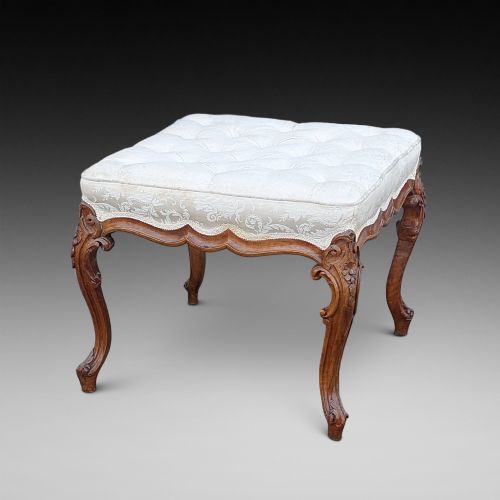
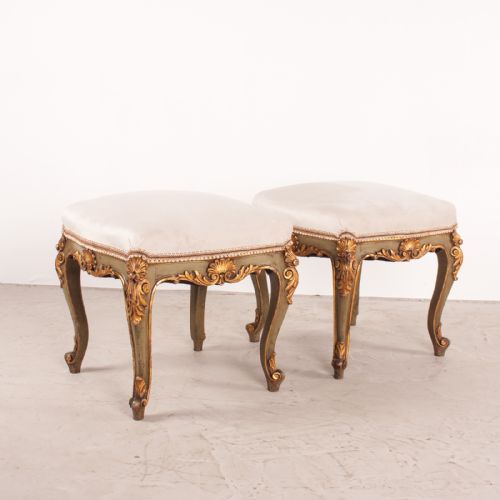
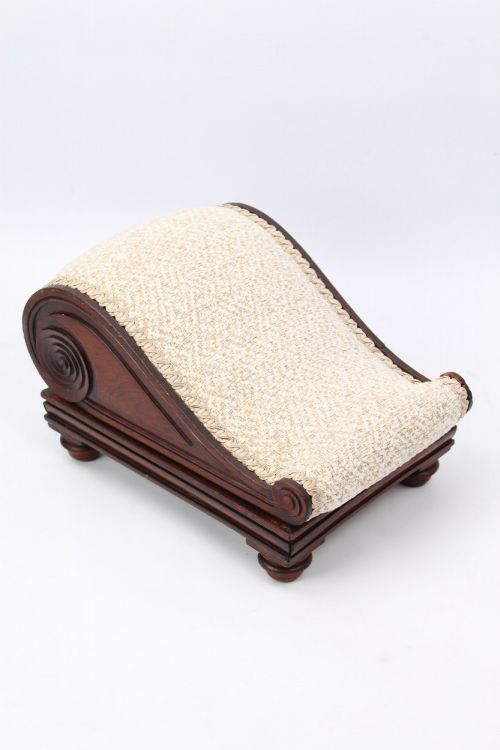
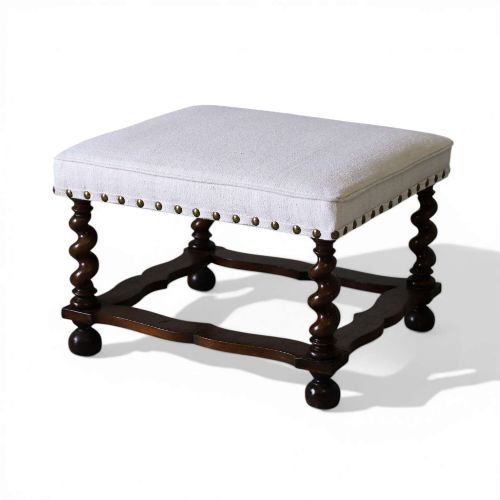
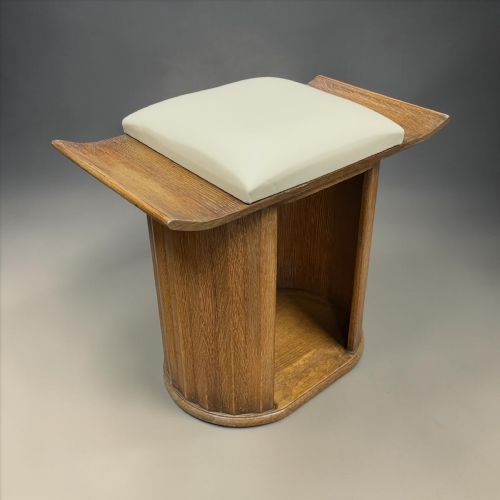
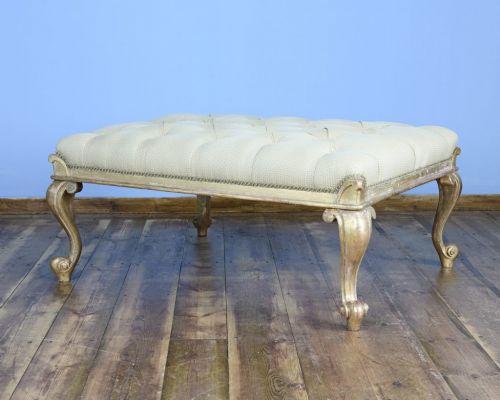
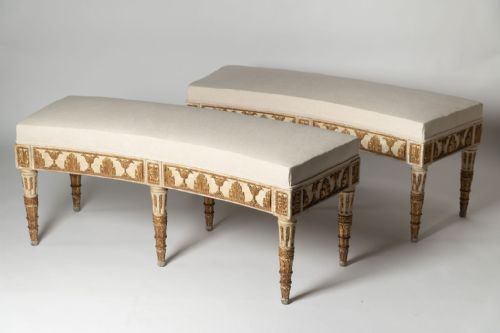
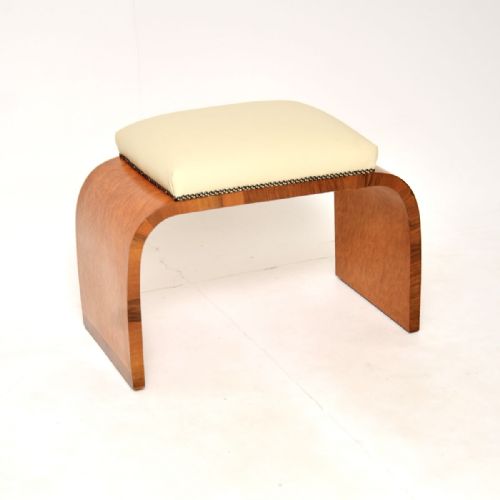
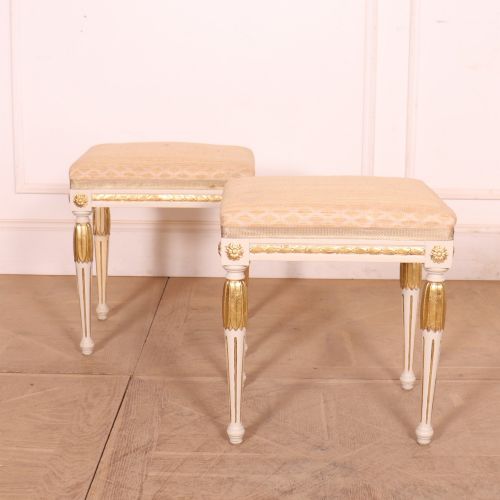
A cream upholstered ottoman covers a range of low seating and footstools spanning the Georgian, Victorian, and nineteenth-century periods. These items include grand scale parcel gilt footstools, large French stools, buttoned leather library window stools, square footstools, and low Swedish stools.
The forms vary from substantial library and window seating to compact low stools. Their origins stretch across British, French, and Swedish traditions, often categorised broadly under footstools and ottomans.
How They Were Made
The frames utilise timber foundations including mahogany, walnut, wood, and giltwood. Construction often incorporates traditional upholstery fabric and leather coverings.
Detailing includes parcel gilt highlights and buttoned finishes, combining wooden structural framing with soft padded surfaces.
Retail Price Guide 2026
Typical UK retail prices for cream upholstered ottoman, calculated from the Sellingantiques database of over a million retail prices indexed since 2003. This retail price guide relies exclusively on Sellingantiques data; no external sources or auction records are used, so the figures do not describe the wider market.
What Varies in Quality
Quality rests in the selection of timber and the execution of the frame, where dense hardwoods like mahogany and walnut provide superior structural integrity. The refinement of the carving, such as parcel gilding, separates standard joinery from finer workshop production.
The finish of the upholstery work, including buttoning and the choice of fabric or leather, dictates the tactile and visual polish of the piece. Scale also plays a part, with grander proportions demanding more complex timber framing.
The Cream Upholstered Ottoman Glossary
- Parcel Gilt
- Partially gilded woodwork where gold leaf highlights specific carved details on the frame. This technique adds subtle contrast against the underlying timber.
- Buttoned Leather
- Upholstery secured with deep-set buttons creating a padded, diamond-patterned surface. This method provides both structural tension and a distinct texture.
- Window Stool
- A low seat designed specifically to fit beneath a window frame. These pieces often feature extended proportions suitable for resting or seating.
- Mahogany
- A durable, reddish-brown timber favoured for fine furniture frames. Its stability allows for crisp carving and enduring structural support.
Frequently Asked Questions
Where should I place a low stool?
These pieces fit well beneath windows, at the foot of a bed, or beside a fireside chair. Their low profile ensures they do not block natural light or views.
They also function easily as moveable extra seating when guests gather in a room.
How do I care for leather upholstery?
Keep leather surfaces clean by dusting them gently with a dry cloth. Avoid placing them in direct sunlight to prevent the material from drying out.
Condition the leather periodically with appropriate balms to maintain its flexibility and sheen.
What defines a Victorian footstool?
Victorian examples frequently employ robust timbers like mahogany alongside dense upholstery. They reflect the period's preference for solid construction and comfortable padding.
Their forms range from simple square footstools to larger window seating.
Can I use an ottoman as a seat?
Most of these pieces are built on sturdy timber frames designed to bear weight securely. Buttoned leather and upholstered surfaces provide a comfortable platform for sitting.
Their primary historical uses included library seating and resting feet.