
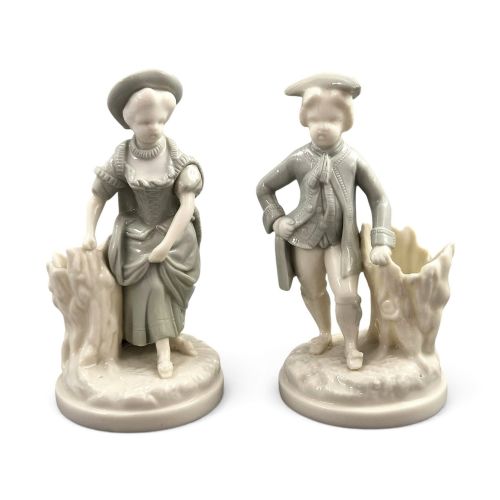
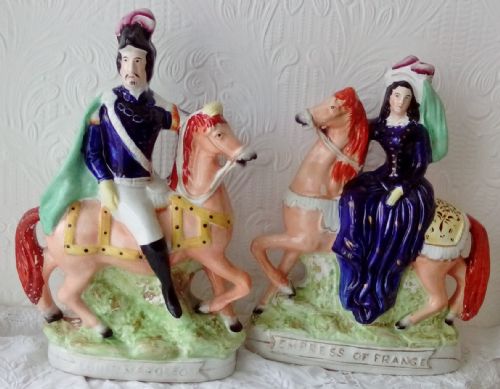
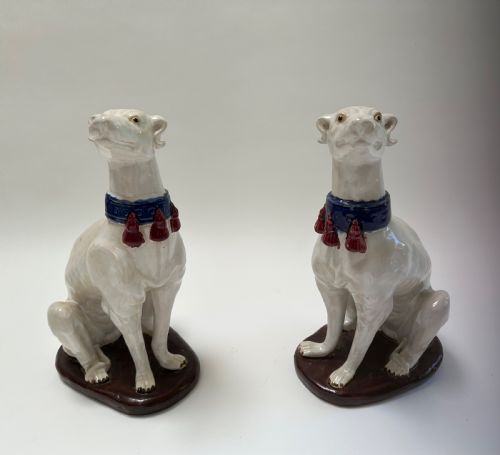
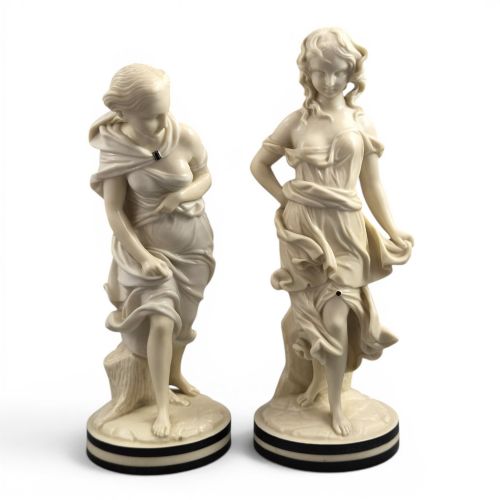


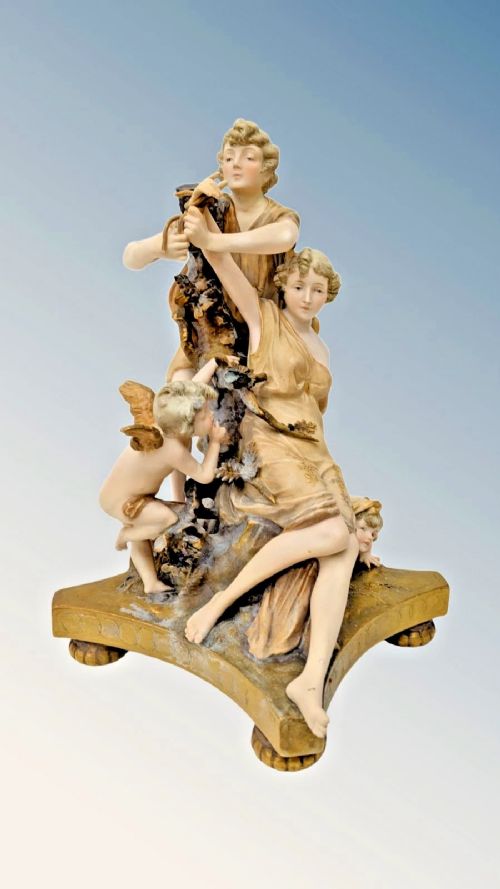


Cream Porcelain Figurine
These cream porcelain figurine examples bring delicate Edwardian and Art Deco grace into a room.
Cream porcelain figurine forms
A cream porcelain figurine captures the sculptural elegance of late nineteenth and early twentieth century design, spanning the Victorian, Edwardian, Art Nouveau, and Art Deco eras. Buyers searching for a cream porcelain figurine will encounter decorative pieces ranging from classical mythological figures to stylish modernist women.
The selections on this page include distinct decorative dishes and sculptures alongside traditional standing figures. Makers captured everyday narratives, from bathers to flapper girls and children with animals, rendered in smooth ceramic bodies.
Materials and methods
Potters shaped these figures from fine porcelain and ceramic, applying specialised glazes to create a smooth, luminous finish. Workshops utilised shot enamel to impart subtle colour shifts across the porcelain surface.
Detailing frequently incorporates applied gold leaf and gilt highlights to accentuate the contours of drapery, hair, and ornamentation. These decorative touches complement the pale ceramic body without overwhelming the sculptural form.
Retail Price Guide 2026
Typical UK retail prices for cream porcelain figurine, calculated from the Sellingantiques database of over a million retail prices indexed since 2003. This retail price guide relies exclusively on Sellingantiques data; no external sources or auction records are used, so the figures do not describe the wider market.
Listings span the Victorian, Edwardian, Art Nouveau, and Art Deco periods, featuring porcelain, enamel, gold leaf, and glaze.
Judging quality
The application of shot enamel and gilt separates standard production from exceptional pieces. Finer works display controlled, deliberate embellishment that enhances the underlying porcelain without obscuring the form.
Royal Worcester·Royal Dux
The Cream Porcelain Figurine Glossary
- Porcelain
- A hard, fine-grained ceramic material fired at high temperatures to achieve a vitrified, non-porous body. It forms the smooth white base of these figures.
- Gilt
- A thin layer of gold applied to the surface of the porcelain to highlight specific decorative elements. It adds warmth and contrast to the cream ceramic body.
- Shot enamel
- An enamel finish that produces shifting iridescent colour effects across the ceramic surface. It creates a shimmering quality under changing light.
- Vide poche
- A small decorative dish designed for holding pocket items, often incorporating figural sculpture. These combination pieces merge utility with decorative display.
Frequently Asked Questions
What is a cream porcelain figurine?
A cream porcelain figurine is a decorative ceramic sculpture produced in pale porcelain bodies during the late Victorian, Edwardian, and Art Deco periods. These pieces often depict human figures, sometimes combined with functional elements like vide poche dishes.
The style evolved from ornate Victorian classicism through the fluid lines of Art Nouveau to the geometric abstraction of Art Deco. Each era brought distinct modelling techniques and surface treatments to the ceramic body.
How do I date a porcelain figure?
Dating relies on stylistic markers such as costume, posture, and the artistic movement evident in the modelling. Art Nouveau pieces feature asymmetrical, flowing lines, while Art Deco works embrace clean, stylized geometry.
Examining the glaze, enamel palette, and any applied gilt provides further chronological clues. Comparative study of period model numbers helps confirm the era of manufacture.
Where were these figures made?
Prominent European potteries and porcelain manufactories produced these decorative figures during the late nineteenth and early twentieth centuries. Factories in Britain and continental Europe utilised skilled modellers and specialised kilns.
Each workshop employed distinct techniques for glazing and painting, leaving characteristic signatures in the finish and overall sculptural weight.
How do I care for antique porcelain?
Display porcelain figures away from direct sunlight and areas subject to sudden temperature fluctuations. Gentle dusting with a soft, dry brush keeps the glazed surface clean without risking abrasion.
Avoid using liquid cleaners or abrasive cloths, particularly on areas decorated with gilt or shot enamel. Handle the pieces with clean hands, supporting the base and any delicate limbs.